Fresh Face Framing Long Layers Haircut Ideas for Women
Finding new long haircut ideas curtain bangs can totally change your look without sacrificing your length. A well-designed face framing long layers haircut brings soft movement around your cheekbones and jawline.
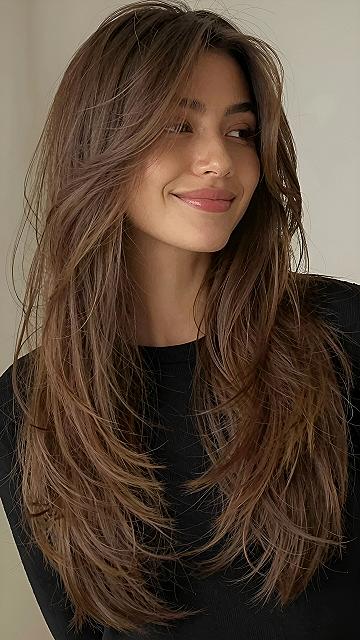
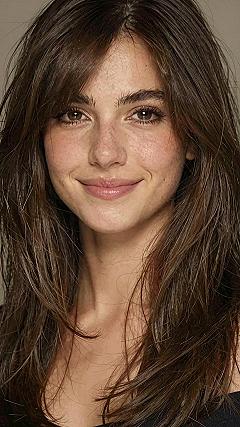
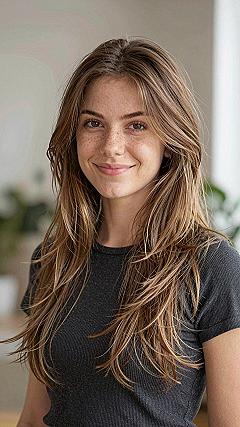
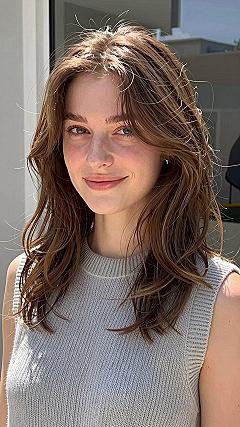
The secret to a great cut for long hair is keeping the ends healthy while adding subtle depth. Pairing a curtain bang long hair style with a long hair layered haircut face framing technique creates an effortless silhouette.
A common mistake is cutting the front pieces too short, which can throw off the natural balance of your style. Taking things slowly lets you see how your texture falls before committing to a shorter fringe.
Different routines suit different preferences, whether you prefer traditional long haircut styles for women or a sleek straight hair layered cut. Rich tones like long layered brown hair add natural dimension to every single strand.
Classic long hair cuts for woman offer wonderful versatility when you want a fresh update. Let us look at a few ways to style these looks.
#1 Soft Curtain Bangs With Long Graduated Layers
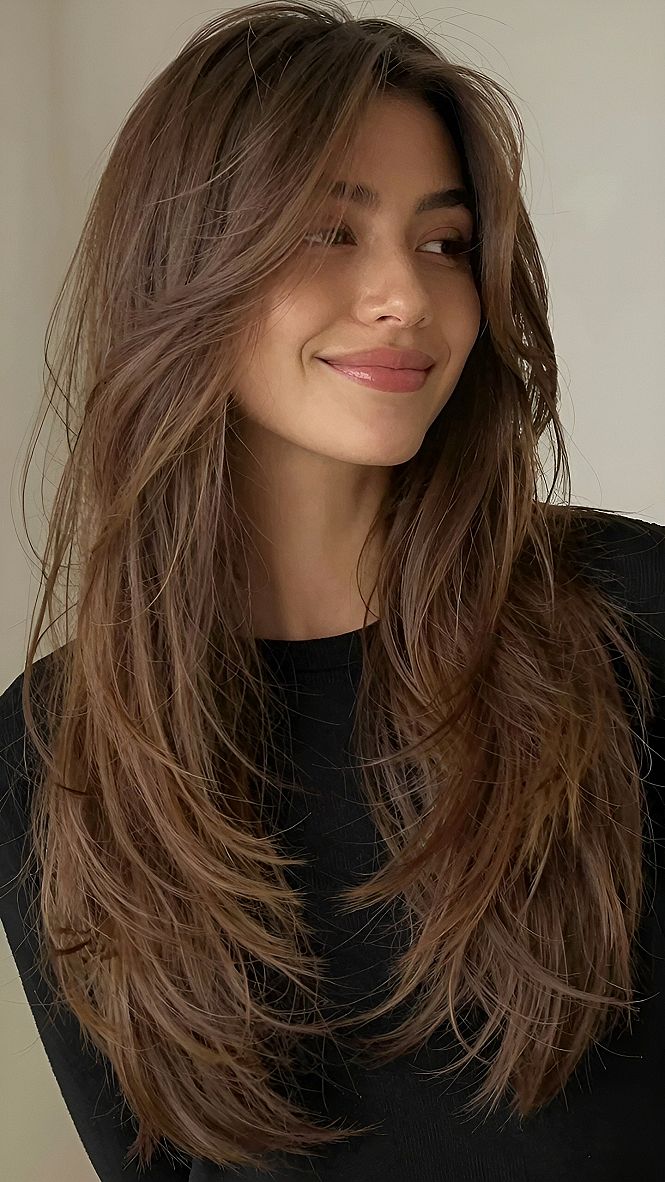
Soft curtain bangs blended into long graduated layers create an open, balanced shape around the cheekbones and jawline. This cut allows length to remain in the back while adding shape near the face, which brings natural movement and bounce to heavy hair without sacrificing overall length.
When styling at home, use a round brush while blow-drying the front sections backward away from your face to set the shape. Ask your stylist to start the shortest layers near your chin so they blend smoothly into the rest of your length rather than looking disconnected.
#2 Textured Fringe With Feathered Long Layers

Adding a textured fringe to long layers works well because it breaks up heavy lines around the forehead and jaw. The shorter pieces near the front create a natural shape that draws attention to the eyes while keeping the overall length intact. This combination gives fine or medium hair an instant boost in volume and movement without requiring a dramatic chop.
This haircut style suits people who want a lived-in, casual vibe that is easy to manage day to day. You can expect to spend minimal time styling if you let the layers air dry with a bit of texturizing spray. It is a smart choice for anyone wanting to refresh their cut while keeping the versatility of longer strands for ponytails and updos.
#3 Choosing Blunt Collarbone Cuts With Gentle Face Framing
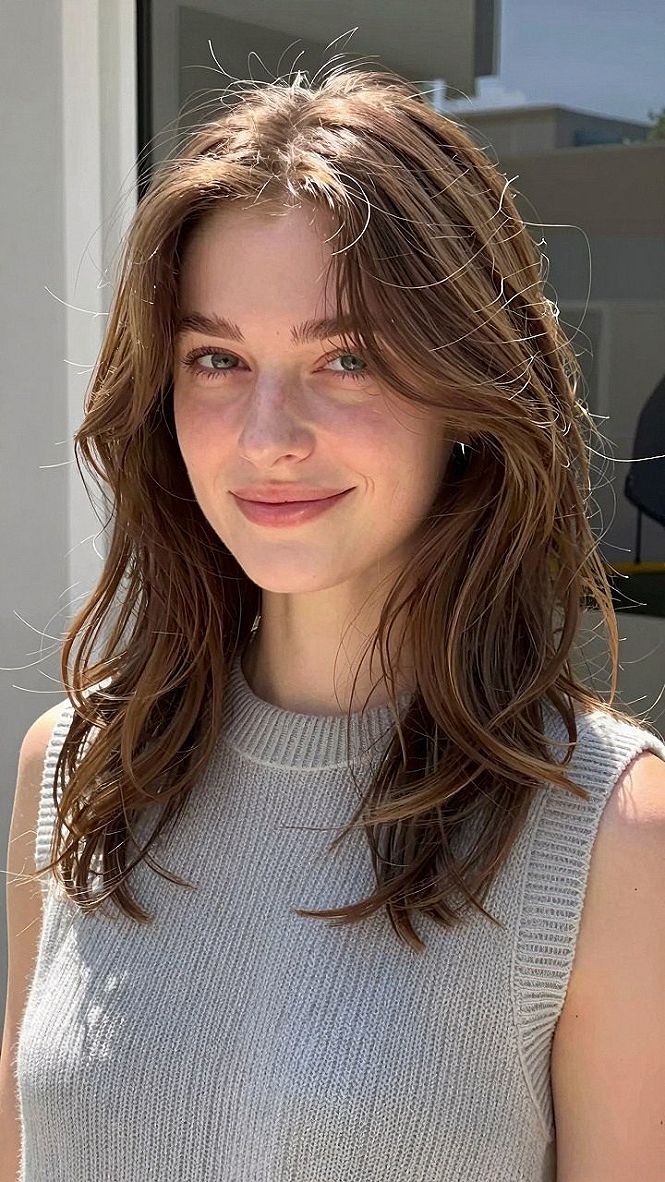
Deciding on a blunt collarbone cut means balancing clean ends with soft layers around your cheekbones. Ask your stylist to keep the overall baseline straight and blunt while adding loose, sweeping pieces near the front. This setup gives you a sharp silhouette at the shoulders without losing movement around the face.
If your hair tends to be thin, keep the blunt ends slightly thicker to maintain density. Those with wavy hair can let the cut air-dry for a casual finish, while straight hair benefits from a quick pass with a round brush to flip the front pieces outward and add natural lift at the crown.
Which style is calling your name?
#4 Natural Middle Part With Long Slanted Layers
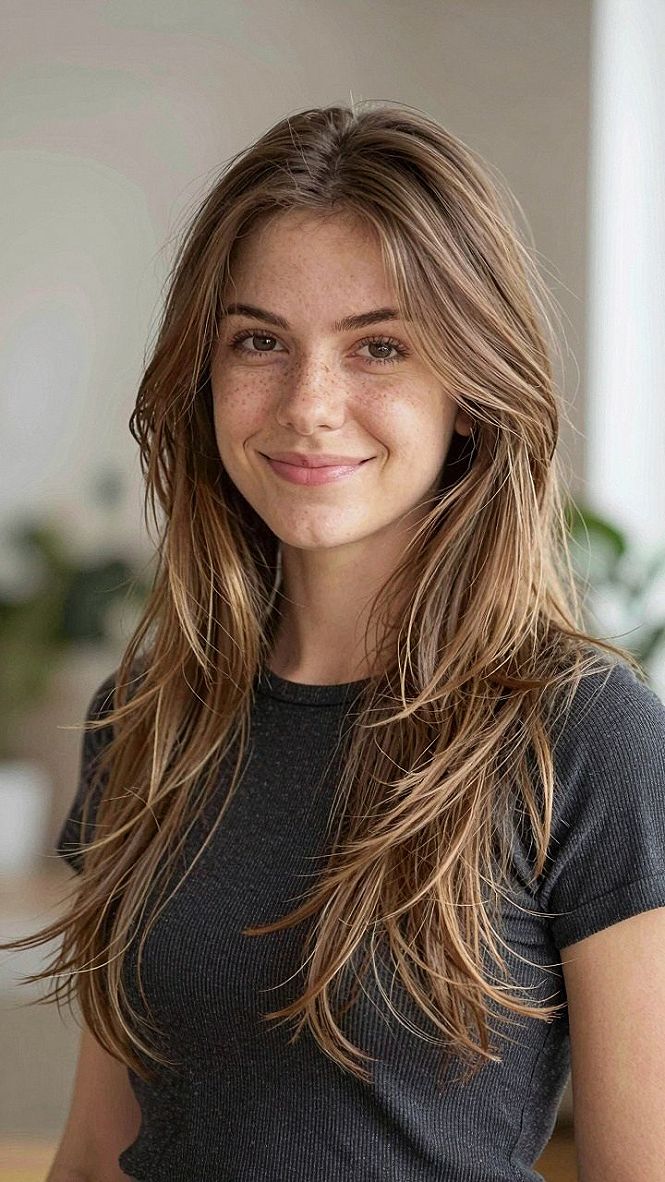
Starting your cut with a precise middle part helps balanced layers fall evenly down each side of the face. When the shortest strands begin near the jawline rather than the cheekbones, they create a smooth transition that does not add unwanted bulk around the widest part of the face. This simple placement makes styling much faster each morning.
Keep the ends healthy by scheduling small trims every eight weeks to stop split ends from traveling up long strands. Apply a lightweight smoothing cream to damp hair before blow-drying downward with a paddle brush. This controls frizz and helps the layered pieces curve gently inward toward your collarbones without needing a curling iron.
#5 Sleek Long Layers With Subtle Chin Length Pieces
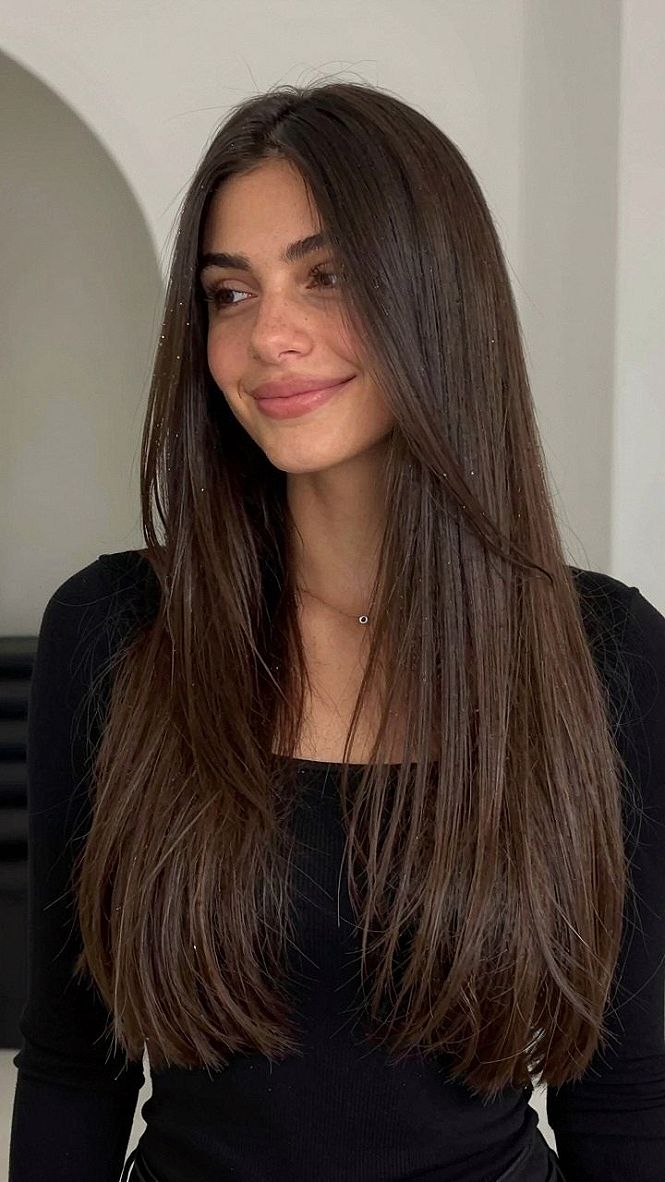
If you want a straightforward cut that keeps your length intact, consider adding gentle chin length pieces to long straight hair. This setup lets you keep heavy volume while adding shape near the jawline. It works well on dense hair because the shorter sections remove bulk around the chin without thinning out the ends.
You can also ask your stylist to start the layering slightly lower if you prefer less shaping near the face. A deeper side part adds extra fullness at the crown for anyone with fine hair. Regular trims will keep those shorter pieces sitting smoothly against your jaw.
What's Your Style Personality?
Tap the look that speaks to you most:
Leave a Comment