Scenic Castle On Misty Hillside And Ancient Castle In Fog Guide
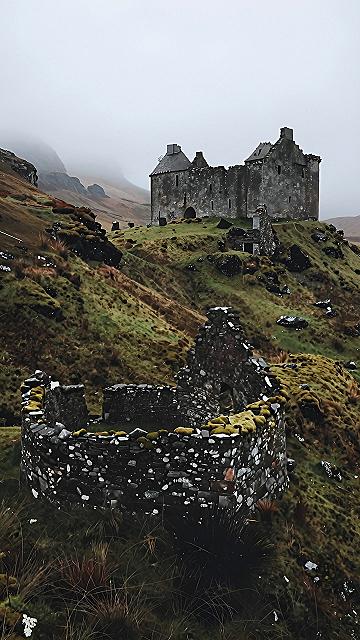
Capturing moody highland ruins helps you document a timeless ancient castle in fog without losing the dramatic details. Good composition turns a simple hill into a striking focal point.
Moody landscape photography relies heavily on natural weather patterns and soft lighting. Europe Scotland offers some of the best dramatic terrain for capturing weather-worn stone structures.
Lowlands Scotland and North East Scotland feature plenty of hidden ruins waiting for your camera lens. Skipping the midday sun helps preserve the deep, rich tones of damp greenery.
Various nature photography ideas become clear once you study how light interacts with rolling terrain. Scenic travel inspiration for Scotland naturally follows when you explore these misty hillsides.
Stunning photos of Scotland emerge when you focus on simple framing and patience. Let us start by looking at the best wide angles for capturing the landscape.
#1 Understanding the Appeal of Hillside Fortresses in Mist
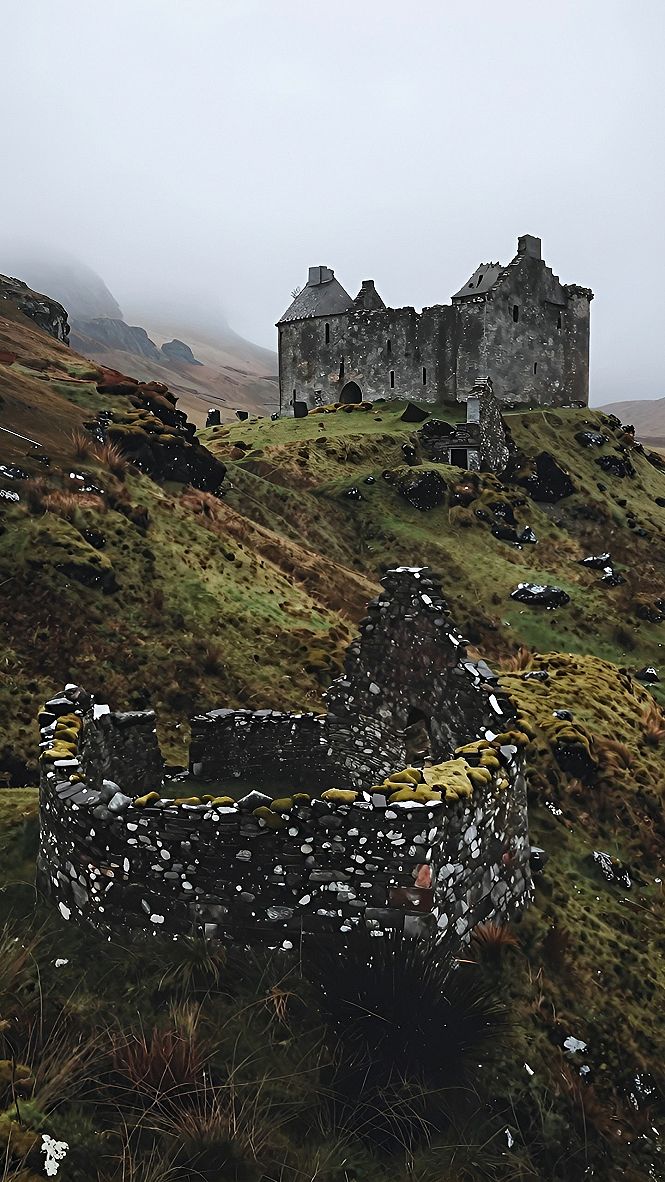
A hilltop castle sitting beneath a heavy fog creates an instant mood of mystery and age. This setup works because the elevated stone walls naturally draw the eye upward, while low-hanging clouds soften harsh outlines and make the landscape feel remote and quiet. It is a classic way to blend heavy historical architecture with the wild atmosphere of an open hillside.
When planning your own landscape projects or photography spots, look for ways to use natural elevation. Placing heavy structures on a slope gives them weight and importance. To keep the look grounded, let local grasses and unmanaged stone paths connect the building to the earth instead of using overly manicured lawns or modern fencing.
#2 Integrating Stone Fortifications Into Steep Slopes
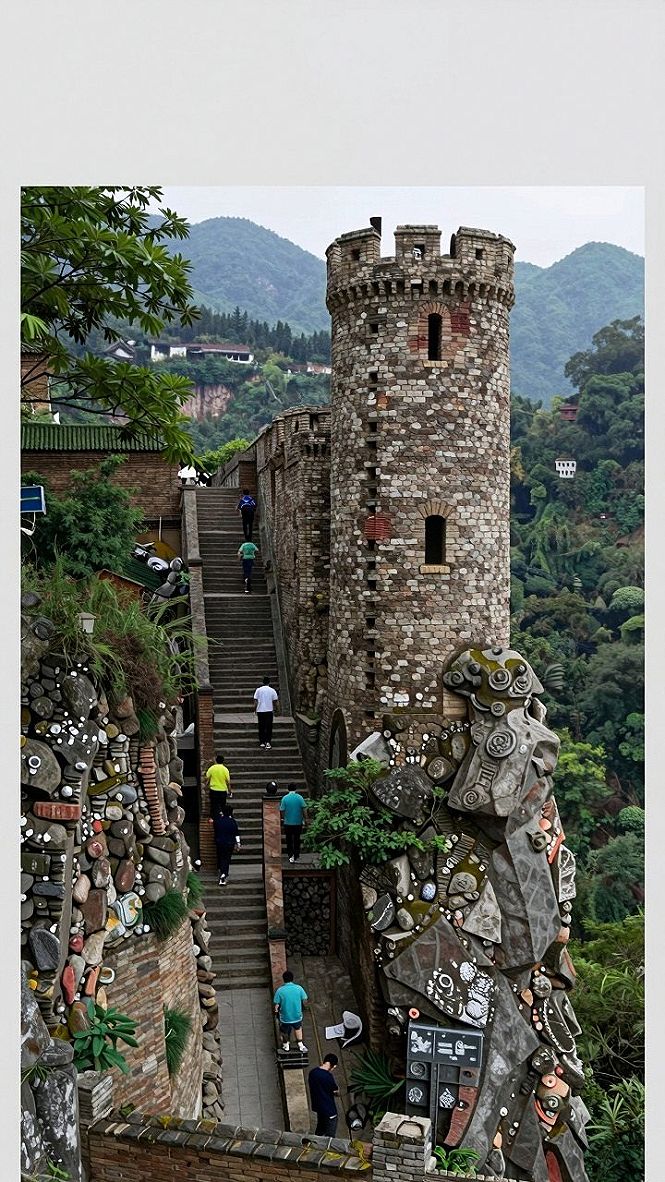
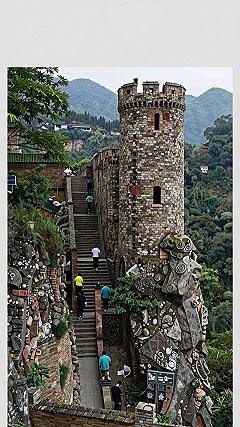
Building vertical stone structures on high inclines works well because it uses natural geography for defense and stability. Anchoring heavy masonry into rocky terrain creates a lasting fortress that withstands weather over centuries. This design method ensures the architecture feels connected to the land rather than sitting on top of it.
Planning a visit to mountainous historical sites suits travelers who enjoy active walking tours and rich history. You can expect long stone staircases and uneven pathways that connect different levels of the site. Wear sturdy footwear and plan your schedule to allow plenty of time for climbing between observation towers.
#3 Selecting Trees To Complement Your Historic Castle Views
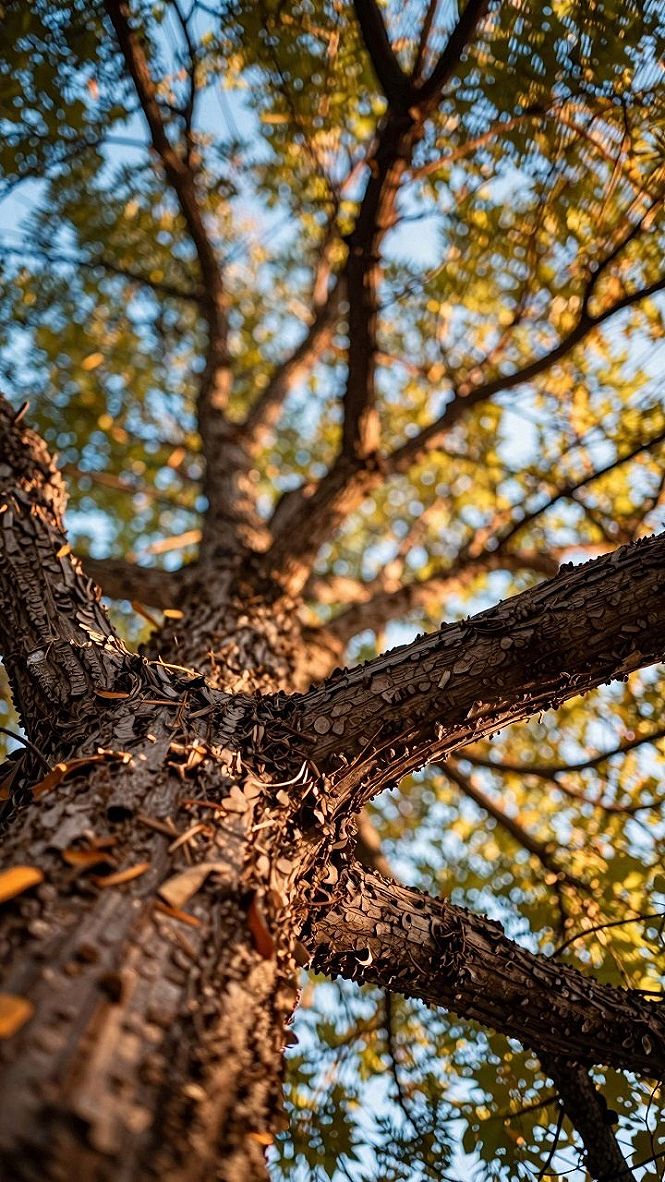
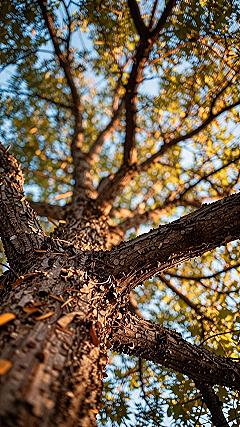
When you want to frame a hillside fortress or an ancient castle in fog, picking the right tree species makes all the difference. Look for native varieties with strong branch structures and weathered bark that match the rustic feel of old stone walls. Deciduous trees work well because they let more light through during the winter months, helping you maintain clear sightlines.
If you are working with a smaller yard or limited budget, choose slower-growing dwarf trees that will not block your architectural views as they mature. You can easily adjust your planting plan based on soil type and local moisture levels. Native saplings usually need less upkeep over time, saving you money while keeping your landscape looking natural and established.
Which style is calling your name?
#4 Maintaining Stone Pathways Around Historic Hillside Fortifications
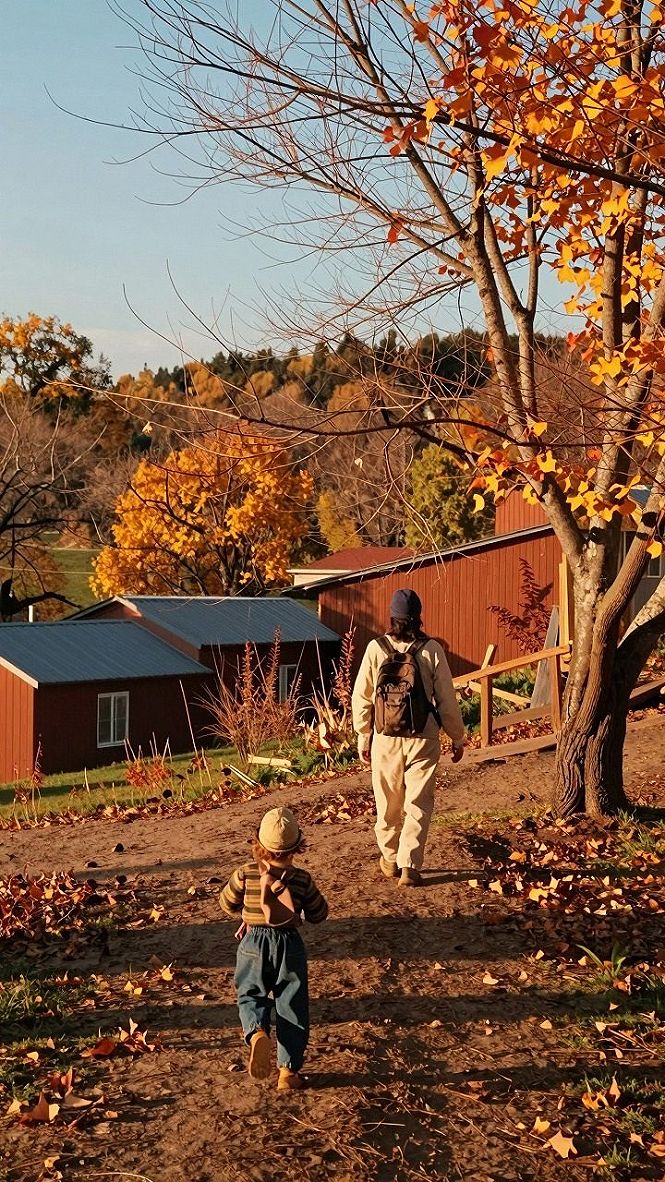
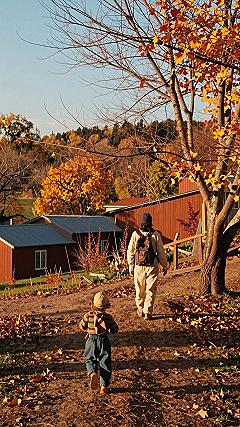
Keeping stone walkways clear of moss and damp soil helps prevent slipping hazards during wet autumn weather. Regular sweeping removes decaying leaves before they trap moisture against ancient masonry, which protects the stone from frost damage as temperatures drop.
When clearing paths near historic sites, use stiff bristle brushes instead of harsh metal scrapers to avoid damaging old mortar joints. Applying a breathable natural sealant can also help keep moisture out of the stone while maintaining a rustic look.
#5 Designing Lush Green Roofs For Your Mountain Home
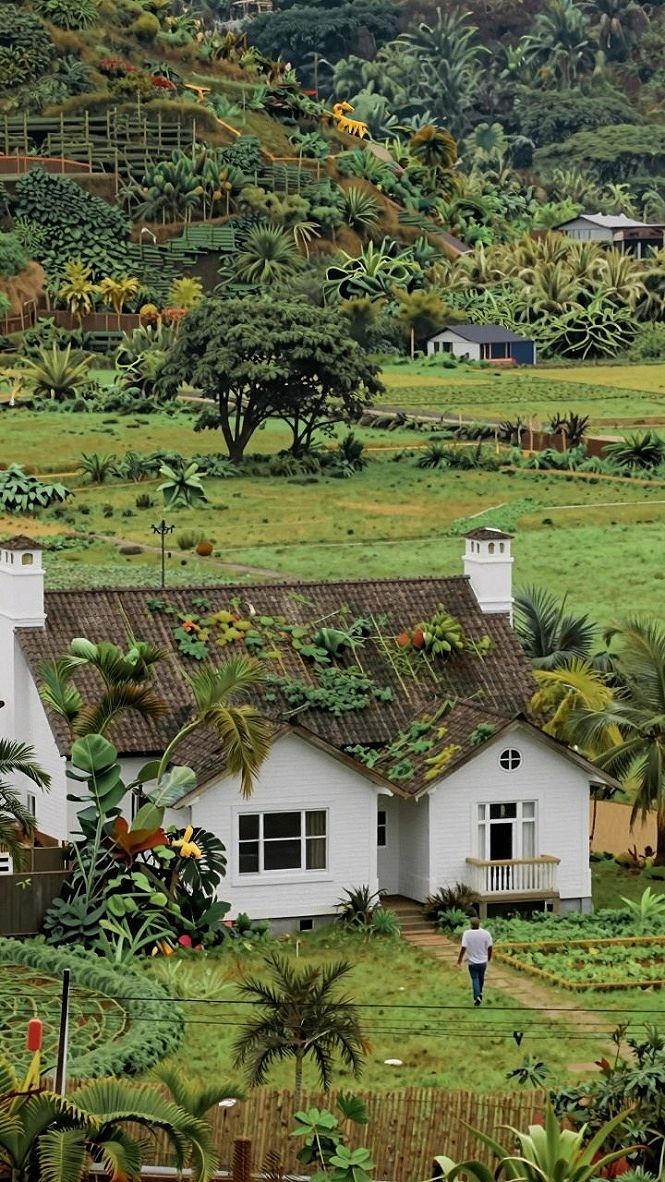
I really recommend adding a living green roof to your hillside property because it helps your home blend naturally with the surrounding landscape. Planting hardy local grasses and small shrubs on top of your house also provides great natural insulation, keeping indoor temperatures comfortable year-round while managing rainwater runoff in a very smart way.
If a full living roof feels like too much work, you can always start smaller with potted rooftop herbs or hardy trailing vines near your balcony. This lets you enjoy the same organic look without needing major structural updates to your roof rafters.
What's Your Style Personality?
Tap the look that speaks to you most:
Leave a Comment