Simple Guide For Raised Garden Beds Beginner And Trellis Ideas
Growing your own food is a rewarding project when you start with a solid setup. A raised garden beds beginner guide helps you map out sunny spots and healthy soil without feeling overwhelmed by yard work.
Smart planning often relies on clever raised garden trellis ideas to save space and keep climbing plants healthy. Adding simple garden bed trellis ideas early in the season stops vines from sprawling across pathways.
Many growers look for vegetable garden trellis ideas that fit standard timber frames. Building a sturdy diy garden bed trellis takes just a few basic tools and simple materials from the local hardware store.
Smart raised bed trellis ideas turn empty vertical space into productive growing zones. Finding the right trellis for raised garden beds makes harvesting much easier and keeps heavy leaves off damp dirt.
Every successful cucumber garden bed needs strong vertical support to produce straight, clean fruit. A well-designed trellis garden vegetable layout ensures plenty of sunlight reaches every single vine as it climbs upward.
#1 Adding Wire Trellises To Wooden Raised Beds
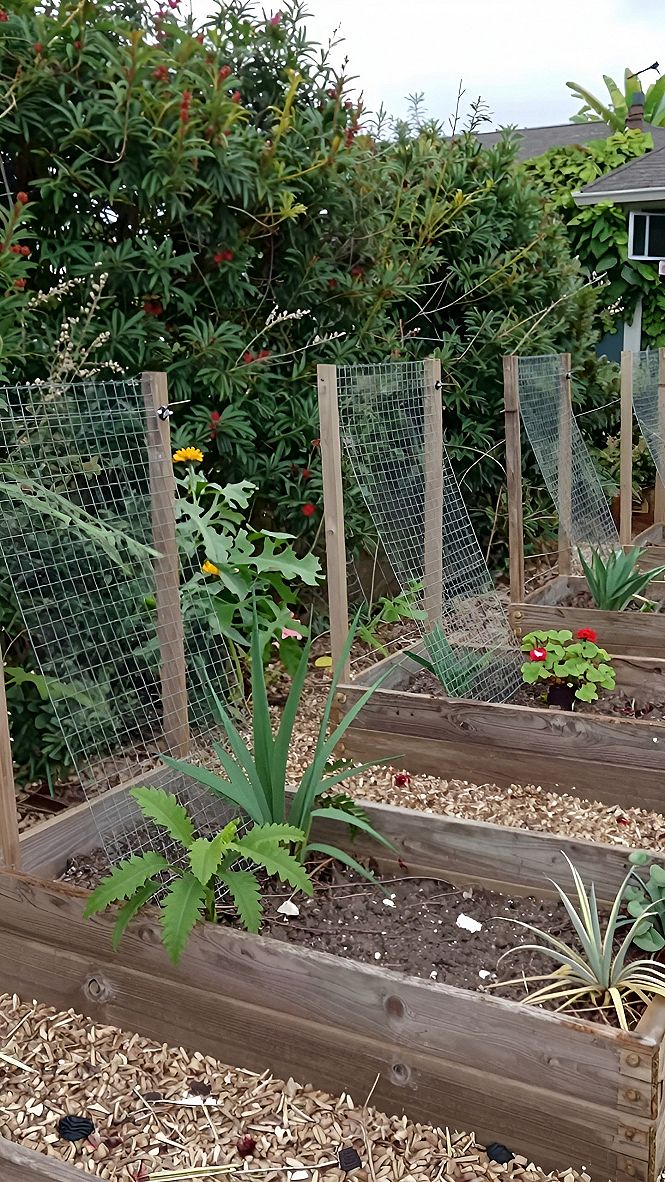
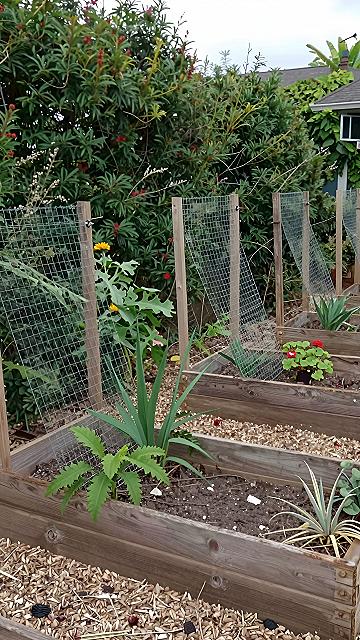
A wire mesh trellis attached directly to a wooden raised bed gives climbing plants sturdy support. This setup uses simple metal wire panels secured between wooden posts to help vegetables grow upward. Keeping vines off the soil prevents rot and saves valuable ground space inside your garden boxes.
When building this style of support, make sure to attach the wire panels securely before filling your beds with soil. Choose galvanized wire so it resists rust from watering and rain. Position the trellises on the north side of your planting boxes so taller climbing vines do not block sunlight from reaching shorter crops.
#2 Using Metal Fence Panels As Sturdy Garden Trellises
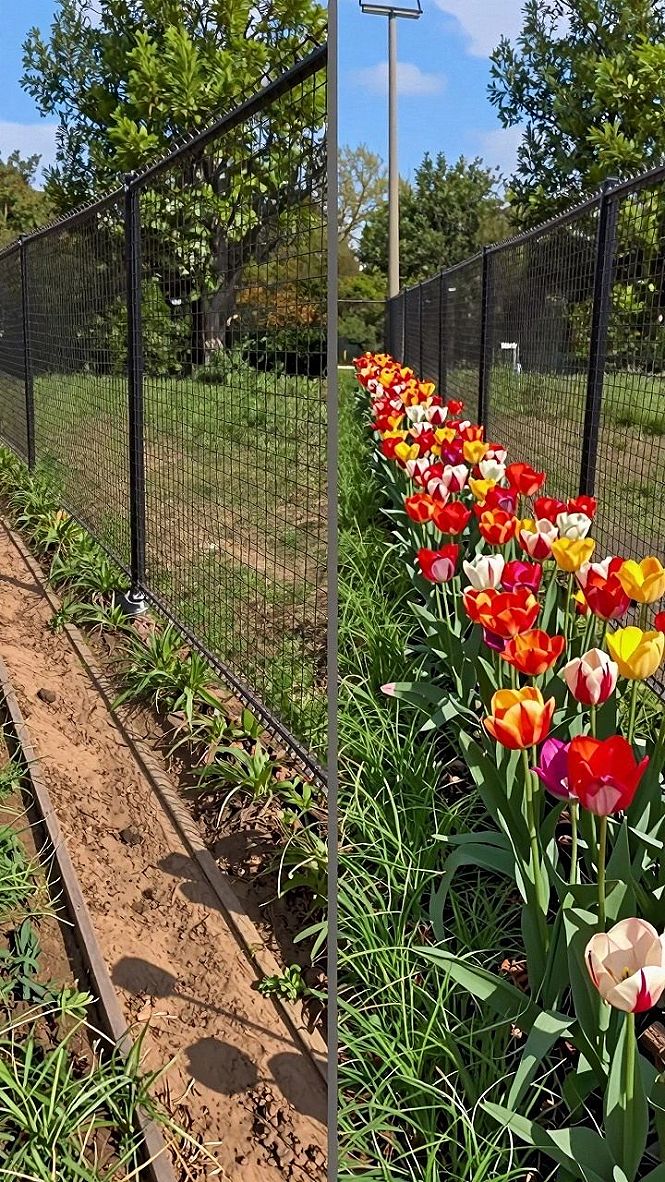
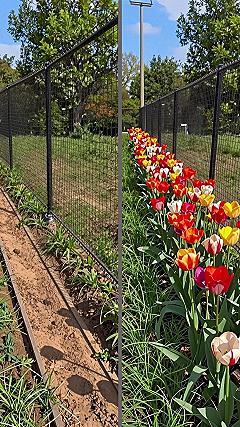
Installing metal fence panels as vertical supports works well because they offer heavy-duty strength without blocking sunlight. This method easily handles vigorous climbing plants like beans and squash. The open wire grid gives vines plenty of strong points to grip naturally as they grow upward.
This approach suits gardeners working with long garden beds who want a clean, organized look. It proves especially useful in windy areas where traditional wooden structures might wobble or fail. You can expect a reliable, long-lasting setup that keeps your heavy climbing crops safe and productive all season.
#3 Choosing A Tiered Plant Stand For Vertical Growing
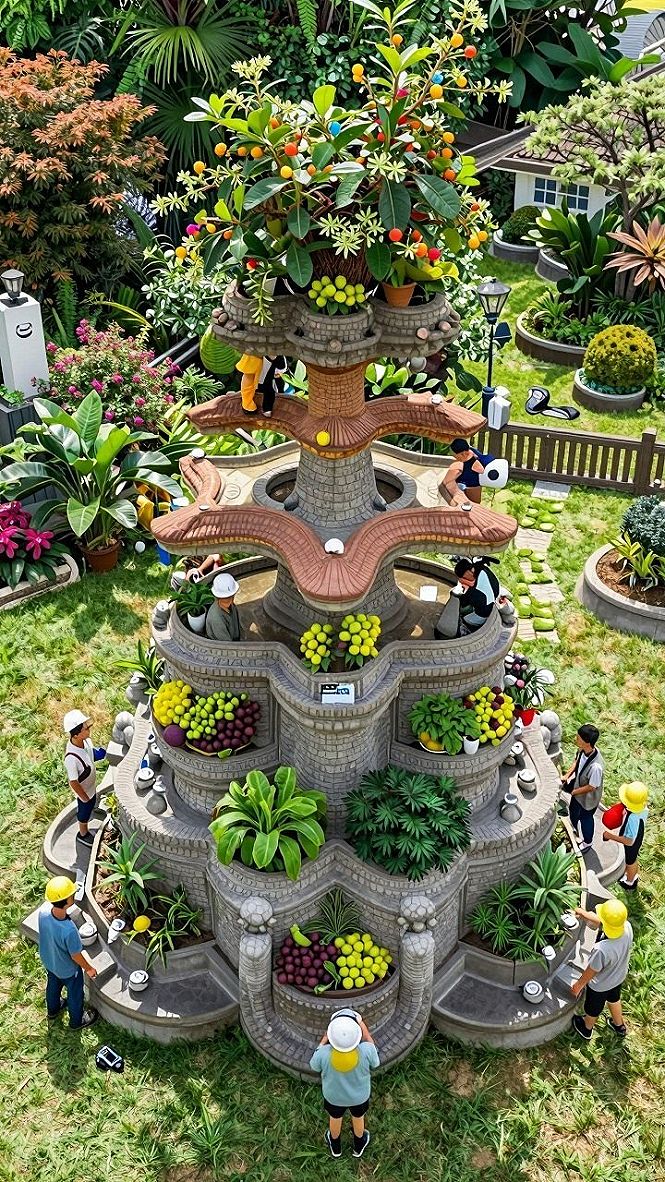
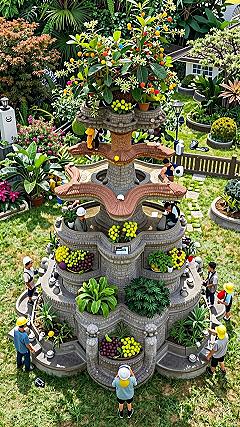
When you want to grow more in a tight space, picking the right tiered planter is the main choice you need to make. A multi-level stone or brick structure lets you stack different crops vertically, keeping berries and leafy greens off the ground while maximizing your sunlight exposure.
You can easily customize this setup by matching tier heights to your specific crops, placing heavy vining plants on lower levels with sturdy stakes or trellises nearby. If stone is too heavy for your patio, look for modular plastic or wooden stackable planters that offer the same vertical layout with less effort.
Which style is calling your name?
#4 Adding Protection Tunnels To Raised Garden Beds
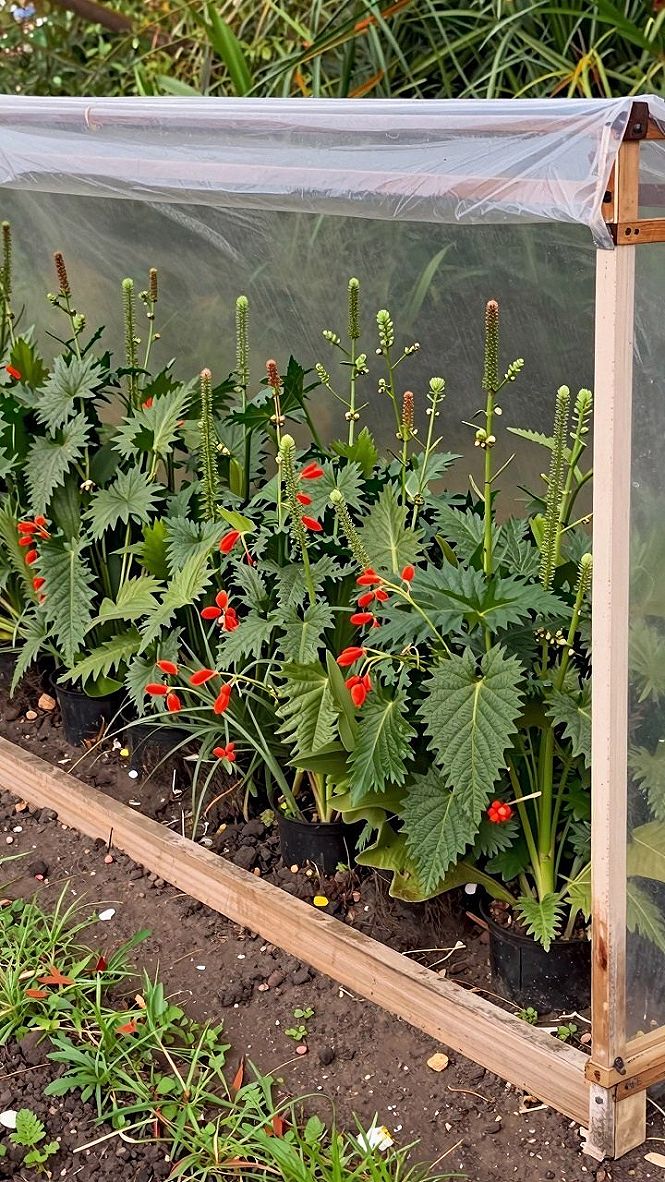
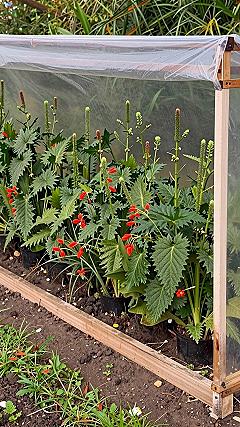
Building a simple plastic cover frame helps protect young plants from cold wind and heavy rain. Securing the clear sheeting tightly over a sturdy wooden frame keeps warmth inside while letting sunlight reach your crops. This extra layer extends your growing season and keeps delicate seedlings safe during early spring frosts.
Make sure to check the interior moisture levels regularly, as covered beds can trap heat and dry out faster than open soil. Roll up the plastic sides on warm days to let fresh air circulate and prevent fungal issues. Taking time to adjust the ventilation keeps your plants healthy and strong all season long.
#5 Building A Free Standing A Frame Garden Trellis
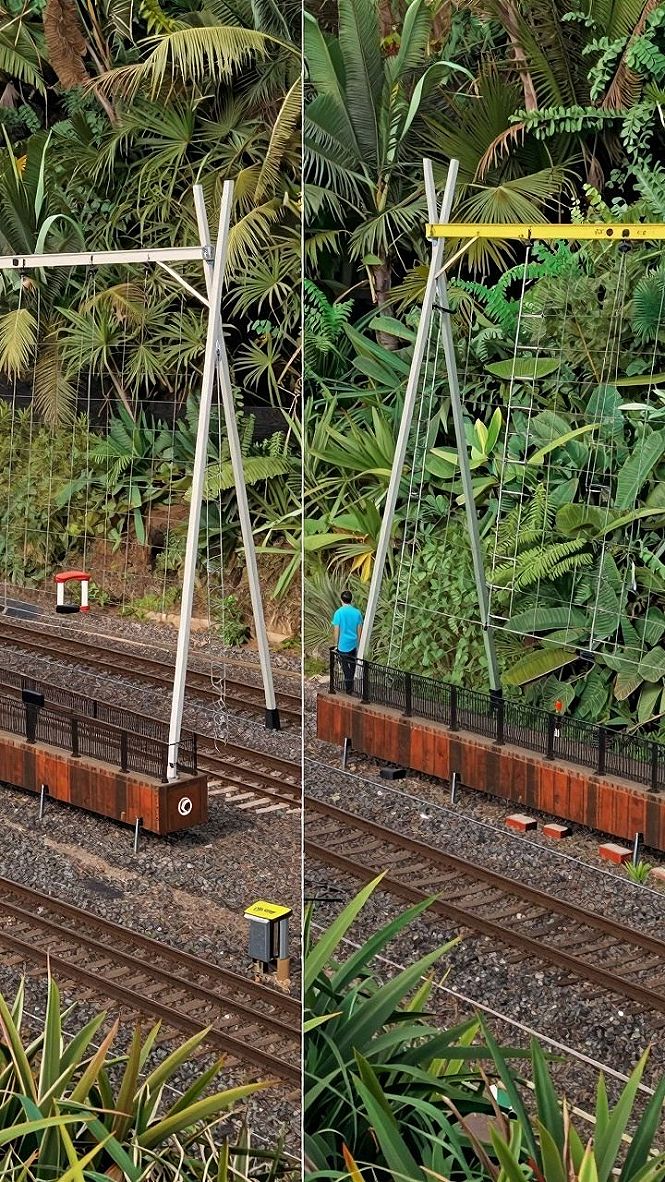
If you want to support heavy vining crops without attaching anything directly to your garden beds, an A-frame support is a great choice. This design stands firmly on its own and gives climbing vegetables like beans or squash plenty of room to scramble upward. It also creates a shady pocket underneath where you can grow delicate greens.
You can build one of these sturdy supports using simple timber posts and some heavy-duty netting or twine strung between them. If you prefer a smaller footprint, you might try a narrower triangular lean-to shape instead. Just make sure the base is anchored securely so it can handle the weight of mature plants laden with fruit.
What's Your Style Personality?
Tap the look that speaks to you most:
Leave a Comment