Small Room Concept: Study Desk For Small Room & Study Corner Table
Setting up a functional workspace in a compact area brings a sense of calm and daily productivity to any home. A well-designed compact layout makes even the tightest corner feel open and completely intentional.
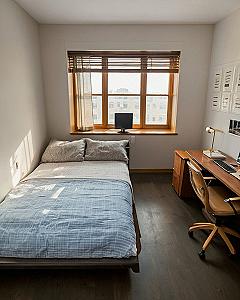
The most useful principle for a successful tiny workspace is keeping everything within easy reach while maintaining clear desktop surfaces. When vertical space does double duty, floor clutter disappears instantly.
A common mistake is trying to crowd oversized furniture into a narrow room without measuring the walkways first. Simple planning prevents cramped pathways and keeps the atmosphere airy.
Different room layouts call for tailored desk shapes and creative shelving setups to match specific storage habits. A corner table solves awkward angles, while wall-mounted options keep floors totally clear.
Let us look at a few smart ways to arrange your own compact study area starting with a complete overview of the layout.
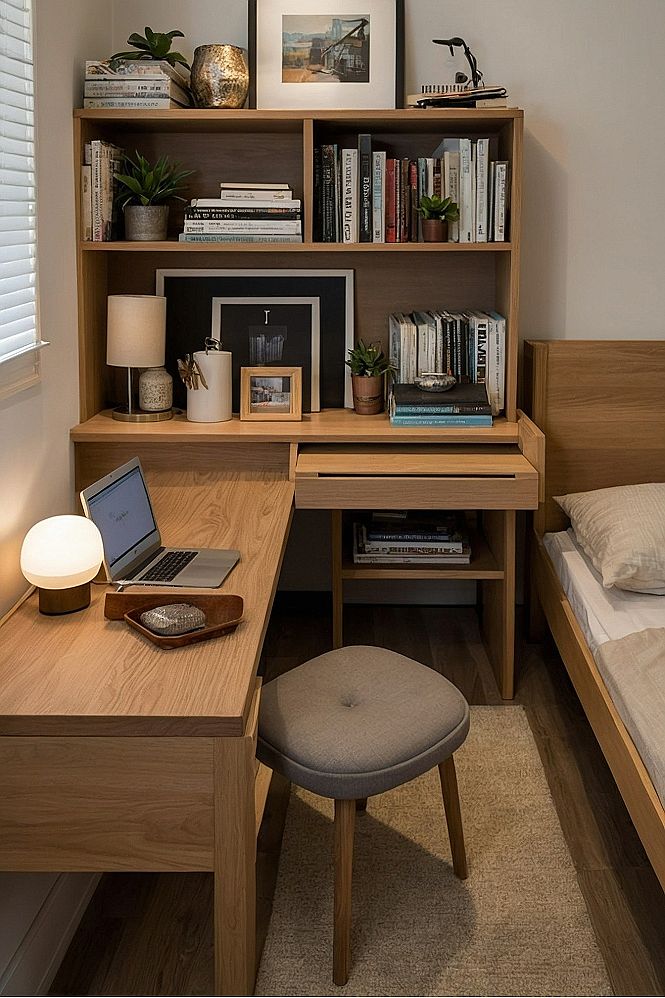
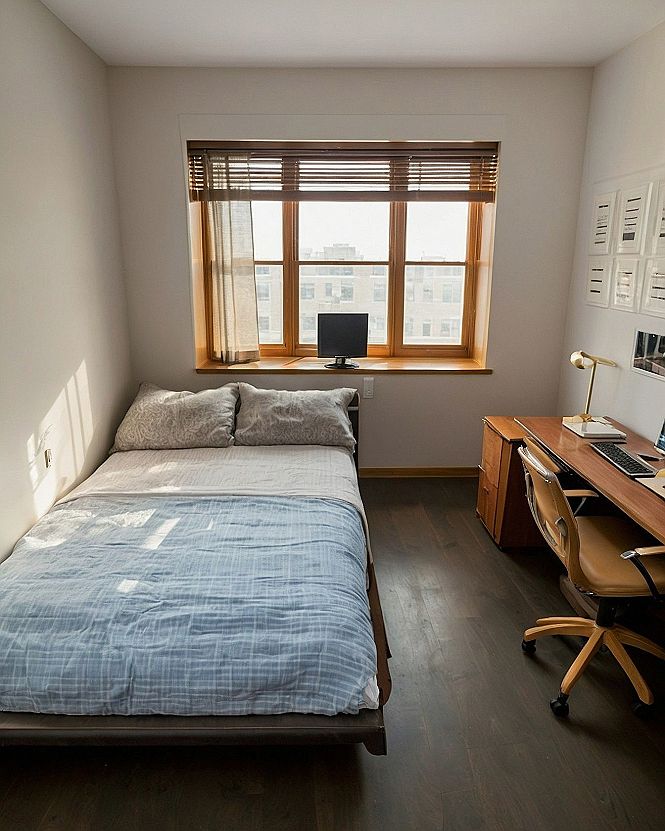
#3 Choosing A Compact Wooden Desk With Built-In Shelves
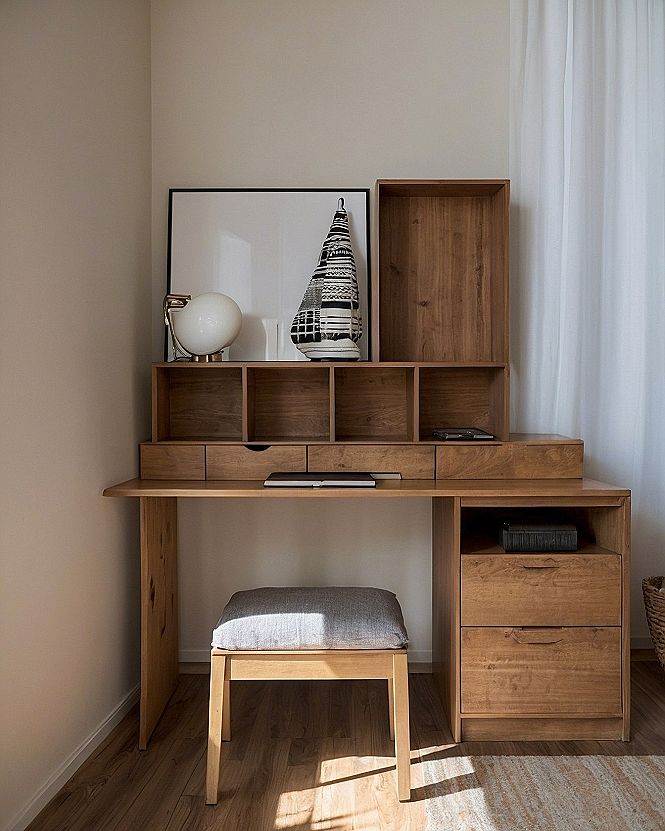
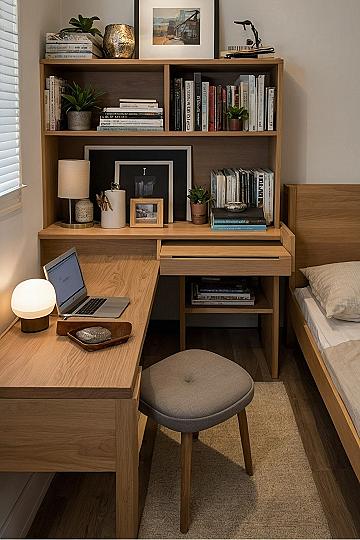
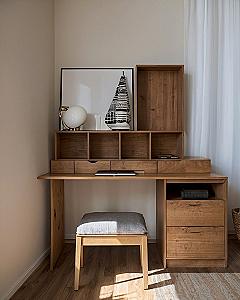
When you need to maximize limited square footage, picking the right wooden desk with attached shelving is the main decision you will face. Look for a unit that combines a flat writing surface with vertical cubbies and drawers. This smart layout keeps your books and supplies off the main work area, ensuring your small room stays organized and clutter-free.
You can easily customize this setup to fit your budget and style by shopping for modular components or flat-pack options that match your existing room decor. If you want a warmer tone, solid oak or walnut finishes work well. For tighter spots, lighter pine or painted wood can keep the corner feeling open and airy.
Which style is calling your name?
#4 Utilizing Nook Spaces For A Built-In Study Corner
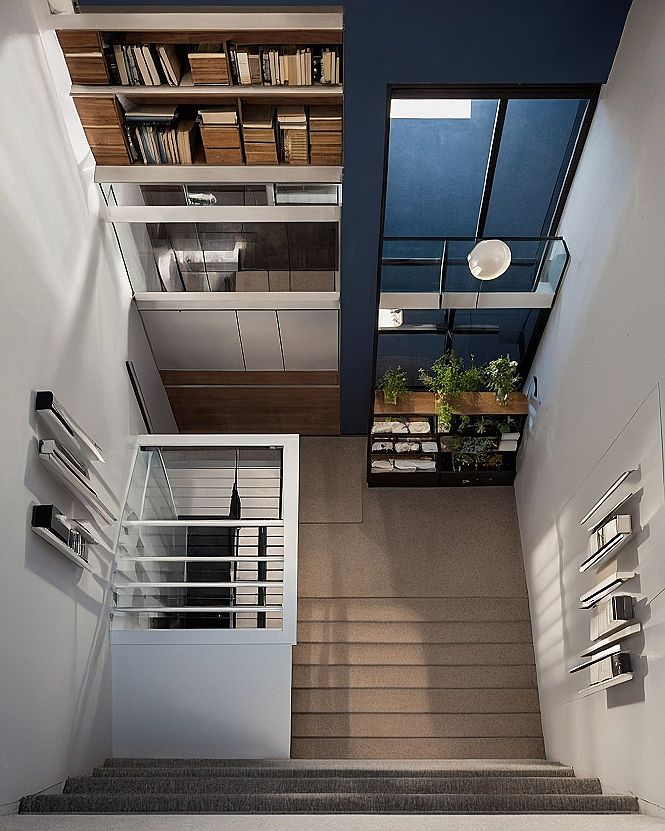
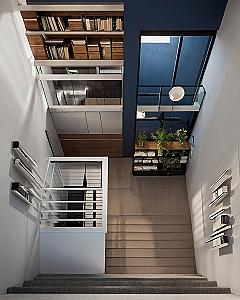
Carving out a compact study desk in an underused transitional zone helps maximize every square inch of your home. By anchoring a slim tabletop directly into a recessed wall or hallway alcove, you create a dedicated workspace that stays completely out of major traffic paths. This smart placement keeps your desk tidy and prevents clutter from spilling over into your main living areas.
Keep your built-in study corner looking neat by managing cords effectively. Install a small cable grommet on the desktop to route wires down safely, and attach a power strip underneath the surface to keep floors clear. Regularly wipe down the wooden or laminate surfaces with a damp cloth to remove dust, protecting your compact furniture investment for the long run.
#5 Maximizing Space With A Floating Corner Study Table
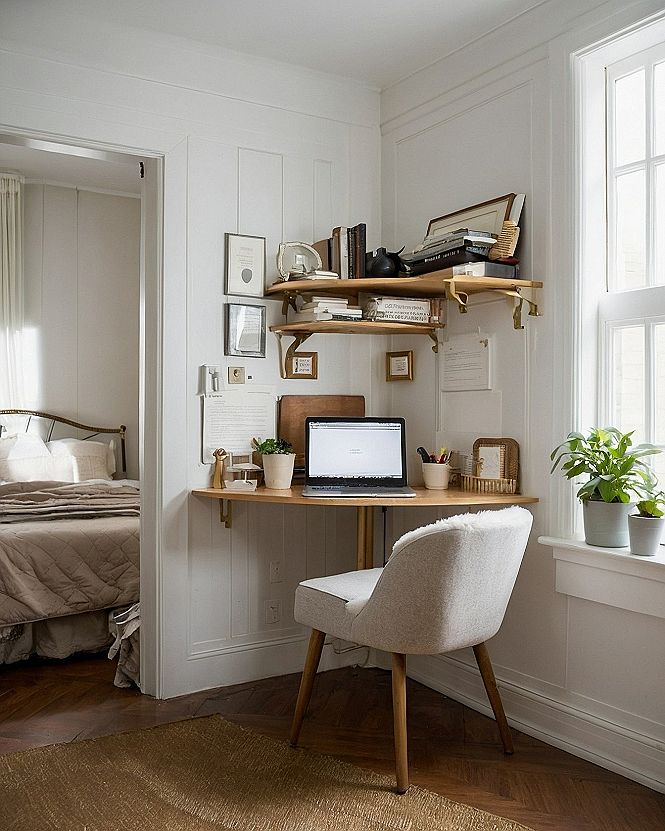
If you want to keep floor space completely clear, I really recommend installing a floating corner study table. By mounting the work surface directly to the walls, you remove the need for bulky table legs. This simple layout trick makes a small room feel much more open while giving you a stable spot to place a laptop and notebooks.
If drilling into the walls is not an option for you, a triangular wedge desk with a single support leg is a great alternative. It fits snugly into the exact same spot and still leaves plenty of room around the chair. Just make sure to measure your wall angles carefully before buying so the furniture fits correctly.
What's Your Style Personality?
Tap the look that speaks to you most:
Leave a Comment