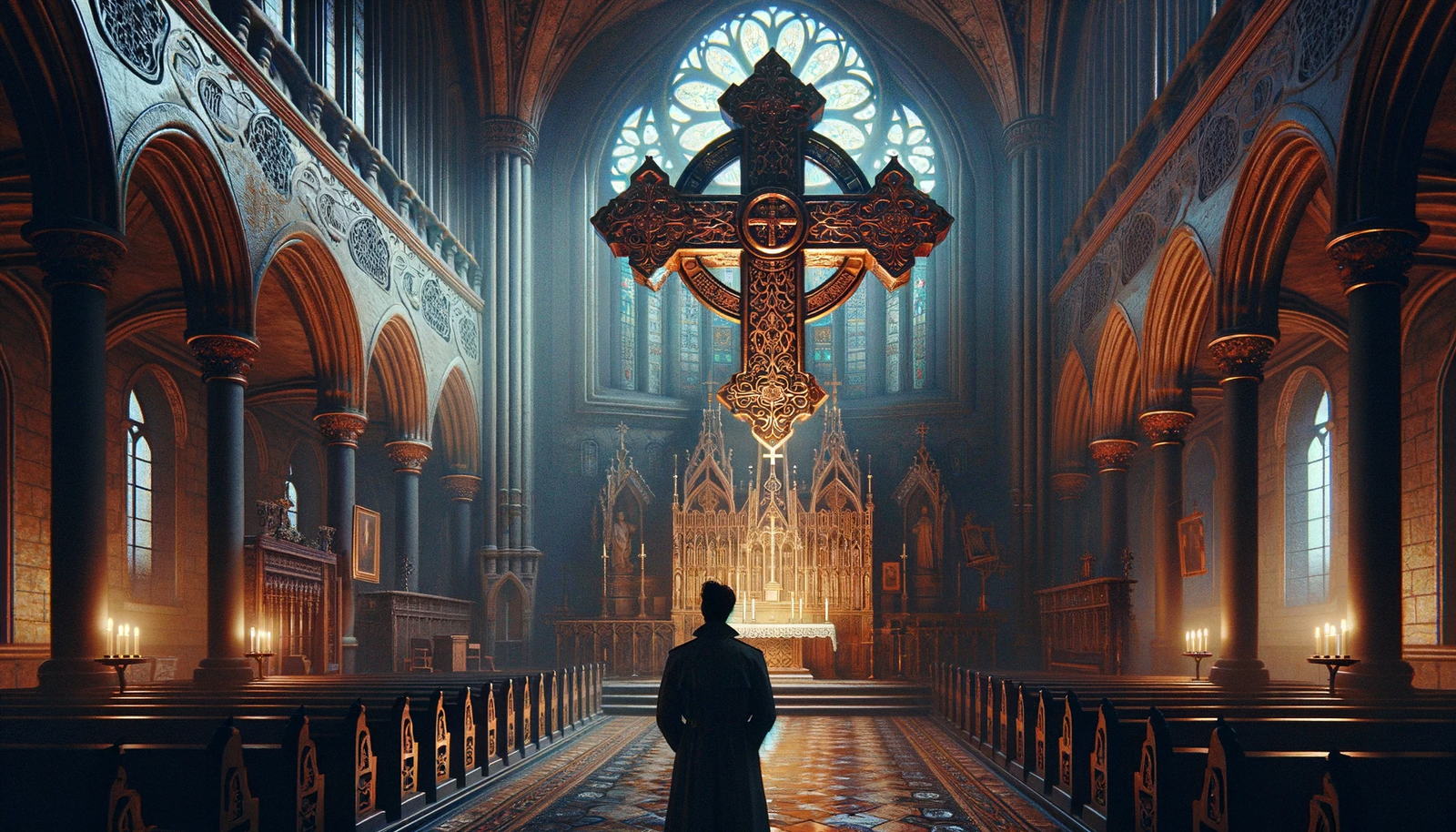
Unlocking the Mysteries: Exploring the Spiritual Meaning Behind Your Headaches

The Mind-Body Connection: Unraveling the Enigma

Headaches, oh headaches! They come uninvited and disrupt our daily lives. We pop pills, apply cold compresses, and pray for relief. But have you ever stopped to wonder if there could be a deeper meaning behind these throbbing nuisances?

Science tells us that headaches are caused by various factors such as stress, dehydration, or even certain foods. But what if there’s more to it? What if headaches are not just physical ailments, but messages from our spiritual selves?

Let’s dive into the mystical realm and explore the spiritual meaning behind your headaches. Brace yourself, because we’re about to unlock some mind-bending secrets!

The Third Eye: A Gateway to Spiritual Insights

Have you ever heard of the third eye? No, it’s not a mythical creature or a fancy metaphor. It’s an actual energy center located between your eyebrows. According to ancient wisdom, this mystical chakra is associated with intuition, wisdom, and spiritual insights.

When your third eye is blocked or imbalanced, it can manifest as a headache. It’s like a cosmic alarm clock, trying to wake you up to the deeper truths of your existence. So, the next time you feel a headache creeping in, ask yourself, “Am I ignoring my intuition? Am I resisting the spiritual guidance that is trying to reach me?”

By acknowledging the presence of your third eye and nurturing its energy, you might find that your headaches become less frequent or even disappear altogether.

The Weight of Emotional Baggage

Our emotions play a significant role in our physical well-being. When we suppress or ignore our feelings, they can manifest as physical symptoms, including headaches. Think of your headache as a gentle nudge from the universe, urging you to release the emotional baggage you’ve been carrying around.

Take a moment to reflect on your current emotional state. Are you bottling up anger, sadness, or fear? Are you holding onto grudges or past traumas? These unresolved emotions could be the root cause of your headaches.

Give yourself permission to feel and express your emotions in a healthy way. Seek support from loved ones or consider speaking with a therapist. As you release the weight of your emotional baggage, you might find that your headaches dissipate, making room for a lighter, more peaceful existence.

The Power of Self-Care and Balance

In our fast-paced world, self-care often takes a backseat. We neglect our physical, emotional, and spiritual needs, and our bodies respond with headaches to get our attention.

Consider your lifestyle and daily routine. Are you constantly pushing yourself to the limit? Are you neglecting your own well-being in favor of meeting others’ expectations?

It’s time to prioritize self-care and find balance in your life. Incorporate activities that nourish your mind, body, and soul. Engage in meditation, yoga, or other practices that promote relaxation and inner peace. By making self-care a priority, you’ll not only alleviate your headaches but also enhance your overall well-being.

Breaking Free from Limiting Beliefs

Our thoughts have immense power over our reality. If you constantly find yourself trapped in negative thinking patterns or limiting beliefs, it’s no wonder your head is pounding with pain.

Take a moment to examine your beliefs about yourself, others, and the world around you. Are they serving you or holding you back? Are you carrying beliefs that no longer resonate with your true essence?

Challenge those limiting beliefs and replace them with empowering ones. Affirmations, visualizations, and positive self-talk can help rewire your mind and release the grip of those headache-inducing thoughts.

Conclusion

Next time a headache comes knocking at your door, don’t just reach for the painkillers. Pause for a moment and explore the deeper meaning behind your discomfort. Your headache might just be a spiritual wake-up call, urging you to pay attention to your intuition, emotions, self-care, and beliefs.

Embrace the journey of self-discovery and let your headaches become stepping stones towards a more enlightened and fulfilling life. Remember, the mysteries of the universe are waiting to be unlocked, one headache at a time.


10 Stunning iPhone Wallpapers That Will Transform Your Phone’s Look Instantly!

In the dynamic world of smartphone customization, iPhone wallpapers have emerged as a game-changer, offering an instant makeover for your beloved device. They’re not just background images; they’re a reflection of your personality, mood, and style. This article dives into the diverse universe of iPhone wallpapers, showcasing designs that cater to every taste, from the minimalist lover to the abstract art enthusiast. Whether you’re looking to refresh your screen with seasonal trends or timeless classics, the right wallpaper can elevate your iPhone experience to a whole new level.

The allure of iPhone wallpapers lies in their ability to blend aesthetic appeal with personal expression. With the vast array of options available, selecting the perfect backdrop becomes an adventure in itself. We’ve scoured the digital landscape to bring you a curated collection of the most captivating iPhone wallpapers. These selections are more than just visually stunning; they’re designed to complement the sleek design of your iPhone, ensuring that your screen not only looks good but feels harmoniously integrated with the device’s sophisticated architecture.

From breathtaking landscapes that transport you to another world to intricate patterns that mesmerize, each wallpaper in our collection has been handpicked for its unique appeal. We understand that changing your wallpaper is a small yet significant way to keep your daily tech interactions fresh and exciting. That’s why we’ve included a variety of categories to suit every mood and occasion. Whether you’re in the mood for vibrant colors to brighten your day or a calming nature scene to soothe your mind, you’ll find an iPhone wallpaper that resonates with you.

As we delve into the world of iPhone wallpapers, we’ll also share some tips on how to select and apply these digital masterpieces for optimal visual impact. Our guide will ensure that you’re not just choosing a wallpaper but also enhancing your iPhone’s overall user experience. So, let’s embark on this visual journey and discover how a simple change of wallpaper can breathe new life into your iPhone, making every swipe and tap a more delightful experience. Prepare to be inspired and find the perfect backdrop that speaks to your heart and elevates your iPhone’s aesthetic appeal!

#1

3 MB

#2

4 MB

#3

4 MB

#4

2 MB

#5

3 MB

#6

2 MB

#7

3 MB

#8

3 MB

#9

3 MB

#10

4 MB

Festive Outdoor Christmas Decor Ideas That Will Light Up Your Neighborhood.

As the holiday season approaches, the spirit of Christmas starts to fill the air, bringing with it a sense of joy, togetherness, and, of course, the excitement of decorating. Outdoor Christmas decorations are more than just adornments; they are a heartfelt expression of festive cheer and warmth. In this article, we delve into an array of “Festive Outdoor Christmas Decor Ideas That Will Light Up Your Neighborhood”, transforming your home into a winter wonderland that captivates the hearts of onlookers.

The art of outdoor Christmas decorating is a tradition cherished by many, a way to spread happiness and light during the darkest time of the year. From twinkling fairy lights to majestic Christmas trees, these decor ideas are not just visually stunning but also a symbol of the festive spirit that unites communities. Whether you prefer a classic, elegant look or a more playful, whimsical style, our guide is packed with creative ideas to suit every taste.

In recent years, outdoor Christmas decorations have evolved, embracing new trends and technologies while maintaining the timeless charm of the season. We will explore how you can blend traditional elements with contemporary designs to create a unique and enchanting display. Our tips and tricks will help you navigate through the vast choices of lights, ornaments, and themes to find the perfect combination that reflects your personal style and brings joy to your neighborhood.

As we embark on this festive journey, remember that the key to a successful outdoor Christmas display lies in thoughtful planning and a sprinkle of creativity. From the classic glow of string lights to innovative digital displays, our “Festive Outdoor Christmas Decor Ideas That Will Light Up Your Neighborhood” will inspire you to transform your outdoor space into a magical Christmas haven that will be the talk of the town.

A Fascinating Description of Angels in the Bible Revealed!

The Heavenly Beings: Angels in the Bible

When it comes to celestial creatures, angels are the crème de la crème. These divine beings have fascinated humanity for centuries, appearing in various religious texts and folklore. In the Bible, angels play a significant role, serving as messengers, protectors, and even warriors. Let’s dive into the captivating world of angels and uncover their mesmerizing descriptions in the Bible.

1. Angelic Origins: Created by God

According to the Bible, angels are heavenly beings created by God. They are not human, but rather spiritual entities, existing in a realm beyond our earthly comprehension. These celestial messengers are often depicted as beings of pure light, radiating with divine power and wisdom.

Angels are not bound by the limitations of time and space, allowing them to traverse between heaven and earth effortlessly. Their purpose is to carry out God’s will and assist humans in their spiritual journey.

While the Bible doesn’t provide an exact number, it mentions countless angels, forming a heavenly host that worships and serves God.

2. Angelic Hierarchy: Seraphim, Cherubim, and More

Within the angelic realm, there exists a hierarchical structure. The Bible mentions several orders of angels, each with its unique role and characteristics.

The Seraphim are the highest-ranking angels, described as six-winged beings who surround God’s throne, praising Him incessantly. They are known for their intense devotion and burning desire to be in the presence of God.

The Cherubim, often depicted as winged creatures with multiple faces, guard the entrance to the Garden of Eden after Adam and Eve’s expulsion. They symbolize divine protection and knowledge.

Other orders of angels mentioned in the Bible include Archangels, such as Michael and Gabriel, who play crucial roles in delivering important messages from God to humans. Additionally, there are principalities, powers, and dominions, each with their specific responsibilities within the heavenly hierarchy.

3. Messengers of God: Delivering Divine Missions

Angels are frequently portrayed as messengers in the Bible, delivering important revelations and instructions from God to humans. Their appearances often leave mortals in awe and wonder, as they radiate with heavenly glory.

One of the most well-known angelic encounters is found in the story of Mary, the mother of Jesus. The angel Gabriel visits Mary to announce that she will conceive a child through the Holy Spirit. This divine message heralds the birth of Jesus, the central figure of Christianity.

Angels also play a pivotal role in the story of the birth of Jesus, appearing to shepherds to proclaim the good news. They fill the sky with their radiant presence, singing praises to God and guiding the shepherds to the humble manger.

4. Protectors and Guardians: Shielding Humanity

Another fascinating aspect of angels in the Bible is their role as protectors and guardians of humanity. They are often portrayed as warriors, defending God’s people against evil forces.

In the book of Daniel, the prophet is thrown into a den of lions as punishment for his faith. However, an angel appears and shuts the lions’ mouths, saving Daniel from harm. This miraculous intervention showcases the protective nature of angels and their ability to intervene in the physical world.

Angels are also mentioned as protecting individuals in their daily lives. In Psalm 91, it is written that God will command His angels to guard and protect those who trust in Him.

5. Spiritual Warfare: Angels Battling the Forces of Darkness

The Bible describes angels engaging in spiritual warfare against the forces of darkness. In the book of Revelation, the archangel Michael leads an army of angels in a battle against Satan and his demons.

This cosmic battle portrays angels as mighty warriors, fighting for the triumph of good over evil. It emphasizes the power and authority bestowed upon them by God.

6. Angelic Encounters: Messages of Hope and Guidance

Throughout the Bible, there are numerous accounts of angelic encounters, bringing messages of hope, guidance, and reassurance to individuals in times of need.

One such encounter is found in the story of Elijah, the prophet. Exhausted and discouraged, Elijah lies down under a tree, ready to give up. However, an angel appears and provides him with food and water, giving him the strength to continue his journey.

These encounters serve as a reminder that angels are not distant celestial beings but are actively involved in the lives of humans, offering comfort and support when it is most needed.

In Conclusion

The descriptions of angels in the Bible reveal a fascinating world of celestial beings. From their heavenly origins and hierarchical structure to their roles as messengers, protectors, and warriors, angels play an integral part in the biblical narrative.

Whether delivering divine missions, shielding humanity, engaging in spiritual warfare, or providing messages of hope, angels embody the awe-inspiring power and love of God. Their presence in the Bible serves as a testament to the intricate relationship between the divine and the human.

So, the next time you come across an angelic reference in the Bible, take a moment to appreciate the profound significance behind these celestial beings and their captivating descriptions.

Unveiling the Truth: What Does the Bible Really Say About Cremation?

When it comes to the topic of cremation, there are often conflicting opinions and beliefs. Some view it as a practical and respectful way to handle the remains of a loved one, while others see it as a departure from traditional burial practices. But what does the Bible, the ultimate guide for many, have to say about cremation? Let’s dive in and uncover the truth.

1. The Origins of Cremation

While cremation may seem like a modern practice, it actually has ancient roots. Throughout history, various cultures embraced cremation as a way to honor the deceased. In fact, in biblical times, cremation was not uncommon. However, it’s important to note that just because something was practiced in the past doesn’t necessarily make it morally or spiritually right.

2. The Silence of the Bible

When it comes to explicitly addressing cremation, the Bible is surprisingly silent. Nowhere does it explicitly endorse or condemn the act of cremation. This absence of direct instruction leaves room for interpretation and personal beliefs.

3. The Significance of Burial

While the Bible may not specifically address cremation, it does emphasize the importance of burial. In numerous passages, burial is depicted as a respectful and honorable way to handle the deceased. For example, in the Old Testament, Abraham buried his wife Sarah in the Cave of Machpelah, showing reverence and care for her remains.

4. The Symbolism of Ashes

One argument against cremation is that it reduces the body to mere ashes, which some believe undermines the concept of resurrection. However, it’s essential to remember that God is not limited by physical remains. He is capable of resurrecting believers, regardless of whether their bodies were buried or cremated. Ultimately, it is our faith in God’s power that matters, not the state of our earthly remains.

5. Cultural and Personal Considerations

While the Bible may not explicitly endorse or condemn cremation, it’s important to consider cultural and personal factors. Different cultures and individuals have varying beliefs and practices when it comes to handling the deceased. As long as these practices do not contradict biblical teachings or disrespect the dead, they can be considered valid expressions of mourning and remembrance.

6. The Heart of the Matter

When discussing cremation or any other funeral practice, it’s crucial to focus on the heart behind the decision. The Bible consistently emphasizes the importance of love, compassion, and respect for others. Whether one chooses burial or cremation, what matters most is the intention and sincerity behind the choice.

7. The Role of Personal Conviction

Ultimately, the decision regarding cremation is a deeply personal one. It is essential for individuals to seek guidance from God, study the Scriptures, and follow their own convictions. What may be right for one person may not be right for another. As long as the decision is made prayerfully and with a clear conscience, believers can have peace in their choice.

8. The Importance of Compassion

Regardless of our personal beliefs about cremation, it is crucial to approach the topic with compassion and understanding. Grief is a complex and individual experience, and it is not our place to judge or impose our views on others. Instead, let us offer support and comfort to those who have experienced loss, regardless of their chosen method of handling the remains.

9. Honoring the Memory

Ultimately, what matters most is how we honor the memory of our loved ones. Whether through burial or cremation, it is our actions, words, and memories that truly keep their spirit alive. Let us focus on celebrating their life, cherishing their legacy, and finding solace in the hope of eternity.

While the Bible may not provide a clear-cut answer on the topic of cremation, it does offer guidance on how we should approach death, mourning, and the care of the deceased. As believers, it is our responsibility to seek wisdom, show compassion, and respect the personal convictions of others. In the end, what matters most is not the method of disposal but the love and reverence we demonstrate towards those who have passed away.

Final Thoughts

So, the next time you find yourself in a debate about cremation, remember that the Bible may not have a definitive answer. Instead, focus on the principles of love, respect, and compassion that are at the core of our faith. Let us approach this sensitive topic with understanding and grace, honoring the memory of our loved ones in the best way we know how.

Unveiling the Mystery: The Surprising Truth Behind the Meaning of the Upside Down Cross

The Upside Down Cross: A Symbol Shrouded in Mystery

When it comes to symbols, few are as intriguing and controversial as the upside down cross. This inverted version of the traditional Christian cross has long been associated with darkness, evil, and even Satanism. But is there more to this symbol than meets the eye? In this article, we will dig deep into the history, meaning, and misconceptions surrounding the upside down cross, and unveil the surprising truth behind its symbolism.

The Origins: From Saint Peter to Satanic Panic

The origins of the upside down cross can be traced back to Saint Peter, one of the twelve apostles of Jesus Christ. According to Christian tradition, Peter was crucified upside down, as he believed he was unworthy to die in the same manner as Jesus. This act of humility and sacrifice has led to the upside down cross being associated with the concept of Peter’s inverted crucifixion.

However, over the centuries, the meaning of the upside down cross has been twisted and distorted. During the infamous Satanic Panic of the 1980s, the symbol became synonymous with devil worship and black magic. Heavy metal bands and horror movies further perpetuated this association, leading to widespread misconceptions about the true meaning of the upside down cross.

It’s important to note that the upside down cross is not inherently evil or Satanic. Its meaning has been misinterpreted and sensationalized, causing it to be unfairly demonized.

The Upside Down Cross in Popular Culture

Despite its dark reputation, the upside down cross has made its way into popular culture in various forms. It has been featured in music, fashion, and even art. Some artists and musicians have used the symbol to challenge societal norms and provoke thought, rather than to promote evil or Satanic ideologies.

One notable example is the iconic album cover of The Beatles’ “Abbey Road.” The image of John Lennon wearing a white suit and flashing an upside down peace sign has become an enduring symbol of counterculture and rebellion. This subversion of the traditional peace sign with an upside down cross adds an extra layer of meaning, challenging the viewer to question established beliefs and norms.

The Upside Down Cross as a Personal Symbol

For some individuals, the upside down cross holds a deeply personal meaning that goes beyond its cultural associations. It can be seen as a symbol of questioning authority, challenging dogma, or embracing individuality. In a world where conformity often reigns supreme, the upside down cross can serve as a reminder to think critically and forge one’s own path.

It’s important to remember that symbols are subjective and can hold different meanings for different people. While some may see the upside down cross as a symbol of rebellion, others may view it as a symbol of personal empowerment or spiritual exploration.

Debunking the Myths: Separating Fact from Fiction

Myth: The Upside Down Cross is Always Associated with Satanism

Contrary to popular belief, the upside down cross is not exclusively associated with Satanism. It is a symbol that has been used throughout history by various cultures and religions, often with different meanings.

In Christianity, for example, the upside down cross can represent the concept of humility and sacrifice, as exemplified by Saint Peter. In some branches of Paganism, the symbol is associated with the Earth element and the feminine divine. These alternative interpretations remind us that symbols are not fixed in meaning and can evolve over time.

Myth: Wearing or Displaying an Upside Down Cross Makes You a Satanist

Wearing or displaying an upside down cross does not automatically make someone a Satanist. It is important to remember that symbols are just that – symbols. They hold meaning only to the extent that we assign to them. Judging someone based solely on the symbol they choose to wear or display is a shallow and misguided approach.

It’s essential to engage in open-minded dialogue and seek understanding rather than jumping to conclusions based on appearances. After all, true knowledge comes from embracing diversity and challenging our preconceived notions.

In Conclusion: A Symbol Beyond Good and Evil

The upside down cross is a symbol that has been shrouded in mystery and misconceptions for centuries. Its association with evil and Satanism has overshadowed its true origins and potential meanings. By delving into its history, examining its use in popular culture, and debunking common myths, we can begin to understand the deeper significance of the upside down cross.

Ultimately, symbols are powerful tools that can evoke a wide range of emotions and interpretations. The upside down cross serves as a reminder that we should approach symbols with an open mind, ready to explore the multifaceted nature of meaning and challenge our own assumptions.

So, the next time you encounter an upside down cross, take a moment to consider the possibilities beyond the surface-level associations. You might just uncover a surprising truth that expands your understanding of the world and the symbols that shape it.

10 Proven Steps to Transform Your Life: How to Become More Spiritual in Today’s World

Welcome to a journey of self-discovery and spiritual growth. In today’s fast-paced and materialistic world, it’s easy to lose touch with our inner selves and the deeper meaning of life. But fear not, because in this article, we will explore 10 proven steps that can help you transform your life and become more spiritual.

1. Set Your Intentions

Begin your spiritual journey by setting clear intentions. Reflect on what you truly desire in life and what brings you joy and fulfillment. Write down your intentions and revisit them regularly to stay focused and motivated.

Start each day by affirming your intentions and visualizing yourself living a more spiritual life. This will help you align your actions with your aspirations and bring about positive changes.

Remember, setting intentions is not about wishing for material possessions or external success. It’s about cultivating inner peace, love, and compassion.

By setting your intentions, you create a roadmap for your spiritual growth and invite the universe to support you on your journey.

2. Practice Mindfulness

Mindfulness is the art of being fully present in the moment, without judgment. It involves paying attention to your thoughts, feelings, and sensations as they arise, without getting caught up in them.

Make mindfulness a daily practice. Set aside a few minutes each day to sit in silence and observe your breath. Notice the thoughts and emotions that arise and let them pass without attachment.

By practicing mindfulness, you cultivate a deep sense of awareness and connect with your inner self. This allows you to make conscious choices and respond to life’s challenges with clarity and compassion.

As you become more mindful, you’ll also start to appreciate the beauty of the present moment and find joy in the simplest of things.

3. Connect with Nature

Spending time in nature is a powerful way to reconnect with your spiritual essence. Take regular walks in the park, go hiking, or simply sit under a tree and observe the beauty around you.

Nature has a way of grounding us and reminding us of our interconnectedness with all living beings. It helps us find peace and solace amidst the chaos of modern life.

When you connect with nature, take the time to appreciate its wonders. Notice the colors, smells, and sounds. Feel the earth beneath your feet and the wind on your skin.

By immersing yourself in nature, you’ll tap into a deep well of spirituality and gain a fresh perspective on life.

4. Cultivate Gratitude

Gratitude is a powerful spiritual practice that can transform your life. Take a moment each day to reflect on the things you are grateful for. It could be as simple as a beautiful sunset or a kind gesture from a friend.

When you cultivate gratitude, you shift your focus from what’s lacking in your life to what’s already abundant. This mindset of abundance opens the door to more blessings and positive experiences.

Express your gratitude by writing in a gratitude journal or simply saying thank you to the universe. As you practice gratitude, you’ll notice a shift in your energy and a greater sense of contentment.

Remember, gratitude is not just about being thankful for the good things in life. It’s also about embracing the challenges and lessons they bring, as they contribute to your spiritual growth.

5. Nurture Your Body, Mind, and Soul

Achieving spiritual growth requires taking care of your whole being. Nurture your body by eating nutritious food, exercising regularly, and getting enough sleep.

Feed your mind by reading spiritual books, attending workshops, or listening to insightful podcasts. Engage in activities that expand your awareness and deepen your understanding of life’s mysteries.

Nurture your soul by engaging in practices that bring you joy and peace. This could be meditation, yoga, painting, or any other activity that resonates with your inner self.

Remember, your body, mind, and soul are interconnected. By nurturing all aspects of your being, you create a strong foundation for your spiritual journey.

6. Practice Compassion and Kindness

Compassion and kindness are at the heart of spirituality. Practice acts of kindness towards yourself and others on a daily basis.

Be gentle with yourself and treat yourself with love and respect. Practice self-care and forgiveness. Celebrate your successes and learn from your mistakes.

Extend your compassion to others by listening with empathy, offering a helping hand, or simply smiling at a stranger. Small acts of kindness can have a profound impact on someone’s life.

Remember, we are all connected, and by practicing compassion and kindness, you contribute to the collective well-being of humanity.

7. Seek Guidance and Support

Embarking on a spiritual journey can sometimes feel overwhelming. Seek guidance and support from like-minded individuals or spiritual teachers.

Join a spiritual community or attend workshops and retreats where you can connect with others who share your aspirations. Surround yourself with people who uplift and inspire you.

Find a mentor or spiritual teacher who can guide you on your path. They can provide valuable insights and help you navigate the challenges that arise along the way.

Remember, you don’t have to walk this path alone. Seek support and surround yourself with a community that supports your spiritual growth.

8. Let Go of Attachments

Attachments to material possessions, relationships, and outcomes can hinder your spiritual growth. Practice letting go of attachments and surrendering to the flow of life.

Detach yourself from the need for external validation and find fulfillment within yourself. Embrace the impermanence of life and trust that everything happens for a reason.

By letting go, you create space for new experiences and opportunities to enter your life. You also free yourself from the burden of expectations and find peace in the present moment.

Remember, true freedom comes from letting go and embracing the beauty of the unknown.

9. Embrace Stillness and Silence

In today’s noisy world, finding moments of stillness and silence is essential for spiritual growth. Create a sacred space in your home where you can retreat and find peace.

Practice meditation or simply sit in silence and observe your breath. Allow your thoughts to come and go without judgment. Embrace the stillness within you.

By embracing stillness and silence, you create a deeper connection with your inner self and tap into the wisdom that resides within you.

Remember, it is in the silence that we find answers to our deepest questions and discover our true essence.

10. Trust the Journey

Finally, trust the journey. Trust that you are exactly where you need to be and that everything is unfolding as it should.

Have faith in yourself and in the universe. Trust that the challenges you face are opportunities for growth and that the universe is supporting your spiritual evolution.

Remember, transformation takes time. Be patient with yourself and celebrate the small victories along the way.

Trust that by following these proven steps, you are on the path to transforming your life and becoming more spiritual in today’s world.

Conclusion

Embarking on a spiritual journey is a deeply personal and transformative experience. By following these 10 proven steps, you can cultivate a more spiritual life and find greater meaning and fulfillment.

Remember, spirituality is not about adhering to a set of rules or beliefs. It’s about connecting with your inner self, embracing your uniqueness, and living in alignment with your true purpose.

So, take the first step today and embark on this beautiful journey of self-discovery and spiritual growth. Your transformation awaits!

The Spiritual Meaning of the Christmas Tree: A Symbol of Joy and Renewal

The Christmas season is a time of joy, love, and celebration. One of the most beloved symbols of this festive season is the Christmas tree. Beyond its beauty and adornments, the Christmas tree holds a deep spiritual meaning that resonates with people around the world.

The Origins of the Christmas Tree

The tradition of decorating trees during winter festivals predates Christianity. Ancient cultures believed that evergreen trees held special powers of protection and fertility. In the 16th century, Christians began incorporating these pagan traditions into their Christmas celebrations, transforming the evergreen tree into a symbol of Christ’s everlasting love and life.

The evergreen tree’s ability to retain its vibrant green color throughout the year symbolizes eternal life. Just as Jesus offers eternal life to those who believe in Him, the Christmas tree serves as a reminder of this divine promise.

Bringing Nature Indoors

Bringing a living tree into our homes during the Christmas season allows us to connect with nature in a unique way. The fresh scent of pine needles and the sight of twinkling lights and ornaments evoke feelings of warmth and comfort.

By inviting nature indoors, we honor the beauty and abundance of the natural world. The Christmas tree reminds us to appreciate the gifts of the earth and to care for the environment, fostering a sense of stewardship for the planet.

A Symbol of Light

The act of adorning the Christmas tree with lights represents the triumph of light over darkness. The darkness of winter is illuminated by the radiant glow of the tree, symbolizing the light of Christ shining in the world.

Each twinkling light represents a beacon of hope, reminding us that even in the darkest times, there is always light and love to guide us. The Christmas tree serves as a reminder to let our own light shine brightly, spreading love and joy to those around us.

Family and Togetherness

Decorating the Christmas tree is often a cherished family tradition. Gathering together to hang ornaments and string lights creates a sense of togetherness and unity.

The Christmas tree becomes a focal point for family gatherings, a place where memories are made and shared. It serves as a reminder of the importance of family and the bonds that hold us together, fostering a sense of love and belonging.

A Tree of Wishes and Blessings

Many families have a tradition of placing special ornaments on the Christmas tree that hold personal significance. These ornaments may represent wishes, blessings, or memories of loved ones.

As we hang these ornaments, we offer our hopes and prayers to the universe. The Christmas tree becomes a sacred space where we can express our deepest desires and gratitude, fostering a sense of spiritual connection and renewal.

The Tree’s Evergreen Symbolism

The evergreen nature of the Christmas tree represents resilience and perseverance. Despite the challenges of winter, the tree remains vibrant and alive.

Just as the tree stands tall and strong, we are reminded to stay rooted in our faith and beliefs, even in the face of adversity. The Christmas tree serves as a symbol of strength and encourages us to embrace the challenges of life with grace and resilience.

A Reminder of Giving

Underneath the Christmas tree, we place gifts for our loved ones. This act of giving reflects the spirit of generosity and selflessness that is central to the Christmas season.

The Christmas tree reminds us to give not only material gifts but also the gift of our time, love, and kindness. It encourages us to extend a helping hand to those in need and to share our blessings with others.

Conclusion

The Christmas tree is more than just a beautiful decoration. It holds a deep spiritual meaning that resonates with people of all faiths and cultures. It represents love, joy, renewal, and the eternal promise of life.

As we gather around the Christmas tree each year, let us remember the spiritual significance it holds and let its beauty and symbolism inspire us to embrace the true spirit of the season.

Transform Your Bedroom into a Winter Wonderland with These Christmas Decor Ideas

As the festive season approaches, the magic of Christmas isn’t just limited to the living room where the tree traditionally stands. This year, why not extend that enchanting holiday spirit to your personal haven? “Transform Your Bedroom into a Winter Wonderland with These Christmas Decor Ideas” is more than just a trendy concept; it’s a journey into a realm of festive tranquility. Imagine falling asleep and waking up in a space that echoes the joy and wonder of the season – a perfect blend of comfort and Christmas charm.


Transforming your bedroom into a winter wonderland doesn’t require a sleigh full of decorations or a snowstorm of glitter. It’s about striking the right balance between cozy and festive, warm and whimsical. Think soft, twinkling fairy lights casting a gentle glow, plush throw blankets in rich, seasonal hues, and delicate snowflake motifs adorning your walls. Each element plays a crucial role in crafting a serene, holiday-inspired retreat.


In this article, we’ll explore a variety of Christmas decor ideas that cater to every style and budget. Whether you prefer a minimalist approach with subtle hints of holiday cheer or a full-on festive explosion with Santa and his reindeer, we’ve got you covered. We’ll guide you through selecting the perfect color palette, choosing the right accessories, and even creating DIY decorations that add a personal touch to your winter wonderland.


So, get ready to deck the halls—or in this case, your bedroom—with an array of captivating Christmas decorations. From elegant garlands to whimsical pillow covers, these ideas are not just about aesthetics; they’re about creating an atmosphere. An atmosphere where the festive spirit lingers in every corner, turning your bedroom into a delightful escape that encapsulates the essence of a magical Christmas.

#1

#2

#3

#4

#5

#6

#7

#8

#9

#10

Preparing Yourself Mentally for the Christmas Season

The Christmas season is often filled with joy, excitement, and festivities. However, it can also bring about stress, overwhelm, and a sense of mental exhaustion. To truly enjoy the holiday season, it is essential to prepare yourself mentally. In this article, we will explore ten effective ways to get ready for Christmas mentally, ensuring a peaceful and joyful holiday experience.

1. Reflect on the True Meaning of Christmas

Amidst the hustle and bustle of the holiday season, it’s easy to forget the true meaning of Christmas. Take some time to reflect on the values that this holiday represents, such as love, gratitude, and compassion. Remind yourself that it’s not about the perfect gifts or decorations, but about spending quality time with loved ones and spreading joy to others.

Consider volunteering at a local charity or organizing a donation drive to help those in need. These acts of kindness will not only benefit others but also bring a sense of fulfillment and purpose to your own life.

2. Set Realistic Expectations

One common source of stress during the Christmas season is having unrealistic expectations. Understand that things may not always go as planned, and that’s okay. Instead of striving for perfection, focus on creating meaningful moments and enjoying the present.

Make a to-do list and prioritize tasks based on their importance. Delegate responsibilities to family members and friends, and remember that it’s okay to ask for help when needed. By setting realistic expectations and sharing the workload, you can avoid unnecessary stress and enjoy the holiday season to the fullest.

3. Practice Self-Care

In the midst of the holiday chaos, it’s crucial to prioritize self-care. Take time for yourself each day to relax and recharge. Engage in activities that bring you joy and help you unwind, such as reading a book, taking a bubble bath, or going for a walk in nature.

Ensure you get enough sleep, eat nourishing foods, and stay hydrated. By taking care of your physical and mental well-being, you’ll have the energy and resilience to navigate the holiday season with ease.

4. Create a Realistic Budget

Financial stress can dampen the holiday spirit. To avoid overspending and financial strain, create a realistic budget for your Christmas expenses. Determine how much you can comfortably afford to spend on gifts, decorations, and other holiday-related expenses.

Consider alternative gift options, such as homemade presents or experiences, which can be more meaningful and budget-friendly. Remember, the value of a gift lies in the thought and effort put into it, not its price tag.

5. Plan Ahead

Proper planning can help alleviate last-minute stress and ensure a smoother holiday season. Make a list of all the tasks you need to accomplish, such as shopping, cooking, and decorating. Break them down into smaller, manageable tasks and assign specific deadlines.

Start early and spread out your tasks over several weeks, rather than leaving everything until the last minute. This will give you more time to enjoy the festivities and reduce the likelihood of feeling overwhelmed.

6. Practice Mindfulness

Mindfulness is the practice of being fully present in the moment and non-judgmentally aware of your thoughts and feelings. Incorporating mindfulness into your daily routine can help reduce stress and increase your overall well-being during the holiday season.

Take a few minutes each day to engage in mindfulness exercises, such as deep breathing, meditation, or simply focusing on the sensations of the present moment. This will help you stay grounded, calm, and appreciative of the little joys that the Christmas season brings.

7. Stay Connected with Loved Ones

The holiday season is a time for connection and togetherness. Make an effort to spend quality time with your loved ones, whether it’s through in-person gatherings, virtual celebrations, or heartfelt phone calls.

Engage in activities that foster connection and create lasting memories, such as baking together, playing games, or watching classic holiday movies. These moments of shared joy will strengthen your relationships and bring a sense of warmth and belonging.

8. Practice Gratitude

Gratitude is a powerful mindset that can transform your experience of the holiday season. Take time each day to reflect on the things you are grateful for, whether it’s the love of your family, the beauty of nature, or the simple pleasures in life.

Express your gratitude to others by writing heartfelt thank-you notes or simply telling them how much they mean to you. Cultivating an attitude of gratitude will shift your focus from what’s lacking to what’s abundant, bringing more joy and contentment into your life.

9. Embrace Imperfections

Perfectionism can be a significant source of stress during the holiday season. Embrace imperfections and let go of the need for everything to be flawless. Remember that the most cherished memories often come from unexpected moments and genuine connections.

Laugh at mishaps, embrace the chaos, and savor the imperfect beauty of the season. By letting go of perfectionism, you’ll create a more relaxed and enjoyable atmosphere for yourself and those around you.

10. Take Time to Rest and Recharge

Lastly, remember to take breaks and prioritize rest during the holiday season. It’s easy to get caught up in the whirlwind of activities, but it’s essential to listen to your body and give yourself the rest you need.

Set aside time for relaxation, whether it’s curling up with a good book, taking a nap, or enjoying a cup of tea by the fireplace. By nurturing your physical and mental well-being, you’ll be able to fully embrace the magic of Christmas.

Conclusion

Preparing yourself mentally for the Christmas season is key to enjoying a peaceful and joyful holiday experience. By reflecting on the true meaning of Christmas, setting realistic expectations, practicing self-care, and embracing imperfections, you can navigate the holiday season with ease and create beautiful memories that will last a lifetime.

Remember, the most precious gift you can give yourself and others during this time is the gift of presence, love, and gratitude. Wishing you a mentally prepared and blissful Christmas season!

Exit mobile version