The Love of Jupiter and Europa: A Tale Beyond Earthly Bounds

Once upon a time in the grandeur of Roman mythology, love would not bow to the constraints of time, place, or form. In this world of wonder, the tale of Jupiter, the King of the Gods, and Europa, a beautiful Phoenician princess, unraveled, dancing along the delicate line between the divine and human realms.


Europa was a princess whose beauty was unmatched. Her laughter was like a melody, and her eyes held the depths of the ocean. One day, as she played by the seashore, a strange desire to explore overtook her.
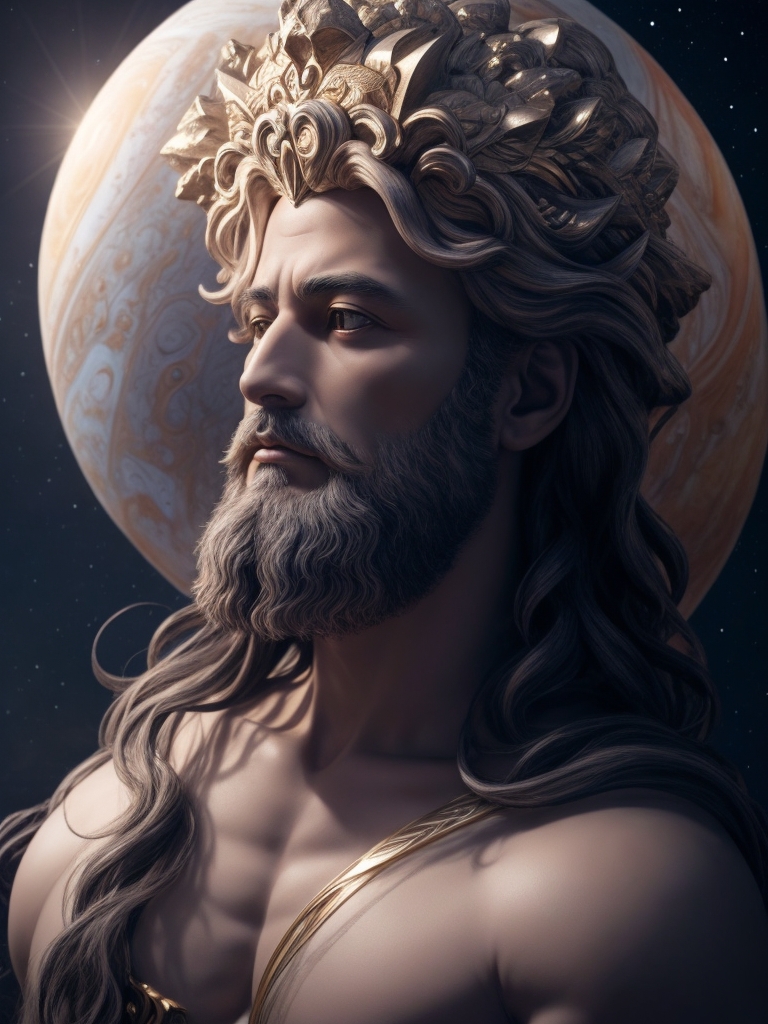
From his celestial abode, Jupiter’s eyes chanced upon Europa. Her grace and beauty entranced him, and he found himself longing to be near her. Love, that unruly force even gods can’t escape, started to blossom.

Jupiter, driven by his love, took the form of a bull and appeared before Europa. His gentle eyes and majestic presence intrigued her. Without fear, she approached the mesmerizing creature, sensing something extraordinary.

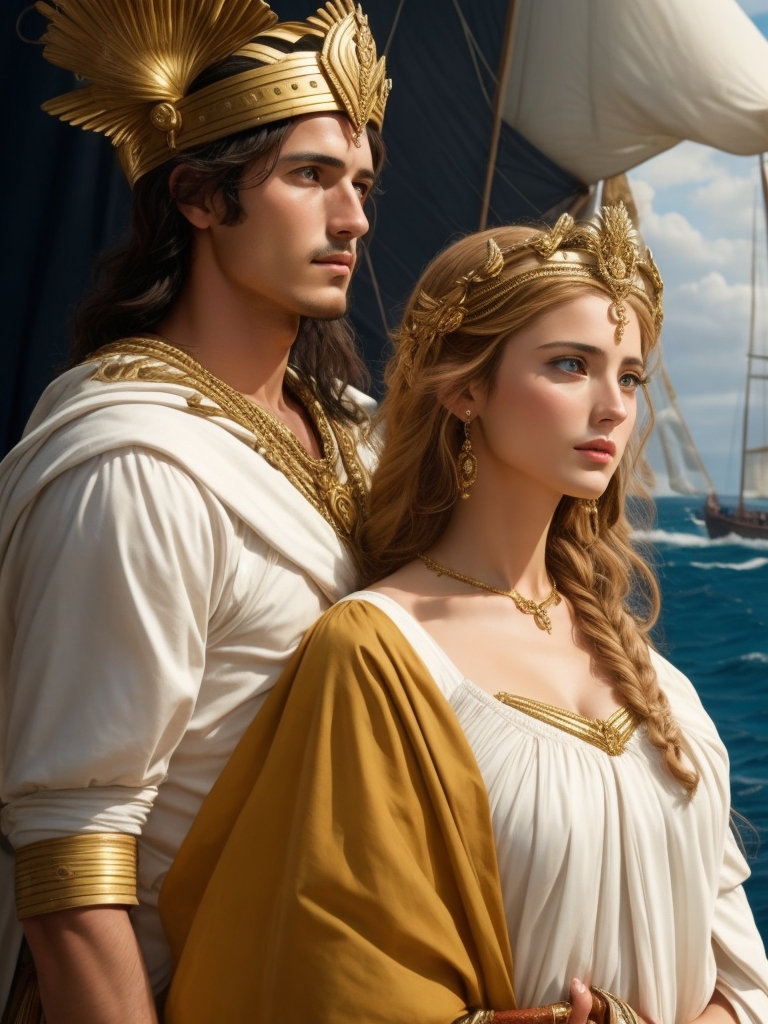
With a silent understanding, Europa mounted the bull. Together, they embarked on a journey across the ocean, her trust in this mysterious being growing with every heartbeat. The wind sang, and the waves danced, celebrating their union.
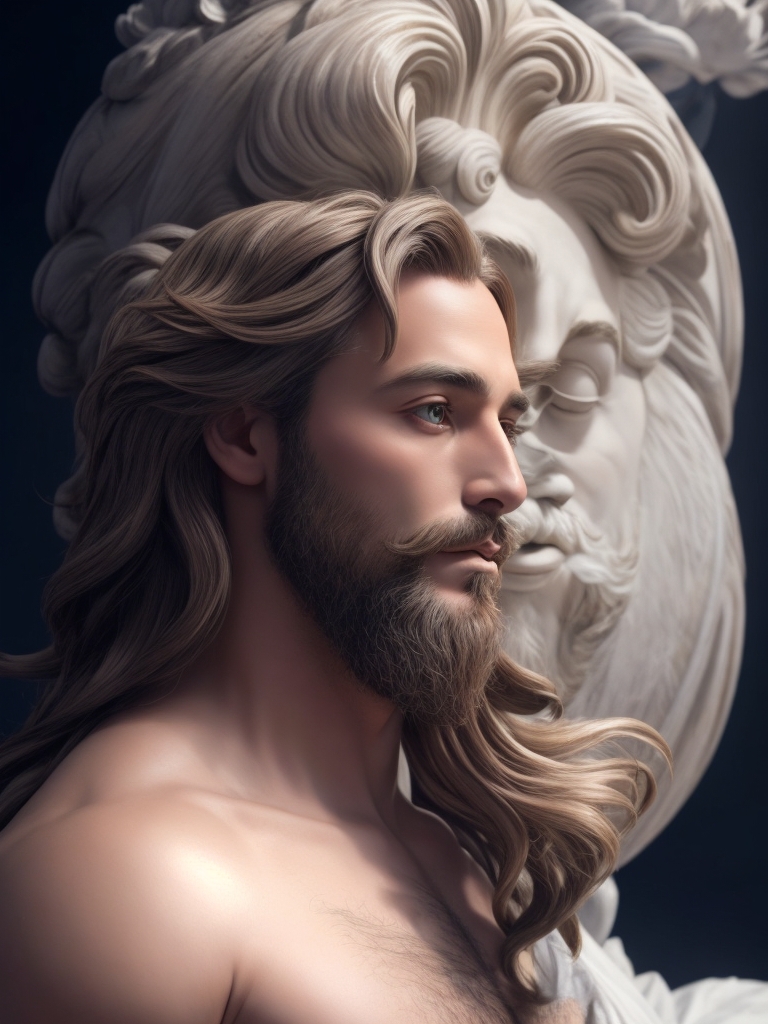
Upon reaching their destination, Jupiter revealed his true form. Europa, though surprised, felt a connection that transcended her human existence. The honesty in Jupiter’s eyes, the strength in his embrace, made her feel at home.

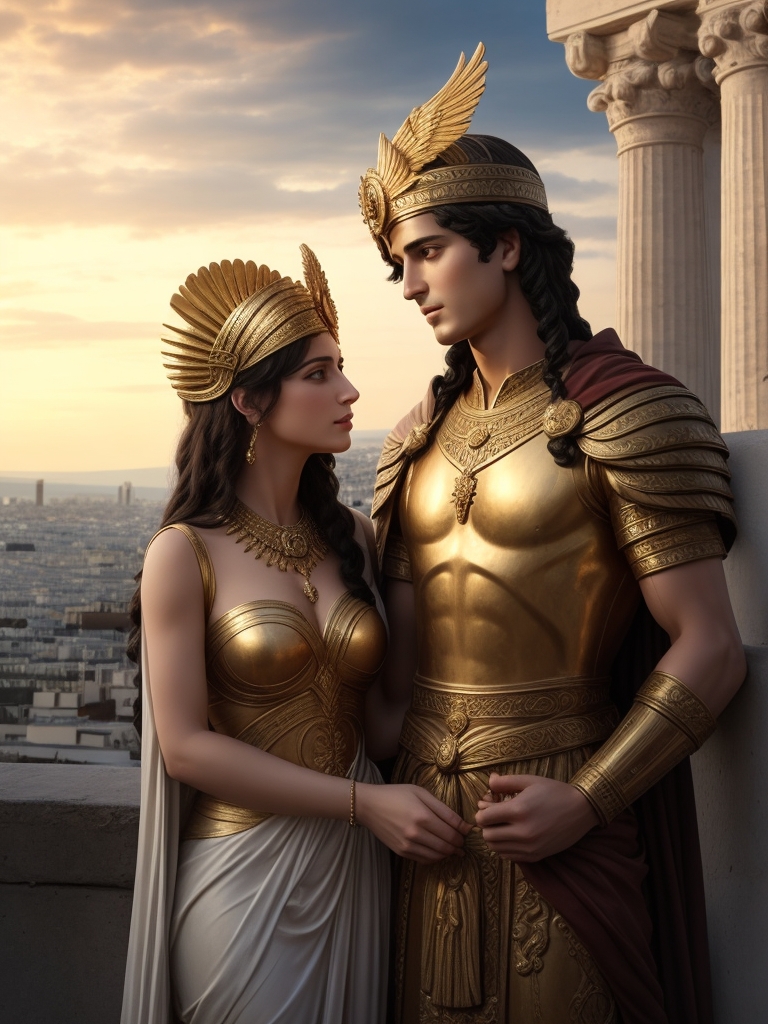
Their love blossomed, a love that knew no bounds. Europa became a part of Jupiter’s celestial world, a world where their love could thrive without constraints. They understood each other, comforted each other, and their love became a legend.

Conclusion

The tale of Jupiter and Europa is a reminder that love knows no boundaries, no forms, no realms. It’s a force that can transform the mightiest of gods and elevate a simple princess to divine heights. Their story is a timeless celebration of trust, passion, and an eternal connection.


The Eternal Embrace of Hades and Persephone: A Love Story Across Realms

In the ancient world of Greek mythology, where gods and goddesses ruled over the elements and the fates of mortals, a love story bloomed that transcended the realms of Earth and the Underworld. It was a love story of Hades, the stern God of the Underworld, and Persephone, the vibrant Goddess of Spring. Their story is one filled with passion, understanding, and the power of love to transform.

In her garden, where flowers blossomed at her touch, Persephone danced and sang, embodying the joy and renewal of spring. Her beauty was unmatched, and her grace was like the delicate flutter of a butterfly’s wings.

Hades, the ruler of the dark and somber Underworld, came upon Persephone’s garden by chance. Her light and energy drew him in, and for the first time in eons, his heart stirred with longing.

Moved by an impulse he could not control, Hades took Persephone to his realm. Though it was an act born of passion, he vowed to win her heart with kindness and understanding.

In the Underworld, Persephone discovered a world unlike any other. Though dark and mysterious, it held a beauty of its own. Hades was a gentle and attentive lover, showing her aspects of his realm she had never imagined.

With time, Persephone’s fear turned into fascination, and her initial reluctance transformed into affection. Hades’ cold exterior melted away, revealing a caring and devoted lover.

Their love was unique, a blend of contrasts that found harmony. Though they were separated for part of the year, their bond only grew stronger, and their love became a symbol of eternal connection.
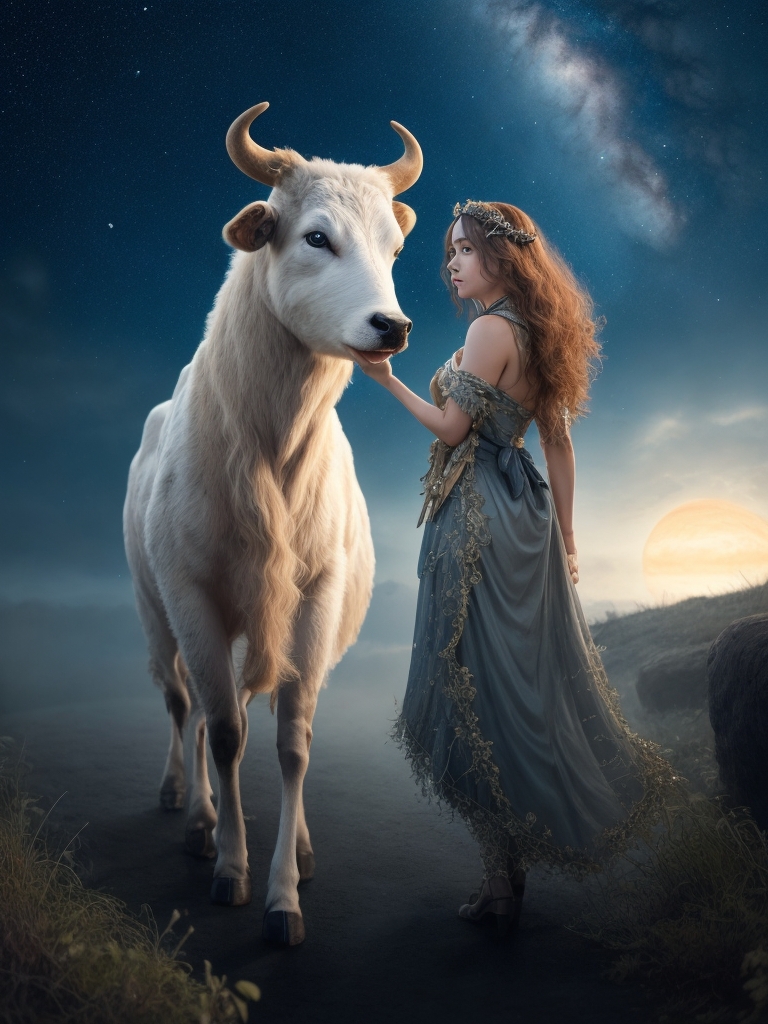
The story of Hades and Persephone is more than just a tale of abduction and transformation. It’s a love story that speaks of compassion, compromise, and the ability to see beauty in unexpected places. It reminds us that even in the darkest corners, love can blossom and thrive, forever changing the ones it touches. It’s a timeless tale that continues to inspire, filling hearts with hope and the belief that true love knows no bounds.

The Dance of Sun and Moon: The Romance of Dazhbog and Myesyats

In the tapestry of Slavic folklore, woven with threads of magic and myth, the romance of Dazhbog and Myesyats shines brightly. Dazhbog, the Sun God, and Myesyats, the Moon Goddess, were entwined in a dance that spanned the sky and played out through time itself. Their love story is a harmonious blend of warmth and serenity, day and night, a lesson that opposites can indeed attract and create a perfect balance.

The first time their gazes met, time itself seemed to stand still. Dazhbog’s warmth was met with Myesyats’ calm composure. They were intrigued by one another, curious about how two seemingly contrasting beings could feel such a strong connection.
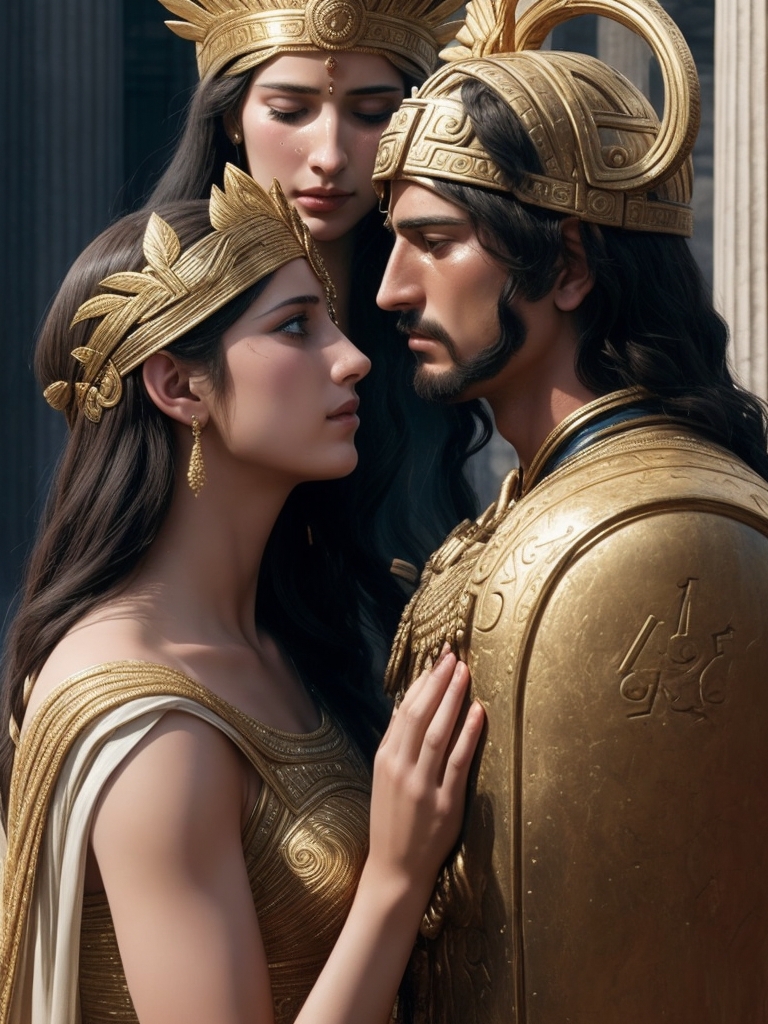
Their dance began, a dance that would continue each day and each night. They moved in perfect synchrony, each step a reflection of understanding and affection. Their romance was a dance, seamless and flowing, a rhythm that only they could hear.

Though their love was profound, they knew they must part each day. The pain of separation was real, but it only made their love grow stronger. The longing in their hearts added depth to their connection, a yearning that would be fulfilled as the cycle continued.

Their reunion was a celebration, a moment they both eagerly awaited. The joy of being together again, the embrace that sealed their love, was a reminder that true love can overcome any obstacle, even time itself.

Their dance never ended; it was eternal, just like their love. The Sun God and the Moon Goddess taught the world that differences could be embraced, that love could thrive in the most unexpected places, and that true connection knows no bounds.

The story of Dazhbog and Myesyats is a tale that transcends the ordinary. It is a dance, a romance, and a lesson that love is indeed eternal. A story for the ages, a love that will never fade, and a dance that will continue forever.

Jupiter and Io: A Love Across Realms

In the ethereal realms of Roman mythology, where divine beings hold sway over the destiny of mortals, there unfolds a love story both enchanting and tragic. It’s a tale that captures the heart, connecting Jupiter, the supreme ruler of gods, and Io, a beautiful nymph whose innocence and grace stirred emotions even in divine hearts.

Io’s beauty was unparalleled, and her heart was as gentle as the wind that caressed the petals in her garden. Her innocence touched something deep within Jupiter, awakening feelings he had never known.

Jupiter, in a guise unrecognizable, happened upon Io one day. His heart was captured in an instant, drawn to her simplicity and grace. He knew that he must speak to her, know her, and love her.

Jupiter met Io as a traveler, and they spoke of dreams, hopes, and love. Each moment was magic, and Jupiter’s disguise melted away as he bared his heart to Io.

Their love blossomed like the flowers in Io’s garden. Days turned into nights, and nights into memories. They were lost in each other, two souls intertwining in a dance that transcended realms.

But love so pure was not meant to be hidden. Juno, Jupiter’s wife, discovered their connection. In his desperation to protect Io, Jupiter transformed her into a beautiful white heifer.

Juno’s jealousy set Io on a path of trials and tribulations. But even in her heifer form, Io’s love for Jupiter never wavered, and she journeyed across lands, guided by the love that had awakened her soul.

Their love transcended obstacles, form, and time. They found each other again, in a different world, a different form, but with the same unbreakable bond of love.

Jupiter and Io’s love story is a testament to the power of love, its ability to transcend form, trials, and even divine intervention. It reminds us that love, in its purest form, is eternal and knows no bounds.

The Love that Launched a Thousand Ships: Paris and Helen of Troy

Once upon a time, in the golden age of Greek mythology, a love so profound and irresistible blossomed. It was a love that would ignite a war, resonate through history, and inspire countless hearts and minds. This is the tale of Paris, a prince of Troy, and Helen, the most beautiful woman in the world.

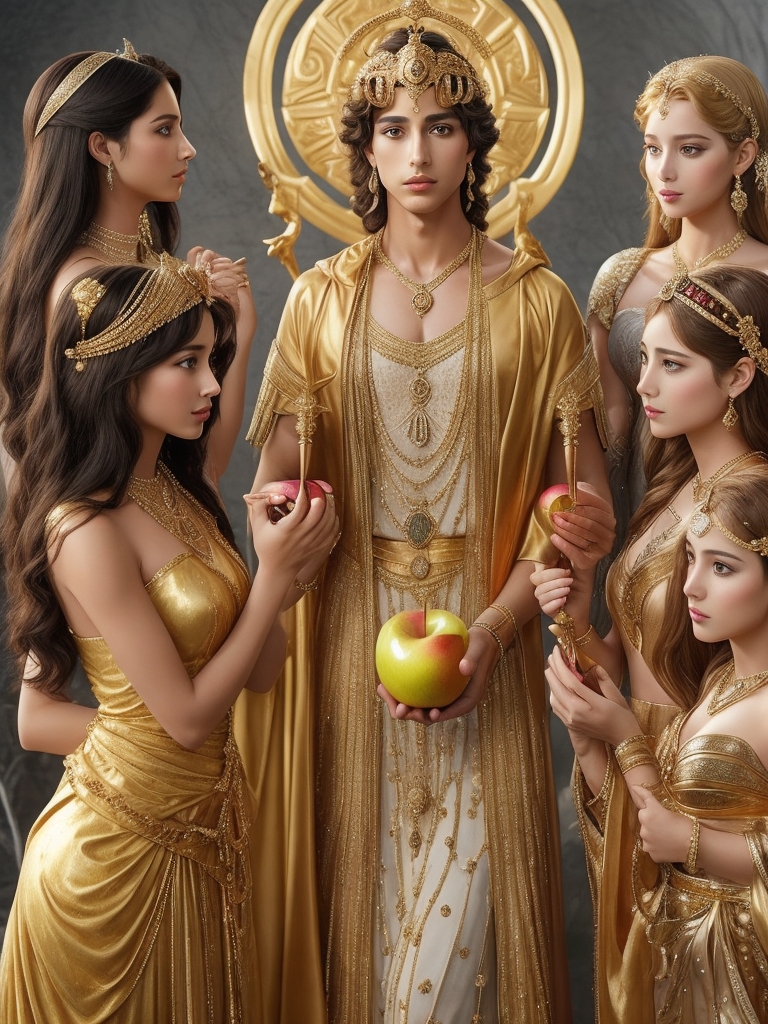
The three goddesses had sought Paris’s judgment on who was the fairest among them. Aphrodite, the goddess of love, promised Paris the heart of Helen, the beautiful queen of Sparta, in return for the golden apple. A promise Paris accepted, for he had seen Helen in a dream and his heart ached for her.

When Paris arrived in Sparta, he found Helen to be even more enchanting than in his dreams. Their connection was immediate, intense, and neither could deny the pull of their hearts.

Days turned into weeks, and the connection between Paris and Helen grew into an overwhelming love. They understood each other’s thoughts, finished each other’s sentences, and felt a passion that neither had ever known.

Together, they decided to follow their hearts, escaping to Troy and leaving behind a world that wouldn’t understand their love. This act would ignite a war, but they were ready to face it for the sake of their love.

In Troy, their love continued to grow, becoming a symbol of hope for the people and a testament to the power of human connection.

Though war would eventually take Paris from Helen, their love never waned. It became a story for the ages, a testament to the power of human emotion and the eternal nature of true love.

Conclusion

The love of Paris and Helen of Troy is a story that resonates across time, a tale of passion, connection, sacrifice, and the unbreakable bond of two souls destined to be together. It’s a love that launched a thousand ships, a love that lives on in the heart of every romantic soul.

The Love Dance of Morana and Jarilo: A Slavic Tale of Seasons and Passion

In the heart of Slavic folklore, a love story flourishes between Morana, the Goddess of Winter, and Jarilo, the God of Spring. Their love affair is an eternal dance, weaving together the cold embrace of winter with the tender kiss of spring, as they strive to reconcile their contrasting natures. Here is their tale.

Morana’s kingdom was one of winter’s chill, her domain filled with the tranquillity of frozen landscapes. She ruled with a graceful but distant demeanor, longing for something she couldn’t quite grasp.

Jarilo brought with him the fresh breath of spring, awakening the slumbering world with his gentle touch. His arrival marked a time of renewal and growth, and his energy was the perfect contrast to Morana’s stillness.

Their first meeting was a moment out of time, a connection that transcended their opposing natures. In each other’s eyes, they saw a reflection of something they’d been missing, and the seeds of love were sown.

Their dance was a dance of love, a symbolic fusion of their contrasting selves. In their embrace, they found a harmony they never knew, a love that brought balance to their existence.

Their love was destined to be cyclical, a dance that would repeat with the turning of the seasons. Though parting was painful, they knew that their love was eternal, and they would meet again.

Their love story is a reminder that opposites can attract and thrive, that differences can be a source of strength and beauty. Their dance continues, an endless cycle, a love that is always renewed.

The Love of Pluto and Proserpina: A Tale of Seasons and Unbreakable Bonds

Once, in the mystical lands of Roman mythology, the divine realm was ruled by intricate relationships and powerful emotions. Among these feelings, the love story between Pluto, the God of the Underworld, and Proserpina, the Goddess of Spring, bloomed like no other. Their story is one of deep connection, sacrifice, and the essence of love that transcends realms.

Proserpina was the embodiment of spring. Her touch made flowers bloom, and her laughter was like the melody of a gentle breeze. Her beauty was such that it even captured the attention of Pluto, a god known for his cold and distant nature.

Pluto’s heart was moved the moment he laid eyes on Proserpina. He found himself drawn to her light and vitality. Her grace and beauty were intoxicating, and he knew he must have her as his queen.

Driven by his desire, Pluto took Proserpina to his realm. Though it was an act of impulse, he was gentle and attentive, hoping to win her heart.

In the Underworld, Proserpina found a new life. Though initially resistant, she began to see the depth of Pluto’s love and the beauty in his dark domain.

Their relationship flourished. Proserpina’s presence brought warmth to the cold Underworld, and Pluto’s strength gave her a sense of security. They learned from each other, grew together, and found joy in their union.

Their love was tested when Proserpina had to return to the Upper World for part of the year. Though it pained them both, they knew their love was strong enough to endure the separation.

The love of Pluto and Proserpina is a tale of contrasts and harmony, darkness, and light. It is a reminder that love can thrive in the most unexpected places and that true connection knows no bounds.

Their love still echoes in the changing seasons, a timeless testament to a bond that transcends realms. Love, in all its complexity, is eternal, and so is their story.

Pyramus and Thisbe: A Love That Defied Destiny

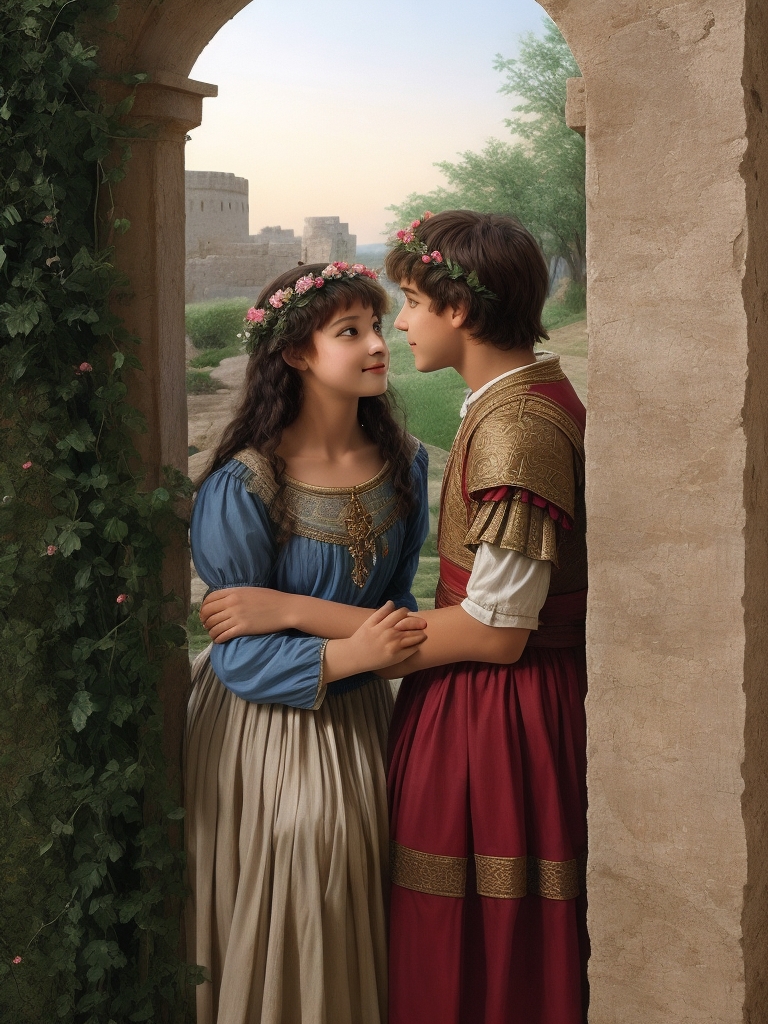
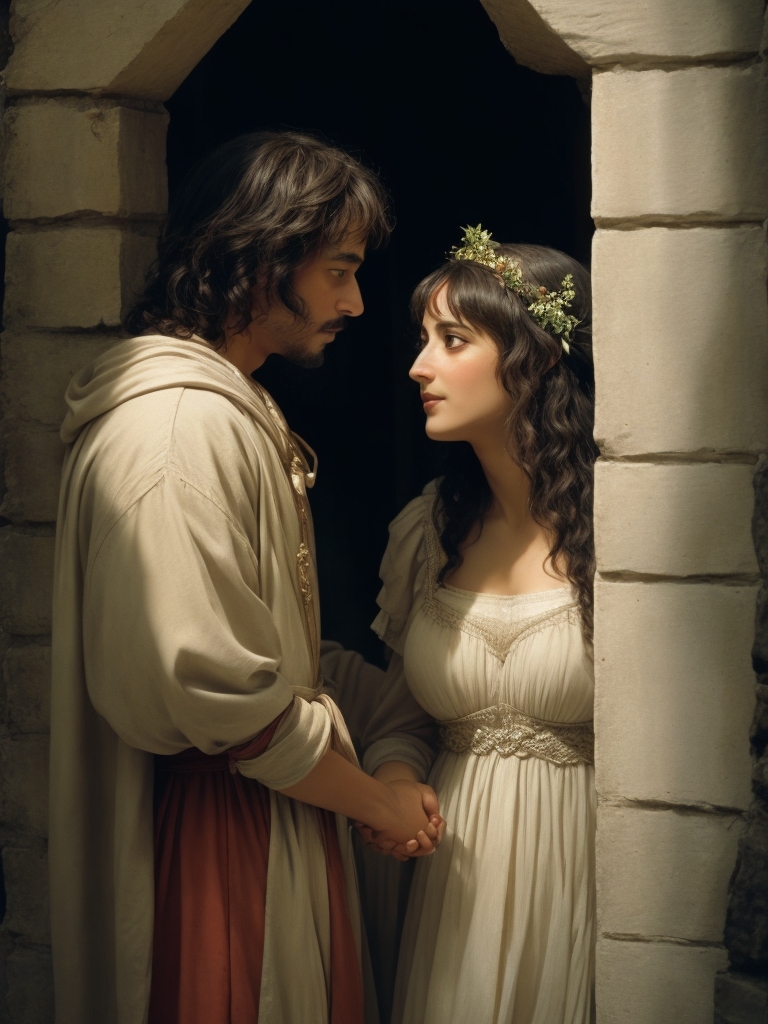
Pyramus and Thisbe, two young lovers in Babylon, lived in adjacent houses, separated only by a wall. Their families, embroiled in an old feud, forbade them from meeting. Still, the two found solace in whispers exchanged through a tiny crack in the wall that failed to divide their love.

Years passed, and their affection blossomed into profound love. Unable to bear the separation, they decided to meet secretly under the mulberry tree near the tomb of Ninus.

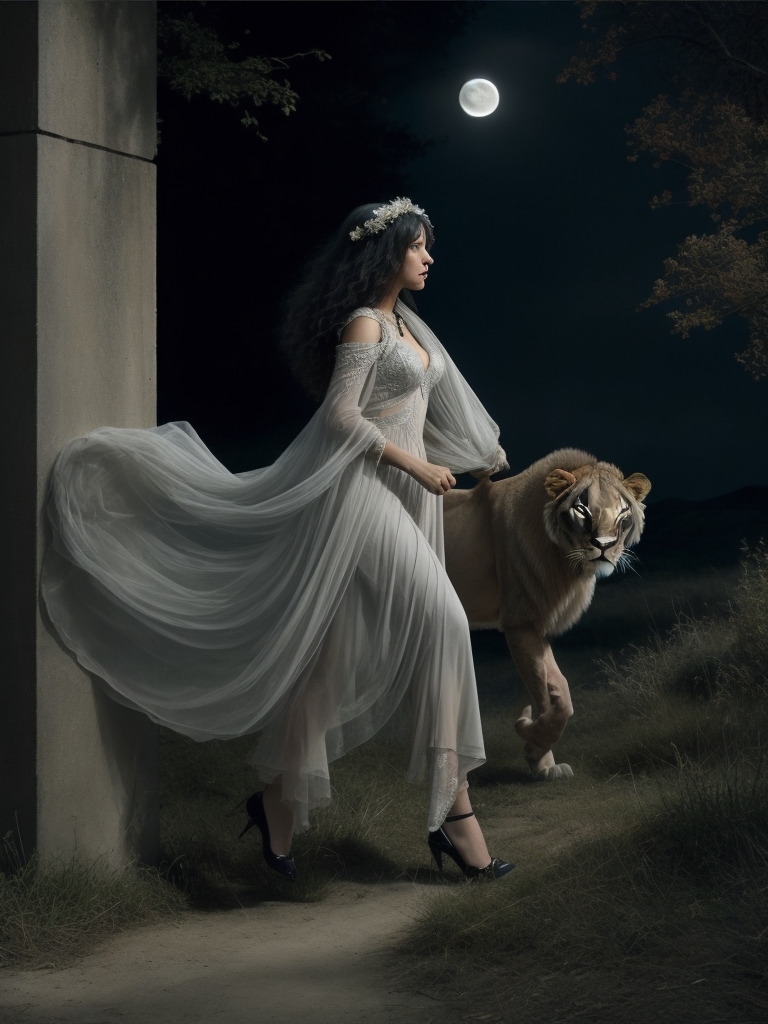
The night arrived, and Thisbe, veiled, reached the mulberry tree first. Suddenly, she spotted a ferocious lioness, its muzzle still bloody from a recent kill. Terrified, Thisbe fled, dropping her veil.

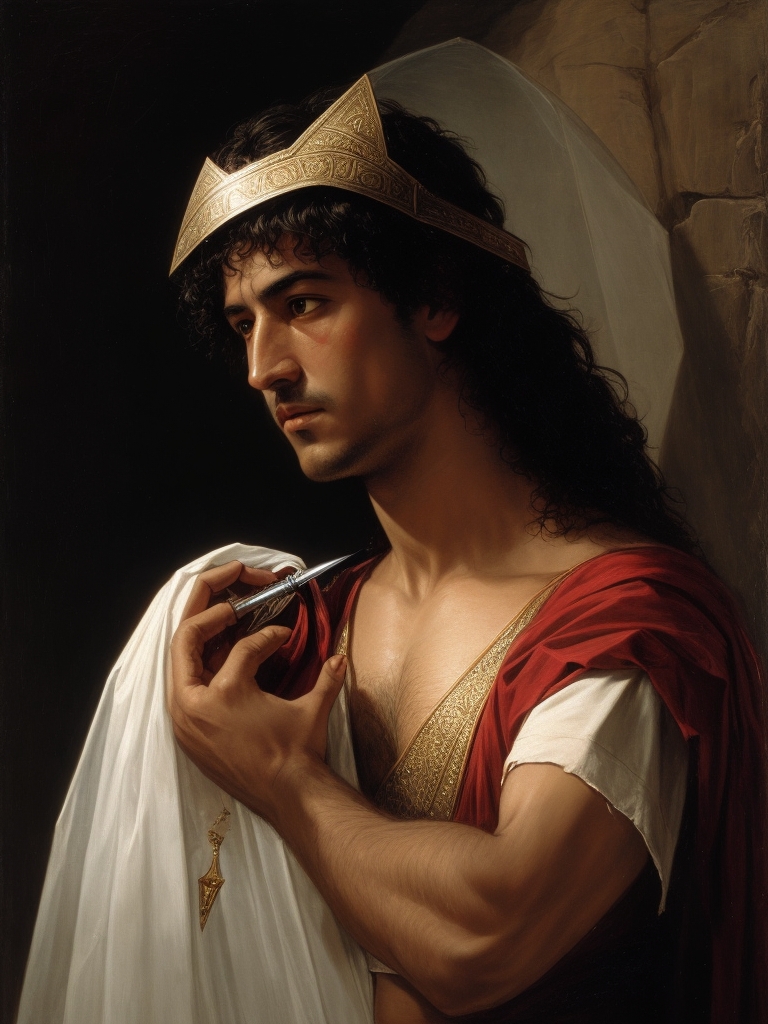
Pyramus arrived later and discovered the bloodied veil, misunderstanding it as a sign of Thisbe’s death. His heart shattered, and he took his life with his sword.

Thisbe returned to find Pyramus’s lifeless body. Her heart ached, and she realized what had happened. She picked up his sword and followed him into death, leaving a final kiss on his cold lips.

The gods, touched by their tragic love, turned the mulberry’s white berries into red, a symbol of their eternal love. The wall that had once separated them was torn down.

Their families, realizing their mistake, buried them together and ended their feud. A memorial was built where they used to talk through the wall, a reminder of love’s power to conquer all.

Pyramus and Thisbe’s story transcends the bounds of time and culture. It speaks of love’s ability to break barriers and the consequences of misunderstanding and rigid traditions. It’s a tale that echoes the sentiment that true love is immortal, finding its way even in the bleakest of circumstances.

Lada and Lado: A Timeless Romance

In a land where time stood still, Lada, the goddess of love and fertility, wandered through a garden, basking in the rebirth of nature. Unbeknownst to her, Lado, the god of harmony and joy, was drawn to the same garden. As their eyes met, a spark ignited, and the world around them seemed to sing a sweet melody.

Days turned into weeks, and Lada and Lado’s feelings for each other grew. They began meeting in secret, under the starlit sky, where they shared their dreams, hopes, and fears. Their love was pure, passionate, and bound by an understanding that transcended mortal comprehension.

The love between Lada and Lado was undeniable, yet they knew that being together would not be easy. In the presence of the mystical lake, they made a solemn promise to be each other’s forever. The lake, a witness to their vow, shimmered with a divine glow, sealing their bond.

As seasons changed, so did their destinies. Duty called Lado away, leaving Lada heartbroken but resolute. Their love was tested, but the memory of their time together, their promises and shared dreams, kept them connected.

Years passed, and finally, destiny brought Lada and Lado back together. Their reunion was filled with joy, tears, and an overwhelming sense of completeness. They knew that their love had survived the trials of time and that they were truly meant to be.

Their love story became a symbol of eternal love, passion, and commitment in Slavic lands. Lada and Lado’s names were sung in songs and whispered in legends, a testament to a love that transcended time and space.

Their story reminds us that true love is patient, resilient, and knows no bounds. It lives in our hearts, waiting for the right moment to bloom, just like the eternal spring of Lada and Lado’s garden.

Passion and Power: The Irresistible Love Story of Vijaya and Kuveni That Birthed a Nation!

In an age of myth and magic, a saga of love unfolded that became the very foundation of Sri Lanka. The love story of Prince Vijaya and the Yaksha princess, Kuveni, was one for the ages.

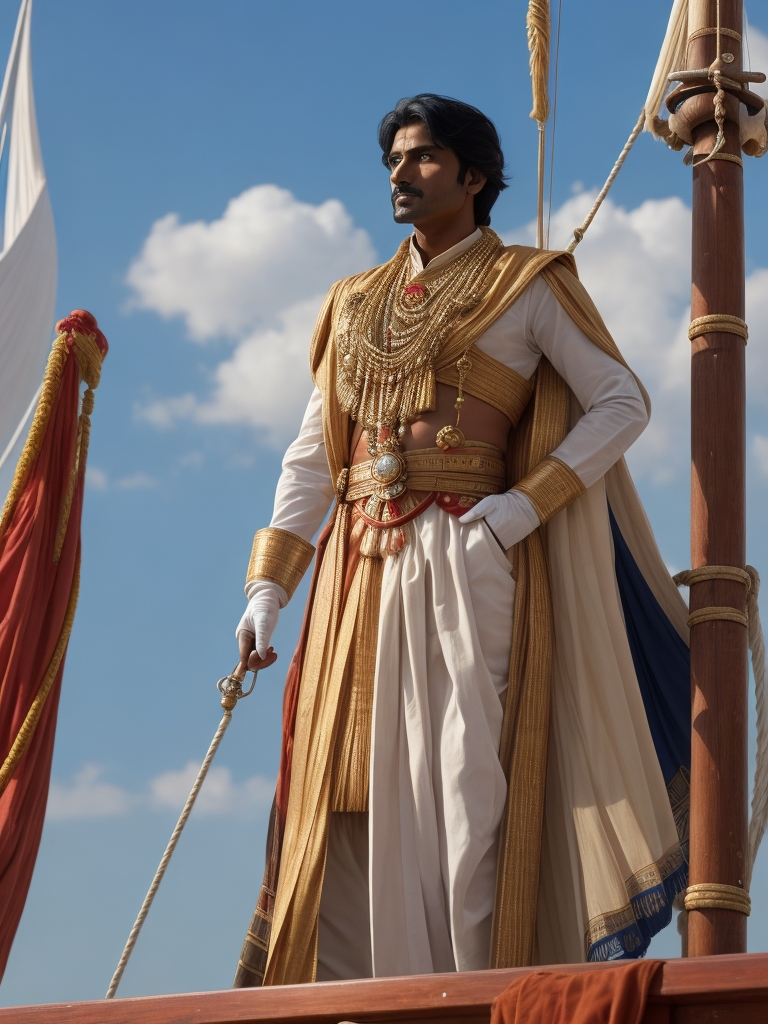
Vijaya, a dashing prince from India, was the adventurous kind, always searching for new horizons. His sparkling dark eyes held an irresistible charm that could sway any heart.

One day, he and his men arrived on a mysterious island. It was there he met Kuveni, a beautiful and enchanting Yaksha princess. With her captivating grace and radiant beauty, she was a vision that held Vijaya spellbound.

Vijaya was mesmerized by Kuveni’s charm, and she, in turn, found him irresistible. Their bond grew stronger with each passing day, blossoming into a love that was beautiful and profound.

Their love story was not destined to be an easy one. Many trials and tribulations awaited them. Despite the struggles, their love for each other never wavered.

Their tale of love, passion, and sacrifice left an indelible mark on the island, shaping its future as the nation of Sri Lanka.

A love as legendary as theirs continues to inspire generations, proving that love can indeed conquer all, even shaping the destiny of a nation. Their timeless saga is a testament to the power of love and the sacrifices it entails.

Exit mobile version