5 Amazing Money Quotes

Warren Buffett, often referred to as the Oracle of Omaha, is one of the most successful investors and entrepreneurs of our time. His insights into money, wealth, and financial success are not only profound but also immensely practical. In this article, we’ll delve into five amazing money quotes from Warren Buffett that have the power to transform your financial perspective and change your life.

1. “The Stock Market is Designed to Transfer Money from the Active to the Patient.”

Warren Buffett’s quote highlights a fundamental truth about investing. Many individuals rush into the stock market, hoping for quick gains and immediate returns. However, Buffett reminds us that successful investing requires patience and a long-term perspective. It’s about staying the course, making informed decisions, and allowing your investments to grow over time. This quote encourages us to resist the urge for impulsive actions and instead embrace the power of patience when it comes to building wealth.

2. “Do Not Save What is Left After Spending, But Spend What is Left After Saving.”

This quote by Warren Buffett emphasizes the importance of saving and investing as a priority rather than an afterthought. It encourages a shift in mindset where saving becomes a non-negotiable part of your financial routine. By prioritizing savings and investments before spending, you ensure that your financial future is secure and that you’re building wealth over time. It’s a simple yet powerful principle that can significantly impact your financial well-being.

3. “It Takes 20 Years to Build a Reputation and Five Minutes to Ruin It. If You Think About That, You’ll Do Things Differently.”

While this quote may not directly relate to money management, it holds valuable wisdom for financial success. Reputation and trustworthiness play a crucial role in the world of finance. Building a solid financial reputation takes time, consistency, and responsible decision-making. However, one wrong move can erode that reputation in an instant. Buffett’s quote serves as a reminder to make prudent financial choices and prioritize integrity in all financial dealings.

4. “Risk Comes from Not Knowing What You’re Doing.”

Warren Buffett’s insight into risk is a reminder of the importance of education and knowledge in financial matters. Many individuals are afraid of investing or taking calculated financial risks because they lack understanding. Buffett encourages us to mitigate risk by becoming well-informed and making informed decisions. When you have a clear understanding of your financial choices and their potential consequences, you can navigate the financial landscape with confidence.

5. “The Best Investment You Can Make is in Yourself.”

This quote underscores the idea that your most valuable asset is not your portfolio or possessions but yourself. Investing in your personal and professional growth is one of the wisest financial decisions you can make. Continuous learning, skill development, and self-improvement can lead to increased earning potential and financial success. Buffett’s advice is a powerful reminder that the more you invest in yourself, the greater your capacity to create wealth and opportunities.

Conclusion

Warren Buffett’s money quotes offer more than just financial advice; they provide timeless wisdom that can shape your financial mindset and change your life. From the importance of patience and savings to the value of integrity and self-investment, these quotes offer valuable insights into building wealth and achieving financial success. By embracing these principles and incorporating them into your financial journey, you can transform your relationship with money and work toward a brighter financial future. Warren Buffett’s words serve as a guide to making better financial decisions, cultivating patience, and ultimately achieving your financial goals.

How I make $2K/month

In today’s digital age, there are countless opportunities to supplement your income or even turn your passions into a profitable venture. In this article, I want to share my personal journey of how I make $2,000 per month, providing insights, tips, and inspiration for those looking to boost their income or start a side hustle.

1. Identifying My Niche

One of the first steps in my journey was identifying a niche that I was passionate about. Whether it’s writing, graphic design, photography, or any other skill or interest, finding your niche is crucial. I discovered that my passion for writing and digital marketing could be monetized effectively.

2. Freelancing

Freelancing is a fantastic way to leverage your skills and earn extra income. I started freelancing as a content writer and digital marketer. Websites like Upwork, Freelancer, and Fiverr are excellent platforms to find clients and projects that align with your expertise.

3. Building a Portfolio

To attract clients and stand out in the competitive freelancing world, I built a strong portfolio showcasing my best work. This allowed potential clients to see the quality of my work and the range of services I offered.

4. Networking

Networking is an essential aspect of growing your income. I joined professional groups on platforms like LinkedIn and attended industry-related events and webinars. Networking not only helps you find clients but also provides opportunities for collaboration and learning.

5. Passive Income Streams

In addition to freelancing, I explored passive income streams. I created a blog and monetized it through affiliate marketing and ads. Passive income requires upfront work but can provide a steady revenue stream over time.

6. Investing

I started investing a portion of my income in stocks and bonds. While this doesn’t immediately generate $2,000 per month, it’s a long-term strategy that can potentially grow your wealth and provide financial security down the road.

7. Online Courses and Coaching

If you have expertise in a specific field, consider creating online courses or offering coaching services. Many people are willing to pay for knowledge and guidance. Platforms like Udemy and Teachable make it easy to create and sell your courses.

8. Time Management

Balancing a full-time job, freelancing, blogging, and investing required effective time management. I created a schedule that allowed me to allocate time to each activity. Prioritizing tasks and staying organized were key to my success.

9. Scaling Up

As my freelancing and passive income streams grew, I scaled up my efforts. I took on more clients, expanded my blog’s content, and diversified my investments. Scaling up allowed me to reach my $2,000 per month goal.

10. Persistence and Adaptability

Lastly, persistence and adaptability are essential. Not every venture will be an immediate success, and there will be challenges along the way. It’s crucial to stay committed to your goals and adapt your strategies as needed.

Conclusion

Earning an extra $2,000 per month is achievable with dedication, hard work, and the right strategies. My journey involved identifying a niche, freelancing, building a portfolio, networking, exploring passive income streams, investing, offering online courses, managing time effectively, scaling up, and maintaining persistence and adaptability.

Remember that everyone’s journey is unique, and what worked for me may not work for everyone. The key is to find your passion, leverage your skills, and continuously seek opportunities for growth. Whether it’s through freelancing, blogging, investing, or other income streams, taking action and staying committed to your financial goals can lead to financial success and security.

Why Little Wins Matter

In the hustle and bustle of our daily lives, it’s easy to get caught up in the pursuit of significant achievements and major milestones. We often overlook the power of appreciating the small victories that happen along the way. In this article, we’ll explore the concept of “little wins” and how embracing them can lead to a happier and more fulfilling life.

What Are Little Wins?

Little wins, also known as small victories or micro-accomplishments, are the tiny, often unnoticed achievements that happen in our daily lives. They can be as simple as completing a task, making progress toward a goal, or experiencing moments of personal growth. While they may seem insignificant individually, these small victories collectively contribute to a sense of accomplishment and well-being.

Why Little Wins Matter

Little wins hold profound significance in our lives for several reasons:

1. Boosting Self-Esteem

Acknowledging and celebrating little wins can boost your self-esteem and confidence. Each small victory reinforces your belief in your abilities and affirms that you’re making progress.

2. Fostering Positivity

Little wins create positive moments throughout your day. These moments can counterbalance negative experiences and improve your overall mood and outlook on life.

3. Motivating Progress

Small victories serve as stepping stones toward more significant accomplishments. They provide the motivation and momentum needed to tackle larger goals and challenges.

4. Enhancing Well-Being

Recognizing little wins promotes a sense of well-being and happiness. It encourages you to focus on the positive aspects of your life and fosters a greater sense of gratitude.

5. Cultivating Resilience

Embracing small victories can help you build resilience in the face of setbacks and challenges. It reminds you that you have the ability to overcome obstacles.

How to Embrace Little Wins

Now that we understand the importance of little wins, here are some strategies to help you embrace and celebrate them in your daily life:

1. Practice Mindfulness

Cultivate mindfulness to become more aware of the small moments of achievement and growth in your life. Pay attention to your daily experiences and savor the positive emotions they bring.

2. Keep a Little Wins Journal

Maintain a journal where you record your daily small victories. This can be as simple as jotting down three things you accomplished each day. Reviewing your journal regularly can be a source of motivation and gratitude.

3. Share Your Wins

Share your little wins with friends and loved ones. Sharing your achievements with others not only allows you to celebrate together but also strengthens your social connections.

4. Set Realistic Goals

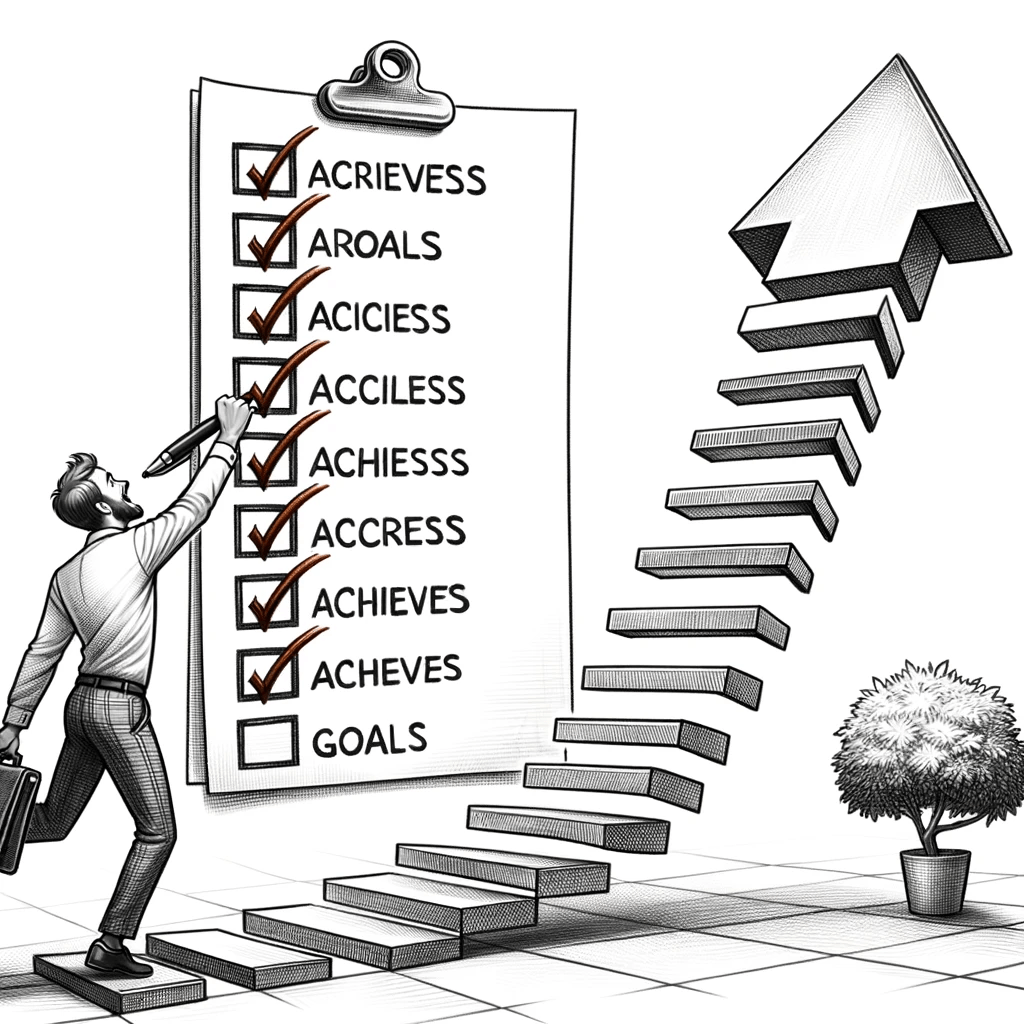
Break down your larger goals into smaller, more manageable tasks. This makes it easier to achieve regular little wins along the way, reinforcing your progress.

5. Celebrate Your Efforts

Take time to acknowledge your efforts, regardless of the outcome. Sometimes, the journey and the effort you put in are more important than the final result.

6. Focus on the Positive

Train your mind to focus on the positive aspects of your day. Challenge negative thoughts and consciously redirect your attention to your little wins.

7. Practice Self-Compassion

Be kind to yourself and practice self-compassion. Acknowledge that everyone experiences setbacks and that mistakes are opportunities for growth.

8. Set Realistic Expectations

Adjust your expectations to be more realistic. Understand that not every day will bring significant achievements, but that doesn’t diminish the value of the small victories you experience.

9. Encourage Others

Recognize and celebrate the little wins of those around you. Encouraging others to embrace their small victories can create a positive and supportive environment.

Examples of Little Wins

Little wins can manifest in various aspects of life. Here are some examples to illustrate their significance:

  • Completing a To-Do List: Checking off tasks from your to-do list, no matter how small, is a little win that signifies progress.
  • Learning Something New: Mastering a new skill or understanding a complex concept, even in a small way, is a little win in your personal growth journey.
  • Maintaining Healthy Habits: Sticking to a healthy eating plan, getting regular exercise, or staying hydrated are all little wins for your well-being.
  • Effective Time Management: Managing your time efficiently and accomplishing tasks promptly is a little win that frees up time for other activities.
  • Acts of Kindness: Acts of kindness, whether big or small, create positive moments and contribute to the well-being of others, reflecting a little win in your character.
  • Overcoming Challenges: Successfully navigating challenges, such as overcoming a fear or tackling a difficult project, is a little win that builds resilience.

Wrapping Up

Embracing and celebrating little wins is a powerful way to enhance your quality of life. These small victories may be easy to overlook individually, but their cumulative impact on your self-esteem, positivity, motivation, well-being, and resilience is profound. By practicing mindfulness, maintaining a little wins journal, sharing your successes, setting realistic goals, and fostering self-compassion, you can fully embrace the power of little wins and lead a happier and more fulfilled life.

Discovering Joy: 5 Surprising Ways to Boost Motivation Despite Anxiety & Depression

In today’s fast-paced world, maintaining motivation can be challenging, especially when battling anxiety and depression. However, there are surprising and effective strategies that can help you regain your motivation and joy in life. In this article, we’ll explore five unique ways to boost your motivation, specifically tailored for those experiencing anxiety and depression. These methods are not only backed by research but also resonate with real-life experiences.

#1 Embrace the Power of Small Goals

When anxiety and depression loom, the idea of achieving big goals can feel overwhelming. That’s why setting small, achievable goals is a game-changer. It’s not about running a marathon; it’s about putting on your running shoes and taking the first step. Small goals are like stepping stones, leading you towards a greater sense of accomplishment and self-efficacy.

For instance, if your goal is to get healthier, start with something manageable, like a 10-minute walk each day. Every small achievement acts as a building block, boosting your confidence and motivation. Remember, it’s the accumulation of these tiny victories that lead to significant changes.

Also, don’t underestimate the power of celebrating these small wins. Acknowledging your progress, no matter how minor, reinforces positive behavior and creates a momentum that can counteract the inertia often associated with anxiety and depression.

#2 Cultivate a Gratitude Practice

Gratitude isn’t just a buzzword; it’s a powerful tool for transforming your mindset. By focusing on what you’re thankful for, you shift your attention from what’s lacking to what’s abundant in your life. This shift can significantly impact your motivation levels.

Start with a simple gratitude journal. Each day, jot down three things you’re grateful for. These can be as simple as a sunny day, a good cup of coffee, or a supportive friend. Over time, this practice trains your brain to spot the positives, offering a more balanced perspective on your life.

Moreover, gratitude has been linked to improved mental health. It helps in reducing stress and enhancing feelings of happiness, making it easier to find the motivation to engage in daily activities and pursue your goals.

#3 Connect with Nature

Never underestimate the power of connecting with nature. Whether it’s a walk in the park, gardening, or simply sitting outside, spending time in natural surroundings can have a profound impact on your mental health. Nature has a way of putting things into perspective, offering a sense of peace and grounding that can be hard to find elsewhere.

Studies have shown that exposure to nature not only reduces symptoms of anxiety and depression but also increases overall well-being and boosts energy levels. This energy boost is crucial for motivation, giving you the push needed to tackle your day-to-day tasks.

Furthermore, the sensory experience of being in nature – the sights, sounds, and smells – can be incredibly therapeutic. It provides a much-needed break from the constant stimulation of screens and urban environments, allowing your mind to relax and rejuvenate.

#4 Find a Creative Outlet

Creativity is not just for artists; it’s a powerful tool for everyone, especially those battling anxiety and depression. Engaging in creative activities can be incredibly therapeutic and motivating. It’s about expressing yourself in a way that’s enjoyable and fulfilling, whether that’s through painting, writing, cooking, or any other form of creative expression.

Creative activities provide a sense of accomplishment and can be a great way to channel your emotions in a positive way. They offer an escape from the cycle of negative thoughts and provide a safe space to explore and understand your feelings.

Furthermore, creativity can boost your problem-solving skills and encourage you to look at challenges from different perspectives. This can be incredibly empowering, especially when dealing with the complexities of anxiety and depression.

#5 Build a Supportive Community

Surrounding yourself with a supportive community can be a lifeline when you’re struggling with motivation due to anxiety and depression. This doesn’t necessarily mean a large group of friends; even one or two understanding individuals can make a significant difference.

A supportive community provides a sense of belonging and acceptance. It’s a safe space where you can share your struggles and achievements without fear of judgment. The encouragement and understanding from others can be a powerful motivator, reminding you that you’re not alone in your journey.

Additionally, being part of a community can provide new perspectives and coping strategies. Learning from others who have faced similar challenges can be incredibly enlightening and motivating. It’s about building connections that uplift and inspire you to keep moving forward, even on the toughest days.


In conclusion, boosting motivation while dealing with anxiety and depression is about finding what works for you. It’s a personal journey, but one that can be made easier with the right strategies. By setting small goals, practicing gratitude, connecting with nature, finding a creative outlet, and building a supportive community, you can rediscover your motivation and joy in life. Remember, every step forward is progress, no matter how small. Keep pushing forward, and you’ll find your way back to a motivated and

How to Stop Being Lazy and Unmotivated: A Comprehensive Guide

A First Step Towards a More Motivated You

We’ve all been there, haven’t we? That sinking feeling of being stuck in a rut, where our inner drive has seemingly packed its bags and left without a trace. Welcome to a guide that’s all about understanding and conquering laziness and unmotivation. A guide that’s not just a read, but a journey – a step towards unveiling a more motivated, energetic, and proactive version of yourself.

Laziness and lack of motivation are not merely words; they are emotions, experiences that each one of us has grappled with at some point in our lives. It’s that invisible barrier that holds us back, preventing us from taking steps towards our goals, dreams, and aspirations. But why is it crucial to address and overcome this invisible enemy? Because, beneath the layers of procrastination and inertia, lies a potential that is waiting to be unleashed, dreams that are waiting to be realized, and a life that is waiting to be lived to its fullest.

The importance of overcoming laziness extends beyond just ticking off tasks on a to-do list. It’s about breaking free from the chains that bind us to mediocrity and stepping into a world where every day is a new possibility, a new adventure. It’s about rediscovering oneself, rekindling lost passions, and reclaiming the life that somehow got buried under the weight of inaction and passivity.

In this comprehensive guide, “How to Stop Being Lazy and Unmotivated,” we will embark on a journey together, exploring the depths of what causes laziness, understanding its psychological underpinnings, and most importantly, unveiling strategies that are not just theoretical but practically applicable in real life. From psychological insights to actionable strategies, from understanding the science of motivation to debunking myths about laziness, this guide is crafted to be your companion in this journey towards a more motivated and proactive life.

But this is not just a guide; it’s a conversation, a two-way street. As you navigate through the various sections, you’ll find stories that resonate, strategies that can be applied, and insights that are grounded in real-life scenarios and not just theoretical jargon. This guide is crafted, keeping YOU in mind, ensuring that every word, every strategy, and every insight is relatable, understandable, and most importantly, implementable.

So, as you turn this virtual page, remember: every word, every sentence, and every section is a step towards breaking free from the shackles of laziness and stepping into a world of endless possibilities. Your journey towards a more motivated, energetic, and vibrant life starts here. Let’s dive in, shall we?

Understanding Laziness and Unmotivation: A Deep Dive into the Inertia of Inaction

Laziness and unmotivation, two words that we’ve all encountered, and perhaps, even wrestled with at various points in our lives. But what do they truly signify? And how do they weave themselves into the very fabric of our daily existence, subtly sabotaging our aspirations, dreams, and endeavors? In this section, we shall delve into the realms of understanding laziness and unmotivation, unraveling their definitions, types, contributing factors, and the profound impact they cast upon our lives and wellbeing.

Defining Laziness and Unmotivation

Laziness, often perceived as the absence of action or a reluctance to exert effort, is not merely a physical state but extends its tendrils into our mental and emotional realms. Unmotivation, on the other hand, is a lack of internal drive or enthusiasm to pursue activities, goals, or tasks. Together, they form a formidable barrier, hindering our path towards productivity, achievement, and self-fulfillment.

Types of Laziness and Unmotivation

  • Physical Laziness: Manifests as a reluctance to engage in physical activities or exertion.
  • Mental Laziness: A resistance towards cognitive efforts, problem-solving, or creative thinking.
  • Emotional Laziness: Avoidance of confronting, processing, or expressing emotions.
  • Motivational Laziness: A pervasive lack of enthusiasm or drive to pursue goals or tasks.

Psychological and Physical Factors

The roots of laziness and unmotivation often burrow deep into psychological and physical terrains. Psychological aspects encompass aspects like depression, anxiety, and stress, which can significantly dampen one’s motivational levels. Physical factors might include chronic fatigue, poor nutrition, or lack of sleep, which directly impact our energy levels and, consequently, our willingness to engage in activities.

Impact on Life and Wellbeing

The tentacles of laziness and unmotivation do not merely restrict our actions but permeate into various facets of our life, affecting our relationships, career, personal growth, and mental health. The inability to muster the motivation to pursue goals or engage in activities can lead to a stagnation that casts a shadow upon our overall wellbeing and quality of life.

In the forthcoming sections of “How to Stop Being Lazy and Unmotivated,” we shall embark on a journey, exploring strategies, sharing stories, and unveiling secrets that have the potential to transform our relationship with laziness and unmotivation. From understanding the science of motivation to practical, actionable strategies that can be seamlessly woven into our daily lives, this guide aspires to be your companion in this journey towards a more motivated, proactive, and fulfilled life.

The Psychology Behind Motivation: Unlocking the Secrets to Our Drives and Desires

Embarking on a journey through the intricate pathways of our minds, let’s delve into the fascinating world of motivation. What propels us forward, igniting that spark within, urging us to act, to move, and to forge ahead? In this segment of “How to Stop Being Lazy and Unmotivated,” we shall unravel the mysteries behind motivation, exploring its definitions, types, the pivotal role of dopamine, and the psychological theories that seek to explain the ebb and flow of our motivational tides.

Defining Motivation: The Invisible Force Within

Motivation, in its essence, is the invisible force that propels us towards action, steering our desires, actions, and behaviors towards specific goals. It’s the internal or external stimulus that activates our drive, urging us to move, act, and achieve. The importance of motivation cannot be overstated, for it is the fuel that powers our journey towards achieving our goals, navigating through challenges, and sculpting our successes.

Intrinsic vs. Extrinsic Motivation: The Dual Faces of Drive

  • Intrinsic Motivation: This emanates from within, driven by internal rewards such as satisfaction, joy, or personal fulfillment. It’s the passion that ignites when we engage in something that sparks our interest or aligns with our passions.
  • Extrinsic Motivation: Propelled by external rewards or avoidances of undesirable outcomes, extrinsic motivation is governed by factors outside of us, such as accolades, recognition, or avoiding punishment.

Dopamine: The Neurotransmitter of Desire

Dopamine, often dubbed the ‘feel-good’ neurotransmitter, plays a pivotal role in our motivational landscapes. It’s not merely about pleasure but is intricately linked to our anticipation of rewards, driving us to seek out and engage in activities that promise a payoff, thereby playing a crucial role in both initiating and maintaining a chain of actions towards goal attainment.

Psychological Theories: Decoding Motivation and Laziness

  • Maslow’s Hierarchy of Needs: Proposing that our actions are motivated to fulfill unmet needs, Maslow’s pyramid ranges from basic survival needs to the pinnacle of self-actualization.
  • Expectancy Theory: Suggests that our actions are dictated by the expected outcomes, weighing the value of the reward against the efforts required.
  • Self-Determination Theory: Focusing on the interplay between intrinsic and extrinsic motivation, it explores how external factors can internalize and become intrinsic motivators.
  • Procrastination-Action Line: A theory that explores the threshold where the urgency to act overpowers the inertia of procrastination, providing insights into laziness and delayed actions.

In the subsequent sections of this guide, we shall traverse through practical strategies, real-life stories, and actionable insights, all meticulously crafted to empower you on your journey from inertia to action, from laziness to a life brimming with motivation and purpose.

Identifying Personal Triggers for Laziness and Unmotivation: A Journey Towards Self-Discovery

Embarking on a journey towards a life free from the shackles of laziness and unmotivation begins with a crucial step: understanding oneself. In this chapter of “How to Stop Being Lazy and Unmotivated,” we delve into the realm of self-awareness, exploring the significance of recognizing patterns of lazy behavior, the power of journaling, and learning through real-life case studies to identify the triggers that hold us back.

Recognizing Patterns of Lazy Behavior: The First Step Towards Change

Recognizing patterns of lazy behavior is akin to shining a light on the shadows that silently steer our actions, or in this case, inactions. It’s about observing those moments where inertia takes hold, where tasks are postponed, and activities are avoided. This recognition isn’t about self-judgment but understanding, for in the patterns of our laziness, we find clues to the triggers that fuel them.

Journaling and Self-Awareness: The Mirror to Our Inner World

Journaling, a simple yet profoundly impactful practice, serves as a mirror reflecting our inner world, our patterns, triggers, and behaviors. It’s a safe space where thoughts are laid bare, where patterns emerge, and where the seeds of self-awareness are sown. Through the consistent practice of journaling, we not only document our days but decode the subtle undercurrents of our actions, paving the way towards profound insights and self-discovery.

Case Studies: Learning from the Journeys of Others

  • Case Study 1: The Procrastinator Turned Productive: Dive into the story of Alex, who transformed from a chronic procrastinator to a beacon of productivity, not by battling laziness, but understanding its roots, recognizing patterns, and gently steering towards change.
  • Case Study 2: From Unmotivated to Unstoppable: Explore the journey of Priya, whose lack of motivation cast a shadow upon her dreams, until the day she decided to delve deep, identify her triggers, and transform them into stepping stones towards her goals.

Understanding our triggers, those internal and external factors that fuel our lazy and unmotivated behaviors, is a pivotal step towards transformation. It’s about gently peeling away the layers, exploring the whys of our inaction, and in that understanding, finding the keys to unlock a life of action, motivation, and fulfillment.

In the chapters to come, we shall explore strategies, delve into psychological insights, and walk alongside individuals who have traversed this path, extracting learnings, strategies, and insights that you can apply in your journey towards a life free from laziness and brimming with motivation and purpose.

Strategies to Overcome Laziness and Boost Motivation: Your Blueprint to a Proactive Life

Embarking on the journey from inertia to action, from dreams to reality, requires more than just willpower; it demands strategies, a roadmap that navigates through the terrains of laziness and unmotivation, steering us towards a life of purpose, action, and fulfillment. In this chapter of “How to Stop Being Lazy and Unmotivated,” we delve into strategies that are not merely theoretical but are grounded in practicality, ensuring that every step you take is a step towards a more motivated, energetic, and vibrant life.

Setting SMART Goals: Crafting a Vision that Fuels Action

Setting goals is pivotal, but setting SMART goals – Specific, Measurable, Achievable, Relevant, and Time-bound – is transformative. It’s about crafting a vision that is clear, tangible, and most importantly, achievable, ensuring that every step taken is a step towards realizing your dreams and aspirations.

Developing a Routine and Habits: The Building Blocks of a Motivated Life

Routines and habits, often perceived as mundane, are the unsung heroes in our journey towards overcoming laziness. It’s about creating a structure, a framework that gently guides us towards consistent action, ensuring that motivation is not a sporadic visitor but a constant companion in our lives.

The Role of Physical Activity in Boosting Motivation: Energizing Body and Mind

Physical activity, a catalyst that not only energizes the body but also the mind, plays a crucial role in boosting motivation. It’s not merely about fitness but about kindling the energy within, ensuring that our physical vitality translates into mental and emotional vigor.

Utilizing Productivity Techniques: Navigating Towards Efficiency and Effectiveness

  • The Pomodoro Technique: A time-management method that utilizes intervals of focused work followed by short breaks, ensuring that productivity and rest walk hand in hand.
  • The Eisenhower Matrix: A strategy that helps prioritize tasks based on their urgency and importance, ensuring that our efforts are directed towards activities that truly matter.

In the subsequent chapters, we shall continue to explore, understand, and navigate through the multifaceted world of laziness and motivation. From understanding the science behind motivation to exploring real-life stories of transformation, this guide is crafted to be your companion in this journey towards a life that is not bound by the chains of laziness but is propelled towards action, purpose, and fulfillment.

The Role of Mindset in Overcoming Laziness: Steering the Mind Towards Action and Positivity

In the realm of overcoming laziness and fostering motivation, the mindset emerges as a pivotal player, steering our thoughts, actions, and ultimately, our realities. In this chapter of “How to Stop Being Lazy and Unmotivated,” we delve into the profound impact of mindset, exploring the dichotomy of fixed and growth mindsets, the journey towards developing a positive and proactive mindset, and techniques that promise not just a shift in mindset but a transformation in our lives.

Fixed vs. Growth Mindset: The Foundations of Our Perceptions and Actions

  • Fixed Mindset: Rooted in the belief that our abilities and intelligence are static, a fixed mindset perceives challenges as threats, viewing failures not as opportunities for growth but as a negative reflection of one’s abilities.
  • Growth Mindset: Grounded in the belief that our abilities can be developed, a growth mindset perceives challenges as opportunities, viewing failures as stepping stones towards learning and development.

Developing a Positive and Proactive Mindset: The Catalyst for Change

Developing a positive and proactive mindset is not about denying the existence of challenges but about perceiving them through a lens of opportunity and learning. It’s about fostering a mindset that perceives possibilities, that views challenges not as insurmountable obstacles but as opportunities for growth, learning, and development.

Techniques to Shift Mindset: Tools for Transformation

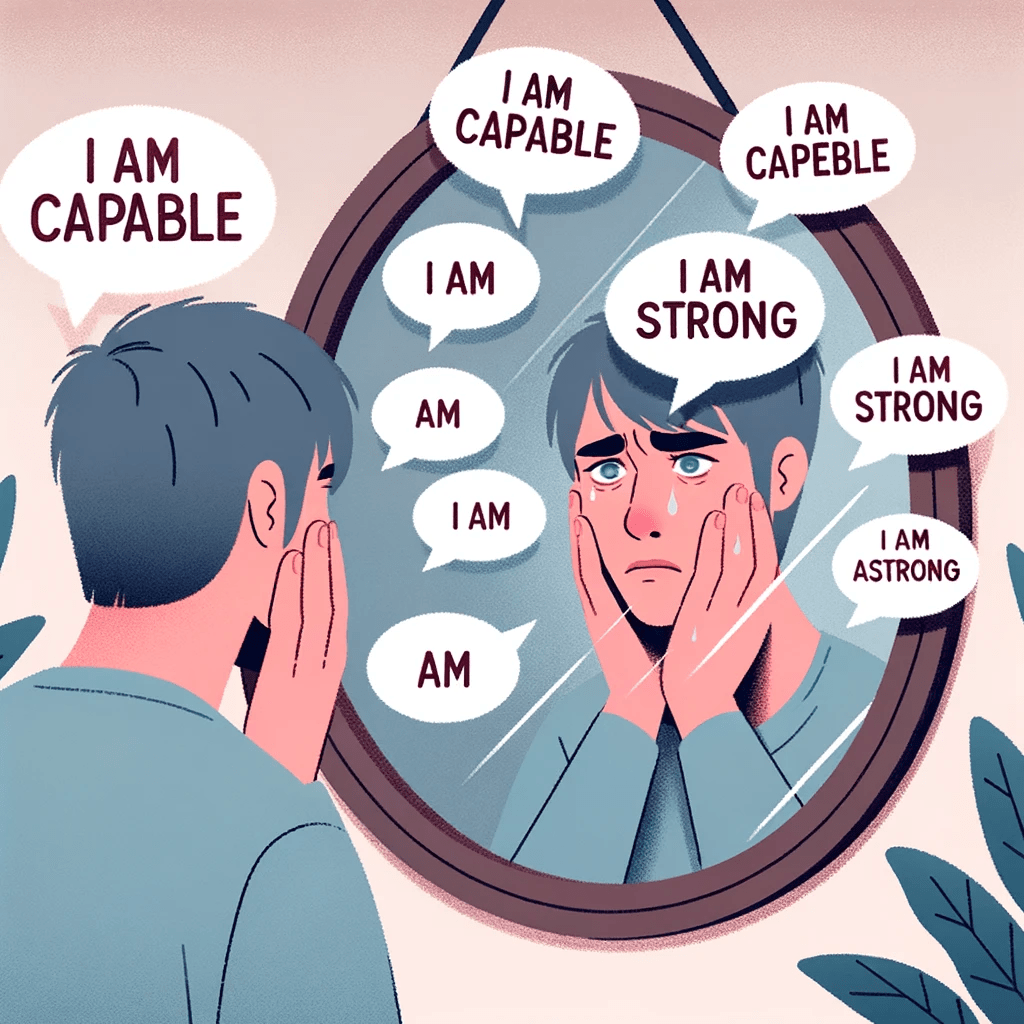
  • Affirmations: Positive statements that aim to overcome negative thoughts, affirmations serve as reminders of our abilities, our worth, and our potential, gently steering our minds towards positivity and possibility.
  • Visualization: A technique that involves visualizing our goals, dreams, and successes, visualization serves as a tool that not only clarifies our desires but also propels our subconscious mind towards action and achievement.
  • Mindfulness and Meditation: Practices that ground us in the present, mindfulness and meditation serve as tools that not only foster a sense of calm and peace but also enhance our awareness, ensuring that our actions are aligned with our goals and values.

In the subsequent chapters, we shall continue to explore, navigate, and understand the multifaceted world of laziness and motivation. From practical strategies to psychological insights, this guide is crafted to be your companion in your journey towards a life that is not merely lived but is consciously crafted, a life that is not bound by the chains of laziness but is propelled towards action, purpose, and fulfillment.

How to Maintain Consistent Motivation: A Beacon of Perseverance Amidst the Ebb and Flow of Life

In the journey of “How to Stop Being Lazy and Unmotivated,” maintaining consistent motivation emerges as a beacon that illuminates our path, even amidst the inevitable ebb and flow of life. It’s not merely about igniting the spark of motivation but ensuring that it continues to burn brightly, guiding us towards our goals, dreams, and aspirations, even amidst challenges, setbacks, and failures.

The Quintessence of Consistency in Motivation: A Steady Flame Amidst the Winds of Challenges

Consistency in motivation is akin to a steady flame that continues to burn, even amidst the gusty winds of challenges and setbacks. It’s about ensuring that the flame of motivation, once ignited, continues to illuminate our path, providing light and direction, even when the journey gets arduous and the path, uncertain.

Strategies for Maintaining Motivation: Nurturing and Sustaining the Flame Within

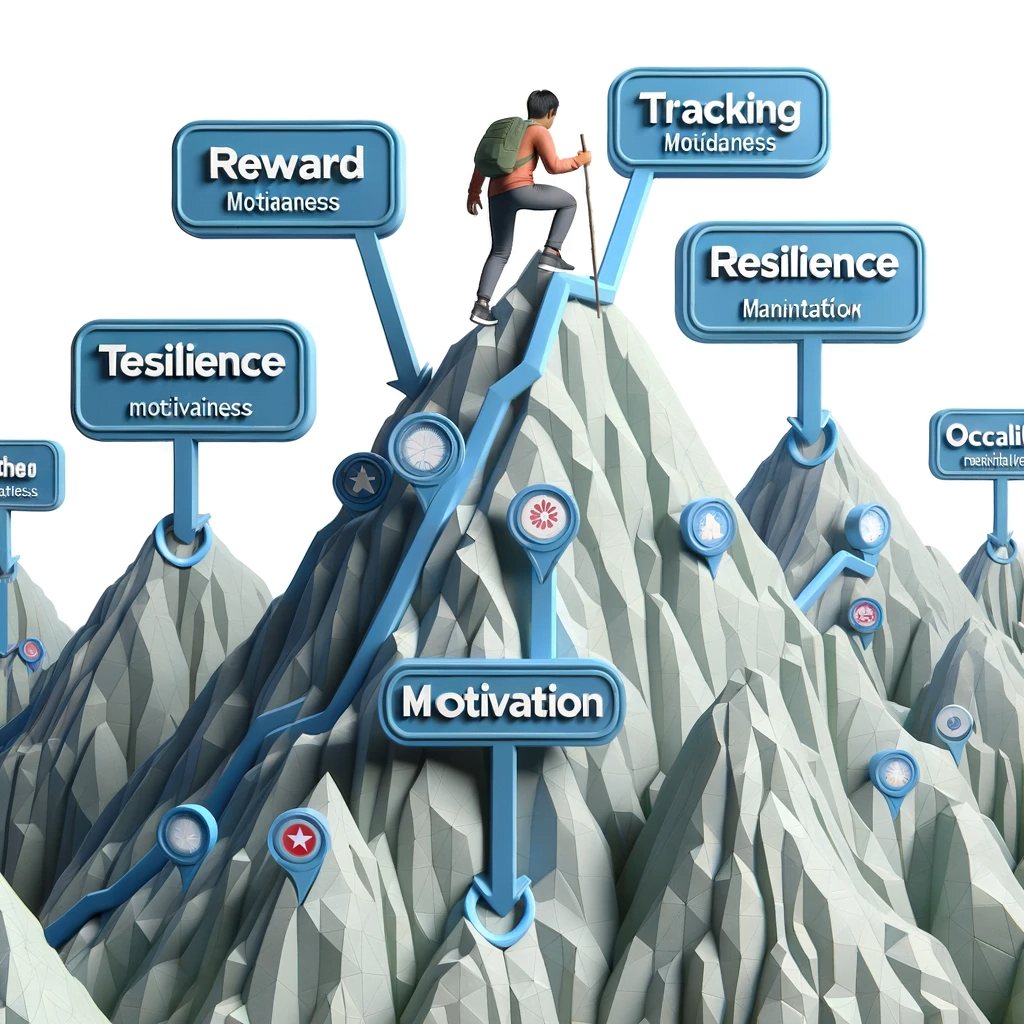
  • Rewards: Implementing a reward system that not only acknowledges but also celebrates milestones, ensuring that every step taken is recognized, appreciated, and celebrated.
  • Tracking Progress: Utilizing tools and techniques to track progress, ensuring that every step, no matter how small, is documented, providing a visual representation of the journey traversed and the path that lies ahead.
  • Community and Support: Engaging in communities and seeking support, ensuring that the journey is not traversed alone but is shared, celebrated, and sometimes, even commiserated.

Dealing with Setbacks and Failures: Viewing Challenges Through a Lens of Growth and Opportunity

Setbacks and failures, often perceived as deterrents, are, in reality, stepping stones, opportunities that provide insights, learnings, and sometimes, redirection towards paths that are more aligned with our goals and aspirations. It’s about perceiving challenges not as obstacles but as opportunities for growth, learning, and development.

In the chapters to come, we shall continue to explore, navigate, and understand the multifaceted world of laziness and motivation. From understanding the science behind motivation to exploring real-life stories of transformation, this guide is crafted to be your companion in your journey towards a life that is not merely lived but is consciously crafted, a life that is not bound by the chains of laziness but is propelled towards action, purpose, and fulfillment.

Real-Life Success Stories: Triumph Over Laziness and Unleashing Potential

Embarking on a journey to understand “How to Stop Being Lazy and Unmotivated,” we find inspiration and wisdom in the tales of those who have walked this path before us. Real-life stories of individuals who, amidst the shackles of laziness and unmotivation, found the strength, courage, and perseverance to break free, to rise, and to triumph. These stories, rich with experiences, struggles, and victories, serve not merely as tales of inspiration but as beacons of wisdom, guiding us in our own journeys towards motivation, action, and achievement.

Story 1: The Unlikely Marathoner

Meet John, a man whose life was once defined by the confines of his comfort zone, a zone that was characterized by inactivity, procrastination, and unfulfilled dreams. The turning point came when a health scare jolted him into reality, propelling him towards change. His journey from being a non-runner to completing a marathon is not merely a story of physical transformation but is a testament to the power of a shifted mindset, disciplined routine, and unwavering perseverance.

Lessons Learned:

  • Shift in Mindset: The first step towards change is a shift in mindset, a belief that change is possible.
  • Discipline and Routine: Consistency, discipline, and a structured routine serve as the pillars that support the journey towards any goal.

Story 2: The Aspiring Writer

Next, we have Lisa, a woman whose dreams of becoming a writer were buried under the weight of self-doubt and fear of failure. Her story unfolds as she decides to challenge the voice of doubt and fear, embarking on a journey that not only leads her to become a published author but also transforms her fear into a source of inspiration and her self-doubt into a wellspring of creativity.

Lessons Learned:

  • Embrace Fear: Fear, when embraced, has the potential to transform into a powerful source of motivation and inspiration.
  • Challenge Self-Doubt: Challenging and overcoming self-doubt unleashes potential and opens doors to possibilities.

How to Apply These Lessons in Your Life

  • Embrace and Implement Change: Identify areas in your life that are calling for change and take intentional steps towards implementing this change.
  • Develop and Stick to a Routine: Establish a routine that supports your goals and ensure that you stick to it, even amidst challenges and setbacks.
  • Seek and Find Inspiration: Find inspiration in the stories of others and use this inspiration as a fuel that propels you towards your goals.

In the chapters that follow, we shall delve deeper into the world of motivation, exploring strategies, techniques, and insights that promise not merely a journey towards our goals but a journey that is enriched with learning, growth, and transformation.

Common Mistakes and Misconceptions About Laziness: Unveiling Truths and Navigating Through Misunderstandings

In our journey to comprehend “How to Stop Being Lazy and Unmotivated,” it’s pivotal to address the myriad of myths and misconceptions that often cloud our understanding and approach towards laziness and unmotivation. These misconceptions not only mislead us but also potentially hinder our progress towards overcoming laziness and fostering motivation. In this section, we shall debunk some prevalent myths, highlight common mistakes, and guide you on how to sidestep or rectify these pitfalls.

Debunking Myths About Laziness and Unmotivation

  1. Myth: Laziness is a Choice
    • Truth: Laziness can often be a manifestation of underlying issues such as burnout, mental health struggles, or physical exhaustion.
  2. Myth: Procrastination is Synonymous with Laziness
    • Truth: Procrastination might stem from a fear of failure or perfectionism, not necessarily laziness.
  3. Myth: Laziness Indicates Lack of Willpower
    • Truth: Laziness might be unrelated to willpower and could be influenced by various psychological or physical factors.

Addressing Common Mistakes in Overcoming Laziness

  1. Overcommitting: Taking on too many tasks, assuming it will counteract laziness, often leads to burnout.
  2. Neglecting Underlying Issues: Ignoring potential psychological or physical reasons behind laziness can derail efforts to overcome it.
  3. Implementing Unsustainable Routines: Adopting rigorous routines that are not feasible in the long run can lead to relapse into lazy patterns.

How to Avoid or Rectify These Mistakes

  • Adopt a Balanced Approach: Ensure that your efforts to overcome laziness are balanced and sustainable to prevent burnout and ensure consistency.
  • Address Root Causes: Seek to understand and address any underlying psychological or physical factors contributing to laziness.
  • Develop Sustainable Routines: Implement routines and strategies that are realistic, achievable, and adaptable to your lifestyle and capabilities.

In the subsequent sections, we shall delve deeper into practical, sustainable strategies and insights that will not only guide you in overcoming laziness and fostering motivation but will also ensure that your journey is balanced, healthy, and enriched with genuine growth and transformation.

In Conclusion: Empowering Your Journey Beyond Laziness and Unmotivation

Embarking on a journey to understand and conquer laziness and unmotivation is no small feat. Throughout this guide on “How to Stop Being Lazy and Unmotivated,” we’ve navigated through the intricate web of psychological aspects, practical strategies, and real-life narratives, all aimed at equipping you with the knowledge and tools to uplift yourself from the quagmire of inactivity and disinterest.

A Recap of the Voyage

We’ve dissected the multifaceted nature of laziness and unmotivation, delving into the psychological and physical realms that contribute to these states. From understanding the psychological underpinnings of motivation to identifying personal triggers and debunking prevalent myths, our journey has been both enlightening and empowering. The strategies discussed, such as setting SMART goals, developing sustainable routines, and adopting a positive mindset, are your arsenal against the pervasive tendrils of laziness.

Your Path Forward: A Beacon of Hope and Motivation

Remember, the path towards consistent motivation and away from laziness is not linear. It will be punctuated with challenges and setbacks. But armed with the right strategies and a resilient mindset, every stumbling block becomes a stepping stone towards your goals. Your journey does not end here; it evolves, and every step you take forward is a victory against unmotivation.

Engage, Share, and Continue the Journey

Your story is powerful. It’s a beacon that can light the way for others sailing in a similar storm. Engage with this content, apply the strategies, and observe the transformations within your life. Share your journey, the successes, and the hurdles, for your narrative could be the catalyst for change in someone else’s life.

7 Proven Strategies to Overcome Self-Doubt and Elevate Your Self-Esteem

Unveiling the Power Within by Overcoming Self-Doubt

Self-doubt, a shadow that often lurks in our minds, casting a veil over our true potential and dimming the light of our self-esteem. It’s that whispering voice, questioning our worth, abilities, and decisions, leading us into a spiral of second-guessing and, ultimately, stagnation. But what if we told you that within this shadow, there lies an opportunity? An opportunity to rise, redefine, and reclaim our self-worth. Today, we delve into the realm of self-doubt, exploring its intricate relationship with self-esteem and unveiling Proven Strategies to Overcome Self-Doubt.

The Silent Battle Within: Self-Doubt and Its Impact

Self-doubt is not merely a feeling; it’s a silent battle within, often dictating our actions, or rather, inactions, and shaping our self-perception. It’s that internal dialogue that constantly questions our capabilities, creating a barrier between our current selves and the potential to become who we aspire to be. This invisible barrier not only hinders our personal growth but also significantly impacts our self-esteem. When we continuously doubt our abilities, our self-esteem – our overall opinion of ourselves – takes a hit. It’s a vicious cycle, where self-doubt diminishes self-esteem, and low self-esteem, in turn, fuels further self-doubt.

The Imperative of Rising Above: Why Overcoming Self-Doubt is Crucial

Breaking free from the chains of self-doubt is not merely about boosting confidence; it’s about liberating ourselves, enabling us to live authentically and realize our fullest potential. Overcoming self-doubt paves the way for enhanced self-esteem, improved mental health, and ultimately, a life that resonates with our true selves. It’s about silencing the internal critic, allowing us to take risks, embrace opportunities, and navigate through life’s journey with an unwavering belief in ourselves.

A Glimpse into the Journey Ahead: 7 Strategies to Illuminate Your Path

Embarking on this transformative journey, we’ll explore seven pivotal strategies, each a beacon of light, guiding us through the darkness of self-doubt towards the dawn of elevated self-esteem. From embracing our doubts to cultivating a positive mindset, seeking professional guidance, building a robust support system, engaging in self-improvement activities, setting and achieving goals, to practicing self-compassion – each strategy is a step towards empowerment, designed to dismantle the fortress of self-doubt and elevate our self-esteem.

The Intricacies of Self-Doubt: A Deep Dive into Its Manifestations and Implications

Unveiling the Hidden Facets of Self-Doubt

Self-doubt, a seemingly simple two-word phrase, yet beneath it lies a complex web of emotions, thoughts, and experiences that intricately weave through our psyche. It’s not merely a fleeting thought of uncertainty but a persistent whisper, subtly eroding our confidence and self-belief. But what does self-doubt truly entail, and how does it manifest in our daily lives and interactions?

Manifestations: The Many Faces of Self-Doubt

From the outside, self-doubt might appear as mere hesitation or indecision. However, delve a bit deeper, and you’ll discover it’s much more pervasive, casting shadows over various aspects of our lives. It might manifest as perpetual self-questioning, avoidance of opportunities, or even self-sabotage. It’s that inner voice that questions our worthiness of success, our abilities, and our decisions, often leading us down a path of missed opportunities and unfulfilled potential.

Psychological Implications: The Silent Struggle Within

The psychological implications of self-doubt are profound and multifaceted. It’s a silent struggle, often leading to anxiety, stress, and eventually, diminished mental well-being. The constant questioning and self-criticism can lead to a state of mental and emotional exhaustion, where even the simplest decisions become daunting. It’s a cycle where self-doubt fuels anxiety, and in return, anxiety amplifies self-doubt, creating a perpetual loop of mental turmoil.

Social Implications: The Ripple Effects on Interactions and Relationships

Externally, self-doubt doesn’t just stay confined within us; it ripples out, affecting our social interactions and relationships. It might hold us back from expressing our thoughts, standing up for ourselves, or forming meaningful connections with others. The fear of judgment, rooted in self-doubt, can lead to isolation and create barriers, preventing genuine interactions and the formation of deep, meaningful relationships.

Real-Life Narratives: Stories of Struggle and Triumph

Consider the story of Maya, a talented artist, yet plagued by self-doubt. Her journey from shying away from opportunities, questioning her abilities, to eventually finding a path that utilized Proven Strategies to Overcome Self-Doubt, is both inspiring and relatable. Or Alex, a proficient coder, whose self-doubt manifested as impostor syndrome, constantly feeling undeserving of his achievements until he learned to navigate through it, embracing his successes and abilities.

The Vital Role of Self-Esteem: A Pillar for Personal and Professional Flourishing

Unraveling the Essence of Self-Esteem

Self-esteem, a term we’ve all heard and used, yet its depth and significance in our lives often remain unexplored. It’s not merely a reflection of self-worth but a compass that subtly guides our thoughts, actions, and interactions. But what precisely is self-esteem, and why does it hold such a pivotal role in our lives?

Defining Self-Esteem: More Than Just Self-Perception

Self-esteem transcends beyond how we perceive ourselves; it’s an intrinsic belief that influences our actions, decisions, and interactions. It’s the lens through which we view our abilities and worth, shaping our approach towards challenges and opportunities alike. High self-esteem propels us with confidence, while low self-esteem often shackles us with doubt and hesitation.

The Interplay Between Self-Doubt and Self-Esteem

Imagine navigating through life with a constant critic in your mind, questioning every step you take. That’s the role self-doubt often plays, subtly eroding our self-esteem. This intricate relationship between self-doubt and self-esteem is like a see-saw. When self-doubt weighs heavy, self-esteem lifts, creating an imbalance that can stifle our potential and hinder our pursuits. It’s a delicate balance, where mitigating self-doubt often paves the way for bolstering self-esteem, and here, Proven Strategies to Overcome Self-Doubt can be a beacon of guidance.

The Ripple Effects of Enhanced Self-Esteem on Life’s Various Arenas

Elevated self-esteem doesn’t merely uplift our spirits; it cascades into various aspects of our lives, both personal and professional. On a personal front, it enhances our relationships, as we interact with others from a place of confidence and self-assurance. It allows us to embrace our authentic selves, fostering genuine connections and interactions.

In the professional realm, high self-esteem becomes a catalyst for growth and opportunities. It empowers us to take risks, embrace challenges, and navigate through our career path with an unwavering belief in our capabilities. It’s not merely a personal attribute but a professional tool, enabling us to carve our path with assurance and adeptness.

Strategy 1: Embracing and Understanding Self-Doubt – A Stepping Stone Towards Elevated Self-Esteem

Acknowledging Self-Doubt: The First Step Towards Transformation

Embarking on a journey to elevate self-esteem, we first encounter a familiar foe – self-doubt. It’s that persistent whisper, subtly undermining our confidence and capabilities. Acknowledging self-doubt is not about conceding defeat but recognizing its presence, thereby taking the first step towards dismantling its influence. It’s about turning the spotlight onto this shadow, understanding its nuances, and thereby, disempowering its grip over our actions and thoughts.

Navigating Through the Shadows: Steps and Exercises to Embrace Self-Doubt

Embracing self-doubt involves a delicate dance of recognizing, understanding, and navigating through its intricate web. Here are some steps and exercises designed to guide you through this journey:

  • Journaling: Document your moments of self-doubt, exploring the triggers and underlying beliefs that fuel it.
  • Mindfulness Practices: Engage in mindfulness exercises, observing self-doubt without judgment, and gently guiding your focus back to the present moment.
  • Affirmations: Cultivate a list of positive affirmations, designed to counterbalance the negative narratives of self-doubt.
  • Seek Feedback: Engage in conversations with trusted individuals, seeking feedback, and gaining alternative perspectives on your abilities and actions.

Incorporating these exercises into your routine, you gradually weave a tapestry of understanding and acceptance around self-doubt, thereby diminishing its influence and paving the way for enhanced self-esteem.

Triumph Over Doubt: Success Stories to Illuminate the Path

Consider the narrative of Sarah, a budding entrepreneur, whose journey was often clouded by self-doubt. Her path, from hesitating to make decisions, fearing failure, to eventually launching a successful startup, was illuminated by Proven Strategies to Overcome Self-Doubt. Or reflect upon the story of Jake, a talented musician, whose self-doubt often silenced his melodies. His journey from self-suppression to performing on stage was carved by embracing and navigating through his self-doubt, transforming it into a source of inspiration and expression.

Practical Tips: Guiding Lights on Your Journey

  • Celebrate Small Wins: Acknowledge and celebrate your achievements, no matter how small, reinforcing positive self-perception.
  • Practice Self-Compassion: Be gentle with yourself, recognizing that self-doubt is a common human experience, not a personal flaw.
  • Engage in Continuous Learning: Embrace a mindset of continuous learning and exploration, viewing challenges as opportunities for growth rather than tests of worthiness.

Strategy 2: Harnessing the Power of Positive Affirmations and Mindset Shift for Self-Empowerment

The Unseen Force of Positive Thinking and Affirmations

In the realm of self-improvement and personal development, positive thinking and affirmations have emerged as silent yet potent forces. They are not merely words or optimistic thoughts but powerful tools that shape our mindset, influence our actions, and thereby, sculpt our reality. But how do positive affirmations and a shift towards optimistic thinking weave into our journey of overcoming self-doubt and elevating self-esteem?

Crafting a Positive Mindset: A Practical Guide

Developing a positive mindset is akin to cultivating a garden, where intentional efforts, consistent nurturing, and a bit of patience gradually blossom into a landscape of positivity and resilience. Here’s a practical guide to fostering a positive mindset:

  • Identify Negative Patterns: Recognize and jot down recurring negative thoughts and patterns.
  • Craft Positive Affirmations: Develop affirmations that counteract these negative thoughts, ensuring they are positive, present tense, and personal.
  • Mindful Repetition: Integrate these affirmations into your daily routine, repeating them mindfully, and embedding them into your subconscious.
  • Visualize Positivity: Engage in visualization exercises, imagining scenarios where your affirmations translate into actions and realities.

Daily Practices: Embedding Affirmations into Your Routine

Incorporating affirmations into your daily practices doesn’t merely infuse positivity into your days but gradually alters your mindset and perspective. Here are some exercises and practices to seamlessly weave affirmations into your routine:

  • Morning Mirror Affirmations: Begin your day by reciting affirmations in front of the mirror, establishing a positive tone for the day.
  • Affirmation Journaling: Dedicate a few moments each day to jot down affirmations and positive experiences in a journal.
  • Mindful Meditation: Engage in mindful meditation, focusing on your affirmations and visualizing them permeating your actions and life.
  • Affirmation Reminders: Set periodic reminders on your phone or sticky notes around your space, providing gentle nudges of positivity throughout the day.

In the context of Proven Strategies to Overcome Self-Doubt, positive affirmations and a mindset shift emerge as pivotal elements, subtly altering our internal narrative, and thereby, influencing our external world.

Real-Life Application: Transforming Thoughts into Actions

Consider the journey of Lisa, who utilized positive affirmations to navigate through career transitions, transforming self-doubt into self-assurance. Or reflect upon John’s story, where affirmations became a beacon of positivity amidst personal challenges, guiding him towards resilience and emotional strength.

Strategy 3: Navigating Through the Fog with Professional Help

Recognizing the Need: When and Why to Seek Professional Help

Embarking on a journey towards self-improvement, especially when navigating through the murky waters of self-doubt, can often be a solitary and daunting endeavor. Recognizing the need for professional help is not a sign of weakness but a beacon of self-awareness and strength. But when does one discern this need, and why is seeking professional help pivotal in the journey of overcoming self-doubt?

Exploring Avenues: Therapy, Coaching, Workshops, and Beyond

In the realm of professional help, numerous avenues cater to varied needs, preferences, and journeys. Let’s delve into exploring some of these paths:

  • Therapy: A space of non-judgmental exploration, where individuals can unravel, understand, and navigate through their emotional and psychological landscapes with a licensed professional.
  • Coaching: Engaging with a coach, individuals can carve out strategies, goals, and pathways, transforming insights into tangible actions and outcomes.
  • Workshops: Through workshops, individuals can explore specific themes, gain insights, and engage in practical exercises in a structured and group setting.
  • Online Platforms: Leveraging technology, numerous online platforms provide resources, courses, and professional guidance, accessible from the comfort of one’s space.

In the context of Proven Strategies to Overcome Self-Doubt, each of these avenues provides unique perspectives, tools, and environments to explore, understand, and navigate through self-doubt, thereby elevating self-esteem.

Voices of Transformation: Testimonials and Impact of Professional Guidance

Consider the journey of Alex, who through therapy, unraveled the roots of his self-doubt, transforming them into seeds of self-assurance and confidence. Or reflect upon Mia’s story, where through coaching, she navigated through her career transition, transforming self-doubt into a compass guiding her towards her passions and strengths.

Strategy 4: Weaving a Safety Net with a Robust Support System

Anchoring Stability: The Quintessence of a Strong Support System

In the turbulent seas of self-doubt, a robust support system emerges as an anchor, providing stability, reassurance, and a safe harbor to navigate through the storms. The essence of a support system transcends beyond mere companionship, evolving into a space of understanding, validation, and encouragement, especially pivotal when traversing through the pathways of self-doubt and towards the realms of elevated self-esteem.

Constructing and Leaning on Your Support System: A Guided Pathway

Building and leaning on a support system is not merely about surrounding oneself with individuals but intentionally creating a space that nurtures, supports, and uplifts. Here’s a guided pathway to developing and leaning on your support system:

  • Identify Your Pillars: Recognize individuals who provide understanding, encouragement, and non-judgmental support.
  • Communicate Openly: Cultivate an environment of open communication, where feelings, struggles, and victories are shared freely.
  • Mutual Support: Ensure the support system is not unidirectional but a mutual space of support, encouragement, and upliftment.
  • Engage in Joint Activities: Participate in activities that foster bonding, understanding, and mutual growth.

In the context of Proven Strategies to Overcome Self-Doubt, a support system becomes a tangible strategy, providing a safe space to explore, understand, and navigate through self-doubt, thereby fostering self-esteem.

Stories of Upliftment: The Transformative Power of a Support System

Reflect upon Sarah’s journey, where her support system became her fortress, providing her with the strength to navigate through professional challenges, transforming self-doubt into self-assurance and resilience. Or ponder upon David’s story, where his support system became a lighthouse, guiding him through personal storms, enabling him to transform self-doubt into a compass towards self-discovery and elevated self-esteem.

Strategy 5: Sculpting the Self through Engaging Self-Improvement Activities

A Palette of Activities: Exploring Various Self-Improvement Endeavors and Their Boons

Embarking on the journey of self-improvement is akin to sculpting oneself, where each activity, each endeavor, chips away at self-doubt, gradually revealing the statue of self-esteem hidden within the stone. From mindfulness practices, such as meditation and yoga, to skill enhancement activities, like workshops and courses, the palette of self-improvement activities is diverse, each color splashing its unique hue of benefits onto the canvas of our being.

Impactful Echoes: The Resonance of Activities on Self-Doubt and Self-Esteem

Engaging in self-improvement activities is not merely an act but a ripple, each wave gently caressing the shores of self-doubt and self-esteem, reshaping them with every touch. Mindfulness practices, for instance, provide a sanctuary, a space to explore and understand the self, thereby reducing the echoes of self-doubt. Skill enhancement activities, on the other hand, bolster self-esteem by providing tangible proof of one’s capabilities and potential.

In the context of Proven Strategies to Overcome Self-Doubt, each activity becomes a strategy, a tool, that not only chips away at self-doubt but also simultaneously sculpts self-esteem, crafting a balanced, authentic self.

A Daily Brushstroke: Incorporating Self-Improvement Activities into Everyday Life

Incorporating self-improvement activities into daily life is akin to adding a brushstroke to the canvas every day, gradually creating a masterpiece over time. Here’s a guide to seamlessly weave these activities into the tapestry of daily life:

  • Routine Integration: Embed activities within existing routines, ensuring consistency and sustainability.
  • Setting Achievable Goals: Establish realistic, achievable goals, providing direction and motivation.
  • Celebrating Milestones: Acknowledge and celebrate milestones, no matter how small, fostering motivation and positivity.
  • Reflect and Adjust: Regularly reflect upon the journey, adjusting activities and strategies as per evolving needs and insights.

Strategy 6: Crafting Confidence through Setting and Achieving Small Goals

The Pinnacle of Small Triumphs: Unveiling the Significance of Goal Setting in Elevating Self-Esteem

Embarking on the journey towards self-assurance often begins with the subtle, yet potent, act of setting and achieving small goals. These seemingly minute victories, each a whisper, collectively roar, echoing the affirmation of one’s capabilities and gradually dismantling the fortress of self-doubt. The act of setting a goal, no matter its size, is a declaration of self-belief, a promise that paves the path towards enhanced self-esteem, especially when we discuss Proven Strategies to Overcome Self-Doubt.

A Guided Path: Navigating through the Steps of Setting, Tracking, and Achieving Small Goals

  1. Identifying the Goal: Begin by identifying a goal that is specific, measurable, achievable, relevant, and time-bound (SMART).
  2. Crafting a Roadmap: Develop a step-by-step plan, ensuring each step is clear, achievable, and directed towards the goal.
  3. Tracking Progress: Employ tools or journals to track progress, ensuring alignment with the roadmap and providing insights into potential adjustments.
  4. Embracing Flexibility: Be open to modifying the roadmap as per evolving insights and circumstances, ensuring sustainability and relevance.
  5. Achieving and Reflecting: Upon achieving the goal, engage in reflection, understanding the journey, and extracting insights for future endeavors.

The Echo of Celebrations: Reveling in Achievements and Its Resonance with Self-Worth

Celebrating achievements, be it small goals or monumental milestones, is not merely an act of revelry but a potent echo that reverberates through the realms of self-worth and self-esteem. Each celebration is an acknowledgment, a recognition of one’s capabilities, potential, and journey. It’s a potent antidote to self-doubt, gradually diluting its essence with every cheer, every pat on the back, and every moment of joyous reflection.

Strategy 7: Nurturing the Soul through Practicing Self-Compassion and Kindness

Unveiling the Essence of Self-Compassion: A Guided Journey Within

Embarking on the path of self-compassion, we find ourselves gently cradled in the arms of our own understanding and kindness. It’s a journey where we learn to be our own ally, especially amidst the turbulent times of self-doubt and criticism. Practicing self-compassion is not merely an act but a commitment, a promise to stand by ourselves, recognizing that the path to overcoming self-doubt is intricately woven with threads of self-kindness, a crucial element in Proven Strategies to Overcome Self-Doubt.

The Gentle Embrace of Self-Kindness: A Pillar in the Fortress Against Self-Doubt

The role of self-kindness is pivotal, acting as a gentle, reassuring whisper amidst the clamor of self-doubt. It’s a reminder that we are worthy of kindness and understanding, especially from ourselves. Self-kindness is not about ignoring our faults but embracing them with warmth, understanding that they are fragments of our journey, not definitions of our worth.

Cultivating the Garden of Self-Compassion: Exercises and Practices to Sow and Nourish Seeds of Kindness

  1. Mindful Awareness: Engage in practices that enhance mindfulness, ensuring a non-judgmental awareness of self and experiences.
  2. Self-Compassion Meditation: Dedicate moments to meditate, focusing on sending waves of compassion to oneself, acknowledging pain, and enveloping it with understanding and kindness.
  3. Journaling: Engage in reflective journaling, exploring moments of self-doubt with a lens of compassion, understanding, and non-judgment.
  4. Affirmations: Develop and recite affirmations that resonate with self-compassion and kindness, ensuring they are genuine and reflective of one’s journey towards self-acceptance.

Overcoming Setbacks on the Journey: A Beacon of Resilience Amidst the Storms

Embracing the Ebb and Flow: Addressing and Accepting Failures and Setbacks

In the journey of life, where aspirations and dreams propel us forward, setbacks and failures often emerge as uninvited travelers, casting shadows of self-doubt and despair. But what if we viewed them through a different lens? A perspective that sees setbacks not as insurmountable obstacles but as vital stepping stones, sculpting our path towards growth and wisdom. It’s here that we find the first of our “Proven Strategies to Overcome Self-Doubt”: the art of embracing and learning from the ebbs and flows of our journey.

Rising from the Ashes: Strategies to Bounce Back and Stay on Track

Setbacks, while daunting, also present a unique opportunity to rise, rebuild, and rediscover our strengths. Bouncing back is not about erasing the past but about harnessing its lessons to forge a future that’s resilient and informed. Here are a few strategies to navigate through setbacks:

  • Reflect and Learn: Understand the setback, identifying key learnings and areas for growth.
  • Reset and Plan: Develop a plan that incorporates new learnings, ensuring a structured and informed path forward.
  • Reignite and Move: Fuel your journey with the wisdom acquired, moving forward with renewed vigor and insight.

The Unseen Power of Resilience: Encouraging Continuous Effort Amidst Challenges

Resilience is not merely the capacity to recover but also the ability to evolve through challenges, transforming setbacks into opportunities for profound growth and development. It’s a silent power that whispers encouragement when the path seems steep, ensuring that the flames of effort and determination continue to burn brightly, even amidst the gusts of challenges.

In Conclusion: The Unveiling Pathway to Triumph Over Self-Doubt

In the intricate tapestry of our lives, where threads of joys, achievements, setbacks, and learnings intertwine, we’ve embarked on a profound journey exploring the “Proven Strategies to Overcome Self-Doubt”. A journey that not only illuminates the dark corners of self-doubt but also lights a torch of resilience, self-compassion, and unwavering self-belief.

A Glimpse into the Strategies: The Seven Pillars of Overcoming Self-Doubt

  1. Embracing Self-Doubt: Acknowledging its presence, understanding its roots, and transforming it into a stepping stone towards self-growth.
  2. Positive Affirmations: Cultivating a garden of positive thoughts and affirmations, nurturing the seeds of self-belief and confidence.
  3. Seeking Professional Help: Recognizing when to seek help and embracing the transformative power of professional guidance.
  4. Building a Support System: Crafting a network of support that uplifts, encourages, and stands firm during times of despair.
  5. Engaging in Self-Improvement: Investing in activities that foster self-growth, enhancing self-esteem, and diminishing self-doubt.
  6. Setting and Achieving Goals: Crafting achievable goals, celebrating milestones, and weaving a net of self-worth and accomplishment.
  7. Practicing Self-Compassion: Being kind to oneself, practicing self-compassion, and becoming one’s own beacon of encouragement and support.

The Continuous Journey: Encouraging Persistence and Unwavering Practice

The strategies, while diverse and multifaceted, converge on a singular truth: the power to overcome self-doubt resides within us. It’s a continuous journey, where each step, each practice, and each moment of self-compassion propels us towards a self that’s resilient, confident, and unshaken by the tremors of doubt.

Embarking on Your Journey: A Call to Action

As we stand on the brink of possibilities, let’s take a moment to reflect, to acknowledge our strengths, and to embrace our vulnerabilities. Let’s embark on this journey with a heart that’s open to learning, a mind that’s willing to unlearn, and a spirit that’s unbreakable in its pursuit.

7 Powerful Self Esteem Bible Quotes to Inspire Confidence Every Day

Introduction

A. The Pivotal Role of Self Esteem in Our Lives

In the tapestry of life, where challenges and triumphs interweave, our self-esteem often emerges as the vibrant thread that shapes our narrative. It’s that intrinsic belief in our worth and abilities that propels us forward, enabling us to navigate through the ebbs and flows of life with resilience and poise. But, what happens when this thread frays, and self-doubt begins to seep in? This is where the timeless wisdom encapsulated within “Self Esteem Bible Quotes” can serve as a beacon of light, gently guiding us back towards a path of self-affirmation and confidence.

B. Bible Quotes: A Timeless Source of Inspiration and Confidence

The Bible, a revered text, has long been a source of solace and strength for many, offering a sanctuary of words that uplift and inspire. Bible quotes, especially those that speak to self-esteem and self-worth, have the profound ability to resonate with our innermost feelings, providing comfort and reassurance in moments of doubt. They serve as gentle reminders that our worth is immeasurable and that we are, unequivocally, deserving of love and respect. These scriptural affirmations, when embraced, can fortify our self-esteem, enabling us to approach life with a renewed sense of vigor and self-assurance.

C. Embarking on a Journey Through 7 Empowering Bible Quotes

In the ensuing passages, we will delve into 7 potent Bible quotes, each a nugget of wisdom, offering insights into the divine perspective on our intrinsic worth and capabilities. These quotes, carefully selected, will serve as our companions in this journey towards bolstering self-esteem and fostering a robust sense of self-belief. Through thoughtful interpretation and reflection, we will explore how these timeless words can be woven into our daily lives, acting as steadfast pillars of confidence and self-love.

The Intersection of Faith and Self Esteem

A. Exploring the Concept of Self Esteem in a Religious Context

In the realm of spirituality, where faith and self-perception often intertwine, self-esteem emerges as a poignant topic, warranting exploration and understanding. The concept of self-esteem, particularly within a religious context, transcends mere self-confidence, evolving into a profound recognition of one’s worth through the lens of divine love and acceptance. It’s not merely about seeing ourselves through our own eyes but also perceiving our value through the benevolent gaze of a higher power. The spiritual journey, thus, becomes a conduit through which we navigate our self-worth, intertwining our earthly experiences with celestial beliefs.

B. The Role of Scripture in Shaping Self-Perception

Scripture, in its essence, is a tapestry of divine revelations, guiding beliefs, and moral compasses. It becomes particularly pivotal when exploring self-perception, as it provides a framework that shapes our understanding of worth and value, not just as individuals, but as cherished beings in the spiritual realm. “Self Esteem Bible Quotes,” for instance, serve as gentle, yet powerful, reminders of our intrinsic worth and divine favor. They act as mirrors reflecting not only our earthly selves but our spiritual identities, intricately molded by faith and belief. These scriptures, when internalized, can profoundly influence our self-perception, embedding a robust sense of self-worth that is anchored in divine affirmation and love.

C. Real-life Stories/Examples of People Finding Confidence through Faith

Consider the narrative of Hannah, a woman who found herself engulfed in self-doubt and despair due to her inability to conceive. Her journey, as depicted in the scriptures, is not merely a tale of sorrow but a testament to finding confidence through unwavering faith. Hannah turned to fervent prayer, laying bare her vulnerabilities before the divine. It was through this unshakable faith that she not only found solace but also redefined her self-worth, independent of her circumstances.

Similarly, numerous real-life stories echo this sentiment, where individuals have found a reservoir of confidence through their faith. Consider John, a man who battled with crippling self-doubt following a career setback. It was through immersing himself in scripture, particularly in self-esteem Bible quotes, that he found the strength to rebuild, not just his career, but his self-perception, recognizing that his worth was not tethered to worldly successes but was infinite in the eyes of the divine.

Analyzing the 7 Powerful Self Esteem Bible Quotes

A. Quote 1

Quote Text

But you are a chosen people, a royal priesthood, a holy nation, God’s special possession, that you may declare the praises of him who called you out of darkness into his wonderful light.” – 1 Peter 2:9

Interpretation

This profound verse from 1 Peter illuminates the intrinsic worth bestowed upon us by the divine. It’s not merely a statement but a declaration of our inherent value in the eyes of God. We are not random entities wandering aimlessly; we are meticulously chosen, deemed royal, and perceived as holy. This scripture underscores the notion that our self-esteem is not a mere reflection of our earthly accomplishments but is deeply rooted in our spiritual identity and divine selection.

Application in Daily Life

In moments where self-doubt seeks to overshadow our self-esteem, this quote acts as a gentle reminder of our divine worth. Integrating this into our daily life means recognizing that our value is not contingent on external validations but is inherently present. When we embrace ourselves as God’s special possession, we navigate through life not with arrogance, but with a humble confidence that emanates from understanding our place in the divine schema.

B. Quote 2

Quote Text

For I am fearfully and wonderfully made; marvelous are Your works, and that my soul knows very well.” – Psalm 139:14

Interpretation

Psalm 139:14 is a potent reminder of our marvelous creation and the intricate design that we embody. It’s a testament that our existence is not arbitrary but a marvelous work of divine craftsmanship. Our self-esteem, therefore, becomes a reflection of recognizing and honoring this divine workmanship within us. It’s an acknowledgment that we are not mere beings but wonderfully made creations, deserving of respect, love, and esteem.

Application in Daily Life

Incorporating this “Self Esteem Bible Quote” into our daily life involves recognizing that every aspect of our being, from our abilities to our shortcomings, is wonderfully made. It means moving through life with the acknowledgment that we are a marvelous creation, deserving of self-love and respect. It’s about seeing ourselves through a lens of love and admiration, not for our perfections, but for our unique design and existence.

C. Quote 3

Quote Text

Do not be conformed to this world, but be transformed by the renewal of your mind, that by testing you may discern what is the will of God, what is good and acceptable and perfect.” – Romans 12:2

Interpretation

Romans 12:2 nudges us towards a path of mental and spiritual renewal, advocating for a transformation that transcends worldly conformities. It’s a call to elevate our self-perception from mere worldly standards to aligning with divine will. Our self-esteem, in this context, is not to be tethered to worldly validations but should be rooted in understanding and aligning with the divine will, which perceives us as inherently good, acceptable, and perfect.

Application in Daily Life

Applying this scripture involves a conscious effort to detach our self-worth from worldly accolades and to immerse it in the divine truth of our inherent goodness and perfection. It’s about renewing our minds daily, reminding ourselves that our worth is not defined by worldly standards but by divine affirmation. This scripture can be a daily affirmation, reminding us to seek validation not from the world but from understanding and aligning with divine will.

D. Quote 4:

Quote Text

“For God gave us a spirit not of fear but of power and love and self-control.” – 2 Timothy 1:7

Interpretation

2 Timothy 1:7 is a potent reminder that our existence is not rooted in fear but is empowered by divine attributes of power, love, and self-control. Our self-esteem, therefore, should be a reflection of recognizing and embracing these divine attributes within us. It’s a call to shift our self-perception from one of inadequacy and fear to recognizing the power, love, and self-control that is inherently within us.

Application in Daily Life

In moments of self-doubt and fear, this scripture can serve as a powerful reminder and affirmation of our inherent divine attributes. It’s about recognizing that our self-worth is not diminished by our fears and inadequacies but is elevated by acknowledging the power, love, and self-control that resides within us. This scripture can be a daily mantra, empowering us to navigate through life with confidence, love, and self-assurance.

Psychological Perspective on Self Esteem and Bible Quotes

A. The Psychological Impact of Positive Affirmations and Quotes

In the intricate landscape of our psyche, positive affirmations and quotes, especially those rooted in spirituality like “Self Esteem Bible Quotes,” hold a significant place. Psychologists often underscore the transformative power of positive affirmations in rewiring our cognitive patterns, fostering a more optimistic and resilient mental framework. These affirmations, particularly when they echo spiritual truths, can act as anchors during turbulent emotional times, providing a steady foundation of self-worth and esteem. The psychological impact is profound, as these affirmations do not merely act as temporary boosts but can catalyze long-term positive changes in our self-perception and mental well-being.

B. How Faith and Scripture Can Be a Source of Psychological Strength

Faith and scripture intertwine to form a potent source of psychological strength, offering a sanctuary of hope, reassurance, and unconditional love. The scriptures, with their profound wisdom and timeless truths, provide a stable framework upon which individuals can build their self-esteem and navigate through life’s challenges. The psychological strength derived from faith and scripture is rooted in the belief of a higher power’s unwavering love and acceptance, providing a consistent source of comfort and encouragement. This spiritual foundation often becomes a wellspring of mental resilience, enabling individuals to face life’s adversities with a fortified spirit and a hopeful perspective.

C. Expert Opinions and Studies on Faith-Based Confidence Building

Numerous studies and expert opinions underscore the pivotal role of faith-based confidence building in enhancing psychological well-being. Dr. Harold G. Koenig, a renowned psychiatrist and researcher, emphasizes the positive correlation between spiritual practices and mental health. Similarly, various studies published in journals like the “Journal of Religion and Health” highlight the positive impact of spiritual beliefs and practices in fostering mental resilience, reducing stress, and enhancing overall well-being. Faith-based confidence building, therefore, is not merely a spiritual practice but is recognized by experts and studies as a viable and impactful avenue for fostering mental health and robust self-esteem.

Practical Applications of Bible Quotes in Daily Life

A. Incorporating Bible Quotes into Daily Rituals and Habits

Embarking on a day with a heart filled with divine words can be a transformative practice. Incorporating “Self Esteem Bible Quotes” into daily rituals and habits doesn’t merely serve as a spiritual practice but also as a constant reminder of our intrinsic worth in the eyes of the divine. Imagine starting your day, not with the usual hustle and bustle, but with a serene moment, whispering words of divine affirmation to your soul. This practice can be as simple as dedicating the first few minutes of your morning to meditate on a chosen Bible quote, allowing its essence to seep into your thoughts and actions throughout the day.

B. Using Bible Quotes for Meditation and Reflection

Meditation, often perceived as a practice of mindfulness, can be enriched with the profoundness of Bible quotes. Engaging in a meditative practice where you reflect upon Bible quotes, especially those that affirm your worth and esteem, can be a potent tool for mental and spiritual well-being. It’s not merely about silent moments but about immersing your consciousness into the depth of these divine words, allowing them to permeate your being, and subsequently, reflecting their truth in your daily life. This practice of meditating on Bible quotes can be a sanctuary of peace, providing solace and strength amidst the chaos of life.

C. Creating Visual Reminders and Affirmation Cards with Bible Quotes

Visual reminders have a subtle yet persistent way of etching truths into our minds. Creating affirmation cards with Bible quotes and placing them in spaces where your eyes often linger – your workspace, bedroom mirror, or even your journal, can be a gentle nudge towards self-affirmation. These visual reminders serve as constant affirmations of your worth, echoing the divine truths in moments of self-doubt and despair. It’s not merely a card but a visual representation of divine love and affirmation, silently whispering truths of your worth and esteem amidst the noise of worldly judgments.

Stories of Transformation through Bible Quotes

A. Personal Narratives of Gaining Confidence through Scripture

In the tapestry of personal narratives, stories of individuals finding solace and confidence through “Self Esteem Bible Quotes” weave a poignant thread. Consider the tale of Sarah, who, amidst the tumult of self-doubt and anxiety, found a beacon of hope in Philippians 4:13 – “I can do all things through Christ who strengthens me.” This scripture became a mantra, a gentle whisper in moments of despair, gradually transforming her self-perception from inadequacy to a belief in her inherent strength through divine connection. Sarah’s story is not isolated but echoes the experiences of countless individuals who have found a reservoir of confidence through the timeless words of scripture.

B. Impact Stories from Various Demographics and Walks of Life

The impact of Bible quotes transcends demographics, touching lives from various walks of life. From the bustling streets of New York to the serene landscapes of New Zealand, stories of transformation through Bible quotes resonate with a universal theme of hope and redemption. Consider the narrative of Raj, a seasoned corporate executive, who found solace in Psalm 46:10 – “Be still, and know that I am God,” amidst the chaos of corporate ladders and existential crises. Or Mia, a student battling peer pressure and self-worth issues, who found an anchor in Romans 12:2 – “Do not conform to the pattern of this world, but be transformed by the renewing of your mind.” These stories, varied yet unified, highlight the universal impact of Bible quotes in fostering self-esteem and confidence across diverse demographics and life paths.

C. Reflection on the Universality of the Messages in the Quotes

Reflecting upon these stories, one cannot help but be struck by the universality of the messages encapsulated in Bible quotes. They do not merely serve as spiritual affirmations but echo timeless truths about our intrinsic worth and divine connection. The messages in these quotes, whether it be about our inherent strength, divine connection, or the call to transcend worldly conformities, resonate with a universal human experience of seeking validation, acceptance, and a sense of intrinsic worth. These quotes, while rooted in spiritual contexts, speak to the human condition, offering a sanctuary of truth, hope, and self-affirmation amidst the varying storms of life.

Challenges and Criticisms

A. Addressing Criticisms Related to Religion and Self Esteem

The intersection of religion and self-esteem, particularly through “Self Esteem Bible Quotes,” often encounters criticisms. Skeptics argue that religious texts can both uplift and inadvertently perpetuate self-doubt, especially when misinterpreted or used dogmatically. While Bible quotes can indeed be empowering, critics point towards instances where individuals might feel ‘unworthy’ in the eyes of the divine, thereby potentially diminishing self-esteem. Addressing these criticisms involves a nuanced understanding that spiritual texts can be both a source of comfort and, if misapplied, unintentional distress.

B. Navigating the Challenges of Interpreting Religious Texts

Interpreting religious texts, such as the Bible, is often fraught with challenges. The ancient, metaphorical language, varied translations, and diverse theological perspectives can sometimes lead to misinterpretations or selective applications of the scriptures. The challenge lies in ensuring that the essence of the quotes, especially those related to self-worth and esteem, is not lost or distorted in interpretation, thereby maintaining the empowering and affirming nature of the scriptures.

C. Balancing Faith and Personal Autonomy in Building Self Esteem

Balancing faith and personal autonomy in the journey of building self-esteem is crucial. While Bible quotes can provide a spiritual foundation for self-worth, it’s imperative to ensure that individuals do not solely derive their esteem from external sources, even if it is spiritual. A healthy self-esteem should ideally be an amalgamation of internal self-acceptance and external affirmations, ensuring that one’s self-worth is not entirely dependent on any single source, thereby fostering a balanced and resilient self-esteem.

Conclusion

A. Recapitulation of Key Points

In our exploration of “Self Esteem Bible Quotes,” we’ve traversed through the empowering narratives, psychological impacts, and practical applications of scripture in bolstering self-esteem. From personal stories of transformation to the psychological reinforcement offered by positive affirmations, the Bible quotes have showcased their timeless and universal appeal in nurturing self-worth and confidence amidst varied life experiences and challenges.

B. Final Thoughts on the Role of Bible Quotes in Enhancing Self Esteem

The Bible, with its rich tapestry of quotes, serves not merely as a spiritual guide but also as a reservoir of wisdom and affirmation, especially in the realm of self-esteem. The quotes, while deeply rooted in faith, transcend religious boundaries, offering universal messages of love, acceptance, and self-affirmation. They serve as gentle reminders of our intrinsic worth, divine connection, and the boundless possibilities that unfold when we embrace ourselves with love and acceptance.

C. Encouragement for the Reader to Explore Further and Apply Insights

Embarking on a journey of self-discovery and esteem building through Bible quotes is a deeply personal and transformative experience. May the insights gleaned from this exploration serve as a starting point, encouraging you to delve deeper, explore further, and find your own resonance with the scriptures. May the quotes not only be a source of comfort but also a catalyst, inspiring you to weave them into your daily life, nurturing a robust self-esteem that is both grounded in divine wisdom and blossoming in self-love.

Top 10 Unforgettable Good Quotes About Confidence to Boost Your Self-Esteem

Unveiling the Power Within Through “Good Quotes About Confidence”

Confidence, a seemingly simple word, yet it holds a universe of power and potential within it. It’s that invisible yet palpable force that propels us forward, enabling us to navigate through the myriad challenges life unfurls. But why does confidence hold such a pivotal place in our lives, and how does it weave into the tapestry of our daily endeavors and dreams? Let’s delve into this enchanting journey of self-belief and explore how it shapes our destiny.

In the realms of our inner world, confidence acts as the gentle whisper that assures us, “Yes, you can,” even when the external circumstances scream otherwise. It’s that intrinsic belief in our capabilities, even when the path ahead is shrouded in mystery and fraught with obstacles. Confidence isn’t merely a trait; it’s an ongoing dialogue with oneself, a reassuring pat on the back that encourages us to leap forward, to embrace the unknown with open arms and an unwavering spirit.

Now, imagine intertwining this self-assurance with the eloquence of words. That’s where quotes, especially “Good Quotes About Confidence,” weave their magic. Quotes have this uncanny ability to encapsulate profound emotions, wisdom, and experiences into a tapestry of words, offering solace, motivation, and insights in moments of despair and joy alike. They serve as tiny windows, offering glimpses into the wisdom accrued by individuals across ages and geographies, connecting us through a common thread of human experiences and emotions.

Quotes about confidence, particularly, serve as gentle reminders of our inherent strength and potential. They echo the sentiments of self-belief and resilience, often providing that much-needed nudge to step out of our comfort zones and dare to dance with our dreams. In moments of self-doubt and hesitation, these quotes whisper the tales of possibilities, encouraging us to look beyond the apparent and envision the boundless opportunities that lie ahead.

As we embark on this enlightening journey together, we’ll explore ten such handpicked, unforgettable quotes about confidence. Each quote, a pearl of wisdom, inviting us to ponder, reflect, and imbibe the essence encapsulated within. These aren’t merely words; they are beacons of inspiration, illuminating our path as we traverse through the diverse landscapes of life’s experiences.

In the ensuing sections, we shall not only delve into these quotes but also unravel the stories and insights hidden within them. We’ll explore how these pearls of wisdom have illuminated numerous lives with their radiant glow and how they can sculpt our path, infusing it with the luminosity of confidence and self-belief.

So, let’s embark on this journey together, exploring, reflecting, and rediscovering the boundless power that resides within us, waiting to be unveiled through the enchanting world of quotes.

The Essence of Confidence: A Beacon of Inner Strength and Catalyst for Triumph

Confidence, an intangible yet potent entity, silently orchestrates our actions, decisions, and interactions, shaping the trajectory of our lives. It’s like an invisible shield, safeguarding us against the arrows of doubt, fear, and apprehension, enabling us to navigate through life’s myriad challenges with an unwavering spirit. But what exactly is confidence, and how does it carve pathways to success, especially when intertwined with the wisdom encapsulated in “Good Quotes About Confidence”? Let’s embark on a journey to unravel the essence of confidence, exploring its psychological underpinnings and witnessing its transformative power through real-life tales of triumph.

Defining Confidence: The Inner Symphony of Self-Belief

Confidence is not merely a state of being but a dynamic process, a continuous dialogue with the self, affirming our capabilities and potential. It’s the silent whisper that reassures, “You’ve got this,” even amidst the tumultuous storms of challenges and uncertainties. Confidence isn’t about the absence of fear or doubt; rather, it’s the audacity to proceed despite them, to embrace vulnerability yet forge ahead, crafting paths where none might seem apparent.

Psychological Lens: Unveiling the Mind’s Dance with Confidence

From a psychological perspective, confidence intertwines with our self-perception, self-efficacy, and self-esteem. It’s a delicate dance between our intrinsic belief in our abilities and the external validation we receive. Confidence doesn’t bloom in isolation; it’s nurtured by our experiences, the affirmations we imbibe, and the reflections we witness in the mirror of society. It’s a harmonious blend of the internal and external, where our beliefs and actions, perceptions and realities, coalesce, sculpting our self-image and influencing our steps forward.

Real-Life Narratives: The Transformative Power of Confidence

Let’s weave through the tales of two individuals, whose lives were remarkably altered by the gentle yet potent touch of confidence.

Story 1: The Blossoming of Maya

Maya, a woman of humble beginnings, found herself ensnared by the chains of self-doubt and apprehension. Yet, amidst the shadows, a quote whispered to her, “Believe in the magic within you.” This wasn’t just a string of words but a catalyst, propelling her to embark on a journey of self-discovery and empowerment. Maya, once shrouded by inhibition, blossomed into a confident woman, launching a small business that eventually burgeoned into a thriving enterprise. Her story is a testament to how confidence, even a mere spark, can ignite a blazing trail of transformation and success.

Story 2: Jack’s Leap into the Unknown

Jack, a man tethered by the societal norms and familial expectations, stumbled upon a quote that nudged his soul, “Dare to traverse the path less trodden.” This whisper of wisdom, intertwined with a newfound confidence, propelled him to break free from the conventional and leap into the unknown, exploring avenues that once seemed unattainable. Jack, embracing the essence of confidence, sculpted a niche for himself in the realm of wildlife photography, intertwining passion with profession, and crafting a life that echoed with fulfillment and joy.

Concluding Reflections: The Symphony of Confidence and Quotes

Confidence, while an intrinsic entity, often finds nourishment and affirmation through external stimuli, such as the wisdom encapsulated in quotes. Quotes, especially those echoing with the vibrations of confidence, serve as gentle reminders, affirmations, and catalysts, propelling us to transcend boundaries, embrace our potential, and dance with our dreams. As we traverse through the ensuing sections, let’s continue to explore how the wisdom of quotes can intertwine with the essence of confidence, crafting melodies that resonate with empowerment, inspiration, and triumphant tales of the human spirit.

The Power of Quotes in Personal Development: A Journey Through Words and Wisdom

In the tapestry of personal development, quotes weave a thread of timeless wisdom, encapsulating the essence of experiences, emotions, and insights into a succinct, potent form. These nuggets of wisdom, often a mere sentence or two, harbor the potential to ignite sparks of change, inspire actions, and fuel the journey of self-growth. But how do quotes, especially “Good Quotes About Confidence,” wield such power to influence our thoughts, emotions, and actions? Let’s traverse through the realms of psychology, motivation, and real-life instances to unravel the profound impact of quotes on personal development.

Quotes: The Silent Whisperers of Wisdom and Motivation

Quotes, in their simplicity, echo with the resonance of experiences, insights, and wisdom accrued over lifetimes and civilizations. They serve as mirrors, reflecting our thoughts, emotions, and aspirations, and as windows, offering glimpses into the worlds of those who have treaded paths of challenges, triumphs, despair, and victories. Quotes inspire, motivate, and gently nudge us towards contemplation and action, serving as silent companions in our journey towards self-growth and realization.

Psychological Impact: The Subtle Dance of Words and Emotions

Delving into the psychological realms, quotes, particularly positive affirmations and motivational sayings, act as catalysts, triggering cognitive and emotional responses. They stimulate our mental faculties, evoke emotions, and often, kindle a spark of inspiration or a moment of reflection. This subtle dance of words and emotions fosters a positive mindset, enhances self-belief, and propels us towards actions aligned with our aspirations and goals. The psychological impact of quotes transcends mere motivation, weaving into our cognitive processes, influencing our perceptions, beliefs, and actions.

Real-Life Instances: The Pivotal Role of Quotes in Personal Development

Instance 1: The Unseen Wings of Aspiration

Consider the tale of Alex, a young entrepreneur, teetering on the brink of giving up after a series of failures. It was a quote, “Our greatest glory is not in never falling, but in rising every time we fall,” that breathed into him a new lease of life, inspiring him to embrace failures as stepping stones towards success. Alex, with renewed vigor, navigated through the challenges, eventually sculpting a successful venture. The quote, in this instance, served as a beacon of hope and resilience, illuminating his path amidst the shadows of despair.

Instance 2: The Silent Revolution of Self-Belief

Reflect upon the journey of Sara, a woman engulfed by self-doubt and inhibitions, stifling her dreams and potential. A serendipitous encounter with the quote, “Believe you can and you’re halfway there,” sparked a silent revolution within her. Sara, gradually, began to dismantle the walls of self-doubt, embarking on a journey towards self-belief and actualization. The quote, to her, was a constant reminder of her inherent potential and capabilities, steering her towards actions that echoed with self-belief and confidence.

Concluding Reflections: Quotes as Beacons on the Path of Personal Development

As we weave through the tapestry of personal development, quotes, with their silent whispers of wisdom, serve as beacons, guiding, inspiring, and motivating us through the varied landscapes of experiences. They echo with the collective wisdom of ages, resonating with our journeys, aspirations, challenges, and triumphs, gently nudging us towards a path illuminated by self-belief, resilience, and continuous growth.

In the ensuing sections, let’s continue to explore, reflect, and imbibe the wisdom encapsulated in quotes, unraveling their profound impact on our journeys towards personal development, self-realization, and triumph.

Top 10 Unforgettable Good Quotes About Confidence

A. Quote 1: The Beacon of Self-Belief

Believe in yourself, and the rest will fall into place.

This succinct yet profound quote encapsulates a universe of wisdom within its simple words, serving as a gentle reminder and a powerful affirmation of one’s inherent capabilities. The essence of this quote lies in its subtle encouragement to embrace self-belief as the cornerstone upon which the edifice of our dreams, aspirations, and actions is built. It nudges us towards acknowledging and affirming our potential, even amidst the shadows of doubt and the echoes of external naysayers.

In the realm of our daily lives, this quote finds its application in myriad forms. Consider the moments when doubt casts its shadows, when challenges loom large, and the path ahead seems daunting. It is in these moments that the silent whisper of this quote, “Believe in yourself,” serves as a beacon, illuminating our path with the light of self-belief, encouraging us to take that leap of faith, to take that step forward, even when the destination is not in sight.

In practical scenarios, be it a student stepping into a challenging exam, a professional navigating through the complexities of career pathways, or an individual traversing the journey of personal growth, this quote acts as a silent companion. It encourages us to place trust in our abilities, to silence the external and internal noises of doubt, and to forge ahead, crafting our path with the ink of self-belief and the quill of determination.

In the ensuing journey through this article, let’s continue to explore, reflect, and imbibe the wisdom encapsulated in various quotes, unraveling their profound impact on our thoughts, emotions, actions, and lives.

B. Quote 2: Embarking on the Voyage of Self-Discovery

Our journey to self is a voyage only you can navigate.

This quote, while seemingly straightforward, is a profound reminder of the uniqueness and individuality embedded in our paths towards self-discovery and personal development. It emphasizes the intrinsic truth that our journey towards understanding and evolving ourselves is deeply personal and cannot be steered by external entities or predefined norms. The essence of this quote lies in its encouragement to embrace our individuality, to honor our unique paths, and to navigate through our journeys with authenticity and self-belief.

In the tapestry of daily life, this quote finds its resonance in myriad scenarios. Whether it be a young individual grappling with societal expectations and trying to carve out their unique path, or a seasoned professional contemplating a shift in career trajectories to align with their authentic selves, this quote serves as a gentle reminder and a guiding light. It encourages us to honor our unique paths, to listen to our inner voices, and to navigate our journeys with authenticity and conviction.

In practical applications, this quote can serve as a compass, guiding us through the varied landscapes of life’s decisions and dilemmas. It encourages us to seek answers within, to align our actions with our authentic selves, and to embark on our journeys with a spirit of exploration and discovery.

As we continue to traverse through this article, exploring and reflecting upon various quotes and their profound impacts, let’s carry forward the essence of this quote, navigating through the ensuing sections with a spirit of curiosity, reflection, and self-discovery.

Quote 3: Navigating Through the Waves of Change

Change is the only constant, steering through it is your testament to adaptability.

This quote encapsulates a profound truth about life and existence, emphasizing the inevitability of change and the significance of adaptability. It subtly intertwines the concepts of change, constancy, and adaptability, offering a perspective that while change is inevitable and constant, our ability to navigate through it reflects our adaptability and resilience. The essence of this quote lies in its encouragement to embrace change, to view it not as a disruptor but as a navigator, guiding us towards evolution, growth, and development.

In the context of daily life, this quote finds its application in various scenarios and phases. Consider a professional navigating through the waves of career transitions, or an individual grappling with the shifts in personal life landscapes. This quote serves as a gentle reminder and a guiding principle, encouraging us to embrace the waves of change, to steer through them with adaptability and resilience, and to view them as opportunities for growth, learning, and development.

In practical applications, this quote can serve as a compass, guiding us through life’s various transitions, challenges, and opportunities. It encourages us to view change not as a threat but as an opportunity, to embrace it with an open mind and a flexible approach, and to navigate through it with a spirit of learning, exploration, and adaptability.

As we continue to explore and reflect upon various quotes and their profound impacts, let’s carry forward the essence of this quote, navigating through the ensuing sections with a spirit of openness, adaptability, and a continuous journey towards learning and development.

D. Quote 4: The Symphony of Silence and Solitude

In the silence of solitude, find the melody of your soul.

This quote, gentle yet profound, invites us to explore the depths of silence and solitude, encouraging us to seek within, to listen to the silent whispers of our soul, and to find our unique melody amidst the noise of the external world. It emphasizes the significance of solitude not as isolation but as a sacred space where we can connect with our inner selves, listen to our authentic voices, and find our unique rhythm and melody. The essence of this quote lies in its subtle encouragement to embrace solitude as a sanctuary where we can commune with our inner selves, explore our depths, and find our authentic voice and melody.

In the canvas of daily life, this quote finds its resonance in various scenarios and moments. Consider an artist seeking inspiration, a writer exploring depths for words, or an individual navigating through the landscapes of life’s challenges and transitions. This quote serves as a gentle reminder and a guiding light, encouraging us to seek within, to find solace and answers in the silence of solitude, and to listen to the silent whispers of our soul.

In practical applications, this quote can serve as a compass, guiding us through life’s various landscapes, encouraging us to seek moments of solitude amidst the chaos, to listen to our inner voices, and to find our unique melody that resonates with our authentic self.

As we continue to explore and reflect upon various quotes and their profound impacts, let’s carry forward the essence of this quote, navigating through the ensuing sections with a spirit of exploration, reflection, and a continuous journey towards finding our unique melody amidst the silence of solitude.

E. Quote 5: The Unseen Power of Perseverance

The oak fought the wind and was broken, the willow bent when it must and survived.

This quote, rich in metaphor and wisdom, speaks volumes about the power and significance of adaptability and perseverance. It draws a vivid picture of the oak and the willow, symbolizing strength and flexibility respectively, and presents a profound lesson about the essence of survival and success. The quote subtly emphasizes that it is not always the strongest that survive but those who adapt, bend, and flexibly navigate through the storms of challenges and changes.

In the context of our daily lives, this quote finds its resonance in various scenarios and moments. Consider an entrepreneur navigating through the turbulent waters of the business world, or an individual grappling with life’s myriad challenges. This quote serves as a gentle reminder and a guiding principle, encouraging us to embrace flexibility, to adapt to situations, and to persevere through challenges, ensuring our survival and success amidst life’s various storms.

In practical applications, this quote can serve as a compass, guiding us through life’s various challenges and transitions. It encourages us to embrace flexibility, to adapt to changing scenarios, and to persevere through challenges, ensuring our survival and success amidst the turbulent waters of life.

As we continue to explore and reflect upon various quotes and their profound impacts, let’s carry forward the essence of this quote, navigating through the ensuing sections with a spirit of flexibility, adaptability, and a continuous journey towards navigating through life’s storms with perseverance and resilience.

F. Quote 6: The Beacon of Positivity Amidst Adversity

A single ray of light dispels the darkest of shadows, illuminating paths unseen.

This quote, both poetic and profound, sheds light on the immense power of positivity and hope amidst the darkest times. It metaphorically uses the imagery of a ray of light piercing through darkness, symbolizing that even a small act of positivity or a glimmer of hope can dispel the overwhelming shadows of despair and adversity. The essence of this quote lies in its subtle encouragement to remain hopeful and positive, even when surrounded by darkness, ensuring that the paths unseen are illuminated and navigated through with grace and resilience.

In the tapestry of our daily lives, this quote finds its resonance in various scenarios and moments. Consider a leader steering a team through challenging times, or an individual navigating through personal struggles. This quote serves as a gentle reminder and a guiding light, encouraging us to remain positive, to seek and be the ray of light amidst darkness, and to illuminate paths unseen with hope and positivity.

In practical applications, this quote can serve as a compass, guiding us through life’s various challenges and transitions. It encourages us to be the ray of light, to dispel shadows with our positivity, and to illuminate our paths with hope and resilience, ensuring our navigation through life’s various landscapes with grace and positivity.

As we continue to explore and reflect upon various quotes and their profound impacts, let’s carry forward the essence of this quote, navigating through the ensuing sections with a spirit of positivity, hope, and a continuous journey towards illuminating our paths with grace and resilience.

G. Quote 7: Embracing the Journey with Courage and Conviction

Courage is not the absence of fear, but the triumph over it.

This quote encapsulates a profound truth about courage, asserting that it is not defined by a lack of fear, but rather the ability to triumph over it. It underscores the essence of bravery as not being fearless but being able to move forward despite those fears. The quote is a gentle yet powerful reminder that courage is an active choice, a decision to face challenges head-on, even when enveloped by fear.

In our everyday lives, this quote can be a beacon of strength and resilience. Whether it’s an entrepreneur taking a risky step for business expansion or an individual facing personal dilemmas, the quote stands relevant. It serves as a reminder that courage is about making progress, about taking steps forward even when they seem daunting, and about triumphing over fears and challenges with conviction.

In practical applications, this quote can serve as a guiding principle, encouraging us to embrace our fears, to navigate through them with courage, and to ensure that our journey, despite its challenges, is navigated with conviction and resilience.

As we delve deeper into the subsequent sections, let’s carry forward the essence of this quote, navigating through the ensuing sections with a spirit of courage, triumphing over fears, and continuing our journey with conviction and resilience.

H. Quote 8: Finding Strength in Vulnerability

Vulnerability is not winning or losing; it’s having the courage to show up and be seen when we have no control over the outcome.

This quote, often attributed to Brené Brown, a research professor and author, delves into the concept that vulnerability is not about the outcome but about showing up, being seen, and being authentic, even when the outcome is uncertain. It’s about courage and authenticity, about being true to oneself and others, even when it’s difficult.

In daily life, this quote can be a gentle reminder that it’s okay not to have all the answers and that there is strength in being open and honest. Whether it’s in our personal relationships, our work, or our inner dialogues, embracing vulnerability can pave the way for genuine connections, innovative solutions, and personal growth.

In practical applications, this quote encourages us to embrace our vulnerabilities, to step into the arena even when the outcome is uncertain, and to live authentically and courageously, regardless of the challenges we may face.

As we explore further quotes and insights, let’s carry forward the essence of vulnerability and courage, navigating through our journey with authenticity, connection, and a genuine spirit of inquiry and exploration.

I. Quote 9: The Transformative Power of Positive Affirmation

You yourself, as much as anybody in the entire universe, deserve your love and affection. – Buddha

This profound quote from Buddha, a symbol of peace and wisdom, emphasizes the paramount importance of self-love and self-affection. It nudges us towards the realization that self-compassion is not just a necessity but a deserving aspect of our existence.

In a world where we often extend love and kindness to others, this quote serves as a gentle reminder to direct some of that compassion inward. It’s not merely a statement but a philosophy that encourages us to embrace ourselves, with all our imperfections and flaws, and to recognize that we, too, are worthy of love and kindness.

In daily life, this quote can be a beacon of self-compassion, especially in moments of self-doubt and self-criticism. It encourages us to pause, reflect, and offer ourselves the same kindness and understanding we extend to others. Whether it’s during challenging times or moments of reflection, remembering that we are deserving of our own love and affection can be a powerful catalyst for positive change and well-being.

J. Quote 10: Embracing the Journey Within

The journey of a thousand miles begins with one step. – Lao Tzu

Lao Tzu, an ancient Chinese philosopher, encapsulates a profound truth about perseverance and starting points with this quote. It’s a gentle yet powerful reminder that every monumental journey, regardless of its complexity or length, commences with a single, perhaps seemingly insignificant, step.

This quote is not merely a collection of words but a philosophy that encourages us to take action, no matter how small, towards our goals and aspirations. It’s a testament that underscores the significance of initiating movement, which is often the most challenging part of any journey.

In our daily lives, this quote can serve as a motivational nudge, especially in moments of hesitation or procrastination. It encourages us to take that vital first step, whether it’s embarking on a new career path, adopting a healthier lifestyle, or pursuing a dream, understanding that progress, no matter how slow, is still a stride towards our destination.

The Impact of Confidence on Various Life Aspects

Confidence, often encapsulated in “Good Quotes About Confidence,” is not merely a personal trait but a transformative power that profoundly impacts various aspects of our lives. From career progression to interpersonal relationships, the ripple effects of confidence are far-reaching, influencing our actions, decisions, and how we are perceived by others.

A. Career and Professional Life

Confidence in Interviews and Workplace Interactions

Embarking on a career journey or stepping into a professional realm demands more than just qualifications and skills. It requires a robust level of confidence, which becomes the driving force behind effective interviews and constructive workplace interactions. Confidence enables us to present ourselves authentically, ensuring that our skills and abilities are showcased optimally during interviews. It’s that silent communicator that speaks volumes about our capabilities, even before we utter a word.

In the workplace, interactions laced with confidence foster a positive environment where communication thrives. It allows us to articulate our thoughts clearly, stand firm in our beliefs, and, importantly, contribute to discussions and decision-making processes effectively. Confidence doesn’t mean knowing it all; it means being open to learning and unafraid of admitting when we don’t have the answers.

Leadership and Confidence

Leadership and confidence are intertwined, each amplifying the other. A leader instills confidence in their team through their own self-assurance and the belief in their team’s capabilities. Conversely, a confident team can bolster the leader’s morale and drive towards the collective goals.

Confidence in leadership is reflected in decision-making, problem-solving, and the ability to guide the team through challenges. A confident leader is like a ship’s captain, steering the vessel steadfastly, even amidst the storm, ensuring the crew feels safe and motivated.

Moreover, leadership is not about dominating or being infallible but about being approachable, willing to listen, learn, and adapt. It’s about showcasing a blend of steadfastness and flexibility, ensuring that the team feels valued, heard, and motivated to contribute their best.

In the realm of professional life, confidence is not just a personal asset; it’s a collective energy that propels teams and organizations towards success. It’s the silent yet vibrant undercurrent that fuels progress, innovation, and collaborative success in the workplace.

B. Personal Life and Relationships: The Silent Echo of Confidence

Navigating through the intricate web of personal life and relationships, one cannot help but acknowledge the profound impact of confidence. It’s not merely a trait but a silent echo that reverberates through our interactions, decisions, and the way we perceive and are perceived in relationships. “Good Quotes About Confidence” often encapsulate the essence of this silent yet potent force, reflecting its multifaceted impact on our lives.

Confidence in Building and Maintaining Relationships

Confidence plays a pivotal role in both building and sustaining relationships. It’s the foundation upon which trust is built and understanding is fostered. When we step into relationships with confidence, we communicate our worth, establish boundaries, and also show our genuine interest and respect towards the other person.

In friendships, romantic relationships, and family ties, confidence allows us to be ourselves, to be honest, and to engage in healthy, constructive communication. It enables us to navigate through conflicts with resilience, ensuring that disagreements become opportunities for growth rather than sources of rupture.

Self-Worth and Self-Esteem in Personal Life

In the realm of personal life, self-worth and self-esteem are often reflections of our inner confidence. It’s about recognizing and valuing our own worth and being mindful not to seek validation merely from external sources. Confidence in our self-worth ensures that we engage in activities and relationships that are nurturing and positive, steering clear from those that diminish our value.

Self-esteem, intertwined with confidence, is about acknowledging our strengths and weaknesses and embracing them. It’s about being kind to ourselves, celebrating our achievements, and being compassionate towards our failures. A healthy self-esteem ensures that we approach life and relationships with positivity, ensuring that our interactions are healthy, constructive, and mutually respectful.

In essence, confidence in personal life and relationships is not about being infallible or always in control. It’s about being authentic, open, and respectful – both towards ourselves and others. It’s about navigating through the myriad experiences, emotions, and interactions with a sense of self-assurance and genuine respect towards others.

Strategies to Build and Maintain Confidence: A Beacon of Self-Belief

Embarking on a journey towards self-assurance often involves a myriad of strategies, each uniquely tailored to individual needs and circumstances. One such potent strategy revolves around utilizing inspirational quotes, which can serve as daily reminders of our worth, potential, and the path we are carving towards our goals. “Good Quotes About Confidence” can be a pivotal tool in this journey, acting as a gentle nudge towards self-belief and perseverance.

A. Utilizing Inspirational Quotes

Daily Affirmations: Whispering Positivity into Our Days

Incorporating daily affirmations into our routine involves whispering positivity into our days, right from the moment we wake up. It’s about choosing words and phrases that resonate with our aspirations, challenges, and self-belief. These affirmations, often derived from inspirational quotes, serve as a daily reminder of our worth, our goals, and the path we are treading upon.

Imagine starting your day with a quote like, “Believe in yourself and all that you are. Know that there is something inside you that is greater than any obstacle.” Such words not only uplift our spirits but also fortify our resolve, ensuring that we navigate through our day with an underlying current of positivity and self-belief.

Creating a Motivational Environment: Surrounding Ourselves with Positivity

Creating a motivational environment involves immersing ourselves in positivity, ensuring that our physical space echoes our internal aspirations and beliefs. It’s about strategically placing quotes and affirmations in our living and working spaces, ensuring that every glance and every moment is subtly imbued with motivation.

Consider placing a quote on your work desk that reads, “Your confidence determines your path, your resilience lights it up.” Such words, strategically placed, serve as a continuous reminder of our strength, our journey, and the confidence that underpins it all.

In essence, utilizing inspirational quotes through daily affirmations and creating a motivational environment is not merely about words. It’s about aligning these words with our beliefs, our actions, and our daily interactions. It’s about allowing these words to seep into our consciousness, subtly shaping our thoughts, actions, and interactions, ensuring that confidence becomes not just a trait, but a lifestyle.

B. Practical Exercises for Confidence-Building: A Hands-On Approach to Self-Belief

Embarking on a journey towards bolstered confidence often involves more than introspective practices and motivational quotes. Sometimes, it requires a hands-on approach, where practical exercises play a pivotal role in nurturing and solidifying our self-belief. Engaging in activities like role-playing and confidence-building workshops can be instrumental in this transformative journey, offering tangible, real-world scenarios to apply, test, and build our confidence.

Role-Playing: Stepping into Varied Shoes

Role-playing exercises involve stepping into different scenarios, characters, and challenges, offering a safe space to explore, make mistakes, and learn. It’s about embodying different personas and navigating through various situations, which can be particularly enlightening and empowering.

Imagine engaging in a role-play where you’re tasked to navigate a challenging social scenario, armed with a quote like, “Good Quotes About Confidence can be your silent yet powerful armor.” Such exercises not only offer practical insights into handling diverse situations but also fortify our internal dialogue, ensuring that our self-talk is empowering, positive, and constructive.

Confidence-Building Workshops: A Collective Journey Towards Self-Belief

Confidence-building workshops, on the other hand, offer a collective space to explore, learn, and grow. These workshops often involve group activities, discussions, and exercises that delve into various facets of confidence, self-belief, and interpersonal skills.

Participating in a workshop, you might find yourself surrounded by peers, each with their unique perspectives, challenges, and insights, offering a rich, diverse platform to explore and build your confidence. It’s about learning, sharing, and growing together, ensuring that the journey towards confidence is not solitary but collective, supportive, and enriching.

In essence, practical exercises like role-playing and confidence-building workshops offer a tangible, hands-on approach towards building confidence. It’s about taking the inspirational quotes that we read and internalize, and putting them into practice, ensuring that the journey towards self-belief is not just internal and introspective, but also external, practical, and applicable in the real world.

C.Adopting a Positive Lifestyle: A Beacon of Wellness and Serenity

Embarking on a journey towards a positive lifestyle often intertwines with the realms of healthy living and mindfulness, each serving as a pillar that upholds our well-being, both physically and mentally. The essence of adopting such a lifestyle is not merely confined to the physicality of health but extends its roots into the tranquility of our minds, fostering a holistic approach towards well-being.

Healthy Living: Nurturing the Body and Soul

Healthy living transcends beyond the conventional understanding of diet and exercise, enveloping a broader spectrum that encompasses our mental, emotional, and spiritual well-being. It’s about nurturing our bodies with nutritious foods, engaging in regular physical activities, and ensuring adequate rest, all while maintaining a balanced and positive mindset. Remember, “Good Quotes About Confidence” often emphasize the symbiotic relationship between a healthy body and a healthy mind, each fueling the other in a perpetual cycle of wellness.

Mindfulness and Meditation: A Journey Inwards

On the other hand, mindfulness and meditation invite us to embark on an inward journey, exploring the depths of our minds, emotions, and spirits. It’s about being present, embracing each moment with open arms, and navigating through our thoughts and emotions with a gentle, non-judgmental approach. Meditation serves as a vessel that guides us through the tranquil waters of mindfulness, offering a sanctuary where our minds can rest, rejuvenate, and gain clarity.

In essence, adopting a positive lifestyle, fortified by the pillars of healthy living and mindfulness, serves as a beacon that guides us towards a state of holistic well-being. It’s about nurturing our bodies, minds, and spirits, ensuring that each aspect of our being is bathed in positivity, wellness, and serenity.

Real-life Stories of Individuals Who Exhibited Remarkable Confidence

Confidence, often illuminated through “Good Quotes About Confidence,” is not merely a trait but a journey, a silent narrative that speaks volumes about an individual’s battles, triumphs, and resilience. Let’s delve into two inspiring stories that echo the profound impact of confidence in carving one’s path.

Story 1: Oprah Winfrey – A Beacon of Resilience and Confidence

Oprah Winfrey, a name synonymous with unwavering confidence and triumph amidst adversity, has etched her story in the annals of history, not merely as a celebrity but as a beacon of resilience and empowerment. Her journey, marred by hardships, abuse, and struggles, is a testament to the indomitable spirit that arises from nurturing self-belief and confidence.

Oprah’s narrative is not merely a story of success but a saga that underscores the pivotal role of confidence in navigating through life’s tumultuous waves. Her ability to transform pain into power, to utilize her platform to uplift, inspire, and empower others, emanates from a wellspring of confidence, nurtured through embracing and transcending her struggles.

Story 2: Dashrath Manjhi – The Mountain Man’s Unyielding Spirit

Dashrath Manjhi, often revered as the Mountain Man, epitomizes the extraordinary feats an ordinary individual can achieve, armed with unwavering confidence and an unyielding spirit. His story is not embellished with the glitters of celebrity but is adorned with the raw, unfiltered essence of perseverance and self-belief.

Manjhi, a laborer from Bihar, India, undertook a seemingly insurmountable task of carving a path through a mountain using merely a hammer and chisel, driven by the pain of loss and an unshakeable confidence in his mission. His journey, spanning 22 years, culminated in a 110-meter long and 9.1-meter wide passage, transforming not just the geographical landscape but the very essence of what is deemed possible.

Manjhi’s story, devoid of fame or fortune, resonates with the profound impact confidence can wield, transforming ordinary individuals into embodiments of extraordinary tales of resilience, perseverance, and undeterred spirit.

Conclusion: The Quintessential Role of Confidence in Sculpting Success

In the tapestry of life’s myriad experiences and journeys, confidence emerges, not merely as a trait but as a steadfast companion, illuminating paths, transforming obstacles into stepping stones, and crafting narratives of triumph amidst adversities. As we traverse through the tales of Oprah Winfrey and Dashrath Manjhi, and delve into strategies and exercises to nurture confidence, a common thread weaves through these narratives – the indomitable spirit and transformative power of belief in oneself.

A Recapitulation of Confidence’s Odyssey

The journey through “Good Quotes About Confidence” and real-life stories unfurls the profound impact of confidence in various life spheres, from career, personal relationships, to achieving the extraordinary amidst the ordinary. Oprah’s saga, marred by struggles, blossomed into a narrative of empowerment and resilience, while Manjhi, an ordinary man, etched an extraordinary tale of perseverance, both emanating from the wellsprings of confidence.

Strategies like utilizing inspirational quotes for daily affirmations and engaging in practical exercises like role-playing and workshops further underscore the pivotal role of consciously nurturing and cultivating confidence, transforming it from a mere trait into a way of life.

Confidence: The Silent Architect of Success

Confidence, often whispered through quotes and echoed in stories, silently architects paths of success, crafting bridges over obstacles, and illuminating journeys through the darkest of times. It is not merely the absence of self-doubt but the presence of an unwavering belief in oneself, a silent whisper that echoes “I can” even when the world shouts “you can’t.”

The role of confidence in life’s success is not merely confined to achieving goals but extends to transforming the very essence of experiences, turning trials into triumphs, and crafting stories that inspire, motivate, and resonate across times and tales.

Leaving with a Thought to Ponder

As we conclude this journey through tales, strategies, and the silent yet profound role of confidence, let’s ponder upon a thought, a quote that encapsulates the essence of our journey:

“It is confidence in our bodies, minds, and spirits that allows us to keep looking for new adventures.” – Oprah Winfrey

This quote, not merely words, is a beacon, illuminating that confidence is not just about overcoming obstacles but about embracing oneself, seeking adventures, and crafting a narrative that is not just heard but felt, resonating across tales and times.

Additional Sections

FAQs about Confidence and Personal Development

Q1: How Does Confidence Impact Personal Development?

Confidence is the bedrock upon which the edifice of personal development is built. It fuels the pursuit of skills, knowledge, and experiences that foster growth and transformation, enabling individuals to navigate through life’s myriad challenges and opportunities with poise and resilience.

Q2: Can Confidence be Developed and Strengthened?

Absolutely! Confidence can be nurtured and strengthened through various strategies, such as engaging in confidence-building exercises, adopting a positive lifestyle, and immersing oneself in environments that foster and celebrate one’s abilities and achievements.

Q3: How Do “Good Quotes About Confidence” Enhance Personal Development?

Quotes serve as nuggets of wisdom, encapsulating profound insights and experiences in a few words. They inspire, motivate, and provide perspectives that can catalyze personal development, serving as reminders of the boundless possibilities that confidence can unveil.

Q4: What Role Does Mindfulness Play in Building Confidence?

Mindfulness cultivates a heightened awareness of oneself and one’s surroundings, fostering a deep-seated acceptance and appreciation of one’s abilities and potentials, thereby laying a solid foundation upon which confidence can be built and nurtured.

Additional Resources and Reading

  1. Books:
    • “The Confidence Code” by Katty Kay and Claire Shipman
    • “Daring Greatly” by Brené Brown
  2. Websites:
  3. Online Courses:
    • “Developing Self-Confidence” on Coursera
    • “Building Confidence” on Udemy

These resources delve deep into the realms of confidence, providing insights, strategies, and stories that inspire and guide the journey towards building and nurturing confidence.


The Paradox of Kindness: Understanding Why Good Guys Sometimes Come in Last

In a world where cutthroat competition often seems to prevail, it’s no surprise that nice guys sometimes finish last. But why does kindness, a trait revered by society, sometimes lead to a less favorable outcome? This is the paradox of kindness that many people find themselves wrestling with.

In this article, we delve into the reasons why good guys sometimes come in last, exploring the psychological and social dynamics at play. We examine how individuals who prioritize kindness and compassion may inadvertently put their own needs and desires on the back burner, leading to missed opportunities and stunted personal growth.

Using insights from experts and real-life examples, we uncover the complexities of human behavior, shedding light on the intricate interplay between kindness, assertiveness, and success. Whether you’re a self-proclaimed “nice guy” or simply curious about the dynamics of human interactions, this article offers a fresh perspective on the paradox of kindness. Join us as we explore the perplexing phenomenon and reveal how a balanced approach can help the good guys thrive in the long run.

Brand Voice: Empathetic and thought-provoking.

The concept of kindness and its importance in society

In a world where cutthroat competition often seems to prevail, it’s no surprise that nice guys sometimes finish last. But why does kindness, a trait revered by society, sometimes lead to a less favorable outcome? This is the paradox of kindness that many people find themselves wrestling with.

In this article, we delve into the reasons why good guys sometimes come in last, exploring the psychological and social dynamics at play. We examine how individuals who prioritize kindness and compassion may inadvertently put their own needs and desires on the back burner, leading to missed opportunities and stunted personal growth.

Using insights from experts and real-life examples, we uncover the complexities of human behavior, shedding light on the intricate interplay between kindness, assertiveness, and success. Whether you’re a self-proclaimed “nice guy” or simply curious about the dynamics of human interactions, this article offers a fresh perspective on the paradox of kindness. Join us as we explore the perplexing phenomenon and reveal how a balanced approach can help the good guys thrive in the long run.

The societal perception of kindness and its impact on individuals

Kindness, at its core, is a fundamental human virtue that encompasses empathy, compassion, and altruism. It is the act of extending a helping hand, showing understanding, and treating others with respect and dignity. Society, for the most part, values kindness and views it as an essential quality that brings people together, fosters goodwill, and creates harmonious relationships.

However, the perception of kindness is not always aligned with reality. While society may preach the importance of kindness, it often rewards assertiveness, ambition, and self-interest. This discrepancy between the idealized notion of kindness and the actual rewards and recognition can create a paradoxical situation where good guys are left behind.

The challenges faced by kind individuals in various aspects of life

Societal perception plays a crucial role in shaping our behaviors and interactions. Kindness is often associated with weakness or naivety, leading to a lack of respect or being taken advantage of. This perception can discourage individuals from fully embracing their kind nature, fearing that it may hinder their chances of success.

Furthermore, the emphasis on individual achievement and competition in our society can overshadow the value of kindness. The drive to climb the corporate ladder, secure promotions, and achieve personal goals often prioritizes assertiveness and self-interest over empathy and collaboration. As a result, kind individuals may find themselves struggling to navigate the competitive landscape and gain recognition for their contributions.

The psychology behind the paradox of kindness

The paradox of kindness extends beyond the professional realm and permeates various aspects of life. In personal relationships, kind individuals may find themselves attracting partners who take advantage of their compassionate nature. They may struggle to set boundaries and assert their own needs, leading to imbalanced dynamics and unfulfilling relationships.

Similarly, in friendships, kind individuals may find themselves surrounded by people who only seek their support and understanding without reciprocating the same level of care. These one-sided relationships can be draining and prevent the kind individuals from receiving the support they need in return.

The role of societal norms and expectations in perpetuating the paradox

The paradox of kindness can be attributed to several psychological factors. One key aspect is the fear of rejection or disapproval. Kind individuals may avoid asserting themselves or pursuing their own desires out of a fear that they will be seen as selfish or unkind. This fear can keep them trapped in a cycle of putting others’ needs before their own, ultimately hindering their personal growth and success.

Additionally, kind individuals may struggle with people-pleasing tendencies, seeking validation and approval from others. This need for external validation can lead to a reluctance to take risks or assert their opinions, as it may jeopardize their perceived likability. Consequently, they may miss out on opportunities for personal and professional advancement.

Case studies and real-life examples of the paradox of kindness

Societal norms and expectations play a significant role in perpetuating the paradox of kindness. From a young age, individuals are often conditioned to prioritize the needs and wants of others, particularly for women who are expected to be nurturing and accommodating. These ingrained gender roles and societal expectations can make it challenging for kind individuals to break free from the cycle of self-sacrifice.

Furthermore, societal norms often reward assertiveness, confidence, and a competitive mindset. These traits are valued in the workplace, making it difficult for kind individuals to assert themselves and stand out. The pressure to conform to these norms can lead to a suppression of kindness in favor of more assertive behaviors.

Strategies for navigating the paradox and maintaining kindness

To illustrate the paradox of kindness, let’s explore a few real-life examples. Consider a kind-hearted employee who consistently goes above and beyond to help their colleagues but fails to advocate for their own career advancement. Despite their dedication and hard work, they may find themselves overlooked for promotions or opportunities simply because they prioritize kindness over self-promotion.

Similarly, in personal relationships, a kind individual may find themselves repeatedly attracting partners who take advantage of their generosity. Their kind nature may be misconstrued as a lack of boundaries or a willingness to tolerate mistreatment, perpetuating a cycle of unbalanced and unhealthy relationships.

The potential benefits and long-term impact of kindness

While the paradox of kindness may present challenges, there are strategies that can help individuals navigate this complex terrain while still embracing their kind nature. Firstly, it’s essential for kind individuals to recognize and value their own needs and desires. Setting boundaries and prioritizing self-care is not selfish but necessary for maintaining overall well-being.

Secondly, cultivating assertiveness skills can empower kind individuals to advocate for themselves and assert their ideas and opinions. Assertiveness allows for the effective communication of needs and desires while still maintaining respect for others.

Lastly, surrounding oneself with supportive and like-minded individuals can create a network that values kindness and collaboration. Building relationships with individuals who appreciate and reciprocate kindness can help break the cycle of one-sided relationships and foster personal and professional growth.

Conclusion: Embracing kindness in a paradoxical world

While the paradox of kindness may present its challenges, embracing kindness can have numerous benefits and a long-term positive impact. Kindness has been shown to improve overall well-being, reduce stress, and foster deeper and more meaningful connections with others. It can create a ripple effect, inspiring others to pay it forward and create a more compassionate society.

Moreover, kindness can lead to a positive reputation and enhance professional relationships. In a world where authenticity and empathy are increasingly valued, kind individuals can stand out and create lasting impressions.

Personal Development and Lifelong Learning: A Never-Ending Journey

Personal development isn’t just a buzzword; it’s a lifelong commitment to growth. In a rapidly changing world, where yesterday’s solutions might not work for tomorrow’s problems, staying still is falling behind. Lifelong learning, on the other hand, keeps you ahead of the curve. It’s like a roadmap for the journey of life, and guess what? There’s always something new to explore!

The Magic of Growth Mindset

Why Growth Mindset Matters

You’ve probably heard the saying, “You can’t teach an old dog new tricks.” Well, that might be catchy, but it’s far from the truth. A growth mindset is the belief that you can learn, adapt, and improve with effort and time. It’s not about how smart you are; it’s about how hard you’re willing to work.

Remember when you were a kid, and everything was a wonder to explore? A growth mindset recaptures that magic. It turns barriers into stepping stones and failures into lessons. Let’s say you’re trying to learn a new language. With a fixed mindset, you might think, “I’m too old for this.” But with a growth mindset, you say, “This might take time, but I can do it!”

Strategies to Cultivate a Growth Mindset

Cultivating a growth mindset isn’t like flipping a switch. It’s more like planting a garden. You sow the seeds, water them, and give them sunlight. Slowly but surely, those seeds blossom.

  • Embrace Challenges: Life’s going to throw curveballs at you. A growth mindset turns those curveballs into opportunities. How? By tackling them head-on, learning from them, and growing stronger.
  • Learn from Criticism: Nobody likes to be criticized. But constructive criticism is a goldmine for personal growth. Listen to feedback, analyze it, and use it to improve.
  • Celebrate Others’ Success: Jealous of your friend’s promotion? Turn that envy into inspiration. Celebrate their success, learn from it, and let it motivate you.
  • Keep Trying, Even When It’s Hard: Rome wasn’t built in a day. Neither are your skills and talents. Keep pushing, even when it’s tough. Remember, every failure is a stepping stone to success.

But wait, there’s more to personal development than a growth mindset. What about lifelong learning? How does it tie into all of this? Let’s dive in, shall we?

Lifelong Learning: More Than Just Books and Classrooms

The Evolution of Learning

Remember when learning meant sitting in a stuffy classroom with a chalkboard? Those days are long gone. Lifelong learning is about continuous growth, and it comes in many shapes and sizes.

Ever watched a YouTube tutorial to fix a leaky faucet? That’s lifelong learning. Ever taken an online course to improve your cooking skills? You guessed it, lifelong learning. It’s about growing and adapting, not just in your career but in every aspect of life.

The Rise of Online Education Platforms

In a world that’s always connected, learning has never been more accessible. Online education platforms have democratized learning, making it available to anyone, anywhere. Whether it’s a course on entrepreneurship or a workshop on mindfulness, the world’s knowledge is at your fingertips.

And the beauty of online learning? It’s not one-size-fits-all. You learn at your pace, in your style. Whether you’re a night owl or an early bird, online platforms cater to your needs.

Here’s a teaser for you: What’s the secret ingredient that makes lifelong learning so appealing? How can you make it part of your daily routine? Stick around, and let’s unravel the mysteries together in the next section.

Lifelong Learning: A Daily Ritual

Making Learning a Habit

Making lifelong learning part of your daily routine isn’t as daunting as it sounds. It’s about weaving learning into the fabric of your everyday life. Think of it like adding a splash of color to a painting; it doesn’t overshadow the whole piece, but it certainly adds depth and vibrancy.

  • Set Clear Goals: Want to learn a new language? Or master the art of public speaking? Break it down into small, achievable steps. Just as you wouldn’t eat an entire cake in one go, you don’t have to conquer a skill overnight.
  • Find Your Learning Style: Some people learn by reading, while others prefer videos or hands-on experience. Finding your learning style is like finding the perfect pair of shoes; it just fits.

  • Create a Learning Schedule: Allocate a specific time for learning. Maybe it’s during lunch breaks or before bedtime. It’s like setting a date with yourself, and trust me, you don’t want to stand yourself up!
  • Stay Curious and Have Fun: Who says learning has to be dull? Explore topics that fascinate you. Dive into the mysteries of the universe or the intricacies of cooking a perfect soufflé. Learning is an adventure; enjoy the ride!

Lifelong Learning and Career Growth

But hold on a second, there’s more to this story. Lifelong learning isn’t just about personal enrichment; it’s a ladder to professional growth. In a world where industries evolve at the drop of a hat, staying up-to-date is the name of the game.

Whether you’re a manager looking to lead more effectively or a teacher wanting to engage students, lifelong learning keeps you at the forefront of your field. It’s like having a backstage pass to the latest trends, technologies, and techniques.

The Impact of Personal Development and Lifelong Learning on Relationships

Building Stronger Connections

Personal development and lifelong learning don’t just transform you; they transform your relationships. It’s like planting a tree; as you grow, the shade of your wisdom and compassion extends to those around you.

  • Enhancing Communication Skills: Learning how to communicate effectively is like learning the dance of human connection. It builds understanding, trust, and harmony in relationships.
  • Developing Empathy: Walking in someone else’s shoes is more than a catchy phrase; it’s a life skill. Personal development helps you understand others’ feelings and perspectives, knitting stronger bonds.
  • Creating Shared Experiences: Learning together, be it a hobby or a new language, creates shared experiences. It’s like cooking a meal together; the process is as enriching as the feast.

So, we’ve explored the wonders of personal growth and lifelong learning. But here’s the cliffhanger: How do you measure this growth? How do you know you’re on the right path? Is there a secret recipe for success? Keep reading to uncover the answers.

Measuring Personal Growth: The Milestones Along the Way

Tracking Progress and Celebrating Success

Measuring personal growth isn’t about ticking boxes or collecting trophies. It’s like mapping a hiking trail; the joy is in the journey, but knowing how far you’ve come can be deeply rewarding.

  • Set Specific and Measurable Goals: Aim for the stars, but don’t lose sight of the ground. Break down lofty ambitions into specific, measurable steps. It’s like building a staircase to your dreams; one step at a time.
  • Reflect on Your Journey: Taking time to reflect on your progress is like pausing to enjoy the scenery on a road trip. What have you learned? How have you grown? The answers might surprise you.
  • Celebrate Success, No Matter How Small: Every achievement, big or small, is worth celebrating. It’s like savoring a delicious meal; each bite is a delight.

Tools and Resources to Guide Your Path

If personal development is a journey, then tools and resources are your trusty compass and map. They guide you, support you, and sometimes take you down exciting, unexpected paths.

  • Books and Audiobooks: From self-help classics to cutting-edge psychology, books are a treasure trove of wisdom. They’re like having a conversation with the greatest minds, past and present.
  • Online Courses and Workshops: Whether it’s mastering a skill or exploring a new hobby, online courses bring the classroom to you. It’s learning on your terms, at your pace.

  • Joining Communities and Groups: Learning with others adds a social dimension to personal growth. It’s like going to a party where everyone’s passionate about growing and learning.
  • Apps and Technology: From language learning apps to meditation guides, technology puts personal development in your pocket. It’s like having a personal coach, always there when you need encouragement.

The Bigger Picture: Lifelong Learning and Society

Building a Culture of Continuous Growth

Personal development and lifelong learning don’t just shape individuals; they shape societies. Imagine a world where everyone’s committed to growing, learning, and improving. It’s like tending a garden; each person blossoming adds beauty to the whole landscape.

  • Empowering Individuals: Lifelong learning empowers people to take control of their lives. It’s like handing them the paintbrush to their own masterpiece.

  • Fostering Innovation and Creativity: A society that values learning and growth is a hotbed for innovation. It’s like a melting pot of ideas, bubbling with creativity and new possibilities.
  • Strengthening Communities: When people grow together, communities grow together. It’s like weaving a tapestry; the individual threads come together to create something beautiful and strong.

Conclusion: Your Journey, Your Growth

Personal development and lifelong learning are more than just trends or catchphrases. They are a way of life, a philosophy that enriches every aspect of our being. It’s a road that’s sometimes challenging, often exciting, and always rewarding.

So, are you ready to embark on this journey? The path is yours to explore, the growth is yours to enjoy, and the adventure is just beginning. It’s like standing at the threshold of a new world, and all you have to do is take that first step.

Exit mobile version