Cozy Garden With Swing And Flowers & Swing Ideas
At its simplest, a cozy garden with swing and flowers brings a gentle, charming touch to any outdoor space. It turns an ordinary patch of grass into a peaceful spot for quiet afternoon reading or slow morning coffee.
The main reason people love this setup is the instant feeling of relaxation it provides. A gentle rocking motion combined with colorful blooms immediately melts away the stress of a busy week.
What usually makes the result work well is a careful balance between natural growth and sturdy structure. Hanging a classic seat from a strong branch creates a focal point that feels both playful and grounded.
You can easily change the details to fit different tastes, yards, or regional climates. Swap out flower varieties or adjust the seating materials to match whatever grows best in your local soil.
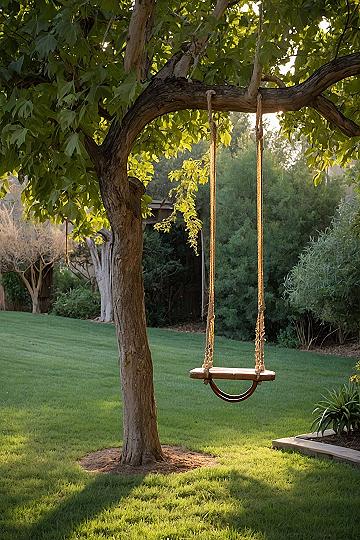
To help you picture the possibilities, we will start with a wide view of a classic hanging seat setup beneath a leafy canopy.
#1 Hanging a Classic Rope Tree Swing
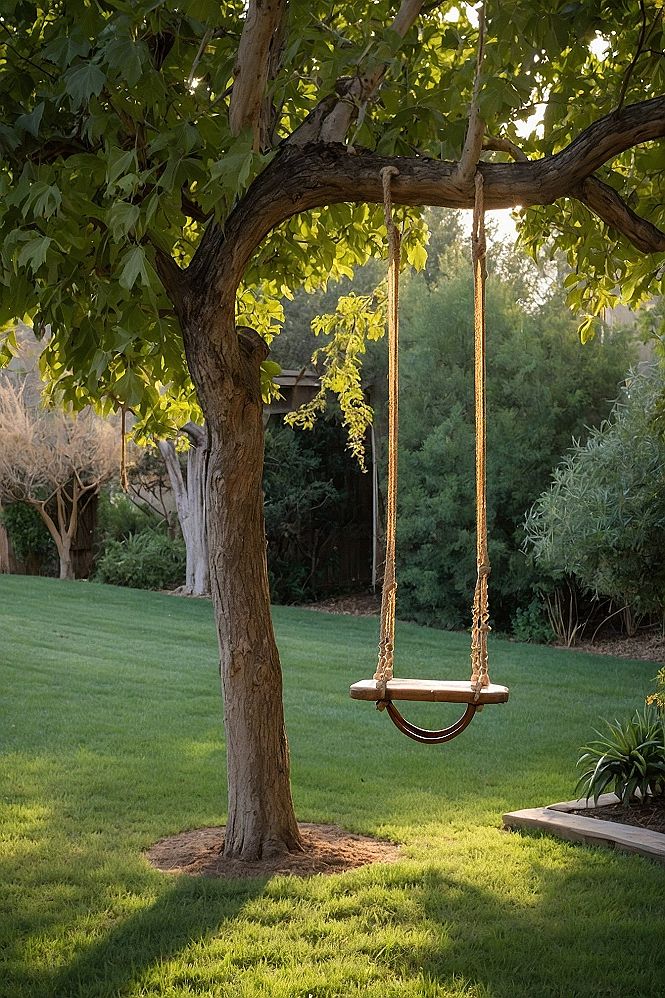
A classic rope tree swing is a wonderful addition to any backyard. It brings a sense of simple joy and relaxation to your outdoor space. Hanging a wooden seat from sturdy branches using thick natural ropes creates a charming spot that invites you to slow down and enjoy the fresh air.
When picking a branch for your swing, choose a healthy, thick limb that can easily support weight. Always use heavy-duty hanging hardware and check the ropes often for wear and tear. This helps keep your backyard seating safe and sturdy for years of regular use.
#2 Adding Vertical Garden Structures Near Your Swing
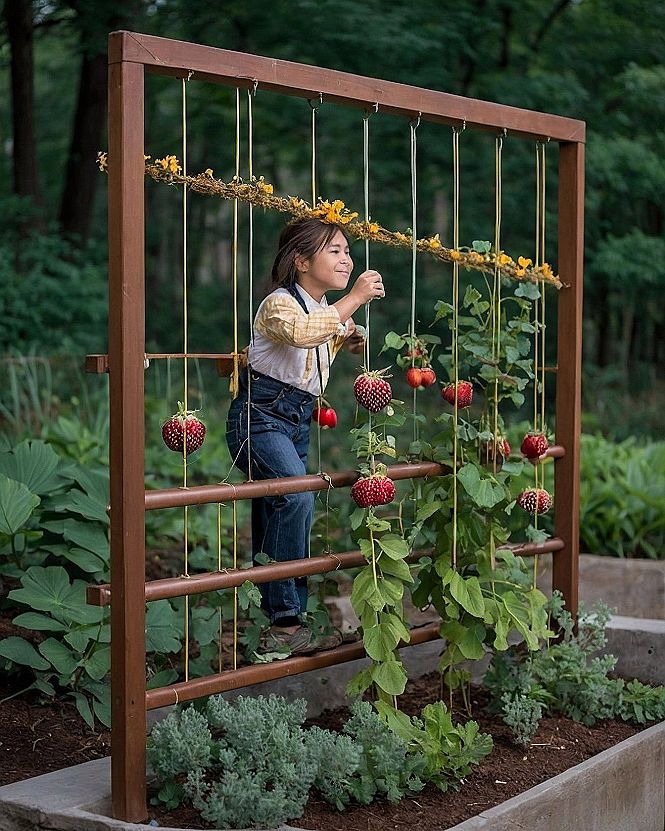
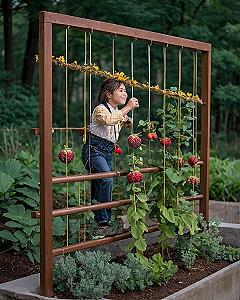
Setting up a vertical garden frame close to a swing spot brings living greenery right into your relaxation zone. This layout works so well because it maximizes planting space while adding natural privacy. You get to enjoy sweet scents and vibrant blooms without taking up precious ground area around your seating spot.
This approach suits yards with limited space or anyone wanting to grow climbing plants, flowers, or even trailing strawberries nearby. When you position a trellis within reach of the swing, maintenance becomes simple and fun. Expect a lively, fragrant retreat that blends relaxing seating with productive home gardening.
#3 Selecting the Right Layout for Wooden Raised Garden Beds
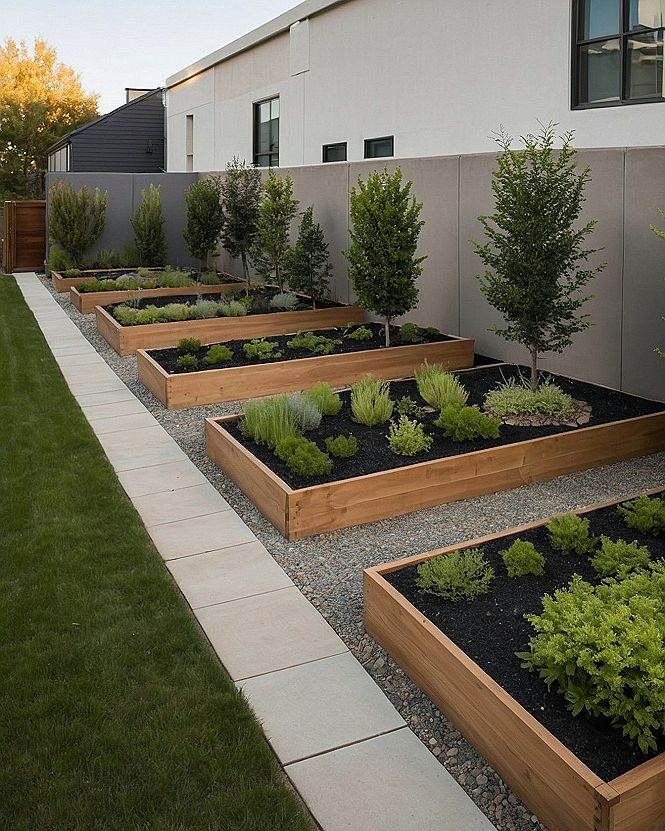
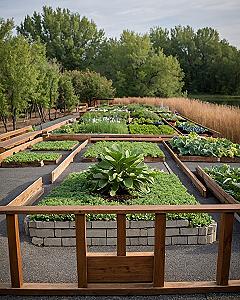
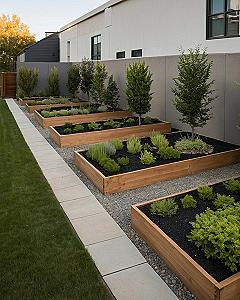
When you set up wooden raised beds near a garden swing, decide whether you want a single long line or staggered tiers. Simple rectangular boxes made of cedar or pine work well because they fit narrow side yards and tolerate changing weather. Measure your available space first so you can walk comfortably around the swing without bumping into the wood frame.
To customize this layout for your budget and skill level, build the boxes yourself using untreated lumber or buy pre-cut kits that snap together quickly. If you want to grow deep-rooted flowers or small shrubs, stack two boards high for extra soil depth. For shallow herbs or trailing vines, a single low board is plenty and saves you money on extra soil.
Which style is calling your name?
#4 Maintaining Raised Garden Beds For Healthy Plants
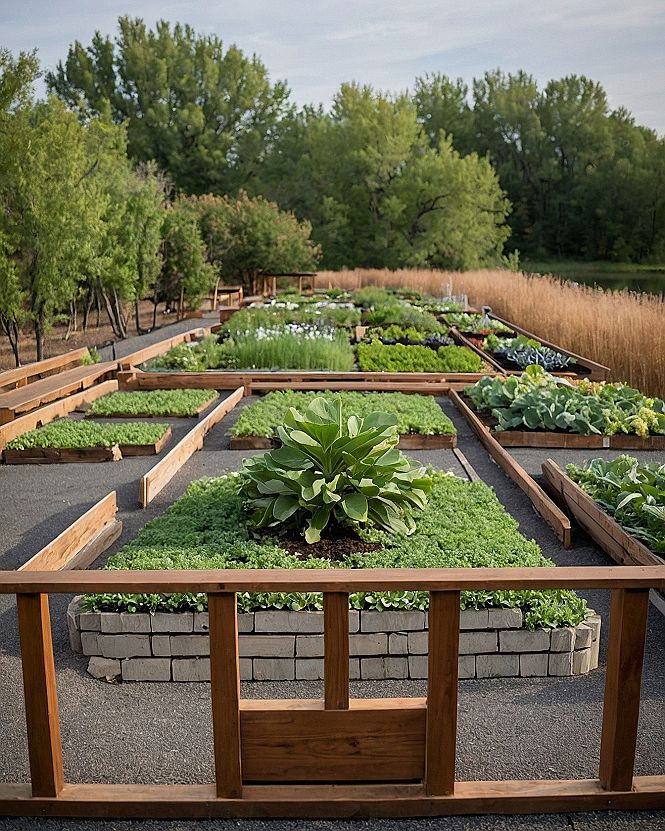
Keeping raised garden beds in top shape starts with regular soil checks and proper moisture management. Because raised frames drain faster than ground soil, you will need to water your plants more often during hot summer weeks. Adding a thick layer of organic mulch helps retain moisture and keeps weeds down around your favorite flowers and vegetables.
Before planting each season, mix in a generous amount of fresh compost to replenish vital nutrients. Check the wooden sides annually for any signs of wear or loose boards so your structure stays sturdy for years. Clear away old plant debris in late autumn to prevent pests from overwintering near your cozy garden seating areas.
#5 Creating a Garden Border Near Water Features
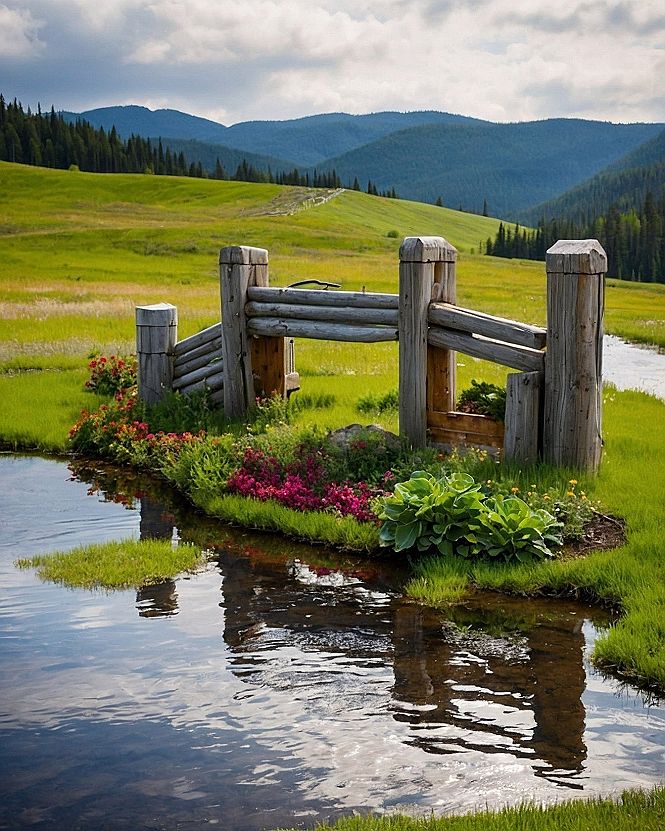
If your yard includes a natural stream or pond, planting a lively border right along the bank is a great way to soften the edge. Colorful perennials and lush foliage help tie the water into your overall landscape design while stopping soil erosion.
If you do not have a natural water feature, you can still use this planting style around a small decorative pond or even along a simple garden pathway. Just pick plants that enjoy similar moisture levels so they stay healthy all season long.
What's Your Style Personality?
Tap the look that speaks to you most:
Leave a Comment