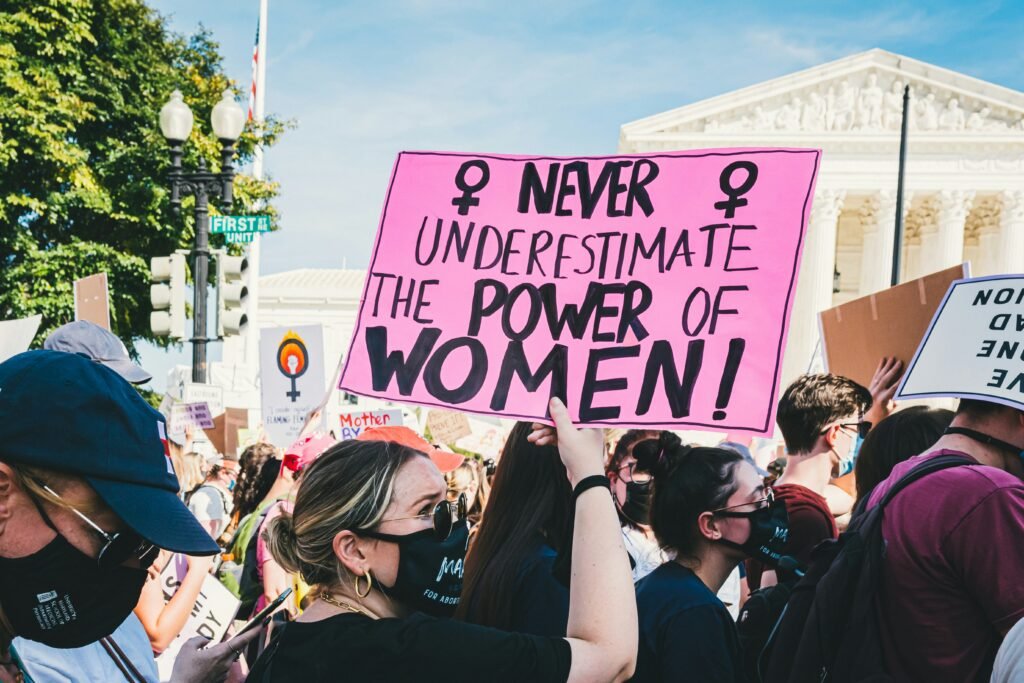
Yes, I Am a Feminist Doesn’t Mean I Hate Men

When someone declares themselves as a feminist, it often comes with the assumption that they must hate men. But let me be clear: being a feminist does not mean hating men. In fact, feminism is about equality, not superiority. It’s about dismantling the patriarchal systems that oppress both men and women. So, let’s debunk this misconception and explore why being a feminist doesn’t equate to hating men.

Understanding Feminism

Photo by Gayatri Malhotra on Unsplash

First and foremost, it’s essential to understand what feminism truly means. Feminism is a movement that advocates for the social, political, and economic equality of the sexes. It aims to challenge and change the existing power structures that perpetuate gender inequality. Feminism seeks to empower women and dismantle the harmful stereotypes and expectations placed upon them.

However, feminism is not a movement that seeks to replace one form of oppression with another. It’s not about reversing the roles and oppressing men in the process. Feminism recognizes that men, too, are affected by societal expectations and gender norms. It strives for a world where everyone is free from the constraints of gender stereotypes.

Equality, Not Superiority

Photo by Markus Winkler on Unsplash

Contrary to popular belief, feminism is not about women wanting to dominate men. It’s about creating a society where everyone has equal opportunities and rights, regardless of their gender. Feminism challenges the notion that men are superior to women and fights against the systemic discrimination that women face in various aspects of life.

By advocating for gender equality, feminists aim to dismantle the harmful effects of patriarchy on both men and women. Feminism recognizes that men, too, face societal pressures and expectations that can be damaging to their mental health and overall well-being. It seeks to break down the rigid gender roles that limit personal growth and self-expression for everyone.

Intersectionality and Inclusivity

Photo by Federica Giusti on Unsplash

Feminism also acknowledges that gender inequality intersects with other forms of discrimination, such as race, class, sexuality, and ability. Intersectional feminism emphasizes the importance of inclusivity and recognizes that different individuals face unique challenges based on their intersecting identities.

By embracing intersectionality, feminists strive to create a more inclusive movement that addresses the specific needs and experiences of all individuals. This approach ensures that feminism is not solely focused on gender but also takes into account the various ways in which discrimination manifests in people’s lives.

Challenging Stereotypes

One of the misconceptions that perpetuates the idea that feminists hate men is the stereotype that feminists are angry and aggressive. This stereotype is not only unfair but also undermines the legitimate concerns and issues that feminists raise.

Feminists are not angry at men; they are angry at the systems of oppression that perpetuate gender inequality. They are passionate about challenging the status quo and creating a more just and equal society. This passion should not be misconstrued as hatred towards men but rather as a genuine desire for change.

Working Together for Change

Feminism is not a movement that seeks to exclude or alienate men. In fact, men can be valuable allies in the fight for gender equality. By acknowledging the ways in which patriarchy harms men as well, we can work together to dismantle these harmful systems.

Men can actively support feminism by challenging toxic masculinity, promoting consent and respect, and amplifying the voices of women. Feminism is not a battle between the sexes but a collective effort to create a world where everyone is treated with dignity and respect.

Conclusion

So, the next time someone declares themselves as a feminist, don’t assume that they hate men. Being a feminist means advocating for equality, challenging oppressive systems, and striving for a more inclusive society. It’s about recognizing that gender equality benefits everyone, regardless of their gender. Let’s debunk the myth that feminists hate men and work together towards a more just and equal world.

Women Empowerment in STEM: What’s Changing?

Women empowerment in STEM (Science, Technology, Engineering, and Mathematics) fields has been a topic of discussion and concern for many years. Historically, women have been underrepresented in these fields, facing numerous challenges and barriers. However, in recent years, we have witnessed significant changes and progress in promoting and empowering women in STEM. In this article, we will explore the evolving landscape of women empowerment in STEM and the positive transformations that are taking place.

Breaking Stereotypes

One of the major changes we are seeing is the breaking of stereotypes associated with women in STEM. Traditionally, these fields have been perceived as male-dominated, and women were often discouraged from pursuing careers in them. However, society is now recognizing the importance of diversity and inclusivity in STEM, leading to a shift in mindset. Women are challenging these stereotypes and proving their capabilities in various STEM disciplines.

Organizations and initiatives are playing a crucial role in breaking down these stereotypes. They are actively promoting female role models in STEM, highlighting their achievements, and showcasing the incredible contributions women have made to these fields. By doing so, they are inspiring young girls and women to believe in their own abilities and pursue their passions in STEM.

Furthermore, educational institutions are implementing policies and programs that encourage girls to explore STEM subjects from an early age. By providing equal opportunities and resources, they are creating an environment that fosters the growth and development of women in STEM.

As a result of these efforts, we are witnessing a gradual but significant increase in the number of women pursuing STEM careers. Women are now more confident in their abilities and are actively breaking through the barriers that once held them back.

Support Networks and Mentorship

Another positive change in women empowerment in STEM is the emergence of support networks and mentorship programs. These networks provide a platform for women to connect, share experiences, and seek guidance from others who have navigated similar challenges.

Mentorship programs, in particular, play a crucial role in empowering women in STEM. They pair experienced professionals with aspiring women in STEM, providing guidance, support, and advice. Mentors not only help women navigate their careers but also provide valuable insights into the industry, helping them overcome obstacles and achieve their goals.

Support networks and mentorship programs are not only beneficial for individual women but also for the overall advancement of women in STEM. They create a sense of community and solidarity, allowing women to learn from each other’s experiences and build a strong support system. This, in turn, helps to break down barriers and create a more inclusive and supportive environment for women in STEM.

Various organizations and initiatives are actively promoting and facilitating these support networks and mentorship programs. They are working towards creating a culture where women in STEM feel valued, supported, and empowered to succeed.

Addressing Gender Bias and Discrimination

Gender bias and discrimination have long been obstacles for women in STEM. However, the landscape is changing as organizations and institutions recognize the need to address these issues and create a more inclusive environment.

Efforts are being made to raise awareness about unconscious bias and its impact on women in STEM. Training programs and workshops are being conducted to educate individuals about the importance of equality and fairness in the workplace. By addressing and challenging gender biases, organizations are working towards creating a level playing field for women in STEM.

Furthermore, policies and initiatives are being implemented to combat discrimination and ensure equal opportunities for women. Companies are actively promoting diversity and inclusion in their recruitment processes and decision-making. They are also implementing measures to support work-life balance, such as flexible working hours and parental leave policies, which benefit both men and women in STEM.

By addressing gender bias and discrimination, organizations and institutions are creating an environment where women can thrive and reach their full potential in STEM careers.

Conclusion

The landscape of women empowerment in STEM is evolving, and positive changes are taking place. Women are breaking stereotypes, finding support through networks and mentorship, and organizations are actively addressing gender bias and discrimination. These changes are creating a more inclusive and supportive environment for women in STEM, encouraging more women to pursue careers in these fields.

However, there is still work to be done. Continued efforts are needed to ensure that women have equal opportunities, resources, and representation in STEM. By empowering women in STEM, we are not only promoting gender equality but also unlocking the full potential of these fields, leading to innovation and progress for all.

Exit mobile version