10 Proven Tips to Build Strong, Lasting Friendships in the Digital Age

Friendships are the backbone of our social lives. They provide comfort, support, and endless memories. But how do we nurture these bonds in an era dominated by screens and digital interactions? Dive into this comprehensive guide to discover the secrets of building and maintaining friendships that stand the test of time, even in our digital age.

1. The Foundations of a Strong Friendship

Friendships, like houses, need a solid foundation. Without trust, mutual respect, and shared experiences, even the most promising relationships can crumble.

Trust: The Bedrock of All Relationships

Trust isn’t built overnight. It’s the result of countless shared moments, secrets kept, and promises fulfilled. In the digital age, trust also means respecting online boundaries, keeping private conversations confidential, and being genuine in our virtual interactions.

Mutual Respect and Understanding

Every individual is a universe of experiences, beliefs, and feelings. Respecting these differences is crucial. In the online world, this translates to avoiding cyberbullying, respecting opinions, and practicing empathy.

Shared Experiences and Memories

Remember that unforgettable trip with your buddies? Or the late-night chats about everything and nothing? Shared experiences, both online and offline, are the glue that binds friends together. In the digital realm, this could be a co-op video game session or binge-watching a series together.

2. Qualities of a Strong Friendship

Friendships are as unique as fingerprints. Yet, certain universal qualities define strong, lasting bonds.

Loyalty and Dependability

True friends stand by each other, come rain or shine. In the digital age, loyalty might mean defending a friend in an online spat or simply being there for a chat when they’re feeling down.

Open Communication

Misunderstandings can strain friendships. Open communication clears the air, ensuring that both parties are on the same page. With the plethora of messaging apps available, there’s no excuse not to check in and chat.

Mutual Support During Tough Times

Life isn’t always a bed of roses. During thorny times, a friend’s support can be a soothing balm. Whether it’s a comforting text, a funny meme, or a long video call, digital tools have made it easier than ever to be there for our friends.

3. Building Trust in New and Existing Friendships

Trust is the currency of genuine friendships. But how do we build and maintain it, especially when screens often separate us?

Steps to Establish Trust from the Beginning

Starting a friendship on the right foot is crucial. Be genuine in your interactions, both online and offline. Avoid oversharing too soon, but be open enough to let the other person in. Remember, in the digital realm, it’s easy to create a facade. Being your authentic self will set the foundation for genuine trust.

Rebuilding Trust After It’s Broken

Mistakes happen. Maybe you shared a secret you shouldn’t have, or perhaps an online misunderstanding spiraled out of control. Apologizing sincerely, understanding the root of the issue, and making amends are key. Digital tools can be both a boon and a bane here. While it’s easier to reach out, ensure your apologies are personal and heartfelt.

The Role of Forgiveness and Understanding

Holding grudges, especially over minor online spats, can erode trust. Learning to forgive and understanding that everyone has off days is essential. A simple message checking in on a friend can go a long way in mending bridges.

4. Nurturing Lifelong Friendships

Friendships, like plants, need regular care. Here’s how to ensure they thrive and flourish.

The Importance of Regular Communication

Gone are the days when we had to wait for snail mail. With instant messaging, video calls, and social media, staying in touch has never been easier. A simple “How are you?” can make all the difference.

Celebrating Milestones Together

Birthdays, promotions, or even small victories like finishing a challenging book – celebrate them together. Use digital tools to your advantage. Host a virtual party, send an e-card, or even play an online game together.

Overcoming Challenges and Disagreements

Disagreements are natural. However, letting them fester can be detrimental. Address issues head-on, communicate openly, and remember why you became friends in the first place. Online tools can help, but sometimes, a face-to-face conversation (or a video call) is best.

5. Strengthening Friendships in the Digital Age

The digital age, with its myriad of tools and platforms, offers both challenges and opportunities for friendships. Let’s navigate this landscape together.

The Role of Social Media and Digital Communication

Social media isn’t just for sharing memes and vacation photos. It’s a powerful tool to stay connected, share experiences, and even deepen bonds. However, it’s essential to strike a balance. While it’s great to comment on a friend’s post, nothing beats a personal message or a call.

Virtual Activities to Stay Connected

From online gaming sessions to virtual movie nights, the digital realm offers countless opportunities to bond. Explore new activities, invite your friends, and create memories from the comfort of your homes.

Overcoming the Challenges of Long-Distance Friendships

Distance can strain friendships, but it doesn’t have to. With video calls, instant messaging, and even virtual reality, bridging the gap has never been easier. Regular check-ins, planning virtual meet-ups, and even old-fashioned letters can keep the spark alive.

6. Reconnecting with Old Friends

Time and circumstances can drift friends apart. But the digital age offers a silver lining – the chance to rekindle old bonds.

Steps to Rekindle Lost Connections

A simple “Hey, remember me?” can open doors. Use social media platforms to find old friends, but approach with respect. Understand that people change, and while the past is a great starting point, focus on building a new connection for the present.

Navigating Changes and New Dynamics

Reconnecting can be a joyous occasion, but it’s essential to understand that both of you have grown. Embrace the changes, celebrate the memories, and look forward to creating new ones.

Celebrating the History and Memories Shared

The past is a treasure trove of shared experiences. Reminisce about the good times, laugh about the silly moments, and use them as a foundation to build a renewed friendship.

7. Balancing Friendships with Other Relationships

Life is a juggling act, and friendships are just one of the balls we have in the air. How do we ensure they don’t get overshadowed by other relationships?

Juggling Friendships and Romantic Relationships

Love is intoxicating, but it’s essential not to lose sight of our friends. Schedule regular catch-ups, involve your partner in group activities, and ensure you have ‘me’ time with your buddies. Remember, a message or a call can go a long way in showing you care.

Maintaining Individual Friendships While in a Group

Group dynamics can be tricky. While group hangouts are fun, individual friendships within the group need their nourishment. A coffee date, a personal chat, or even a shared meme can keep individual bonds strong.

Setting Boundaries and Understanding Priorities

Every relationship, be it friendship or romantic, needs boundaries. Understand your friend’s boundaries and communicate yours. Respect each other’s time, commitments, and personal space, especially in the digital realm.

8. Activities and Experiences to Deepen Bonds

Shared experiences are the glue of friendships. Here are some activities to strengthen those bonds, even in a digital world.

Traveling Together

While this might sound counter-digital, planning a trip using online tools and sharing memories digitally can be a bonding experience. Even virtual tours of museums or historical sites can be a shared adventure.

Taking up a Hobby or Class as a Duo or Group

Online classes are the rage. Be it cooking, painting, or even coding – learning together can be fun and fulfilling. Share your progress, motivate each other, and celebrate milestones.

Participating in Group Challenges or Projects

Online challenges, be it fitness, reading, or even gaming, can be a fun way to bond. Set goals, track each other’s progress, and cheer each other on.

9. Reflecting on the Journey of Friendship

Friendship is a journey, a tapestry of memories, emotions, and shared experiences. As we navigate the digital age, it’s essential to reflect on the essence of these bonds and how they evolve.

The Lifelong Rewards of Strong, Lasting Bonds

Friendships enrich our lives in countless ways. From shared laughter to a shoulder to cry on, the rewards are immeasurable. In the digital age, these bonds can span continents, bridging cultures and time zones. The joy of a midnight message, the comfort of a familiar voice on a call – these are the treasures of modern friendships.

Investing Time and Effort

Like any relationship, friendships need effort. The digital age offers tools, but it’s the heart behind the message, the emotion in the call, that truly matters. Regular check-ins, genuine interest, and mutual respect are the cornerstones of lasting bonds.

Embracing Change and Growth

Friendships, like people, evolve. The digital age accelerates this evolution, introducing new dynamics and challenges. Embrace the change, celebrate the growth, and remember that at the heart of every ping, message, or like is a human being who values your bond.

10. Conclusion

Building and nurturing friendships in the digital age is a dance of balance, understanding, and genuine connection. While screens and apps facilitate communication, it’s the human touch, the genuine emotion, that truly nurtures these bonds. As we navigate this interconnected world, let’s cherish the friendships that anchor us, the bonds that enrich our lives, and the memories we create, pixel by pixel, message by message.


There you have it – a comprehensive guide to building and nurturing friendships in this digital age. Remember, while the tools and platforms might change, the essence of friendship remains timeless. Cherish it, nurture it, and celebrate it.

Thank you for joining us on this journey. If you ever find yourself wondering about the intricacies of friendships in this modern era, revisit this guide, and remember – every friendship is a story waiting to be written. Make yours a bestseller.

Best Chubby Style Beach Looks for the Summer

Ah, summer! The season of sun, sand, and swimsuits. But, let’s face it – not all swimsuits cater to every body type. Or do they? As the mercury rises, so does the trend of embracing all body types. The Chubby Style beach look is the season’s sizzling trend. So, toss away those insecurities, because the beach is calling everyone!

1. Retro-Inspired: Time-travel to the Beach

Summer’s here, and what better way to dive into its warmth than with a blast from the past? The high-waisted polka-dotted bikini is a classic throwback to simpler times. It not only looks adorable but provides added tummy support. Add those oversized sunglasses – the kind that Audrey Hepburn would nod in approval to. And, don’t forget the wide-brimmed straw hat – a perfect blend of style and sun protection.

2. Tropical Elegance: Dive into Paradise

Close your eyes and imagine this: Warm breezes, gentle waves, and you, beneath a palm tree. This look is defined by a vibrant floral one-piece swimsuit that screams tropical getaway. The sheer sarong adds a touch of modesty and fashion, swaying with every step you take. Gold anklets shimmer in the sun, and a single flower in your hair ties this whole elegant, tropical ensemble together.

3. Sporty Vibes: Game, Set, Splash!

For those who believe that the beach is just as much about games as it is about relaxing, the sporty look is your go-to. A navy-blue tankini with neon stripes spells both comfort and style. You’re ready for some beach volleyball or a splash in the waves. Pair it with a visor and sport sandals and show the beach you’ve got game!

4. Boho Chic: Laid-back and Loving it

The beach is the bohemian’s paradise. Lounging on a hammock or simply laying on the sand, the crochet cover-up over a pastel-colored two-piece is relaxation personified. The layered necklaces lend a touch of mystique, while the feathered earrings flutter with the whispers of the ocean.

5. Nautical Nuances: Sail Away with Style

Ahoy there! Ever dreamed of sailing away into the sunset? Whether on a yacht or simply dreaming on the shore, this striped blue and white one-piece swimsuit is your first mate. The captain’s hat might sound cliché, but it adds a touch of authenticity. Paint your lips a bold red, throw on a lightweight white shawl, and you’re the captain of the style ship.

6. Sunset Serenity: Radiance as the Day Ends

Imagine the orange and pink hues of the setting sun, the golden sands, and the silvery waves. In such an ethereal setting, what’s better than a shimmering metallic swimsuit that changes hues as the sunlight catches it? The silk kimono, flowing and airy, adds a touch of elegance, while the sandals in hand signify the barefoot connection with nature. This look is not just a style, it’s a mood.

7. Classic Monochrome: Timeless Elegance

Black and white never go out of style, and when it’s about the beach, the story isn’t any different. The sophisticated black halter-neck swimsuit is an epitome of timeless elegance. Paired with a wide-brimmed black hat, it’s a statement of confidence and grace. The pearl earrings are the cherry on top, bringing in an old-world charm that’s hard to resist.

8. Color Burst: Vibrancy All Around

For those who believe life’s too short for muted colors, this look is a dream come true. The rainbow-colored high-cut one-piece is not just a swimsuit; it’s an explosion of joy and positivity. The colorful bangles, each telling a different story, and the oversized hoop earrings, shout out to the world that you’re here to have fun. Amidst the blues of the sea and the golden sands, become the most vibrant entity.

9. Earthy Tones: Nature’s Child

There’s a different kind of peace in aligning with nature, and this look embodies that tranquility. The earth-toned bikini set with tribal patterns speaks of ancient civilizations and cultures. Sitting on a driftwood log, with wooden jewelry and a leafy headband, you become a part of the surroundings, representing the harmony between humanity and nature.

10. Vintage Glam: Grace from the Yesteryears

Last, but not least, for those who believe that old is gold, the vintage glam look is tailor-made for you. The 50s inspired ruffled swimsuit in pastel pink is reminiscent of the classic Hollywood beach scenes. The cat-eye sunglasses, reflecting the vastness of the ocean, add to the glam. The pearl necklace, sitting pretty around the neck, is the final touch of elegance.


Conclusion: Dive into Confidence

No matter which style you resonate with, the most important accessory to carry to the beach this summer is confidence. Every wave, every grain of sand, and every ray of sunshine celebrates you. So, embrace your body, put on your favorite swimsuit, and make the beach your runway. The Chubby Style Beach Look is not just about fashion; it’s a revolution, a call to love oneself and revel in the joy of summer. Dive right in!

Remember, fashion is all about expressing oneself. These prompts are mere inspirations. Mix, match, blend, or create an entirely new look. After all, the best stylist for you is you!

7 Proven Benefits of Mindfulness Meditation and Easy Steps to Get Started

Embracing Mindfulness in a Chaotic World

In the hustle and bustle of our modern lives, it’s easy to get lost in the noise, the deadlines, and the endless notifications. Amidst this chaos, there’s a gentle practice that promises serenity and clarity: the benefits of mindfulness meditation. At its core, mindfulness is the innate human ability to be fully present, to be deeply engaged with the here and now, and to be untouched by the distractions that life throws our way. It’s not some esoteric art reserved for monks atop mountain peaks; it’s a practical skill, accessible to all, that can transform our daily lives.

Mindfulness meditation isn’t just about sitting cross-legged and focusing on your breath, although that’s a significant part of it. It’s about cultivating an awareness of our thoughts, emotions, and sensations without judgment. Imagine being able to navigate life’s challenges with a calm mind, or to savor life’s joys with a full heart. That’s the promise of mindfulness.

In today’s fast-paced world, where our attention is constantly pulled in a million directions, the importance of mindfulness cannot be overstated. It’s not just a stress-reduction tool or a relaxation technique, although it excels in those areas. It’s a way to reconnect with ourselves, to tune into our inner wisdom, and to experience life with a fresh perspective. As we dive deeper into the benefits of mindfulness meditation and the steps to get started, remember that this journey is less about doing and more about being. So, are you ready to embark on this transformative journey?

What is Mindfulness Meditation?

Mindfulness meditation, a term that’s been buzzing around for a while, isn’t just another fleeting trend. It’s a profound practice rooted in ancient traditions, yet it’s strikingly relevant in our digital age. So, what’s all the fuss about?

Defining Mindfulness Meditation

At its heart, mindfulness meditation is a mental training regimen. It encourages us to slow down our ever-racing thoughts, release negativity, and find tranquility in both mind and body. It’s about being fully immersed in the present moment, embracing the “now.” This means acknowledging and accepting our thoughts, feelings, and sensations without any judgment. Think of it as tuning into a radio frequency where the only broadcast is your current state of being.

Origins: A Journey Back in Time

The roots of mindfulness meditation trace back thousands of years, deeply embedded in Buddhist traditions. However, it’s not exclusive to any religion or culture. Over time, various forms of this practice have emerged across different cultures and spiritual paths. Its universal appeal lies in its simplicity and the profound impact it can have on our well-being.

Mindfulness vs. Other Meditation Forms

While all meditation forms aim for a heightened state of awareness and tranquility, mindfulness stands out in its approach. Unlike some methods that focus on achieving a specific state (like transcendence or visualization), mindfulness is all about being in the state you’re already in. It’s not about changing or escaping your current thoughts but observing them without getting entangled.

Another popular meditation form is concentrative meditation, where the focus is on a single point, be it a sound, mantra, or breath. While mindfulness also involves concentration, especially on one’s breath, it doesn’t limit the awareness to just one focal point. It’s more expansive, allowing a broader observation of one’s entire experience.

In essence, while there are myriad meditation techniques out there, each with its unique flavor and benefits, mindfulness meditation is like a gentle embrace of the present. It’s a reminder that amidst the chaos of our lives, there’s a sanctuary within us, waiting to be discovered.

The Science Behind Mindfulness Meditation

Mindfulness meditation, a practice that has been around for centuries, has recently garnered significant attention from the scientific community. But what does science say about the effects of mindfulness on the brain and its potential benefits?

Mindfulness and the Brain: A Brief Overview

Mindfulness meditation is more than just a relaxation technique. It fundamentally alters how practitioners experience life. Recent studies suggest that consistent mindfulness practice can lead to positive changes in the brain’s structure and function. For instance, after just 8 weeks of practice, there’s evidence of enhanced brain connectivity and increased gray matter density in regions associated with attention, emotion regulation, and self-awareness.

The Power of Research

Over the past four decades, researchers have delved deep into understanding the biological underpinnings of mindfulness. Some of the most compelling findings include:

  • Reduction in Anxiety and Depression: Mindfulness practices have shown potential in reducing symptoms of anxiety and depression, possibly by modulating brain activity in areas linked to these emotions.
  • Boosting Immune System: There’s evidence suggesting that mindfulness can enhance the immune response, potentially leading to better resistance against diseases.
  • Pain Management: Mindfulness can alter the perception of pain, not by reducing the pain sensation itself but by changing one’s relationship to it. This shift in perspective can make pain more manageable.
  • Neuroplasticity: The brain’s ability to reorganize itself, known as neuroplasticity, can be influenced by mindfulness. Regular practitioners often show long-term changes in brain function and structure.

Studies Backing Mindfulness

Dr. Jon Kabat-Zinn’s groundbreaking program, Mindfulness-Based Stress Reduction (MBSR), has been a significant contributor to the scientific exploration of mindfulness. Since its inception, over 25,000 people have benefited from this program, learning to manage stress, pain, and even chronic illnesses more effectively.

Furthermore, Mindfulness-Based Cognitive Therapy (MBCT), a program modeled on MBSR, has shown promise in reducing relapse rates by 50% among patients with recurrent depression.

The Verdict

While the field of mindfulness research is still in its infancy, the initial findings are promising. The practice holds potential not just as a tool for personal well-being but also as a cost-effective, non-pharmacological intervention for various health conditions.

However, as with all scientific endeavors, it’s essential to approach the findings with a critical mind. More extensive, peer-reviewed studies with longer durations are needed to establish the long-term benefits of mindfulness conclusively.

The science behind mindfulness meditation is a testament to the age-old wisdom of ancient practices. As we continue to unravel the mysteries of the mind and brain, it’s becoming increasingly clear that mindfulness might be one of the keys to enhancing human health and well-being.

7 Proven Benefits of Mindfulness Meditation

1. Improved Mental Health Through Mindfulness

In today’s whirlwind of life, mental health often takes a backseat. However, the ancient practice of mindfulness meditation offers a beacon of hope. But how exactly does it pave the way for enhanced mental well-being?

Reduction in Anxiety and Depression

Mindfulness meditation is like a balm for the soul. By anchoring ourselves in the present moment, we learn to observe our thoughts without judgment. This simple act can lead to a significant reduction in symptoms of anxiety and depression. Instead of getting entangled in a web of negative thoughts, we learn to let them come and go, reducing their power over us.

Enhanced Emotional Well-being

But the benefits don’t stop there. Regular practice of mindfulness meditation fosters a deeper connection with oneself. It’s like getting to know an old friend all over again. This self-awareness leads to enhanced emotional well-being. We become more attuned to our emotions, understanding their origins, and navigating them with grace.

In essence, mindfulness meditation is not just a practice but a journey—one that leads to a more fulfilled, peaceful, and emotionally balanced life.

2. Stress Relief Through Mindfulness

Stress, an unwelcome guest in our modern lives, often overstays its welcome. But what if there was a way to show it the door? Enter mindfulness meditation, a gentle yet powerful tool in the battle against stress.

Mindfulness and Cortisol: The Connection

Cortisol, often dubbed the “stress hormone,” surges when we’re under pressure. While it’s essential in short bursts, chronic high levels can wreak havoc on our health. Here’s the good news: mindfulness meditation has been shown to reduce cortisol levels. By immersing ourselves in the present moment and letting go of past regrets or future anxieties, we give our bodies a much-needed break. This respite allows cortisol levels to drop, leading to a calmer, more centered self.

Techniques to Tackle Stress

Mindfulness offers a treasure trove of techniques specifically designed to combat stress:

  • Focused Breathing: By concentrating on our breath, we anchor ourselves in the present. This simple act can dissipate stress, one breath at a time.
  • Body Scan: This involves mentally scanning our bodies from head to toe, noting any areas of tension or discomfort. Recognizing these areas allows us to release the stress they hold.
  • Guided Imagery: Visualizing a peaceful scene, perhaps a serene beach or a tranquil forest, can transport us away from our stressors, even if just for a few moments.

In essence, mindfulness doesn’t just help manage stress—it teaches us to embrace life with all its ups and downs, finding peace amidst the chaos.

3.Better Sleep with Mindfulness

Tossing and turning at night, counting endless sheep, or staring at the ceiling—sound familiar? Sleep disturbances are all too common, but mindfulness might just be the lullaby you’ve been searching for.

Mindfulness and Sleep: The Link

Research has consistently shown a positive correlation between mindfulness practices and improved sleep patterns. By training our minds to stay in the present, we can let go of the day’s stresses and anxieties that often keep us awake. It’s like clearing the mental clutter, making room for restful slumber.

Combatting Insomnia with Mindfulness

If insomnia’s grip has you tight, here are some mindfulness tips to help you break free:

  • Mindful Breathing: Before bedtime, take a few minutes to focus solely on your breathing. Feel each breath’s rise and fall, letting go of distracting thoughts.
  • Guided Sleep Meditation: There are numerous guided meditations available, specifically designed to usher in sleep. They often combine visualization and relaxation techniques to lull you into a peaceful rest.
  • Progressive Muscle Relaxation: Starting from your toes and moving upwards, tense each muscle group and then release. This not only relaxes the body but also shifts your focus away from insomnia-inducing thoughts.

So, the next time sleep seems elusive, remember: a dose of mindfulness might just be the remedy you need.

4.Enhanced Concentration and Focus Through Mindfulness

In our digital age, with constant notifications and endless to-do lists, maintaining concentration can feel like an uphill battle. But what if the key to razor-sharp focus lies in the ancient practice of mindfulness?

Mindfulness and Attention Span

Mindfulness, at its core, is about being fully present. This heightened state of awareness naturally extends to an improved attention span. By practicing mindfulness, we train our brains to stay on task, resisting the pull of distractions. Studies have shown that even short stints of mindfulness meditation can lead to significant improvements in attention and focus. It’s like flexing a muscle—the more you practice, the stronger your concentration becomes.

Techniques to Boost Concentration

Ready to hone your focus? Here are some mindfulness techniques to get you started:

  • Breath Awareness: Simply focus on your breathing. If your mind wanders, gently bring it back to the rhythm of your breath.
  • Single Tasking: In our multi-tasking world, try the opposite. Dedicate your full attention to one task at a time, practicing mindfulness as you do.
  • Mindful Breaks: Throughout the day, take short breaks to practice mindfulness. Even a few minutes can refresh your mind and sharpen your focus.

Remember, in the quest for enhanced concentration, mindfulness might just be your secret weapon.

5.Lower Blood Pressure Through Mindfulness Meditation

High blood pressure, often termed the “silent killer,” is a concern for many. But did you know that the calming waves of mindfulness meditation might hold the key to cardiovascular wellness?

Mindfulness and Cardiovascular Health

Mindfulness meditation, with its emphasis on deep breathing and present-moment awareness, has a profound calming effect on the body. This relaxation response can lead to the dilation of blood vessels, promoting better blood flow and, consequently, lower blood pressure. By reducing stress—a known contributor to hypertension mindfulness serves as a natural antidote to high blood pressure.

Research-Backed Benefits

Several studies have delved into the heart-healthy benefits of mindfulness. One notable research found that individuals practicing mindfulness showed significant reductions in blood pressure, aligning with healthier heart function. Another study highlighted that consistent meditation could be as effective as some antihypertensive medications, without the side effects.

In essence, while mindfulness isn’t a replacement for medical interventions, it offers a complementary approach to promoting cardiovascular health.

5. Improved Relationships Through Mindfulness

In the intricate dance of human relationships, missteps are inevitable. But what if mindfulness could be the choreographer, guiding us towards more harmonious interactions?

Mindfulness: Fostering Empathy and Understanding

At its heart, mindfulness is about being present, fully engaged in the moment. This heightened awareness extends to our interactions, allowing us to truly listen and understand others. By being more attuned to our emotions and those of others, we cultivate empathy—a cornerstone of healthy relationships. When we approach relationships with mindfulness, we foster deeper connections, reduce misunderstandings, and navigate conflicts with grace.

Couples and Group Mindfulness Practices

For those looking to strengthen bonds, here are some mindfulness techniques tailored for couples or groups:

  • Shared Meditation: Sit together in silence, focusing on your breaths. This shared experience can create a profound sense of connection.
  • Mindful Listening: Take turns speaking and listening. The listener’s sole task is to be present, without formulating responses or judgments.
  • Gratitude Practices: Regularly express appreciation for each other, focusing on specific qualities or actions.

Remember, in the realm of relationships, mindfulness might just be the secret ingredient for deeper, more meaningful connections.

6.Reduction in Chronic Pain Through Mindfulness

Pain, especially when chronic, can be a relentless companion. But what if the power of the mind could offer some respite? Enter mindfulness, a beacon of hope in the realm of pain management.

The Mind-Body Connection in Pain Perception

Our perception of pain isn’t just about physical sensations. The mind plays a pivotal role. Emotions, memories, and thoughts can amplify pain, making it more intense than it objectively is. Mindfulness helps us untangle this web, allowing us to observe pain without the added emotional baggage. By understanding the mind-body interplay, we gain a clearer perspective on pain.

Mindfulness: A Complementary Approach to Chronic Pain

Mindfulness doesn’t claim to erase pain. Instead, it offers tools to manage it better. Here’s how:

  • Observation: Instead of resisting pain, observe it. Notice its intensity, quality, and fluctuations. This detached observation can reduce the emotional distress associated with pain.
  • Breathing Techniques: Deep, mindful breathing can relax the body, reducing muscle tension that often accompanies pain.
  • Body Scan: A mindfulness exercise where you mentally scan your body, observing sensations without judgment.

For many, mindfulness has been a game-changer, offering a complementary approach to traditional pain therapies.

Easy Steps to Get Started with Mindfulness Meditation

Setting Up a Meditation Space: Your Personal Sanctuary

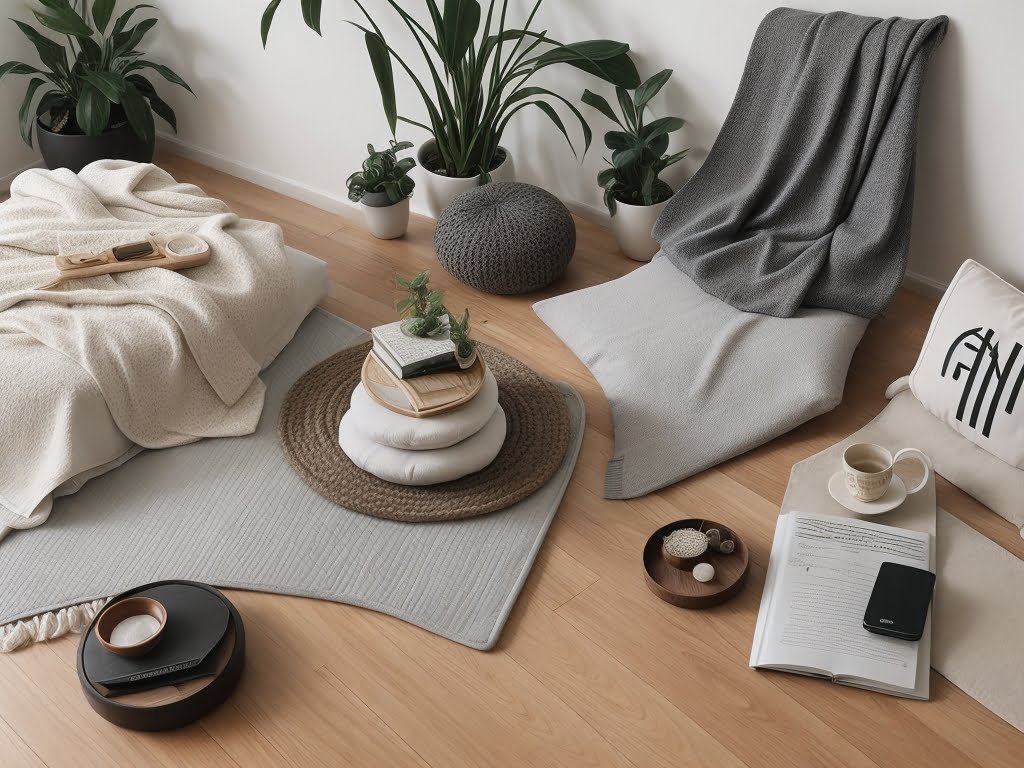
In the hustle and bustle of daily life, finding a moment of tranquility can feel like a luxury. But what if you could create a haven right in your home? A dedicated meditation space can be that oasis of calm, offering a respite from the outside world.

Why a Dedicated Space Matters

Having a specific spot for meditation isn’t just about aesthetics; it’s about intention. When you designate a space solely for mindfulness, you’re making a commitment. Every time you enter this space, your mind recognizes it as a place of peace, making it easier to transition into a meditative state. It’s like having a room where every corner whispers, “Relax, you’re safe here.”

Crafting a Calming Environment: Tips to Consider

  • Choose Wisely: Opt for a quiet corner, away from the main hustle of your home. It doesn’t have to be large; even a small nook can work wonders.
  • Minimalism is Key: A cluttered space can lead to a cluttered mind. Keep it simple. A cushion, a mat, maybe a small table for incense or candles.
  • Nature’s Touch: Incorporate elements of nature. Be it plants, natural light, or sounds of flowing water, nature has an innate calming effect.
  • Personalize: Add items that resonate with you – perhaps a cherished photo, a statue, or a meaningful quote.
  • Soothing Colors: Soft pastels or earthy tones can enhance the calming vibe. Think soft blues, gentle greens, or warm beiges.

Choosing the Right Time: When to Dive into Mindfulness

Life’s pace can sometimes feel like a whirlwind, leaving us wondering, “When do I even have a moment for myself?” If you’ve been pondering about the best times to meditate and how to sneak in some mindfulness amidst the chaos, you’re in the right place.

Golden Hours for Meditation

While there’s no strict rule, certain times of the day can enhance your meditation experience:

  • Dawn’s First Light: Early morning, just as the world is waking up, is often considered the prime time. The stillness of dawn, combined with the freshness of a new day, sets the perfect stage.
  • Twilight Tranquility: As the day winds down, the transition from day to night can be another magical window. It’s a chance to let go of the day’s stresses.
  • Lunchtime Lull: If mornings and evenings seem impossible, a midday meditation can be your oasis of calm in a bustling day.

Fitting Mindfulness into the Hustle

For those with jam-packed schedules, fret not! Mindfulness is versatile:

  • Micro-Meditations: Even a 5-minute focus on your breath can make a difference. Waiting for your coffee to brew? That’s your cue!
  • Mindful Tasks: Turn mundane tasks into mindful moments. Washing dishes or taking a shower can be transformed into meditative acts with the right mindset.

Remember, it’s not about finding the perfect hour; it’s about making the time you choose perfect for you. So, whether it’s the crack of dawn or a stolen moment during lunch, let mindfulness be your anchor.

Starting with Short Sessions: The Gentle Path to Mindfulness

Embarking on the journey of mindfulness can feel like standing at the foot of a towering mountain. But what if I told you that all it takes is a few minutes a day to start? Let’s dive into the beauty of beginning with bite-sized sessions.

The Power of Starting Small

Starting small is not just a strategy; it’s a mantra for success. When you begin with short meditation sessions, you’re setting yourself up for a win. Here’s why:

  • Less Intimidation: A 5-minute meditation? That sounds doable! By keeping it short, you’re more likely to stick with it and less likely to feel overwhelmed.
  • Building Consistency: It’s easier to find a few minutes daily than to carve out an hour. This consistency can help establish a routine, making meditation a natural part of your day.
  • Quality Over Quantity: A focused 5-minute session can be more beneficial than an hour of distracted meditation. It’s all about being present in the moment.

Growing Gradually

As the saying goes, “Rome wasn’t built in a day.” Similarly, your meditation practice will flourish over time:

  • Listen to Your Inner Self: As you become more comfortable, you might find yourself craving longer sessions. Follow that instinct.
  • Set Milestones: Maybe you start with 5 minutes for a week, then 10 the next. Setting small goals can be motivating and rewarding.
  • Celebrate the Journey: Every minute you spend in mindfulness is a victory. Celebrate your progress, no matter how small.

In the hustle and bustle of life, taking a few moments for yourself can make a world of difference. So, why wait? Start small, be consistent, and watch your mindfulness journey blossom.

Using Guided Meditations: Your Compass to Mindfulness

Embarking on the meditation journey can sometimes feel like navigating a vast ocean without a map. But what if you had a seasoned captain guiding your ship? Enter the realm of guided meditations, a beacon for those new to the practice.

Why Guided Sessions are a Boon for Beginners

For those dipping their toes into the vast waters of meditation, guided sessions can be a lifesaver. Here’s why:

  • Structured Path: With clear instructions, you’re less likely to get lost in a sea of thoughts. It’s like having a GPS for your mind.
  • Boosted Confidence: Knowing you’re on the right track can bolster your confidence, making the journey smoother.
  • Diverse Experiences: Different guides bring varied techniques, allowing you to explore and find what resonates with you.

Top Apps and Resources to Sail Smoothly

If you’re wondering where to find these guiding voices, fret not! Here are some recommended platforms:

  • Headspace: A popular choice, it offers a plethora of guided sessions tailored for different needs.
  • Calm: Beyond meditation, this app provides sleep stories and music, ensuring a holistic approach to relaxation.
  • Insight Timer: Boasting a vast library of free guided meditations, it’s a treasure trove for both beginners and seasoned practitioners.

Remember, the journey of a thousand miles begins with a single step. Or in this case, a single guided session. So, plug in your headphones, close your eyes, and let the guiding voice lead the way.

Common Challenges in Meditation and How to Overcome Them

Meditation, often hailed as the gateway to inner peace, isn’t always a walk in the park. Just like any journey, it comes with its set of hurdles. But fear not! Every challenge has a solution, and we’re here to guide you through them.

1. The Distraction Dilemma

We’ve all been there. Just as you’re settling into your meditation, a car honks, your phone buzzes, or a random thought pops into your head.

Overcoming Distractions:

  • Create a Sacred Space: Dedicate a quiet corner of your home for meditation. This physical boundary can help shield against external noises.
  • Embrace the Noise: Instead of resisting distractions, acknowledge them and gently bring your focus back. Over time, these disturbances will fade into the background.

2. The Restlessness Rollercoaster

Restlessness or boredom can be a real buzzkill, especially when you’re trying to find your zen.

Tackling Restlessness:

  • Start Small: Don’t dive into a 30-minute session right away. Begin with short spans and gradually increase your meditation time.
  • Body Scan Technique: If you’re feeling antsy, try the body scan method. It involves focusing on different parts of your body, grounding you in the present.

3. The Skeptic’s Struggle

Doubt can be a significant roadblock. “Is this even working?” “Am I doing it right?” Such questions might cloud your mind.

Addressing Skepticism:

  • Educate Yourself: Dive into the science behind meditation. Understanding its benefits can reinforce your belief.
  • Join a Group: Being part of a meditation group can provide the encouragement and validation you need.

Meditation, like any skill, requires patience and practice. While challenges are part and parcel of the journey, they’re not insurmountable. With the right strategies, you can navigate these hurdles and reap the myriad benefits of meditation.

Remember, the path to inner peace isn’t always peaceful. But with persistence and the right tools, you’ll get there.

The Role of Breath in Mindfulness

Breathing, an act so natural and automatic, holds the key to mindfulness and inner tranquility. But how does something we do without thinking become the cornerstone of meditation? Let’s dive in.

Breath Awareness: The Heartbeat of Mindfulness

Our breath is a constant, rhythmic companion, often overlooked in the hustle and bustle of daily life. Yet, in the realm of mindfulness, it’s a beacon. Focusing on our breath anchors us, pulling our wandering minds back to the present moment. It’s like a gentle reminder, whispering, “Hey, be here now.”

Awareness of our breath acts as a bridge, connecting our mind and body. When we’re stressed or anxious, our breathing becomes shallow. By tuning into our breath, we can detect these subtle changes and take steps to calm our minds.

Breath-Focused Meditation Techniques

Ready to harness the power of your breath? Here are some techniques to get you started:

  • Basic Breath Awareness: Find a quiet spot. Close your eyes and simply observe your breath. Feel the rise and fall of your chest, the cool air entering, and the warm air leaving.
  • Counted Breathing: Inhale for a count of four, hold for four, exhale for four. This technique helps regulate your breath and focus your mind.
  • Guided Breath Meditation: There are numerous apps and online resources offering guided sessions, leading you through breath-focused exercises.

Inhale the Future, Exhale the Past

Remember, every breath you take is a new beginning. By centering your meditation around it, you’re not just breathing; you’re embracing the present, one breath at a time.

Body Scan Meditation: A Journey Within

Ever felt disconnected from your own body? In the whirlwind of life, it’s easy to lose touch. Enter Body Scan Meditation, a technique that bridges the gap, bringing you back home to yourself.

Guided Step-by-Step Process

  • Find Your Space: Choose a quiet spot, free from distractions. Lie down comfortably, hands by your side, and close your eyes.
  • Deep Breathing: Take a few deep breaths, inhaling calmness and exhaling tension.
  • Start at Your Feet: Focus on your toes, feeling any sensations there. Slowly move up to your feet, ankles, and so on.
  • Journey Upwards: Gradually shift your attention up through your body – legs, abdomen, chest, arms, and finally, your head. At each point, pause and observe. Is there tension? Warmth? Tingling?
  • Embrace the Sensations: Don’t judge or try to change what you feel. Simply observe.
  • Conclude with Gratitude: Once you’ve scanned your entire body, take a moment to express gratitude for it.

The Magic of Body Awareness

Body Scan Meditation isn’t just a relaxation tool. It heightens body awareness, making you more attuned to its needs. This can lead to better health choices and early detection of physical issues. Moreover, by connecting deeply with your body, you cultivate a sense of wholeness, reducing feelings of fragmentation and alienation.

So, the next time you feel adrift, remember: your body has a story to tell. All you need to do is listen. And who knows? You might just discover a world within that you never knew existed

Walking Meditation: Mindfulness on the Move

Ever thought of turning your daily stroll into a meditative journey? Walking meditation is the answer. It’s about being present, step by step, and transforming an ordinary activity into a mindful experience.

Incorporating Mindfulness into Daily Activities

Life’s hustle and bustle often make us forget the beauty of the present moment. But imagine if every step you took was a step towards mindfulness? Incorporating mindfulness into daily activities like walking can be a game-changer. It’s not just about the destination but the journey. Feel the ground beneath your feet, listen to the rhythm of your breath, and let every step be a dance of awareness.

Steps for a Mindful Walk

  • Begin with Intention: Before you start, take a moment to set an intention for your walk. It could be as simple as “I will be present.”
  • Focus on Your Breath: As you walk, sync your steps with your breath. Inhale for three steps, exhale for the next three.
  • Feel Every Step: Notice the sensation of your feet touching the ground and the rhythm of your strides.
  • Engage Your Senses: Listen to the sounds around you, feel the breeze, and observe the colors and movements.
  • Gently Return: If your mind wanders, gently bring it back to your breath and steps.

Walking meditation is a beautiful blend of movement and mindfulness. It’s a reminder that every step in life can be a journey of awareness. So, the next time you’re out for a walk, remember, it’s not just about getting somewhere; it’s about being present every step of the way.

Mindful Eating: Savor Every Bite

In today’s fast-paced world, we often eat on the go, barely tasting or enjoying our food. Enter mindful eating, a practice that encourages us to slow down and savor every bite. But what exactly is it, and how can it benefit us?

The Concept and Benefits

Mindful eating is all about being present during meals. It’s not just about what you eat, but how you eat. By paying attention to each bite, you can:

  • Enhance Enjoyment: Truly taste and appreciate the flavors.
  • Improve Digestion: Eating slowly can aid digestion and help you recognize when you’re full.
  • Reduce Overeating: Being aware can prevent mindless munching and promote healthier food choices.

Tips for Practicing Mindful Eating

  • Start Small: Begin with a single meal or snack and gradually incorporate mindfulness into all your meals.
  • Limit Distractions: Turn off the TV, put away your phone, and create a calm environment.
  • Chew Thoroughly: Savor the textures and flavors by chewing each bite multiple times.
  • Check-In: Regularly pause during your meal to assess your hunger and fullness levels.
  • Express Gratitude: Take a moment to appreciate the food and the hands that prepared it.

In a Nutshell…

Mindful eating is more than a trend; it’s a journey of rediscovering the joy of eating. By embracing this practice, not only can you enhance your dining experience, but you can also make healthier food choices and improve your overall well-being.

Conclusion: Embracing the Mindful Path

As we wrap up our exploration into the world of mindfulness, it’s essential to take a moment and reflect on the transformative journey we’ve embarked upon. The realm of mindfulness, whether it’s through meditation, eating, or walking, offers a plethora of benefits that can truly enrich our lives.

A Quick Recap

Mindfulness is not just a fleeting trend; it’s a way of life. By being present in the moment, we can:

  • Enhance our well-being: Mindfulness reduces stress, anxiety, and negative emotions.
  • Boost our health: From better digestion with mindful eating to improved mental clarity, the health benefits are profound.
  • Deepen our connections: Being present enhances our relationships and helps us connect on a deeper level.

The Steps to Mindfulness

Remember, the path to mindfulness is simple:

  • Start Small: Whether it’s a 5-minute meditation or focusing on a single meal, every step counts.
  • Stay Consistent: Like any skill, practice makes perfect.
  • Seek Guidance: Use resources, apps, or guided sessions to enhance your practice.

Your Journey Awaits…

If you haven’t started yet, there’s no better time than now. The road to mindfulness is paved with moments of clarity, tranquility, and profound understanding. So, why wait? Dive in, savor each moment, and watch as your world transforms.

Remember, the journey of a thousand miles begins with a single step. Take that step today, and embark on a life-changing adventure.

7 Proven Time Management Techniques for Busy Professionals

Time is a precious commodity, especially for those bustling professionals who always seem to be racing against the clock. Ever felt like there aren’t enough hours in the day? Well, you’re not alone. But what if I told you that the secret isn’t about finding more time, but rather mastering the “7 Proven Time Management Techniques for Busy Professionals”? Intrigued? Let’s unravel these secrets together.

Introduction

In today’s fast-paced world, managing one’s time efficiently has become nothing short of a superpower. For busy professionals, every tick of the clock counts. But with distractions lurking around every corner, how can one ensure they’re making the most of their day? The answer lies in mastering a few tried-and-tested time management techniques. By the end of this guide, you’ll have a toolkit of strategies to help you navigate the choppy waters of professional life. So, buckle up and let’s set sail!

The Essence of Time Management

Time management isn’t just about squeezing more tasks into your day. It’s about ensuring that you’re focusing on the right tasks, at the right time, and in the right way. Think of it as a jigsaw puzzle; every piece has its place, and when they all fit together, you get a clear picture.

Why is Time Management Crucial?

  • Boosts Productivity: Proper time management can skyrocket your productivity levels. By prioritizing tasks and eliminating distractions, you can achieve more in less time.
  • Reduces Stress: Ever felt overwhelmed by a never-ending to-do list? By managing your time effectively, you can reduce that mountain to a molehill, leading to decreased stress levels.
  • Enhances Work-Life Balance: Time management isn’t just about work. It’s also about ensuring you have time for yourself, your family, and your hobbies. After all, all work and no play makes Jack a dull boy, right?

Why Busy Professionals Struggle with Time Management

In the digital age, distractions are just a click away. From the incessant pings of notifications to the allure of social media, staying focused has become a Herculean task.

The Modern Work Environment

The modern workspace is a double-edged sword. On one hand, technology has made tasks easier and more efficient. On the other, it’s also introduced a plethora of distractions. And let’s not even get started on those endless, often unnecessary, meetings!

The Myth of Multitasking

Raise your hand if you’ve ever tried juggling multiple tasks at once, only to find none of them completed to perfection. That’s the trap of multitasking. While it might seem like you’re getting more done, in reality, you’re just skimming the surface of each task.

Technique 1: Prioritization

Ah, the age-old conundrum: what to tackle first? Prioritization is the art of determining which tasks deserve your immediate attention and which can be pushed to the back burner.

The Eisenhower Box Method

Ever heard of the saying, “Not everything that is urgent is important”? Enter the Eisenhower Box, a nifty tool that divides tasks into four categories:

  • Urgent and Important: These are the do-or-die tasks. Handle them immediately.
  • Not Urgent but Important: Schedule these. They’re crucial but can wait.
  • Urgent but Not Important: Can someone else handle this? If yes, delegate.
  • Neither Urgent nor Important: Consider dropping these. They’re likely distractions.

By categorizing tasks, you ensure that you’re always working on what truly matters.

Technique 2: Time Blocking

Imagine your day as a series of blocks, each dedicated to a specific task. That’s time blocking in a nutshell.

Benefits of Segmenting Your Day

  • Focus: By dedicating specific blocks to tasks, you eliminate the “what next?” dilemma.
  • Flexibility: Life’s unpredictable. Time blocks can be shuffled around as needed.
  • Achievement: There’s a sense of accomplishment in ticking off a completed time block.

Tools to Assist with Time Blocking

For the tech-savvy, there are numerous apps like Trello or Todoist. For the old-school folks, a simple planner works wonders.

Technique 3: The Pomodoro Technique

Named after the Italian word for ‘tomato’, this technique involves working in bursts of intense focus, followed by short breaks. Sounds simple, right? But the results? Simply astonishing.

Steps to Implement the Pomodoro Technique

  • Choose a Task: Any task, big or small.
  • Set a Timer: Traditionally, for 25 minutes.
  • Work on the Task: Until the timer rings.
  • Take a Short Break: About 5 minutes. Stretch, grab a coffee, or just breathe.
  • Repeat: After four cycles, take a longer break.

This technique ensures you’re always working at peak productivity while also giving your brain the rest it deserves.

Technique 4: Setting SMART Goals

Setting goals is easy. Setting achievable goals? That’s where the SMART framework comes into play.

What are SMART Goals?

SMART stands for:

  • Specific: Clearly define what you want to achieve.
  • Measurable: Ensure you can track your progress.
  • Achievable: Set goals that are within your reach.
  • Relevant: Align your goals with your broader objectives.
  • Time-bound: Set a deadline.

By setting SMART goals, you give your tasks direction and purpose, ensuring you’re always moving forward.

Technique 5: Delegation and Outsourcing

You’re talented, but you’re not Superman. Sometimes, it’s okay to pass the baton.

Recognizing Your Strengths and Weaknesses

It’s crucial to know what you excel at and where you might need a helping hand. By identifying these areas, you can delegate tasks that aren’t in your wheelhouse, ensuring they’re handled by experts.

The Power of Outsourcing

In the age of the internet, you have a global talent pool at your fingertips. Platforms like Upwork or Fiverr allow you to outsource tasks, from graphic design to content creation, ensuring you’re always putting your best foot forward.

Technique 6: Minimizing Distractions

In a world buzzing with notifications, staying focused is a challenge. But with a few tweaks, you can create a distraction-free zone.

Common Workplace Distractions

From the chatty colleague to the allure of social media, distractions are everywhere. Recognizing them is the first step to eliminating them.

Tools to Help Stay Focused

Consider apps like “Focus@Will” for concentration-boosting tunes or “Forest” to keep you off your phone. Sometimes, a pair of noise-cancelling headphones is all you need.

Technique 7: Regular Reviews and Adjustments

The road to effective time management isn’t always smooth. Regular check-ins ensure you stay on track.

The Importance of Self-Reflection

Take a moment, every week, to review your goals, what you’ve achieved, and where you might have veered off course. This introspection ensures continuous growth.

Adjusting Techniques Based on Feedback

Not every technique will be a perfect fit. And that’s okay. The key is to recognize what’s not working and pivot accordingly.

Additional Tips for Busy Professionals

Beyond the core techniques, there are a few golden nuggets that can make a world of difference in how you manage your time.

The Importance of Breaks

Ever tried to power through a task, only to find your brain turning to mush? Breaks aren’t a luxury; they’re a necessity. They refresh your mind, boost creativity, and prevent burnout. So, the next time you’re tempted to skip that coffee break, remember: it’s for your own good!

Embracing Continuous Learning

The world is ever-evolving, and so should you. Dedicate time to learning, be it a new skill, a hobby, or just catching up on industry news. Not only does it keep you sharp, but it also ensures you’re always a step ahead.

Avoiding Burnout

Burnout is real, and it’s a productivity killer. Listen to your body and mind. If they’re screaming for a break, heed their call. Remember, it’s a marathon, not a sprint.

Conclusion

Time management isn’t about cramming more tasks into your day. It’s about ensuring you’re making the most of every moment. With the techniques and tips we’ve explored, you’re now armed with a toolkit to conquer the professional world. So, go forth, manage your time, and watch as doors of opportunity swing wide open!

References and Further Reading

For those eager beavers looking to dive deeper, here are some recommended reads:

  • “Eat That Frog!” by Brian Tracy
  • “The 4-Hour Workweek” by Timothy Ferriss
  • “Deep Work” by Cal Newport

7 Proven Steps to Improve Your Emotional Intelligence at Work

Introduction

In today’s fast-paced corporate world, there’s a skill that stands out, often overshadowing even technical expertise and academic qualifications. It’s not about how many facts you can memorize or even how quickly you can solve a mathematical equation. It’s about understanding, both of oneself and of others. This invaluable skill is known as Emotional Intelligence (EI). As we navigate the complexities of professional life, understanding how to improve your emotional intelligence at work becomes paramount in fostering effective communication, teamwork, and leadership.

Emotional Intelligence, at its core, is the ability to recognize, understand, and manage our own emotions while also being adept at recognizing, understanding, and influencing the emotions of those around us. It’s the subtle difference between reacting impulsively and responding thoughtfully. It’s about being attuned not just to what people say, but how they feel.

But why is EI gaining so much traction, especially in the workplace? The answer lies in the very nature of modern work environments. Unlike the jobs of yesteryears that often required repetitive tasks, today’s jobs demand interaction, collaboration, and a deep understanding of interpersonal dynamics. Here, technical skills alone don’t suffice. The ability to navigate the intricate maze of human emotions becomes paramount.

In the workplace, EI translates to better teamwork, more effective leadership, and improved interpersonal relationships. It’s the bridge that fills the gap between a disjointed team and a cohesive unit working towards a common goal. High EI individuals can sense the mood of a room, mediate conflicts before they escalate, and foster a positive work environment. They lead with empathy, motivate with understanding, and inspire trust.

In essence, while hard skills might get you the job, it’s emotional intelligence that propels you to success within it. As the lines between professional and personal lives blur, especially in the era of remote work, the importance of EI has never been more pronounced. It’s not just a skill; in many ways, it’s the future of work.

Understanding Emotional Intelligence

In a world where IQ (Intelligence Quotient) has long been the gold standard for measuring cognitive abilities, there emerges a complementary form of intelligence, one that focuses on our ability to be aware of, control, and express our emotions. This is Emotional Intelligence (EI), and its significance in both personal and professional spheres is profound.

Definition and Components of EI

Emotional Intelligence, often abbreviated as EI or EQ (Emotional Quotient), is the capacity to recognize our feelings and those of others, to differentiate between different emotions and label them appropriately, and to use this information to guide our thinking and behavior. It’s not about being emotional; it’s about being smart with our emotions.

EI can be broken down into five primary components:

  • Self-awareness: This is the foundation of EI. It’s the ability to recognize and understand your moods, emotions, and drives, as well as their effect on others. It’s about knowing your strengths and weaknesses and having self-confidence.
  • Self-regulation: This involves controlling or redirecting disruptive emotions and impulses and adapting to changing circumstances. It’s about being trustworthy and maintaining standards of honesty and integrity.
  • Motivation: This component is characterized by a passion for work that goes beyond money and status. It’s about having a strong drive to achieve, being optimistic even in the face of failure, and being committed to the organization or cause.
  • Empathy: Empathy is the ability to understand the emotional makeup of other people. It involves treating people according to their emotional reactions and being skilled in building and retaining talent.
  • Social Skills: This encompasses proficiency in managing relationships and building networks. It’s about finding common ground, building rapport, and being persuasive and influential.

Each of these components plays a crucial role in determining our overall emotional intelligence. While some people naturally possess a high EI, others can develop and enhance it through learning and practice.

The Neuroscience Behind EI

To truly grasp the concept of Emotional Intelligence, it’s essential to delve into the realm of neuroscience. Our brain, a complex organ with billions of neurons, plays a pivotal role in shaping our emotional responses.

The limbic system, a group of interconnected structures near the center of the brain, is the epicenter of our emotions. Two key parts of the limbic system involved in EI are the amygdala and the prefrontal cortex.

  • Amygdala: Often referred to as the “emotional sentinel,” the amygdala plays a crucial role in emotional responses. It’s responsible for the instantaneous emotional reaction we have to situations, often before our rational brain has time to react.
  • Prefrontal Cortex: This is the rational part of our brain, responsible for decision-making, reasoning, and problem-solving. It’s where we process emotional input and decide how to act on it.

The interplay between the amygdala and the prefrontal cortex is vital in emotional intelligence. When we’re faced with an emotionally charged situation, the amygdala can trigger a rapid, instinctive response, often referred to as the “fight or flight” reaction. However, in many modern scenarios, these instinctive reactions may not be the most appropriate. This is where the prefrontal cortex comes in, processing the emotional input, and helping us respond in a more measured, rational manner.

In essence, high emotional intelligence is often a sign of a well-balanced interplay between the amygdala and the prefrontal cortex. It’s about allowing our emotions to inform our decisions, without letting them dictate our actions.

In conclusion, understanding the neuroscience behind EI not only gives us insights into why we react the way we do but also offers clues on how we can enhance our emotional intelligence, making more informed, balanced decisions in both our personal and professional lives.

The Significance of Emotional Intelligence in Professional Settings

In the modern workplace, where collaboration, communication, and adaptability are more crucial than ever, Emotional Intelligence (EI) stands out as a pivotal skill. It’s no longer just about how well you can do a task, but how you navigate interpersonal dynamics, handle stress, and foster positive environments. Let’s delve into the profound significance of EI in professional settings.

Benefits of High EI for Individuals

  • Enhanced Communication: Individuals with high EI are adept at expressing themselves, ensuring their ideas and feelings are understood. They’re also active listeners, picking up on non-verbal cues and understanding the emotions behind words.
  • Better Decision Making: Emotionally intelligent individuals can separate emotions from facts. They consider the emotional and logical aspects of a situation, leading to well-rounded decisions.
  • Stress Management: High EI individuals recognize their emotional triggers and have strategies to cope, ensuring they remain calm and effective even under pressure.
  • Improved Relationships: With an innate ability to understand and empathize with others, these individuals build strong, authentic relationships, fostering trust and rapport.
  • Career Advancement: Their ability to navigate complex interpersonal dynamics, lead teams, and handle challenging situations often makes them prime candidates for leadership roles.

Advantages for Organizations and Teams

  • Enhanced Team Cohesion: Teams with emotionally intelligent members tend to have better collaboration, understanding each other’s strengths and weaknesses, and working synergistically.
  • Reduced Conflicts: High EI leads to effective conflict resolution. Instead of escalating disagreements, they’re resolved amicably, ensuring a positive work environment.
  • Increased Productivity: When employees feel understood and valued, they’re more motivated, leading to increased efficiency and output.
  • Leadership Development: Emotionally intelligent employees often rise to leadership positions, bringing their unique skills to guide, motivate, and inspire teams.
  • Employee Retention: A positive work environment, characterized by understanding, empathy, and effective communication, reduces turnover rates. Employees feel valued and are less likely to seek opportunities elsewhere.

Real-world Examples of EI’s Impact

Example 1: The Empathetic Manager: Sarah, a project manager in a tech firm, was known for her ability to get the best out of her team. When one of her team members, Mark, started missing deadlines and seemed disengaged, instead of reprimanding him, she took him aside to understand the issue. She discovered he was going through a tough personal situation. Recognizing this, she adjusted his workload and offered support. Mark, feeling understood and valued, soon bounced back, and his performance improved. Sarah’s EI not only prevented a potential HR issue but also ensured the team’s cohesion and productivity remained intact.

Example 2: The Adaptable Sales Team: A sales team at a pharmaceutical company was struggling with a new product launch. The initial feedback from doctors was not promising. Instead of pushing the same sales pitch, the team, led by an emotionally intelligent leader, decided to listen actively to the doctors’ concerns. They adapted their approach, addressing the concerns in their pitch, and soon saw a significant uptick in sales. Their ability to understand and adapt to their clients’ emotions made all the difference.

Example 3: The Conflict Resolver: In a design agency, two lead designers, Jake and Mia, had contrasting views on a project. Tensions escalated, affecting the entire team’s morale. The department head, known for his high EI, intervened. Instead of taking sides, he facilitated a meeting where both Jake and Mia could express their views and emotions. Recognizing the value in both perspectives, they combined their ideas, leading to a design that was lauded by the client. The leader’s ability to handle the situation ensured not only the project’s success but also maintained a positive team environment.

Self-assessment: Gauging Your Current Emotional Intelligence

Before embarking on any journey of self-improvement, it’s crucial to know where you stand. The same applies to enhancing your Emotional Intelligence (EI). By assessing your current EI, you gain insights into your strengths and areas that might need some attention. Let’s delve into the process of self-assessment and its significance.

Importance of Self-awareness

Self-awareness is often considered the cornerstone of emotional intelligence. It’s the introspective process of understanding your emotions, recognizing how they affect your thoughts and behavior, and discerning between your strengths and weaknesses.

Why is this so crucial? Because without self-awareness, we operate on autopilot. We react to situations without truly understanding why. By being self-aware, we can:

  • Recognize Emotional Triggers: Understand what situations or actions ignite strong emotional reactions, allowing us to better navigate or avoid them.
  • Make Informed Decisions: By understanding our emotional reactions, we can make decisions that are not just reactive but well-thought-out.
  • Enhance Relationships: Recognizing our emotions and understanding their origin helps us communicate more effectively, fostering better personal and professional relationships.

Popular Tools and Tests for EI Assessment

There’s a plethora of tools and tests available to gauge your emotional intelligence. Here are some of the most popular ones:

  • Mayer-Salovey-Caruso Emotional Intelligence Test (MSCEIT): Based on the model by Mayer and Salovey, this test measures your ability to perceive, use, understand, and manage emotions.
  • Emotional Intelligence Appraisal: Offered by TalentSmart, this test provides a snapshot of your EI, highlighting areas of strength and potential improvement.
  • Bar-On Emotional Quotient Inventory (EQ-i): This self-report test evaluates various areas of emotional and social functioning.

While these tools offer valuable insights, it’s essential to approach them with an open mind. Remember, the goal isn’t to achieve a “perfect score” but to gain a deeper understanding of yourself.

Interpreting Your EI Scores

Once you’ve taken an EI test, you’ll receive a score, often accompanied by a detailed report. But what do these numbers mean?

  • Understand the Components: Most EI tests break down your score into different components, such as self-awareness, self-regulation, motivation, empathy, and social skills. Look at each section to understand where you excel and where there’s room for growth.
  • Percentiles: Often, your score will be presented as a percentile, showing how you compare to others who’ve taken the test. For instance, if you’re in the 70th percentile, you scored higher than 70% of the test-takers.
  • Feedback and Recommendations: Most assessments provide feedback based on your scores, offering actionable recommendations to enhance your EI.

It’s essential to approach these scores with a growth mindset. Instead of seeing them as a definitive measure of your abilities, view them as a starting point. Emotional intelligence, unlike IQ, can be developed and enhanced with conscious effort and practice.

The 7 Proven Steps to Boost Emotional Intelligence

Step 1: Cultivating Self-awareness

The journey to enhancing Emotional Intelligence (EI) begins with cultivating self-awareness. It’s the process of turning the lens inward, understanding your emotions, and recognizing how they influence your thoughts, decisions, and interactions. Let’s explore some techniques to foster self-awareness and the pivotal role of journaling in this endeavor.

Techniques for Introspection

1. Mindfulness Meditation: This practice involves sitting quietly and focusing on the present moment. By paying attention to your breath, bodily sensations, and thoughts, you become more attuned to your emotional state. Over time, mindfulness can help you recognize and understand your emotional triggers.

2. Feedback Solicitation: Sometimes, we’re blind to our behaviors and reactions. Seeking feedback from trusted colleagues, friends, or mentors can provide insights into how our emotions manifest in our actions.

3. Reflective Practice: Dedicate a few minutes each day to reflect on your actions, decisions, and emotions. Think about situations that evoked strong emotions: What triggered them? How did you react? What could you have done differently?

The Role of Journaling

Journaling is a powerful tool in the quest for self-awareness. By putting pen to paper, you externalize your emotions, making them tangible and easier to analyze. Here’s how journaling aids in cultivating self-awareness:

1. Emotional Tracking: By jotting down your feelings daily, you can start to see patterns. Maybe you notice you’re always irritable after meetings with a particular colleague, or perhaps you feel elated after your morning workout. Recognizing these patterns can help you anticipate and manage your emotions better.

2. Problem-solving: Writing about challenges or conflicts allows you to dissect them, understand your role in them, and think of potential solutions or ways to handle similar situations in the future.

3. Clarity: Often, our minds are a whirlwind of thoughts and emotions. Journaling helps declutter the mind, providing clarity and perspective.

Step 2: Developing Empathy

Empathy, often described as the ability to “walk a mile in someone else’s shoes,” is a cornerstone of Emotional Intelligence (EI). It goes beyond mere sympathy, which is feeling for someone, to truly feeling with them. Developing empathy allows us to connect deeply with others, fostering understanding and building stronger relationships. Let’s delve into the nuances of understanding others’ perspectives and the transformative power of active listening.

Understanding Others’ Perspectives

1. Open-mindedness: Approach situations and interactions with an open mind. Instead of jumping to conclusions or making judgments, try to see things from the other person’s viewpoint. This doesn’t mean you have to agree, but understanding their perspective can lead to more meaningful interactions.

2. Ask Open-ended Questions: Instead of making assumptions, ask questions that allow the other person to express themselves. Questions like “How did that make you feel?” or “What led you to that decision?” can provide insights into their thought processes and emotions.

3. Avoid Projecting: It’s easy to project our feelings and experiences onto others. Remember that everyone’s journey is unique. Just because you might react a certain way doesn’t mean others will too.

The Power of Active Listening

Active listening is more than just hearing words; it’s about understanding and interpreting the emotions and intentions behind them.

1. Full Attention: When someone is speaking, give them your undivided attention. Put away distractions, maintain eye contact, and focus on the speaker.

2. Non-verbal Cues: Pay attention to body language, tone of voice, and facial expressions. Often, these non-verbal cues convey more than words.

3. Reflect and Clarify: After the person has spoken, reflect back what you’ve heard to ensure understanding. For instance, “So, what you’re saying is…” This not only shows you’re listening but also ensures you’ve grasped the essence of their message.

Step 3: Mastering Effective Communication

Communication is the bridge that connects individuals, fostering understanding, collaboration, and unity. While it might seem straightforward, effective communication goes beyond merely speaking or writing. It’s about conveying thoughts, ideas, and emotions in a manner that’s clear, concise, and comprehensible. Let’s explore the nuances of articulating thoughts clearly and the indispensable role of feedback in communication.

Articulating Thoughts Clearly

1. Structure and Clarity: Before communicating, organize your thoughts. Whether it’s a presentation, an email, or a casual conversation, having a clear structure helps convey your message effectively. Start with the main idea, followed by supporting points, and conclude succinctly.

2. Avoid Jargon: Especially in professional settings, it’s easy to fall into the trap of using industry-specific jargon. While it might make sense to you, it could alienate or confuse others. Aim for simplicity and clarity.

3. Be Present: Effective communication is a two-way street. Be present in the conversation, actively listen, and respond appropriately. It shows respect and ensures that the communication is collaborative.

The Importance of Feedback

1. Ensures Understanding: Feedback acts as a mirror, reflecting your message’s effectiveness. By seeking feedback, you can gauge whether your message was understood as intended.

2. Encourages Growth: Constructive feedback, whether positive or negative, provides insights into areas of improvement. It’s a tool for personal and professional growth, helping refine communication skills.

3. Builds Trust: Open channels of feedback foster an environment of trust. It shows that you value others’ opinions and are open to dialogue, enhancing interpersonal relationships.

Step 4: Emotion Regulation Techniques

Emotions, while powerful and essential, can sometimes become overwhelming, leading to impulsive reactions or clouded judgment. Emotion regulation is the process of managing and responding to emotional experiences in a manner that’s constructive and balanced. Let’s delve into some effective techniques, from mindfulness to handling stress, that can aid in emotion regulation.

Mindfulness and Meditation

1. Grounding in the Present: Mindfulness is the practice of being fully present in the moment, without judgment. By focusing on the here and now, you can observe your emotions without getting swept away by them.

2. Breathing Exercises: Simple breathing techniques, like deep diaphragmatic breathing or the 4-7-8 technique, can help calm the mind, reducing emotional intensity.

3. Guided Meditation: Using guided meditation apps or sessions can help you navigate emotional landscapes, recognizing triggers, and developing responses that are measured and thoughtful.

Handling Stress and Pressure

1. Break Tasks into Steps: When faced with a daunting task or situation, break it down into smaller, manageable steps. This reduces the feeling of being overwhelmed and provides a clear path forward.

2. Physical Activity: Engaging in physical activities, whether it’s a brisk walk, yoga, or a gym session, can help release pent-up emotions and reduce stress. Exercise releases endorphins, which are natural mood lifters.

3. Seek Support: Talk to someone you trust, whether it’s a friend, family member, or therapist. Sharing your feelings and concerns can provide a fresh perspective and reduce the emotional burden.

Step 5: Building Resilience

Resilience is the ability to bounce back from adversity, to adapt and move forward in the face of challenges. It’s a quality that not only helps us overcome setbacks but also fosters growth and development. In the context of Emotional Intelligence, resilience plays a pivotal role in how we handle challenges and setbacks. Let’s explore the facets of building resilience, from overcoming obstacles to embracing a growth mindset.

Overcoming Challenges and Setbacks

1. Acceptance: The first step in building resilience is accepting that setbacks are a natural part of life. Instead of resisting or denying them, embrace them as learning opportunities.

2. Problem-solving: When faced with a challenge, instead of getting overwhelmed, break it down. Identify the root cause, brainstorm solutions, and take actionable steps to address it.

3. Seek Support: Remember, you don’t have to face challenges alone. Lean on your support system, whether it’s friends, family, or professionals. Sharing your concerns and seeking advice can provide new perspectives and strategies.

The Growth Mindset

Coined by psychologist Carol Dweck, the growth mindset is the belief that abilities and intelligence can be developed through dedication and hard work. It’s a contrast to a fixed mindset, where individuals believe their talents are innate.

1. Embrace Challenges: Individuals with a growth mindset see challenges as opportunities to grow. Instead of avoiding them, they embrace them, knowing that they offer learning experiences.

2. Learn from Criticism: Instead of getting defensive or disheartened by criticism, use it as feedback. Understand the areas of improvement and work on them.

3. Celebrate Others’ Success: Instead of feeling threatened by others’ success, celebrate it. Learn from their journey, and use it as motivation for your own growth.

Step 6: Continuous Learning and Feedback

The journey of Emotional Intelligence (EI) doesn’t have a final destination; it’s an ongoing process of growth, adaptation, and refinement. Just as the world around us evolves, so do our emotions and how we handle them. Central to this journey are continuous learning and feedback. Let’s delve into the importance of embracing constructive criticism and the concept of lifelong learning in the realm of EI.

Embracing Constructive Criticism

1. A Tool for Growth: Constructive criticism, when delivered with care and genuine intent, provides insights into areas of improvement. Instead of viewing it as an attack, see it as a roadmap highlighting areas that can be enhanced.

2. Building Stronger Relationships: By being open to feedback, you show that you value others’ opinions and are willing to grow. This openness fosters trust and strengthens interpersonal relationships.

3. Enhancing Self-awareness: Feedback often sheds light on blind spots – aspects of ourselves we might be unaware of. By understanding and addressing these areas, we enhance our self-awareness, a cornerstone of EI.

Lifelong Learning in EI

1. Evolving Emotional Landscape: As we go through different life stages, face varied challenges, and experience a spectrum of emotions, our EI needs to adapt. Continuous learning ensures we’re equipped to handle these evolving emotional landscapes.

2. New Research and Techniques: The field of Emotional Intelligence is dynamic, with new research, techniques, and tools emerging regularly. Staying updated ensures we have the latest knowledge and strategies at our disposal.

3. Personal and Professional Growth: EI plays a pivotal role in both personal and professional spheres. By committing to lifelong learning, we ensure that we’re not just growing as individuals but also enhancing our professional relationships and prospects.

Step 7: Fostering Healthy Relationships

At the heart of Emotional Intelligence (EI) lies the ability to foster and nurture relationships. Whether in personal or professional spheres, healthy relationships are the bedrock of success, happiness, and fulfillment. They provide support, open doors to opportunities, and enrich our lives in myriad ways. Let’s explore the nuances of networking and the art of building trust and rapport, essential components of fostering healthy relationships.

Networking Tips

1. Genuine Interest: When networking, show genuine interest in the other person. Ask open-ended questions, listen actively, and engage in meaningful conversations rather than just exchanging business cards.

2. Quality Over Quantity: It’s not about how many contacts you have, but the quality of those connections. Focus on building deep, meaningful relationships rather than spreading yourself thin.

3. Follow Up: After meeting someone, send a follow-up message or email. It shows you value the connection and are keen on building the relationship.

4. Offer Value: Networking is a two-way street. Think about how you can offer value, whether it’s sharing knowledge, providing a referral, or offering support.

Building Trust and Rapport

1. Consistency: Trust is built over time through consistent actions. Be reliable, keep your promises, and show up when it matters.

2. Active Listening: Pay attention to what the other person is saying, ask clarifying questions, and show empathy. It fosters understanding and shows you care.

3. Open Communication: Be transparent in your communication. Address concerns, provide feedback, and be open to receiving the same.

4. Shared Experiences: Spend time together, whether it’s working on a project, attending an event, or simply grabbing a coffee. Shared experiences create bonds and build rapport.

Semantically Relevant Topics

Emotional Intelligence vs. Cognitive Intelligence

In the realm of personal and professional development, two types of intelligence often come into focus: Emotional Intelligence (EI) and Cognitive Intelligence, commonly referred to as Intelligence Quotient (IQ). While both are integral to an individual’s overall intelligence profile, they serve different functions and can be more or less crucial depending on the scenario. Let’s delve into their differences, intersections, and the situations where EI might overshadow IQ.

Differences and Intersections

1. Nature of Intelligence:

  • EI: Refers to the ability to recognize, understand, manage, and effectively express one’s own and others’ emotions. It encompasses skills like empathy, self-awareness, and interpersonal effectiveness.
  • IQ: Represents cognitive abilities such as logical reasoning, problem-solving, mathematical skills, and linguistic prowess. It’s often measured through standardized tests and remains relatively stable throughout life.

2. Development and Flexibility:

  • EI: Can be cultivated and enhanced over time through experiences, introspection, and training.
  • IQ: While certain cognitive skills can be honed, the baseline IQ remains relatively constant.

3. Intersections: Both EI and IQ intersect in areas like problem-solving, decision-making, and interpersonal interactions. A high IQ individual with strong EI can leverage their cognitive abilities while being attuned to emotional undercurrents, leading to more holistic solutions and strategies.

Why EI can be More Crucial than IQ in Certain Scenarios

1. Leadership and Team Dynamics: In leadership roles or team settings, understanding and managing emotions can be pivotal. Leaders with high EI can motivate teams, navigate conflicts, and foster a positive work environment, leading to increased productivity and morale.

2. Customer Relations: In roles that require direct customer interaction, EI can be the difference between a satisfied customer and a lost opportunity. Understanding customer emotions and needs can lead to better service and long-term loyalty.

3. Personal Relationships: While cognitive intelligence is essential, personal relationships thrive on emotional connection, understanding, and empathy – all facets of EI.

4. Stressful Situations: In high-pressure scenarios, emotional regulation, a component of EI, can be more crucial than cognitive skills. Being able to manage one’s emotions can lead to clearer decision-making and better outcomes.

The Role of EI in Leadership

Leadership is not just about strategic vision or decision-making prowess; it’s also about connecting with people, understanding their motivations, and guiding them towards collective goals. Emotional Intelligence (EI) plays a pivotal role in shaping effective leaders, enabling them to navigate the complex landscape of interpersonal relationships and organizational dynamics. Let’s explore how EI molds influential leaders and delve into some case studies of renowned leaders known for their high EI.

How EI Shapes Effective Leaders

1. Empathy and Understanding: Leaders with high EI can put themselves in their team members’ shoes, understanding their concerns, aspirations, and challenges. This empathy fosters trust and loyalty, essential for team cohesion.

2. Decision Making: While data and logic are crucial, many leadership decisions also involve human factors. EI equips leaders to consider emotional undercurrents, ensuring decisions are holistic and well-rounded.

3. Conflict Resolution: Disagreements are inevitable in any organization. Leaders with strong EI can navigate these conflicts, understanding the emotional drivers behind them and finding solutions that address the root causes.

4. Motivation and Inspiration: An emotionally intelligent leader can recognize what drives their team, tapping into these motivations to inspire and encourage peak performance.

Case Studies of Renowned Leaders with High EI

1. Nelson Mandela: Mandela’s leadership was marked by his ability to understand and connect with people from all walks of life. His empathy and ability to forgive, even those who imprisoned him, showcased his immense EI. He united a divided nation, not through force, but through understanding and reconciliation.

2. Indra Nooyi: As the former CEO of PepsiCo, Nooyi was known for her empathetic leadership style. She often wrote letters to the parents of her senior executives, acknowledging the upbringing that led to their successes. This personal touch, understanding the cultural and emotional importance of such gestures, showcased her EI.

3. Richard Branson: The founder of the Virgin Group, Branson is known for his people-centric approach to business. He believes that taking care of employees ensures they take care of the business. His ability to connect with and motivate his workforce showcases his high EI.

Emotional Intelligence in Team Dynamics

In the collaborative world of modern workplaces, teams are the engines that drive organizational success. The dynamics within these teams, influenced significantly by Emotional Intelligence (EI), play a pivotal role in determining their effectiveness and productivity. Let’s explore how EI impacts team cohesion and performance and delve into strategies for cultivating emotionally intelligent teams.

EI’s Influence on Team Cohesion and Performance

1. Enhanced Collaboration: Teams with high collective EI tend to have members who understand and respect each other’s emotions and perspectives. This mutual understanding fosters a collaborative spirit, where members work together seamlessly.

2. Conflict Resolution: Disagreements are natural in team settings. However, teams with strong EI can navigate these conflicts constructively, addressing the root emotional causes and finding solutions that satisfy all parties.

3. Motivation and Morale: Emotionally intelligent leaders can tap into the individual motivations of team members, boosting morale and driving performance. When team members feel understood and valued, their commitment and productivity soar.

4. Adaptability: Teams with high EI are more adaptable to change. They can navigate the emotional landscape of transitions, ensuring that changes are smooth and that team members remain engaged.

Strategies for Building Emotionally Intelligent Teams

1. Training and Workshops: Invest in EI training sessions and workshops. These can equip team members with tools and techniques to understand and manage their emotions and those of their colleagues.

2. Open Communication: Foster an environment where team members feel safe expressing their feelings and concerns. Regular check-ins and feedback sessions can facilitate this.

3. Lead by Example: Leaders and managers should embody EI in their interactions, setting a tone for the entire team. When leaders showcase empathy, active listening, and emotional regulation, team members are more likely to emulate these behaviors.

4. Team-building Activities: Organize activities that allow team members to connect on a personal level. These can help break down barriers and foster understanding and trust.

Emotional Intelligence is a linchpin in team dynamics, influencing everything from collaboration to adaptability. By understanding its importance and actively cultivating it, organizations can build high-performing teams that drive success.

Conclusion and Call to Action

As we’ve journeyed through the multifaceted world of Emotional Intelligence (EI), it’s evident that EI is not just a buzzword or a fleeting trend. It’s a foundational skill, deeply intertwined with our personal and professional successes. From shaping effective leaders to fostering high-performing teams, EI’s influence is pervasive and profound.

Recap and Importance of Continuous EI Development

Emotional Intelligence goes beyond mere emotional awareness. It encompasses the ability to understand, manage, and effectively express our emotions while also navigating the emotions of those around us. In professional settings, EI plays a pivotal role in leadership, team dynamics, decision-making, and conflict resolution. On a personal front, it enhances our relationships, resilience, and overall well-being.

However, like any skill, EI isn’t static. The emotional landscapes we navigate evolve as we move through different life stages, face varied challenges, and interact with diverse individuals. Thus, continuous development and refinement of our EI are crucial. It ensures that our emotional skills remain relevant, sharp, and a true asset in every situation.

Encouraging Readers to Start Their EI Journey

To all our readers, if you haven’t already embarked on your EI journey, now is the perfect time. The benefits of honing your Emotional Intelligence are manifold, and the ripple effects can be seen in every sphere of life. Start with self-awareness, understanding your emotions, and their triggers. Gradually expand to empathy, understanding others, and building meaningful connections.

Remember, every interaction, every challenge, and every emotion you experience is an opportunity to learn and grow. Embrace them, learn from them, and let them guide you on your EI journey.

Call to Action: Begin today. Invest in EI workshops, read books, or simply start with introspection. Every step you take towards enhancing your Emotional Intelligence is a step towards a more fulfilling, successful, and enriched life.

Morning Rituals Unveiled: How the World’s Most Successful People Start Their Day for Maximum Productivity and Achievement

I. Introduction

Ah, the break of dawn! 🌅 It’s that magical moment when the world is still, the air is fresh, and anything seems possible. Ever caught yourself wondering how the movers and shakers of the world kick-start their day? Well, hang onto your hats, folks! We’re about to pull back the curtain and reveal the morning rituals that set the stage for success. 🚀

II. The Science and Psychology Behind Morning Routines

A. The Biological Clock and Its Impact on Productivity

Tick-tock, tick-tock. Our bodies come with a built-in clock known as the circadian rhythm. This internal timekeeper plays a massive role in when we feel sleepy or alert. So, what’s the big deal? Well, aligning your morning activities with your body’s natural rhythm is like catching a wave at the perfect moment—pure harmony and peak productivity. 🌊

B. Psychological Benefits of a Structured Morning

Ever heard the saying, “Well begun is half done”? There’s more truth to it than you might think. Starting your day with purpose is like laying the first brick perfectly straight. Everything that follows just seems to fall into place. The result? Less stress, clearer thinking, and a sense of well-being that lasts all day long. 🧘‍♀️

C. The Cortisol Awakening Response

Hold onto your coffee mugs! ☕ Ever felt that jolt of energy right after waking up? That’s cortisol doing its morning rounds. Known as the “stress hormone,” cortisol peaks in the early hours, giving you a natural energy boost. So, how can you ride this wave? We’ll get to that in a jiffy!

III. Historical Perspective on Morning Routines

A. Ancient Civilizations

In ancient Rome, the crack of dawn was considered sacred. It was a time for contemplation and connecting with the divine. Fast forward to today, and while we may not be offering sacrifices to the gods, the early hours still hold a certain mystique. 🌿

B. Historical Figures

Benjamin Franklin, one of the founding fathers of the United States, was a big fan of mornings. His famous saying, “Early to bed and early to rise, makes a man healthy, wealthy, and wise,” still rings true today. Franklin’s mornings were meticulously planned, starting with reflection and planning. 📜

IV. Morning Habits of High Achievers

A. Early Rising: The Philosophy and Science

“Rise and shine!” 🌞 Many of the world’s most successful individuals swear by this mantra. They believe in greeting the sun, often before most of us hit the snooze button. Why? The early hours, free from the hustle and bustle, offer a golden opportunity for deep work and introspection.

B. Meditation and Mindfulness

From the tech genius Steve Jobs to the media mogul Oprah Winfrey, many top dogs have a secret weapon: morning meditation. It’s their moment of zen, a time to connect with themselves and find clarity amidst life’s chaos. 🧘‍♂️

C. Physical Activity: More than Just a Workout

Exercise isn’t just about those gains; it’s a mental game-changer. Morning workouts can rev up our metabolism and flood our system with endorphins, those feel-good hormones. No wonder many top performers, like Vogue’s Anna Wintour, start their day with a game of tennis or a brisk walk. 🎾

D. Reading and Continuous Learning

Bill Gates, one of the world’s wealthiest individuals, is a voracious reader. He believes in fueling his mind with knowledge and insights, often diving into books on diverse topics. It’s not just about staying informed; it’s about staying inspired. 📚

E. Planning and Prioritization

Setting the day’s agenda can be a game-changer. By identifying our top priorities, we can navigate our day with purpose and clarity. It’s like having a roadmap for success. 🗺️

V. The First Actions of Successful People Upon Waking

A. The Golden First Hour

The first hour upon waking is often dubbed the ‘Golden Hour.’ It’s a sacred window where the world is still in slumber, and our minds are fresh. How we spend this time can set the trajectory for the rest of our day. For instance, Steve Jobs, the visionary behind Apple, started his day with a simple yet profound reflection. 🍎

B. Examples from the Greats

  • Steve Jobs: Apart from his reflective question, Jobs was known for his minimalist approach, focusing on essentials and eliminating distractions.
  • Margaret Thatcher: The Iron Lady was an early riser, beginning her day at 5:00 a.m. with a dose of radio, tuning into “Farming Today” on BBC Radio.
  • David Karp, Tumblr founder: David believes in a digital-free morning, focusing on the real world before diving into emails and notifications.

VI. Morning Routines That Amplify Productivity

A. Journaling: The Power of Pen and Paper

Putting thoughts to paper isn’t just therapeutic; it’s transformative. Journaling offers a moment to reflect, plan, and express gratitude. It’s like having a conversation with yourself, helping you navigate the day with a clear vision. 📖

B. Nutrition-Driven Start: Fueling the Body Right

They say breakfast is the most important meal of the day, and they’re not wrong. A balanced breakfast kickstarts our metabolism and provides the energy we need to tackle the day. So, whether you’re team avocado toast or a smoothie lover, make sure you’re nourishing your body right. 🥑🥤

C. Digital Detox: Unplugging for Clarity

In our always-on world, resisting the urge to check our phones first thing in the morning can be a Herculean task. But taking a break from screens, even if it’s just for the first hour, can help us start the day with a clear, focused mind. 📵

D. Visualization and Affirmations: Seeing and Believing

Visualizing our goals and successes can be a potent motivator. By mentally rehearsing our day and affirming our capabilities, we can face challenges head-on, armed with confidence and optimism. 💪

VII. Morning Routines and Personal Growth

Morning routines aren’t just about ticking off tasks; they’re a cornerstone of personal growth. By dedicating time each morning to self-improvement, we’re investing in our future selves.

A. Case Studies: Learning from the Best

  • Oprah Winfrey: Beyond her meditation routine, Oprah swears by her gratitude journal. Every morning, she lists things she’s thankful for, cultivating a mindset of abundance.
  • Elon Musk: This tech titan is known for his rigorous time-blocking technique. He segments his day, ensuring every moment is purposefully spent.

VIII. In-depth Analysis: Morning Rituals of Top Entrepreneurs

A. Elon Musk: The Innovator’s Morning

From Tesla to SpaceX, Musk’s mornings are as electrifying as his ventures. He’s known to juggle multiple tasks, often addressing customer feedback on Twitter while managing his companies.

B. Oprah Winfrey: A Morning of Mindfulness

Oprah’s mornings are a blend of spirituality and self-care. Meditation, workouts, and gratitude set the tone for her day, grounding her for the challenges ahead.

C. Bill Gates: A Knowledge-Driven Start

The co-founder of Microsoft, Gates dives into books, quenching his thirst for knowledge and gaining insights on diverse topics.

D. Arianna Huffington: Prioritizing Well-being

The founder of The Huffington Post believes in the power of rejuvenation. Yoga, meditation, and a good night’s sleep are non-negotiables in her morning routine.

E. Jeff Bezos: Quality Time and Rest

The Amazon kingpin values his sleep. His mornings are unhurried, often starting with breakfast with his loved ones.

IX. Crafting Your Personalized Morning Ritual for Success

While it’s enlightening to peek into the routines of the successful, it’s crucial to remember that we’re all unique. What works for one might not work for another. Here’s a roadmap to crafting a morning ritual that resonates with you.

A. Self-Assessment: Know Thyself

Before diving into new habits, take a moment to reflect. Are you a night owl or an early bird? Understanding your natural tendencies can help tailor a routine that feels less like a chore and more like a dance. 🕺💃

B. Setting Intentions: Define Your Why

Why do you want a morning routine? Is it to boost productivity? Enhance well-being? Or simply carve out ‘me-time’? Having a clear ‘why’ can act as a compass, guiding your actions and keeping you motivated on those tough mornings.

C. Trial and Adaptation: The Art of Iteration

Perfection is a journey, not a destination. As you experiment with different habits, keep what resonates and ditch what doesn’t. Remember, it’s okay to pivot. Life is dynamic, and so should be your morning routine.

D. Accountability Mechanisms: Stay on Track

Consider roping in a buddy or joining a community. Sharing your goals, successes, and slip-ups can be incredibly motivating. After all, we’re social creatures, and a little nudge from a friend can go a long way. 👯‍♂️

X. Common Pitfalls and How to Dodge Them

Embarking on a morning routine journey is thrilling, but it’s not without its challenges. Here are some common hiccups and strategies to sidestep them:

A. Overloading the Morning: Less is More

While it’s tempting to cram in a plethora of activities, simplicity can be golden. Focus on a few impactful habits rather than an overwhelming list.

B. Inconsistency: The Silent Killer

Consistency is the magic ingredient in any routine. Missed a day? No sweat. The key is to bounce back and not let one miss snowball into a week.

C. Rigidity: Embrace Fluidity

Life can throw curveballs. Maybe you have an early meeting or a sick child. It’s essential to have a flexible routine that can adapt to life’s unpredictabilities.

XI. The Future of Morning Routines: A Glimpse into Tomorrow

As we sail into the future, our morning routines are bound to evolve. With tech advancements and societal shifts, what might our mornings look like in the next decade?

A. Tech-Infused Mornings

Imagine a world where your smart home brews your coffee, plays your favorite tunes, and even suggests a morning workout based on your sleep quality. The future is exciting!

B. Mindful Mornings 2.0

As digital fatigue sets in, there’s a growing trend towards mindfulness. The future might see more people starting their day with digital detoxes, meditation apps, or even virtual reality relaxation sessions.

C. Personalized Health Insights

With wearable tech becoming mainstream, our morning routines might soon include health insights. From tailored workouts to nutrition advice, the future promises a holistic start to the day.

XII. Conclusion: The Dawn of a New Day

Morning routines are more than a to-do list; they’re a philosophy. They set the tone, the pace, and the direction for the day. Whether you’re an entrepreneur, a student, or someone looking to make the most of their day, remember this: Every sunrise offers a fresh start, a blank canvas. How will you paint yours?

The Science Behind Happiness: What You Need to Know

Happiness. It’s that elusive emotion that everyone chases after, yet seems to flutter away just when we think we’ve got a hold of it. You’ve probably asked yourself: “What’s the secret to happiness?” Well, guess what? Science has some answers for you. Before your eyes glaze over at the mention of ‘science,’ don’t fret. We’re here to break it down for you in simple terms, leaving you not just informed but perhaps, a tad bit happier.

1. The Brain and Its Happy Chemicals

Let’s dive into the crux of the matter. Believe it or not, your brain is a veritable cocktail of chemicals that sway your emotions. Some of these are directly responsible for making you feel on top of the world.

Serotonin

Heard of the term “serotonin boost”? This chemical is often linked with feeling good. It’s like the DJ of the brain, setting the mood right. Low levels can result in feelings of loneliness and depression. Foods like turkey and nuts, sunshine, and exercise can give your serotonin levels a handy boost.

Dopamine

This is the ‘reward’ chemical. Every time you achieve a goal or eat that forbidden chocolate, dopamine makes its merry way through your brain. It’s the reason why achieving small goals feels so darn good.

Endorphins

Ever heard of the “runner’s high”? That’s endorphins working their magic. These chemicals act as natural painkillers and mood elevators. They’re like nature’s morphine, without the side effects.

Oxytocin

Often dubbed the ‘love hormone,’ oxytocin flows when you’re bonding with someone, be it through a hug, a chat, or more intimate moments. This chemical not only deepens relationships but also amplifies feelings of trust and security.

2. The Power of Positivity

“Always look on the bright side of life.” It might sound cliché, but there’s a whole lot of truth to this idiom. Positive thinking doesn’t just elevate your mood; it also has tangible health benefits.

Benefits of a Positive Mindset

A sunnier disposition doesn’t just make you the life of the party. It also strengthens your immune system, reduces the risk of chronic diseases, and even increases lifespan. Who knew being happy could add years to your life?

The Self-fulfilling Prophecy

Anticipate good things, and you’ll be more inclined to experience them. This is called the self-fulfilling prophecy. When you’re optimistic, you subconsciously work towards making positive outcomes a reality.

The Role of Gratitude

You might have stumbled upon articles or vlogs about “gratitude journals.” There’s science behind this trend. Focusing on the good, counting your blessings, and expressing gratitude shifts your mindset and nudges your brain towards positivity.

3. Human Connections and Their Impact

We’re social animals. The connections we forge, the bonds we build, play a mammoth role in our happiness quotient.

The Loneliness Epidemic

In an age of hyper-connectivity, loneliness is ironically rampant. Science has shown that prolonged feelings of isolation can be as detrimental as smoking 15 cigarettes a day.

Building Strong Relationships

Having a solid support system isn’t just about having someone to rant to. It has deep-rooted effects on our well-being. Sharing experiences, laughing together, and even crying together release oxytocin, strengthening bonds and boosting happiness.

4. The Joy of Giving

You know that warm, fuzzy feeling you get when you gift someone something, or when you volunteer at the local shelter? That’s not just good karma. It’s backed by science.

Acts of Kindness

Helping others triggers the release of dopamine in the brain. In simple words, being kind makes you happy. It’s a win-win, really.

The Ripple Effect

The joy of giving isn’t just limited to the giver and receiver. It creates a ripple effect, motivating others to indulge in acts of kindness. It’s happiness spreading like wildfire.

5. The Great Outdoors and Mental Well-being

Ever wondered why a walk in the park or a day at the beach leaves you rejuvenated? There’s more to it than just ‘fresh air.’

Nature and Mental Health

Being amidst nature reduces anger, fear, and stress. It’s not just about the beautiful vistas; it’s about how nature impacts your amygdala, the brain’s stress response center.

Physical Activity and Happiness

Exercise isn’t just about those washboard abs. The endorphins released during physical activity act as natural painkillers and mood lifters. So, the next time you’re feeling down, maybe take a brisk walk.

6. The Role of Experiences Over Material Possessions

Ever been stuck deciding between buying that fancy gadget or taking a weekend trip? Well, when it comes to lasting happiness, experiences might just have the upper hand.

The Temporal Joy of Things

That initial rush of joy when you unwrap a new purchase? Science says it’s fleeting. Over time, we get accustomed to our new possessions, a phenomenon known as ‘hedonic adaptation.’ Before you know it, the novelty wears off, and the joy fizzles.

The Lasting Impact of Experiences

On the flip side, experiences, be it a concert, a trip, or a simple evening with friends, embed themselves in our memories. They become part of our identity, stories we recount and relive. The happiness derived from these experiences is enduring, as they shape our perception of life and enrich our personal narratives.

Shared Experiences: Doubling the Joy

When these experiences are shared, the happiness derived multiplies. Sharing experiences creates bonds, evokes emotions, and makes memories more vivid. Every time you reminisce with someone about a shared experience, you’re basically reliving the joy.

7. Mindfulness and Its Connection to Happiness

In the hustle and bustle of daily life, ever felt like you’re on autopilot? Enter mindfulness – the art of being present.

What Exactly is Mindfulness?

It’s a state of active, open attention to the present. It’s about observing your thoughts and feelings without judgment. Instead of letting life pass you by, mindfulness means living in the moment and awakening to your current experiences.

The Benefits: More than Just Zen

Mindfulness doesn’t just leave you feeling zen-like. It reduces stress, combats anxiety, and improves sleep. It declutters the mind, allowing more room for joy and contentment.

Mindfulness Meditation: A Window to Inner Peace

Mindfulness meditation, a practice stemming from ancient traditions, is now backed by modern science for its benefits. It’s a simple practice that involves sitting quietly, focusing on your breath, and observing your thoughts without judgment.

8. The Significance of Sleep in Well-being

“Sleep on it,” they say. There’s wisdom in that age-old advice. Our nightly snooze is more than just a rest break; it’s crucial for our emotional well-being.

The Rejuvenation Cycle

During sleep, the body heals and restores itself. It’s also when the brain consolidates memories and processes emotions. Skimping on sleep is like denying your body and mind the necessary downtime to reset.

Sleep Deprivation: A Downer for the Mood

A lack of sleep doesn’t just leave you groggy; it directly impacts mood. It’s no coincidence that after a sleepless night, the world seems grayer. Chronic sleep deprivation has been linked to depression and anxiety.

Tips for Sound Slumber

Creating a bedtime routine, avoiding screens before bed, and ensuring a comfortable sleep environment can work wonders. Remember, every good day begins after a good night’s sleep.

9. The Food-Mood Connection

Ever heard the saying, “You are what you eat”? Well, it turns out, what you eat might just affect how you feel.

The Gut-Brain Highway

Recent research points towards a direct connection between our gut and our brain, often termed the gut-brain axis. The bacteria in our gut can communicate with the brain, influencing mood and emotions.

Food for the Soul

Certain foods are known to elevate mood. Foods rich in omega-3 fatty acids, like fish, and those with high tryptophan content, like turkey, can potentially boost serotonin levels. On the other hand, excessive sugary or processed foods might lead to mood swings and feelings of lethargy.

A Balanced Plate for a Balanced Mood

Maintaining a balanced diet doesn’t just keep you in shape; it keeps your emotions in check too. A healthy mix of proteins, complex carbs, fats, and ample vitamins and minerals can be the recipe for consistent good moods.

10. The Influence of Music and Happiness

The profound impact of a soulful tune or a peppy number isn’t just your imagination. Music has a direct line to our emotions.

Tunes that Touch the Soul

Certain melodies, rhythms, and lyrics resonate with our personal experiences or aspirations, evoking deep-seated emotions. Music can transport us back to cherished memories or inspire dreams of the future.

The Universal Language

Across cultures and borders, music remains a universal language of emotion. Its power to unite, inspire, and comfort is unparalleled.

The Beat Boost

Upbeat music, in particular, can be an instant mood elevator. The rhythm can stimulate the release of dopamine, that feel-good chemical we talked about. So, when in doubt, dance it out!

11. The Power of Laughter

They say laughter is the best medicine, and science is here to back that claim.

More than Just a Chuckle

Laughter releases a surge of endorphins, the body’s feel-good chemicals. It reduces the level of stress hormones, which can work wonders for your mood.

Social Bonds and Shared Giggles

Laughing with someone creates an instant bond. It’s a shared experience that can bring down walls and build connections. After all, a good laugh is a universal connector.

The Health Perks

Apart from the emotional uplift, laughter is beneficial for physical health. It boosts immunity, relaxes the body, and even burns calories. Who knew happiness could be so beneficial?

In Conclusion…

Happiness isn’t just an emotion; it’s a complex interplay of brain chemicals, external stimuli, and personal perceptions. As we journey through life, armed with the knowledge of the science behind happiness, we’re better equipped to seek, find, and cherish those moments of joy.

Keep exploring, keep smiling, and remember that the quest for happiness is a beautiful journey in itself.

Top 10 Minimalistic Ankle Tattoo Designs for 2023

When words fall short, tattoos speak. In recent years, there’s been a tidal shift towards minimalism in the art of tattooing. The ankle, with its delicate curve and discreet location, has emerged as a prime canvas for these intricate tales of ink. Here’s an exploration of the top ten ankle designs set to define 2023.

1. Elegant Wave

Ankle: Among the myriad of designs, the wave stands out with its captivating allure. Its place on the outer curve of a woman’s ankle transforms this petite area into a visual storybook. When we dive deep into the symbolism, the wave represents the perennial struggles of life, the inevitable ups and downs, and the persistent forward momentum.

Why Waves? Historically, waves have been revered by many civilizations. The Greeks saw the sea as a space of mystery, with Poseidon reigning supreme. Similarly, in Asian cultures, water symbolizes purity and calmness. Drawing from such profound symbolism, the black ink outlines on the design evoke a sense of connection to these ancient beliefs. The fluidity with which the wave wraps around the ankle might leave one reminiscing about a beach visit, the salty air, or perhaps a moment of overcoming adversity.

2. Tiny Star Cluster

Ankle: Stars have forever been emblematic of hope, guidance, and dreams. Resting above the bone of a woman’s ankle, this design is a galaxy in miniature. Each star, outlined crisply in black ink, shines with its own story, its own dream.

Stargazing Through Ages: Since time immemorial, humans have looked up at the night sky in wonder. From sailors navigating treacherous waters using the North Star to lovers making wishes on twinkling ones, stars have intertwined with our stories and folklore. This cluster is more than just a tattoo; it’s a collection of aspirations, memories, and perhaps even lost loved ones. When the light hits just right, and the stars seem to twinkle on the skin, one can’t help but feel a touch closer to the vast cosmos.

3. Solo Mountain Peak

Ankle: Resilience, strength, and ambition are encapsulated in this singular mountain peak design. Positioned at the center back, the sharp black outlines etch a tale of perseverance.

Mountains in Mythology: Whether it’s the Greeks revering Mount Olympus or the Eastern belief in sacred mountains as bridges between the earthly and divine, these majestic landforms are deeply embedded in our collective consciousness. This tattoo, though minimalist, is a powerful proclamation. It declares that the bearer has summited their challenges, faced their fears, and emerged victorious. Every glance down at this tattoo serves as a reminder of the mountains one has climbed, both literally and metaphorically.

4. Whispering Feather

Ankle: Feathers signify a myriad of meanings across cultures: freedom, rebirth, spiritual realms, and messages from the divine. Located on the inner side of the ankle, this soft feather seems to have gracefully landed, frozen in time by the artist’s black ink.

Feathers in Folklore: Native American tribes saw feathers as gifts from the sky, a token from the heavens above. Meanwhile, in ancient Egypt, the feather of Maat represented truth and order. Drawing on these varied interpretations, this tattoo whispers tales of distant winds, of messages from yonder, and the eternal human yearning for freedom. Every flutter, every sway, makes it feel as if the feather might just take flight, carrying the bearer’s dreams and wishes with it.

5. Simple Heartbeat

Ankle: The rhythmic cadence of life finds its echo in this eloquent design. Circling the ankle is a visual representation of a heartbeat – a universal symbol of life, love, and every fleeting moment in between.

Understanding the Heartbeat: Every beat of our heart is a testament to life’s rhythm. From the euphoria of love to the throes of despair, our heartbeat fluctuates, mirroring our deepest emotions. The choice to place this on the ankle, where the pulse is palpable, makes it deeply evocative. A person adorning this design might be wearing their heart on their sleeve—or, in this case, their ankle, declaring their passion for life and the myriad emotions it brings.

6. Geometric Crescent Moon

Ankle: Night’s celestial emblem, the crescent moon, has been reimagined here with a modern, geometric twist. Resting on the outer ankle, its black ink contours interspersed with sharp angles offer a refreshing take on a timeless symbol.

Moons in Mythology: The moon, across cultures, has been a beacon of change, cycles, and untapped mysteries. Ancient civilizations like the Mayans and the Egyptians charted their calendars based on moon phases. This design, combining the age-old crescent moon symbol with avant-garde geometric elements, resonates with those who find beauty in transitions, those who embrace the waxing and waning facets of life. Its glow on the ankle is a beacon, illuminating the bearer’s path forward.

7. Tiny Airplane Outline

Ankle: Adventure. Wanderlust. Exploration. All encapsulated in this minimalist airplane ascending from the foot, breaking boundaries and venturing into the vast skies.

The Allure of Flight: From the Wright brothers’ first flight to today’s transcontinental journeys, flying symbolizes mankind’s aspiration to break free from earthly confines. This tattoo, though petite, speaks volumes. It’s for the globetrotters, the dreamers, those who find solace in new horizons. Every time they set foot on a new land or reminisce about journeys past, this tattoo is a silent yet potent testament to their adventures.

8. Single Arrow Point

Ankle: A straightforward design yet filled with depth and direction. A lone arrow, crisply defined in black ink, points upward on the ankle, urging one to move forward, to chase after goals, and to never look back.

Arrows Across Time: Historically, arrows have been tools of hunt, symbols of protection, and emblems of purposeful direction. Whether it’s Cupid’s arrow piercing hearts or the Native American tribes using them for sustenance and defense, arrows have a rich tapestry of interpretations. Adorning one’s ankle with such a design is an affirmation of purpose, a commitment to one’s path, and a declaration of unyielding ambition.

9. Dainty Chain

Ankle: A testament to connections, relationships, and bonds that stand the test of time. This intricate chain, meticulously etched in black ink, wraps around the ankle, symbolizing the ties that bind – be it love, friendship, or a profound personal commitment.

Chains Through History: Chains, historically, have had dual interpretations. They’ve been seen as symbols of oppression but also as emblems of undying connections. Choosing to wear a chain, especially one so delicately designed, signifies an emphasis on the latter—celebrating ties, cherishing bonds, and treasuring relationships that are unbreakable.

10. Floating Balloon

Ankle: Lightness, whimsy, and a touch of childlike wonder. The floating balloon tattoo captures these sentiments, as it appears to gently rise from the skin, tugging at its tethered string and the heartstrings of onlookers.

The Joy of Balloons: Who hasn’t been enchanted by the sight of balloons, floating effortlessly against the vast sky? They are symbols of celebrations, milestones, and the transient nature of joy. This ankle tattoo serves as a delightful reminder of life’s fleeting moments, urging one to grasp happiness when it comes and to let go when the time is right.


With this tapestry of designs, 2023 beckons to all – inviting them to tell their tales, wear their passions, and embrace the power of minimalistic art. Whether you’re a seasoned tattoo aficionado or someone considering their very first ink, these designs offer a world of inspiration, each with a story waiting to be etched on skin and soul.

How to Set Achievable Personal Development Goals

Let’s face it, we’ve all been there – the midnight resolutions, the promises of a ‘new me’, only to find ourselves falling back into our old habits. Sounds familiar, doesn’t it? But what if I told you, the key to your success lies in the way you set your personal development goals? Intrigued? Well, buckle up! This guide is going to take you on a transformative journey through the world of goal-setting. And trust me; by the end of it, you’ll be armed with everything you need to set (and smash) those personal development goals.

1. The Magic of SMART Goals

Before we dive deep, let’s touch base on something foundational – the art of SMART goal setting.

S (Specific): Don’t just say, “I want to be fit.” Instead, shoot for, “I want to lose 10 pounds in the next 3 months.”

M (Measurable): How will you know you’ve reached your goal? Maybe it’s fitting into an old pair of jeans, or perhaps, it’s running a mile without feeling winded.

A (Achievable): If you’ve never run a day in your life, aiming for a marathon in a month might be a tad ambitious. Stay realistic.

R (Relevant): Align your goals with your current life situations. If you’re about to have a baby, “world travel” might not be the most pertinent goal.

T (Timely): Deadlines can be your best friend. They keep you accountable.

Sounds simple enough? Yet, this method is a game-changer. It moves goals from the realm of ‘I wish’ to the actionable plane of ‘I will’. But there’s more to this story.

Why the buzz about SMART?

Incorporating SMART into your personal development journey ensures you’re not just setting goals, but setting the right goals. This methodology acts as a roadmap, guiding you in a structured manner, making sure your aspirations are not just dreams but attainable objectives.

2. Connect with Your ‘Why’

You’ve got your SMART goals. Great! But, hang on a minute. Before you charge forward, let’s step back. Ever thought about why you want to achieve these goals?

Understanding your ‘why’ can be the driving force behind your ‘what’. It’s the burning passion, the emotional connection to your goal. So next time you’re about to hit the snooze button instead of going for a morning jog, remember your ‘why’. Maybe it’s because you want to play with your kids without getting out of breath or perhaps, it’s to feel more confident on the beach.

Dive Deeper into Your Motivation

Your ‘why’ is like the anchor, keeping you grounded when the seas of life get rough. Research shows that intrinsically motivated goals, those stemming from personal values or deep-seated desires, have a higher success rate.

3. Break It Down

Big goals can be overwhelming, kind of like trying to eat an entire cake in one bite. Delicious, but daunting. So, slice it up! Break your main goal into smaller, digestible pieces. This way, you get to celebrate small wins, which keep you motivated.

The Beauty of Mini-Goals

Imagine wanting to learn a new language. Instead of setting a vast goal like, “I’ll be fluent in Spanish,” start with, “I’ll learn 10 new Spanish words a day.” These bite-sized goals are not only more manageable but also give a clearer path to your bigger objectives.

4. Stay Accountable

Sharing your goals can be a game-changer. By vocalizing them to friends or family, or perhaps writing them in a journal, you create a sense of responsibility.

Why Shout it from the Rooftops?

It’s all about psychology. By sharing, you’re embedding your goals deeper into your psyche. Plus, when others are in the loop, they can be your cheerleaders or even playfully nudge you when you’re slacking.

5. Review and Adjust

Life’s a rollercoaster. Things change, and that’s okay. Maybe you set a goal to travel, but then a pandemic hits. Does this mean you ditch that goal? No! Adapt and re-align.

The Power of Pivoting

Being rigid can be a dream killer. Regularly reviewing your goals allows you to tweak them as per your current situation. It’s not about lowering your standards, but about moving with the ebb and flow of life.

To wrap it up, remember that setting goals is a journey, not a destination. The key lies in continuous growth, self-awareness, and resilience. As we turn the last page of this guide, I’ll leave you with this – what’s stopping you? Your new chapter awaits, and armed with these strategies, there’s no goal too big or too dreamy.


6. Embrace the Power of Visualization

Ever imagined yourself standing atop a podium, gold medal around your neck, or perhaps giving that dream speech in front of an engaged audience? Well, you’re onto something! Visualization isn’t just a fancy term; it’s a powerful tool in achieving your personal development goals.

Picture it, Achieve it!

Visualization is about creating a vivid mental picture of your goals. It’s not merely daydreaming but actively feeling and living the success in your mind. This mental rehearsal primes your brain for real-world actions. As the saying goes, “If you can believe it, you can achieve it.”

Harnessing the Mind-Body Connection

Athletes often use this technique. They visualize the perfect jump, the swift run, or the powerful punch. This mental exercise, in a way, trains their bodies for the actual performance. Similarly, when you imagine yourself giving a successful presentation, your body aligns with this positive outcome, reducing anxiety and boosting confidence.

7. Surround Yourself with Positivity

You’ve probably heard the adage, “You’re the average of the five people you spend the most time with.” And, while this might sound cliché, there’s truth to it.

Birds of a Feather…

The company you keep can significantly influence your attitude and aspirations. Surrounding yourself with positive, like-minded individuals can provide encouragement, new perspectives, and constructive feedback. It’s not about cutting ties but fostering relationships that align with your growth journey.

Dive into Inspirational Content

In addition to uplifting company, consume content that feeds your soul. Books, podcasts, videos, or articles that align with your goals can offer invaluable insights and keep your motivation levels high.

8. Track Your Progress

While it’s essential to have your eyes on the prize, it’s equally crucial to look back and appreciate how far you’ve come. Documenting your journey can offer numerous benefits.

The Joy of Reflection

Maintaining a journal or a progress chart offers a tangible record of your journey. On days you feel disheartened, these records can serve as a reminder of your achievements, no matter how small, reigniting your passion.

Feedback Loop

Regular tracking also helps identify patterns. Maybe you’re more productive at a particular time of day, or perhaps certain triggers cause setbacks. Recognizing these can help you tweak your strategies for better results.

9. Celebrate the Wins – Big and Small

Every achievement, be it massive or minuscule, deserves a pat on the back. These celebrations act as fuel, pushing you further on your personal development path.

The Ripple Effect

Ever noticed how one small positive action can lead to another? It’s like a chain reaction. Celebrating a minor achievement can boost your morale, pushing you to achieve the next goal with added vigor.

Reward System

Set up a reward system for yourself. Maybe after hitting a particular milestone, you treat yourself to something you love. This not only gives you something to look forward to but also reinforces positive behavior.

10. Embrace Failures as Lessons

Let’s face it, the road to personal development isn’t always smooth. There will be bumps, hurdles, and occasional roadblocks. But every setback is a setup for a comeback.

The Silver Lining

Failures, though disheartening, offer invaluable insights. They shed light on areas of improvement, helping you refine your strategies.

Resilience is Key

Building resilience doesn’t mean you won’t experience setbacks. It means when you do, you’ll bounce back stronger. Embracing challenges and viewing them as growth opportunities can significantly shift your perspective.

In wrapping up, setting personal development goals is truly an art – a delicate balance between aspiration, planning, and execution. But, with these strategies in your arsenal, you’re not just dreaming; you’re doing. Ready to embark on this exciting journey? Trust me; it’s going to be one heck of a ride.

Remember, it’s not about the destination but the growth you experience along the way. And as you pave this path, I’ll be right here, cheering you on.

Stay tuned! Our upcoming piece will uncover ‘The Power of Positivity in Personal Growth’. It promises to be a game-changer!

11. Cultivate a Growth Mindset

While you might have set up the perfect roadmap to your goals, the journey itself demands the right mindset. Ever come across people who seem to embrace challenges, learn from their failures, and consistently strive for improvement? They’re flaunting what’s called a growth mindset.

Fixed vs. Growth: The Two Mindsets

Dr. Carol Dweck’s groundbreaking research on mindsets presents two distinct categories:

  • Fixed Mindset: People believe their abilities and talents are static and unchangeable. They avoid challenges to prevent failures, seeing them as evidence of incapability.
  • Growth Mindset: Individuals believe abilities can be developed through dedication and hard work. For them, brains and talent are just starting points.

Making the Shift

Transitioning from a fixed to a growth mindset might seem daunting, but with conscious effort and introspection, it’s doable. Recognize your fixed mindset triggers, challenge those limiting beliefs, and celebrate the process of growth, not just the end result.

12. Set Boundaries

In the hustle to achieve personal development goals, we often overlook a crucial aspect – setting boundaries. It’s about preserving your energy, time, and mental peace.

The ‘No’ Power

Learning to say ‘no’ can be liberating. It’s not about being rude but valuing yourself enough to prioritize your needs. Whether it’s declining an unnecessary meeting or distancing yourself from energy-draining acquaintances, assert your boundaries.

Digital Detox

In today’s hyper-connected world, taking a break from screens can be rejuvenating. Designate specific times in the day when you unplug. This not only reduces stress but also fosters mindfulness and in-the-moment presence.

13. Engage in Continuous Learning

The world is evolving, and so should you. No matter where you are in your personal development journey, there’s always room to learn.

Lifelong Learning: The Ultimate Game-Changer

Adopting a student’s mindset, being curious, and constantly seeking knowledge can exponentially accelerate your growth. It could be picking up a new book, enrolling in an online course, or even attending workshops.

Learn from Others

Everyone you meet knows something you don’t. Engage in conversations, ask questions, and be open to diverse perspectives. You’ll be surprised at the wealth of insights you can garner from everyday interactions.

14. Prioritize Self-Care

While chasing goals, it’s easy to neglect the most crucial asset you have: yourself. Regular self-care ensures you’re at your optimal, both mentally and physically.

The Self-Care Spectrum

Self-care isn’t just spa days or vacations. It’s about recognizing your needs and fulfilling them. This could range from a simple meditation session, a daily exercise routine, to even just ensuring you get adequate sleep.

Emotional Well-being

Taking care of your emotional health is paramount. Engage in activities that elevate your mood, be it journaling, therapy, or spending time with loved ones. Remember, it’s okay to seek help when you’re feeling overwhelmed.

15. Celebrate the Journey

While the destination is enticing, the journey, with all its ups and downs, deserves acknowledgment. Embrace every part of it – the highs, the lows, the learnings, and the unlearnings.

The Beauty of Now

Often, in the race to the finish line, we forget to live in the present. Practicing mindfulness, being grateful for where you are now, and relishing the present moment can offer unparalleled joy.

Growth Over Perfection

It’s easy to get bogged down in the pursuit of perfection. Instead, focus on progress. Every step you take, no matter how tiny, is a step forward. And that, in itself, is worth celebrating.

Wrapping things up, personal development is indeed a personal journey, unique to each individual. What works for one might not work for another. The key lies in understanding yourself, your aspirations, and devising a tailor-made roadmap that resonates with you. And as you stride forward on this path, remember to enjoy every twist and turn, for they shape the incredible story that is you.

Bikini Trends for 2023: Best Bikinis for Petite Women

Ah, the thrill of a new year! Especially when it’s all about refreshing our wardrobe. And what’s more refreshing than diving headfirst (pun intended) into the latest bikini trends? 🌊 Now, ladies with petite frames, listen up. 2023 is looking bright, vibrant, and incredibly stylish for you. From the radiant neon hues of the 60s to the textured appeal reminiscent of nature’s coral reefs, there’s a bikini style waiting just for you. Hold onto your sunhats, because we’re about to take a deep dive into the ten best bikini trends for 2023!

1. Neo-Vintage Fusion

Remember those iconic high-waisted bikinis that graced beaches in the 60s? Well, they’re back, and they’ve got a neon twist! Neo-Vintage Fusion marries the classic high waist with the vibrancy of modern neon prints. Perfect for petite ladies, this style elongates the legs while offering a snug fit. So, the next time you’re lounging by the pool, let that neon splash do the talking. It’s a little bit of Audrey Hepburn meets modern-day rave.

2. Sustainable Elegance

Saving the planet has never been more stylish! Sustainable Elegance brings forward bikinis crafted from recycled materials. The raw, organic textures contrast beautifully with shimmering aqua and turquoise tones. It’s not just a bikini; it’s a statement. A statement that says, “I love the Earth as much as I love looking fabulous.”

3. Athleisure Crossover

For those always on the move, even at the beach, the Athleisure Crossover bikini trend has got you covered. Borrowing sleek lines from activewear, these bikinis come with a sporty mesh overlay. Whether you’re planning to surf, play volleyball, or simply bask in the sun, this style ensures you do it in style.

4. Tropical Minimalism

Sometimes, less is more. And the Tropical Minimalism trend proves just that. These bikinis, simple in cut, focus on the tiniest, most delicate hand-painted tropical flora. The pristine white base serves as a canvas, making the artwork pop. It’s subtle, it’s chic, and it screams tropical vacation.

5. Holographic Dream

Ever wished to embody the ethereal beauty of mermaids? With the Holographic Dream trend, you can. These bikinis shift in color with the light, reminding one of enchanting mermaid scales or the inside of a seashell. It’s mesmerizing, it’s magical, and it promises to make heads turn.

6. Cut-out Creativity

A little edgy, a little chic. Cut-out Creativity introduces bikinis with strategically placed cut-outs, teasingly revealing bits of skin. And those neon pipings? They add a futuristic contrast, making sure your bikini game is not just strong, but avant-garde.

7. Bohemian Luxe

For those who have a wandering soul and a love for all things vintage, Bohemian Luxe is the trend to embrace. Gold and silver thread embroidery, subtle beading, and tassels give these bikinis a rich, boho-chic feel. It’s like wearing a piece of art.

8. Retro Futurism

Blast to the past… or is it the future? Retro Futurism takes cues from sci-fi, presenting bikinis with metallic silver components. But wait, there’s a twist! These futuristic elements are juxtaposed with bold, block colors straight out of an 80s palette. It’s the past and the future, all in one bikini.

9. Textured Layers

Nature lovers, this one’s for you. Textured Layers offers bikinis with a 3D surface mimicking either coral reefs or the ripples in the sand. In muted earthy tones, these bikinis aren’t just a fashion statement; they’re an ode to Mother Nature.

10. Monochromatic Statement

Last but definitely not least, Monochromatic Statement is for those who love to play with textures over colors. Dive into a deep cobalt blue bikini, with a fascinating play of matte and gloss finishes. It’s a symphony in a single color.


Wrap-Up: As we bask in the glory of 2023, it’s evident that the world of bikinis is as diverse and exciting as ever. Especially for our petite ladies, the plethora of choices ensures there’s something for everyone. Whether you’re the sporty type, an eco-warrior, a lover of the classics, or someone with an eye for the avant-garde, there’s a bikini trend waiting just for you. So, as the sun shines brighter and the waters beckon, which trend will you be diving into?

Stay tuned as we unravel more fashion secrets for every body type. Because, remember, the beach is for everyone! 🌴

Exit mobile version