10 Essential Interview Questions About Self-Confidence You Must Know

Introduction

Navigating through the intricate corridors of job interviews, one often stumbles upon the pivotal role of self-confidence. Ah, self-confidence! A term so often thrown around, yet encapsulating a world of impact, especially in the high-stakes arena of interviews. The spotlight on Interview Questions About Self-Confidence is not merely a trend but a reflection of the intrinsic value of self-assurance in carving successful career paths.

Imagine walking into a room, your palms slightly sweaty but your stride steady and sure. Your eyes gleam with a mix of anticipation and determination. This, dear reader, is a snapshot of self-confidence in action. But why does it garner such attention in interviews, you ask? Well, it’s not just about answering questions; it’s about presenting oneself authentically and convincingly. It’s about communicating not just with words, but with your demeanor, your poise, and yes, your self-confidence.

In the ensuing article, we shall embark on a journey, exploring the depths of self-confidence, unraveling the threads of essential interview questions centered around it, and most importantly, equipping you with the knowledge to navigate them with finesse. Buckle up as we delve into the psychological underpinnings of self-confidence, its manifestation in interviews, and practical insights to ace those questions with aplomb!

The Importance of Self-Confidence in Interviews

Psychological Aspects and First Impressions

The first handshake, the initial eye contact, and the opening sentence—all wrapped in a few moments, yet etching a lasting first impression. The psychological aspect here is profound. Self-confidence doesn’t merely reflect assurance but radiates an aura of competence and credibility. It silently communicates a narrative of reliability and capability, influencing the interviewer’s perception even before you dive into the depths of conversation.

Impact on Communication and Body Language

Let’s talk, or rather, communicate. Beyond the words, it’s the unspoken language of your posture, eye contact, and facial expressions that whisper tales of your self-confidence. A slouched posture might hint at reluctance, while steady eye contact speaks volumes about your assurance and sincerity. Your body language, intertwined with self-confidence, crafts a non-verbal dialogue, significantly impacting the communicative dynamics of an interview.

The Correlation Between Self-Confidence and Interview Success

The bridge between self-confidence and interview success is constructed with bricks of positive perception, effective communication, and the subtle yet impactful assurance that resonates with interviewers. It’s not merely about answering questions but doing so with a blend of assurance and humility, showcasing not just your skills, but your personality and potential to thrive in the role.

Understanding Self-Confidence

Definition and Aspects of Self-Confidence

Self-confidence, in its essence, is a belief in oneself and one’s abilities. It’s a mosaic, pieced together with self-assurance, self-esteem, and a positive self-perception. It’s not merely about outward expressions but is deeply rooted in our internal belief systems, shaping our interactions, decisions, and overall approach towards challenges, such as interviews.

The Role of Self-Confidence in Career Development

Embarking on a career journey, self-confidence emerges as a silent ally, propelling you towards opportunities, aiding in navigating challenges, and playing a pivotal role in decision-making. It’s not just about seizing opportunities but about creating them, by showcasing your abilities and potential through a lens of assured self-belief.

Common Misconceptions About Self-Confidence

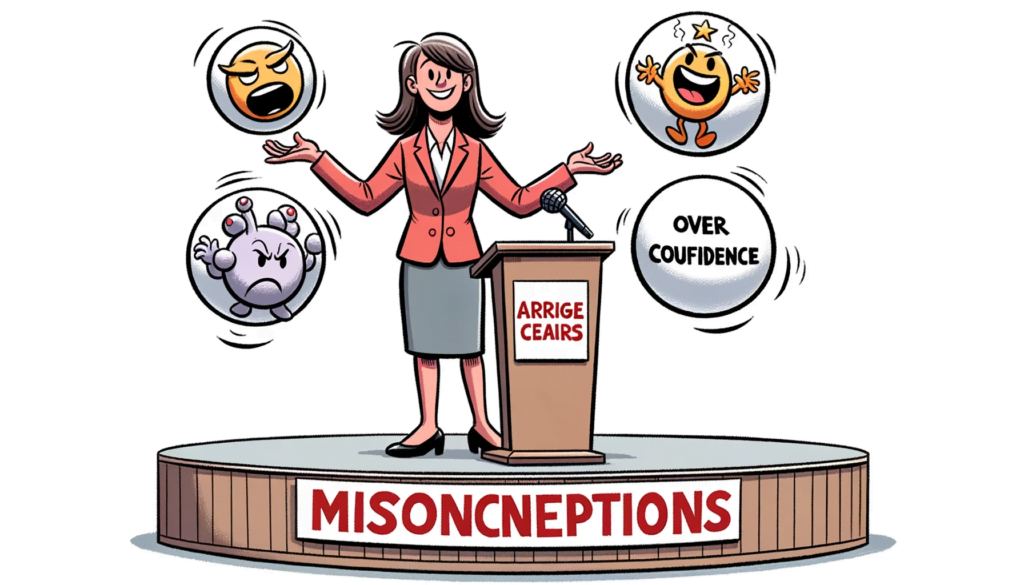
Ah, the misconceptions! Self-confidence is often misinterpreted as arrogance, while humility is mistakenly perceived as a lack of it. It’s crucial to dismantle these myths, understanding that true self-confidence is about recognizing your worth while being grounded in humility and openness to learning and growth.

10 Essential Interview Questions About Self-Confidence

Question 1: How Would You Describe Your Self-Confidence?

Navigating through the realms of professional interactions, the essence of self-confidence often emerges as a pivotal point of discussion. So, how does one describe it? It’s not merely about vocal affirmations but a subtle amalgamation of self-belief, poise, and a dash of humility. When asked about self-confidence in interviews, it’s not merely a query about your self-perception but a subtle probe into understanding how well you know yourself. The key here is to intertwine authenticity with positivity, presenting a narrative that is both genuine and positively skewed.

Question 2: Can You Share an Instance Where Your Self-Confidence Made a Difference?

Ah, the tales of triumph! But wait, it’s not just a storytelling session. It’s a glimpse into your practical application of self-confidence. When crafting an answer, it’s pivotal to weave a narrative that not only highlights a positive outcome but also subtly underscores your role in it. It’s about showcasing a scenario where your self-confidence was not just a personal attribute but a catalyst that propelled a situation towards a positive trajectory.

Question 3: How Do You Maintain Self-Confidence in Challenging Situations?

The storms of challenges often bring along a whirlwind of emotions and uncertainties. Maintaining self-confidence amidst this requires a blend of emotional intelligence, resilience, and a positive mindset. Your answer should reflect not just your ability to stay confident but also your strategy to navigate through the challenges, ensuring that your self-confidence is a beacon that guides rather than a shield that hides.

Question 4: How Do You Rebuild Your Self-Confidence After a Setback?

Setbacks, the inevitable companions of our journey, often pose a pertinent question – how do we bounce back? Rebuilding self-confidence is not just about internal reassurance but also about analyzing, learning, and evolving from the setback. It’s about showcasing a growth mindset, where setbacks are not failures but stepping stones towards development and learning.

Question 5: How Does Your Self-Confidence Impact Your Team Dynamics?

Your self-confidence is not an isolated entity. It permeates through your interactions, influencing team dynamics and collaborative endeavors. It’s about how your self-assurance can inspire confidence within the team, foster a positive environment, and facilitate a culture where challenges are met with enthusiasm and a can-do spirit.

Question 6: How Do You Ensure Your Self-Confidence Does Not Translate as Arrogance?

The fine line between confidence and arrogance often becomes a tightrope in professional interactions. Ensuring that your self-confidence is perceived positively involves a blend of humility, active listening, and valuing others’ opinions and contributions, fostering an environment of mutual respect and collaborative growth.

Question 7: How Does Your Self-Confidence Influence Your Decision-Making Process?

Decision-making, a critical aspect of professional roles, often intertwines with self-confidence. It’s about how your belief in yourself and your abilities influences your decisions, ensuring they are not just informed but also backed by a level of assuredness and risk assessment.

Question 8: How Do You Balance Self-Confidence and Continuous Learning?

Balancing self-confidence with continuous learning involves recognizing and valuing the importance of evolution and development in one’s career. It’s about being confident in your abilities while maintaining an open-mindedness to learn, adapt, and evolve.

Question 9: How Do You Project Self-Confidence in Virtual Interactions and Meetings?

In the digital era, projecting self-confidence transcends physical spaces, permeating into virtual interactions. It’s about ensuring that your self-assurance is communicated effectively through digital mediums, maintaining authenticity, and engagement in virtual communications.

Question 10: How Has Your Self-Confidence Evolved Over the Years?

The evolution of self-confidence often mirrors personal and professional growth. It’s about showcasing your journey, reflecting on how experiences, learnings, and developments have shaped and nurtured your self-confidence over the years.

Deep Dive: Analyzing Each Question

Psychological Perspective of Each Question

Embarking on a journey through the psychological lens of Interview Questions About Self-Confidence, we find a rich tapestry of insights into human behavior and self-perception. Each question, subtly or overtly, seeks to unravel the threads of your self-belief, resilience, and authenticity. It’s not merely about gauging your confidence but understanding how it shapes your actions, decisions, and interactions. The psychological underpinning of these questions often ventures into realms of self-awareness, emotional intelligence, and your ability to navigate through challenges with a poised assurance.

What Interviewers Infer from Your Answers

Interviewers, through your responses, attempt to decode the layers of your professional persona, assessing not just your verbal responses but the confidence with which you present them. Your answers become a window, offering glimpses into your self-perception, your ability to handle pressure, and your emotional stability. It’s a narrative, where your self-confidence becomes a character, influencing the storyline, and shaping the interviewer’s perception of your fitment for the role.

How to Effectively Answer Self-Confidence Questions

Understanding the Underlying Theme of the Questions

Peeling back the layers of interview questions about self-confidence, the underlying theme often revolves around self-awareness, resilience, and authenticity. It’s about understanding and articulating your journey of self-confidence, reflecting on its impact on your career trajectory, and showcasing a balanced blend of assurance and humility in your responses.

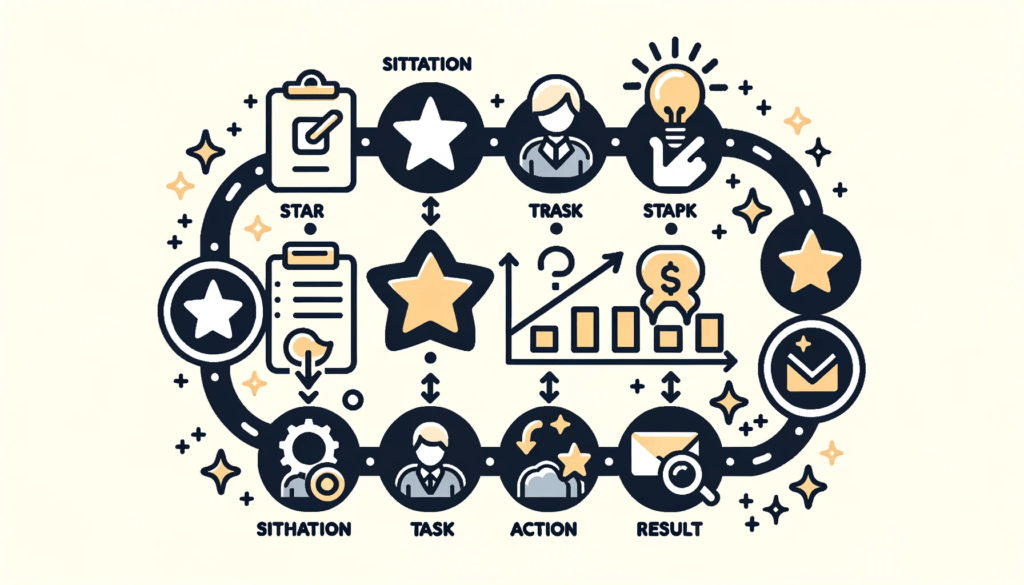
Structuring Your Answers: Situation, Task, Action, Result (STAR) Method

The STAR method, a structured approach to answering behavioral questions, allows you to present your responses in a coherent and impactful manner. It’s about narrating a story where you:

  • Describe the Situation,
  • Outline the Task,
  • Detail the Action taken,
  • And highlight the Result.

This method not only ensures clarity and depth in your answers but also subtly showcases your analytical and storytelling abilities.

Common Pitfalls to Avoid While Answering

Navigating through self-confidence questions, common pitfalls often involve overconfidence, vagueness, and lack of authenticity. It’s crucial to avoid generic answers, ensure authenticity, and maintain a balanced portrayal of confidence without veering into arrogance. Your answers should reflect a genuine understanding and application of self-confidence, avoiding cliches and ensuring relevance to the question posed.

Additional Tips to Exhibit Self-Confidence in Interviews

Non-verbal Cues and Body Language

Navigating through the subtle nuances of non-verbal communication, your body language becomes a silent yet potent narrator during interviews. A firm handshake, steady eye contact, and an upright posture subtly weave a tapestry of confidence, assurance, and authenticity. Your non-verbal cues, from the subtle nod of acknowledgment to the gentle tilt of contemplation, silently communicate your attentiveness, engagement, and yes, your self-confidence during the interaction.

Verbal Communication and Articulation

Ah, the art of articulation! Your verbal communication, intertwined with your self-confidence, crafts a narrative that transcends the mere words spoken. It’s about ensuring clarity, maintaining a steady pace, and infusing your communication with a balanced blend of professionalism and genuine emotion. Your articulation becomes a reflection of your self-confidence, showcasing your knowledge, preparation, and your intrinsic belief in your capabilities and potential.

Conclusion

Embarking on this journey through the realms of Interview Questions About Self-Confidence, we’ve navigated through the intricate corridors of self-perception, communication, and presentation in interviews. Remember, dear reader, your self-confidence is not merely a personal attribute but a silent communicator, influencing perceptions and interactions. Embrace it, nurture it, and allow it to shine through your interactions, ensuring that your self-confidence becomes a beacon of your authenticity, capability, and genuine self.

FAQs About Self-Confidence in Interviews

  • Q1: How can I showcase self-confidence without appearing arrogant? A: Ensure a balanced blend of humility and confidence, valuing others’ inputs and showcasing your achievements with genuine authenticity.
  • Q2: How do I maintain self-confidence in challenging interview scenarios? A: Rely on preparation, maintain a positive mindset, and utilize coping strategies like deep breathing to navigate through challenging questions.
  • Q3: Can self-confidence be developed and enhanced? A: Absolutely! Through practices like positive affirmations, skill development, and embracing a growth mindset, self-confidence can indeed be nurtured and enhanced.

Additional Resources and Further Reading

  • Books: Consider exploring “The Confidence Code” by Katty Kay and Claire Shipman and “Daring Greatly” by Brené Brown for insightful perspectives on self-confidence.
  • Courses: Platforms like Coursera and Udemy offer courses on building self-confidence and effective communication.
  • Workshops: Keep an eye out for workshops focused on personality development and communication skills.
  • Forums: Engage in forums and communities like Reddit’s r/selfimprovement and r/confidence for shared experiences and insights on building self-confidence.

Embark on your journey of self-confidence with us! Share your tales, your triumphs, and yes, your challenges too. Engage in the comments, share your insights, and let’s create a community where experiences become shared learnings. If this article resonated with you, consider sharing it with your peers, spreading the knowledge, and empowering others in their journey of self-confidence. Together, let’s navigate through the realms of self-confidence, ensuring that our interactions, especially in interviews, become a true reflection of our capabilities, potential, and genuine selves.

Fall Aesthetic Wallpapers: A Symphony of Colors and Emotions

Ah, autumn! A season that paints nature with a palette of warm and vibrant colors, inviting us into a world where every leaf becomes a flower. Fall aesthetic wallpapers allow us to capture these fleeting moments, transforming our digital spaces into cozy, vibrant, and inspiring scenes. But what makes a wallpaper truly embody the essence of fall? Let’s dive into a world where your screen is caressed by the gentle touch of autumn.

Warm and Cozy Fall Aesthetic Wallpaper

Imagine this: a room illuminated by the gentle flicker of a fireplace, where every flame dances to the melody of tranquility. The scent of burning wood lightly perfumes the air, while pumpkins, in all their orange glory, sit quietly, basking in the warmth. Autumn leaves, in hues of amber and mahogany, lay scattered, whispering tales of cozy days and comforting nights.

A wallpaper that encapsulates this scene isn’t merely a picture; it’s a virtual hug to your soul. It’s a reminder of the gentle embrace of warmth amidst the crisp autumn air. The soft, plush throw blanket isn’t just an object; it becomes a symbol of comfort, of evenings spent with a good book and a cup of cocoa. The pumpkins and autumn leaves? They’re not mere decorations; they’re tiny vessels carrying the spirit of fall into our digital world.

This wallpaper becomes more than a visual; it’s an experience, a tiny portal that transports you to a world where every pixel is infused with the essence of autumn. A warm and cozy fall aesthetic wallpaper doesn’t just decorate our screen; it adorns our digital interactions with a comforting, gentle touch of autumn’s splendid warmth.

Vibrant and Colorful Fall Forest Wallpaper

Picture a forest where every tree is a brush, and every leaf a stroke of nature’s most vibrant colors. The sun, now a soft painter of light, filters through the foliage, gently kissing the ground below. The leaves, now a cascade of oranges, reds, and yellows, create a canopy that transforms the forest into a lively spectacle of fall.

A wallpaper that captures this vibrant fall forest is like a daily walk through nature’s most magnificent gallery. It’s where your screen becomes a window, opening up to a world where every leaf twirls down like a colorful confetti, celebrating the season of harvest and transition. The sunlight isn’t merely a source of light; it becomes a gentle painter, delicately highlighting the leaves, turning each one into a masterpiece hanging on the virtual walls of our screens.

The vibrant and colorful fall forest wallpaper is not just a static image. It’s a dynamic representation of nature’s ever-changing canvas, where every day brings a new shade, a new scene, and a new emotion to our digital world. It’s a reminder that change, in its most vibrant form, can be beautiful, inspiring, and absolutely breathtaking.

Mystical and Foggy Autumn Landscape Wallpaper

Envision a path, shrouded in a delicate mist, where every step forward is a gentle stroll into the unknown. The towering trees, adorned with leaves that mirror the colors of a fading sunset, stand as silent guardians of a world where mystery and beauty intertwine. The fog, a gentle veil, softly conceals the world beyond, inviting our curiosity to wander into the mystical realms of autumn.

A wallpaper that encapsulates this scene is not merely a visual treat; it’s a journey into a world where every pixel is drenched in mystery and allure. The fog isn’t just a meteorological phenomenon; it becomes a gentle storyteller, narrating tales of hidden worlds and adventures waiting just beyond the visible path. The autumn leaves, now a carpet underfoot, rustle with whispers of seasons gone by, sharing secrets with every wanderer that ventures into this digital realm.

This mystical and foggy autumn landscape wallpaper invites our imaginations to dance with the unknown, to explore the concealed beauty of fall, and to seek the stories hidden within the mist. It’s a gentle reminder that there is beauty in mystery, serenity in the unknown, and that every obscured path may lead to a new, enchanting adventure.

Rustic Fall Farmhouse Aesthetic Wallpaper

Imagine a quaint farmhouse, nestled amidst a sea of vibrant colors, where simplicity and charm harmoniously coexist. The pumpkin patch, a lively orchestra of orange and green, plays a melody that heralds the arrival of harvest season. Haystacks, standing tall and proud, become monuments of the hard work and dedication that the land honors with its bountiful yield.

A wallpaper that brings this scene to life is more than a picturesque countryside image; it’s a homage to the rustic beauty and unpretentious charm of rural life. The farmhouse isn’t just a building; it becomes a symbol of warmth, of a life that honors the rhythms of nature, and of a simplicity that brings peace to our often chaotic digital world. The pumpkins and haystacks are not mere elements of the scene; they become emblems of harvest, of the rewards that patience and diligence can reap.

The rustic fall farmhouse aesthetic wallpaper is a journey into a world where every pixel tells a story of the land, of seasons that come and go, and of the simple, unadulterated beauty that nature bestows upon us. It’s a reminder that amidst the rapid advancements of our digital age, there is a serene world that moves at its own pace, honoring every change, every season, and every little joy that nature brings.

Urban Fall Aesthetic Wallpaper

Picture a bustling city street, where the concrete jungle meets the vibrant hues of fall. Trees, standing tall amidst the architectural marvels, drape their leaves like nature’s own festive decorations, painting the urban landscape with splashes of amber, ochre, and burgundy. Cozy cafes, with their outdoor seating, invite passersby to bask in the gentle autumn sun, sipping on a warm beverage while the world continues its lively dance around them.

A wallpaper that encapsulates this urban fall aesthetic is not just a snapshot of city life; it’s a fusion of the natural and the man-made, where every pixel is a celebration of coexistence. The vibrant leaves are not merely seasonal changes; they become nature’s gentle touch, softening the hard lines of the urban structures with their delicate, colorful drapes. The cafes and city dwellers aren’t just elements of urban life; they become narrators of a story where the hustle of city life and the serene beauty of fall find harmony.

This urban fall aesthetic wallpaper becomes a window into a world where every day is a blend of nature’s calm and urban energy. It’s a reminder that even in the midst of our busy lives, nature finds a way to weave its tranquil beauty into our daily scenes, inviting us to pause, appreciate, and breathe in the autumn air, even if just through our screens.

Romantic Fall Picnic Aesthetic Wallpaper

Envision a secluded spot in a peaceful park, where a blanket lays adorned with the offerings of fall – crisp apples, plump pumpkins, and a woven basket filled with treats. A book, left casually open, invites you to lose yourself in its pages, while the surrounding trees, dressed in their autumn best, stand as silent witnesses to this intimate scene.

A wallpaper that brings this romantic fall picnic to life is not merely an image; it’s an invitation to a moment suspended in time, where every pixel is a gentle whisper of love, tranquility, and togetherness. The blanket and the basket aren’t just picnic essentials; they become symbols of shared moments, of memories created amidst the natural splendor of fall. The book and the surrounding autumn leaves become messengers of romance, narrating tales of love that is as deep and varied as the colors of fall.

The romantic fall picnic aesthetic wallpaper becomes a portal to a moment where love and nature entwine, creating a scene that is as heartwarming as a gentle autumn day. It’s a reminder that love, in all its forms, finds a special expression amidst the serene and intimate moments that nature graciously hosts.

Tranquil Fall Lake Scene Wallpaper

Imagine a serene lake, its surface mirroring the vibrant tapestry of autumn colors from the surrounding trees. A small wooden dock, accompanied by a lone canoe, invites you to embark on a tranquil journey across the reflective waters, where every paddle gently disturbs the mirrored world below.

A wallpaper that captures this tranquil fall lake scene is not just a peaceful image; it’s a journey into a world where every pixel is a ripple of tranquility, solitude, and reflection. The calm lake is not merely a body of water; it becomes a mirror, reflecting the splendid colors of fall and the introspective journeys we embark upon during this season. The dock and the canoe are not just objects; they become vessels that carry us into a world of peaceful solitude, allowing us to navigate through the reflective waters of our own thoughts and emotions.

This tranquil fall lake scene wallpaper becomes a sanctuary, where the serene beauty of nature allows us to pause, reflect, and find peace amidst the vibrant, yet calming chaos of fall. It’s a gentle reminder that amidst the lively colors of autumn, there is a tranquil space where our thoughts can flow as gently as a canoe gliding across a calm lake.

Whimsical Fall Fairy Tale Aesthetic Wallpaper

Embark on a journey into a whimsical fall fairy tale, where a quaint cottage, nestled amidst a lush, vibrant forest, becomes the setting for enchanting stories yet to be told. Mushrooms of every shape and size dot the landscape, while gentle forest creatures, from squirrels to owls, add a lively spirit to this magical autumn scene.

A wallpaper that brings this whimsical fall fairy tale to life isn’t merely a fanciful image; it’s a gateway into a world where every pixel is sprinkled with a dash of magic and wonder. The quaint cottage isn’t just a structure; it becomes a home for tales of adventures, of cozy evenings spent by the fire, and of magical occurrences that bring a sparkle to the autumn season. The vibrant autumn foliage, mushrooms, and forest creatures are not mere elements of nature; they become characters in a story where the magic of fall whispers through every leaf and twig.

This whimsical fall fairy tale aesthetic wallpaper becomes a canvas where the enchanting tales of autumn are painted in vibrant colors, inviting our imaginations to dance with the magic that resides within every leaf, every creature, and every gentle autumn breeze. It’s a reminder that the magic of fall resides not just in its vibrant colors but in the enchanting stories that unfold within its gentle embrace.

Fall Aesthetic Wallpaper with a Literary Touch

Picture a scene where the romanticism of literature and the nostalgic beauty of fall blend into a harmonious symphony. A vintage desk, adorned with an old typewriter, a cup of tea, and scattered autumn leaves, becomes a sanctuary where words flow as freely as the autumn wind. Classic books, each one a vessel of stories, adventures, and emotions, lay invitingly, whispering tales of worlds waiting to be explored.

A wallpaper that encapsulates this literary-inspired fall aesthetic is not just an image; it’s a celebration of stories, where every pixel is a word, crafting tales of nostalgic autumn days and the timeless beauty of literature. The vintage desk and typewriter are not mere objects; they become symbols of stories yet to be written, of words that find expression amidst the inspiring beauty of fall. The scattered autumn leaves and classic books become carriers of tales, of emotions expressed through ink, and of adventures that transcend time and season.

This fall aesthetic wallpaper with a literary touch becomes a backdrop where the nostalgic beauty of autumn and the timeless allure of literature find a harmonious expression, inviting us to write, read, and explore the worlds hidden within words and the vibrant tapestry of fall.

Fall Night Sky Aesthetic Wallpaper

Imagine a fall night sky, where the vibrant colors of sunset gradually give way to a celestial spectacle. The silhouette of barren trees, their leaves now a carpet underfoot, stands stark against the transitioning colors of the evening sky, while stars begin to twinkle, adding a celestial sparkle to the autumn night.

A wallpaper that captures this fall night sky aesthetic is not just a celestial image; it’s a journey into a world where every pixel is a blend of earthly autumn beauty and the infinite allure of the cosmos. The barren trees are not merely silhouettes; they become guardians of the night, their branches reaching towards the celestial tapestry above. The vibrant sunset and the starlit night are not just phases of the daily celestial show; they become symbols of transition, of the day’s vibrant energy giving way to the serene, infinite beauty of the night.

This fall night sky aesthetic wallpaper becomes a canvas where the earthly colors of fall and the infinite, celestial beauty of the night sky create a harmonious symphony, inviting us to gaze, wonder, and find peace amidst the stars and the vibrant hues of autumn.

Fall Harvest Festival Aesthetic Wallpaper

Imagine a lively fall harvest festival, where stalls brimming with pumpkins, apples, and autumn decorations create a vibrant mosaic of colors and shapes. Children, their faces painted with playful designs, frolic in piles of crisp leaves, while families enjoy hayrides, their laughter mingling with the crisp autumn air.

A wallpaper that encapsulates this lively fall harvest festival is not just a festive image; it’s a celebration of community, abundance, and the joyful spirit of the season, where every pixel is a note in a lively autumnal symphony. The stalls aren’t merely vendors; they become a showcase of the season’s bounty, a testament to the fruitful collaboration between nature and farmer. The children and families are not just festival-goers; they become the heartbeat of the celebration, embodying the joy, togetherness, and playful spirit that defines the harvest festival.

This fall harvest festival aesthetic wallpaper becomes a vibrant scene where the joy and abundance of the season come to life, inviting us to join in the celebration, to laugh, play, and bask in the bountiful spirit of fall, even if just through our screens.

Fall Aesthetic Wallpaper with a Cozy Reading Nook

Envision a cozy reading nook by a window, where soft cushions, a plush blanket, and a stack of books create a sanctuary of comfort and solitude. A steaming mug sits invitingly, while outside, a gentle autumn rain taps softly against the window, and colorful foliage creates a vibrant backdrop to this intimate scene.

A wallpaper that brings this cozy reading nook to life is not merely an inviting image; it’s a haven of tranquility and introspection, where every pixel is a gentle invitation to pause, read, and find solace amidst the vibrant yet calming chaos of fall. The cushions and blanket are not just comforts; they become a nest, cradling you in warmth and comfort as you lose yourself in tales of distant lands and adventures. The books and the steaming mug are not mere objects; they become companions, offering stories to explore and a warmth that goes beyond the physical.

This fall aesthetic wallpaper with a cozy reading nook becomes a sanctuary, where the comforting embrace of a good book and the serene beauty of fall come together, offering a peaceful escape from the hustle and bustle of our daily lives.

Fall Nails 2023: What’s New in the Nail Art World?

Ah, the crisp autumn air, the sound of leaves crunching underfoot, and the vibrant hues of nature transitioning. Fall is upon us, and with it comes a fresh wave of nail art trends that are as warm and cozy as your favorite sweater. If you’re looking to dip your fingers into the latest and greatest in nail artistry, you’re in for a treat! From the rich and regal to the sleek and futuristic, 2023 is serving up some serious nail inspiration. So, grab your pumpkin spice latte, and let’s dive into the world of fall nails.

Autumnal Elegance: Fall Nails 2023

Imagine a canvas of deep burgundy, burnt orange, and forest green – colors that encapsulate the very essence of fall. Now, add subtle gold leaf accents and intricate patterns reminiscent of falling leaves. Voila! You have a nail design that screams autumnal elegance. This trend is all about embracing the rich and warm tones of the season and adding a touch of luxury with gold leaf. It’s like wearing the beauty of a fall forest on your fingertips.

Abstract Artistry: Modern Fall Nail Designs

Step aside, traditional fall designs; abstract artistry is making waves this year. Think of bold color blocks, unpredictable patterns, and a mishmash of fall 2023 color trends. These designs are not just about the colors but the story they tell. With matte finishes and geometric patterns, this trend is for those who love to make a statement and let their nails do the talking. It’s modern, it’s edgy, and it’s oh-so-chic.

Gothic Glamour: Dark and Mysterious Fall Nails

For those who like to walk on the dark side, the gothic glamour trend is your calling. Dive deep into shades of purples, blacks, and dark reds, and let your nails tell a tale of mystery and allure. Velvet textures, silver embellishments, and mystical symbols like moons or stars add an extra layer of intrigue. It’s a blend of the dark, romantic vibes of goth with the warmth of fall.

Cozy Sweater Nails: Textured Fall Nail Art

Nothing screams fall like a cozy sweater, and now you can wear that comfort on your nails! Picture warm, neutral colors like beige, taupe, and brown, painted with patterns that mimic the coziness of knit sweaters. The tactile appearance, combined with cable designs, makes for a nail art that’s both comforting and stylish. It’s like wrapping your nails in a warm hug.

Harvest Festival: Vibrant and Playful Fall Nails

Fall is synonymous with harvest festivals, and this nail trend captures its vibrant spirit. Think bright and cheerful colors, adorned with playful designs of pumpkins, cornucopias, and fall foliage. It’s a celebration of the season’s bounty, right at your fingertips.

Eco-Friendly Essence: Sustainable Fall Nail Art

With the world moving towards sustainability, why should nails be left behind? This trend is all about earthy tones, nature-inspired designs, and most importantly, eco-friendly products. Biodegradable glitters and plant-based nail polishes are in vogue, making this trend not just beautiful but also kind to Mother Earth.

Retro Revival: Vintage-Inspired Fall Nails

The past always finds a way to inspire the present, and this fall, it’s all about the retro vibes. Nails adorned with patterns from the 70s and 80s, like paisley and polka dots, are making a comeback. The fall color palette adds a modern twist to these vintage designs, making them both nostalgic and trendy.

Luxurious Layers: 3D Fall Nail Art

If you’re looking to add some drama to your nails, the 3D nail art trend is for you. Autumnal colors combined with elements like rhinestones, studs, and layered polish techniques create a multi-dimensional look. It’s all about depth, dimension, and a touch of luxury.

Minimalist Chic: Simplistic Fall Nail Designs

For those who believe in the mantra ‘less is more’, the minimalist chic trend is a perfect fit. Muted fall colors, combined with simple patterns and clean lines, create a look that’s sophisticated and modern. It’s a subtle nod to the season without going overboard.

Futuristic Fall: Holographic and Metallic Nails

Last but not least, fall 2023 is also about looking ahead. Holographic and metallic nail polishes are all the rage, giving nails a futuristic sheen. Autumnal motifs like leaves and branches, when painted with these polishes, create a sleek and modern look. It’s a blend of the warmth of fall with the coolness of the future.

In conclusion, fall 2023 is shaping up to be an exciting time for nail art enthusiasts. Whether you’re a fan of the classics or love to experiment with new trends, there’s something for everyone. So, as the leaves start to fall, let your creativity soar and give these nail trends a whirl. After all, life’s too short for boring nails!

7 Powerful Self Esteem Bible Quotes to Inspire Confidence Every Day

Introduction

A. The Pivotal Role of Self Esteem in Our Lives

In the tapestry of life, where challenges and triumphs interweave, our self-esteem often emerges as the vibrant thread that shapes our narrative. It’s that intrinsic belief in our worth and abilities that propels us forward, enabling us to navigate through the ebbs and flows of life with resilience and poise. But, what happens when this thread frays, and self-doubt begins to seep in? This is where the timeless wisdom encapsulated within “Self Esteem Bible Quotes” can serve as a beacon of light, gently guiding us back towards a path of self-affirmation and confidence.

B. Bible Quotes: A Timeless Source of Inspiration and Confidence

The Bible, a revered text, has long been a source of solace and strength for many, offering a sanctuary of words that uplift and inspire. Bible quotes, especially those that speak to self-esteem and self-worth, have the profound ability to resonate with our innermost feelings, providing comfort and reassurance in moments of doubt. They serve as gentle reminders that our worth is immeasurable and that we are, unequivocally, deserving of love and respect. These scriptural affirmations, when embraced, can fortify our self-esteem, enabling us to approach life with a renewed sense of vigor and self-assurance.

C. Embarking on a Journey Through 7 Empowering Bible Quotes

In the ensuing passages, we will delve into 7 potent Bible quotes, each a nugget of wisdom, offering insights into the divine perspective on our intrinsic worth and capabilities. These quotes, carefully selected, will serve as our companions in this journey towards bolstering self-esteem and fostering a robust sense of self-belief. Through thoughtful interpretation and reflection, we will explore how these timeless words can be woven into our daily lives, acting as steadfast pillars of confidence and self-love.

The Intersection of Faith and Self Esteem

A. Exploring the Concept of Self Esteem in a Religious Context

In the realm of spirituality, where faith and self-perception often intertwine, self-esteem emerges as a poignant topic, warranting exploration and understanding. The concept of self-esteem, particularly within a religious context, transcends mere self-confidence, evolving into a profound recognition of one’s worth through the lens of divine love and acceptance. It’s not merely about seeing ourselves through our own eyes but also perceiving our value through the benevolent gaze of a higher power. The spiritual journey, thus, becomes a conduit through which we navigate our self-worth, intertwining our earthly experiences with celestial beliefs.

B. The Role of Scripture in Shaping Self-Perception

Scripture, in its essence, is a tapestry of divine revelations, guiding beliefs, and moral compasses. It becomes particularly pivotal when exploring self-perception, as it provides a framework that shapes our understanding of worth and value, not just as individuals, but as cherished beings in the spiritual realm. “Self Esteem Bible Quotes,” for instance, serve as gentle, yet powerful, reminders of our intrinsic worth and divine favor. They act as mirrors reflecting not only our earthly selves but our spiritual identities, intricately molded by faith and belief. These scriptures, when internalized, can profoundly influence our self-perception, embedding a robust sense of self-worth that is anchored in divine affirmation and love.

C. Real-life Stories/Examples of People Finding Confidence through Faith

Consider the narrative of Hannah, a woman who found herself engulfed in self-doubt and despair due to her inability to conceive. Her journey, as depicted in the scriptures, is not merely a tale of sorrow but a testament to finding confidence through unwavering faith. Hannah turned to fervent prayer, laying bare her vulnerabilities before the divine. It was through this unshakable faith that she not only found solace but also redefined her self-worth, independent of her circumstances.

Similarly, numerous real-life stories echo this sentiment, where individuals have found a reservoir of confidence through their faith. Consider John, a man who battled with crippling self-doubt following a career setback. It was through immersing himself in scripture, particularly in self-esteem Bible quotes, that he found the strength to rebuild, not just his career, but his self-perception, recognizing that his worth was not tethered to worldly successes but was infinite in the eyes of the divine.

Analyzing the 7 Powerful Self Esteem Bible Quotes

A. Quote 1

Quote Text

But you are a chosen people, a royal priesthood, a holy nation, God’s special possession, that you may declare the praises of him who called you out of darkness into his wonderful light.” – 1 Peter 2:9

Interpretation

This profound verse from 1 Peter illuminates the intrinsic worth bestowed upon us by the divine. It’s not merely a statement but a declaration of our inherent value in the eyes of God. We are not random entities wandering aimlessly; we are meticulously chosen, deemed royal, and perceived as holy. This scripture underscores the notion that our self-esteem is not a mere reflection of our earthly accomplishments but is deeply rooted in our spiritual identity and divine selection.

Application in Daily Life

In moments where self-doubt seeks to overshadow our self-esteem, this quote acts as a gentle reminder of our divine worth. Integrating this into our daily life means recognizing that our value is not contingent on external validations but is inherently present. When we embrace ourselves as God’s special possession, we navigate through life not with arrogance, but with a humble confidence that emanates from understanding our place in the divine schema.

B. Quote 2

Quote Text

For I am fearfully and wonderfully made; marvelous are Your works, and that my soul knows very well.” – Psalm 139:14

Interpretation

Psalm 139:14 is a potent reminder of our marvelous creation and the intricate design that we embody. It’s a testament that our existence is not arbitrary but a marvelous work of divine craftsmanship. Our self-esteem, therefore, becomes a reflection of recognizing and honoring this divine workmanship within us. It’s an acknowledgment that we are not mere beings but wonderfully made creations, deserving of respect, love, and esteem.

Application in Daily Life

Incorporating this “Self Esteem Bible Quote” into our daily life involves recognizing that every aspect of our being, from our abilities to our shortcomings, is wonderfully made. It means moving through life with the acknowledgment that we are a marvelous creation, deserving of self-love and respect. It’s about seeing ourselves through a lens of love and admiration, not for our perfections, but for our unique design and existence.

C. Quote 3

Quote Text

Do not be conformed to this world, but be transformed by the renewal of your mind, that by testing you may discern what is the will of God, what is good and acceptable and perfect.” – Romans 12:2

Interpretation

Romans 12:2 nudges us towards a path of mental and spiritual renewal, advocating for a transformation that transcends worldly conformities. It’s a call to elevate our self-perception from mere worldly standards to aligning with divine will. Our self-esteem, in this context, is not to be tethered to worldly validations but should be rooted in understanding and aligning with the divine will, which perceives us as inherently good, acceptable, and perfect.

Application in Daily Life

Applying this scripture involves a conscious effort to detach our self-worth from worldly accolades and to immerse it in the divine truth of our inherent goodness and perfection. It’s about renewing our minds daily, reminding ourselves that our worth is not defined by worldly standards but by divine affirmation. This scripture can be a daily affirmation, reminding us to seek validation not from the world but from understanding and aligning with divine will.

D. Quote 4:

Quote Text

“For God gave us a spirit not of fear but of power and love and self-control.” – 2 Timothy 1:7

Interpretation

2 Timothy 1:7 is a potent reminder that our existence is not rooted in fear but is empowered by divine attributes of power, love, and self-control. Our self-esteem, therefore, should be a reflection of recognizing and embracing these divine attributes within us. It’s a call to shift our self-perception from one of inadequacy and fear to recognizing the power, love, and self-control that is inherently within us.

Application in Daily Life

In moments of self-doubt and fear, this scripture can serve as a powerful reminder and affirmation of our inherent divine attributes. It’s about recognizing that our self-worth is not diminished by our fears and inadequacies but is elevated by acknowledging the power, love, and self-control that resides within us. This scripture can be a daily mantra, empowering us to navigate through life with confidence, love, and self-assurance.

Psychological Perspective on Self Esteem and Bible Quotes

A. The Psychological Impact of Positive Affirmations and Quotes

In the intricate landscape of our psyche, positive affirmations and quotes, especially those rooted in spirituality like “Self Esteem Bible Quotes,” hold a significant place. Psychologists often underscore the transformative power of positive affirmations in rewiring our cognitive patterns, fostering a more optimistic and resilient mental framework. These affirmations, particularly when they echo spiritual truths, can act as anchors during turbulent emotional times, providing a steady foundation of self-worth and esteem. The psychological impact is profound, as these affirmations do not merely act as temporary boosts but can catalyze long-term positive changes in our self-perception and mental well-being.

B. How Faith and Scripture Can Be a Source of Psychological Strength

Faith and scripture intertwine to form a potent source of psychological strength, offering a sanctuary of hope, reassurance, and unconditional love. The scriptures, with their profound wisdom and timeless truths, provide a stable framework upon which individuals can build their self-esteem and navigate through life’s challenges. The psychological strength derived from faith and scripture is rooted in the belief of a higher power’s unwavering love and acceptance, providing a consistent source of comfort and encouragement. This spiritual foundation often becomes a wellspring of mental resilience, enabling individuals to face life’s adversities with a fortified spirit and a hopeful perspective.

C. Expert Opinions and Studies on Faith-Based Confidence Building

Numerous studies and expert opinions underscore the pivotal role of faith-based confidence building in enhancing psychological well-being. Dr. Harold G. Koenig, a renowned psychiatrist and researcher, emphasizes the positive correlation between spiritual practices and mental health. Similarly, various studies published in journals like the “Journal of Religion and Health” highlight the positive impact of spiritual beliefs and practices in fostering mental resilience, reducing stress, and enhancing overall well-being. Faith-based confidence building, therefore, is not merely a spiritual practice but is recognized by experts and studies as a viable and impactful avenue for fostering mental health and robust self-esteem.

Practical Applications of Bible Quotes in Daily Life

A. Incorporating Bible Quotes into Daily Rituals and Habits

Embarking on a day with a heart filled with divine words can be a transformative practice. Incorporating “Self Esteem Bible Quotes” into daily rituals and habits doesn’t merely serve as a spiritual practice but also as a constant reminder of our intrinsic worth in the eyes of the divine. Imagine starting your day, not with the usual hustle and bustle, but with a serene moment, whispering words of divine affirmation to your soul. This practice can be as simple as dedicating the first few minutes of your morning to meditate on a chosen Bible quote, allowing its essence to seep into your thoughts and actions throughout the day.

B. Using Bible Quotes for Meditation and Reflection

Meditation, often perceived as a practice of mindfulness, can be enriched with the profoundness of Bible quotes. Engaging in a meditative practice where you reflect upon Bible quotes, especially those that affirm your worth and esteem, can be a potent tool for mental and spiritual well-being. It’s not merely about silent moments but about immersing your consciousness into the depth of these divine words, allowing them to permeate your being, and subsequently, reflecting their truth in your daily life. This practice of meditating on Bible quotes can be a sanctuary of peace, providing solace and strength amidst the chaos of life.

C. Creating Visual Reminders and Affirmation Cards with Bible Quotes

Visual reminders have a subtle yet persistent way of etching truths into our minds. Creating affirmation cards with Bible quotes and placing them in spaces where your eyes often linger – your workspace, bedroom mirror, or even your journal, can be a gentle nudge towards self-affirmation. These visual reminders serve as constant affirmations of your worth, echoing the divine truths in moments of self-doubt and despair. It’s not merely a card but a visual representation of divine love and affirmation, silently whispering truths of your worth and esteem amidst the noise of worldly judgments.

Stories of Transformation through Bible Quotes

A. Personal Narratives of Gaining Confidence through Scripture

In the tapestry of personal narratives, stories of individuals finding solace and confidence through “Self Esteem Bible Quotes” weave a poignant thread. Consider the tale of Sarah, who, amidst the tumult of self-doubt and anxiety, found a beacon of hope in Philippians 4:13 – “I can do all things through Christ who strengthens me.” This scripture became a mantra, a gentle whisper in moments of despair, gradually transforming her self-perception from inadequacy to a belief in her inherent strength through divine connection. Sarah’s story is not isolated but echoes the experiences of countless individuals who have found a reservoir of confidence through the timeless words of scripture.

B. Impact Stories from Various Demographics and Walks of Life

The impact of Bible quotes transcends demographics, touching lives from various walks of life. From the bustling streets of New York to the serene landscapes of New Zealand, stories of transformation through Bible quotes resonate with a universal theme of hope and redemption. Consider the narrative of Raj, a seasoned corporate executive, who found solace in Psalm 46:10 – “Be still, and know that I am God,” amidst the chaos of corporate ladders and existential crises. Or Mia, a student battling peer pressure and self-worth issues, who found an anchor in Romans 12:2 – “Do not conform to the pattern of this world, but be transformed by the renewing of your mind.” These stories, varied yet unified, highlight the universal impact of Bible quotes in fostering self-esteem and confidence across diverse demographics and life paths.

C. Reflection on the Universality of the Messages in the Quotes

Reflecting upon these stories, one cannot help but be struck by the universality of the messages encapsulated in Bible quotes. They do not merely serve as spiritual affirmations but echo timeless truths about our intrinsic worth and divine connection. The messages in these quotes, whether it be about our inherent strength, divine connection, or the call to transcend worldly conformities, resonate with a universal human experience of seeking validation, acceptance, and a sense of intrinsic worth. These quotes, while rooted in spiritual contexts, speak to the human condition, offering a sanctuary of truth, hope, and self-affirmation amidst the varying storms of life.

Challenges and Criticisms

A. Addressing Criticisms Related to Religion and Self Esteem

The intersection of religion and self-esteem, particularly through “Self Esteem Bible Quotes,” often encounters criticisms. Skeptics argue that religious texts can both uplift and inadvertently perpetuate self-doubt, especially when misinterpreted or used dogmatically. While Bible quotes can indeed be empowering, critics point towards instances where individuals might feel ‘unworthy’ in the eyes of the divine, thereby potentially diminishing self-esteem. Addressing these criticisms involves a nuanced understanding that spiritual texts can be both a source of comfort and, if misapplied, unintentional distress.

B. Navigating the Challenges of Interpreting Religious Texts

Interpreting religious texts, such as the Bible, is often fraught with challenges. The ancient, metaphorical language, varied translations, and diverse theological perspectives can sometimes lead to misinterpretations or selective applications of the scriptures. The challenge lies in ensuring that the essence of the quotes, especially those related to self-worth and esteem, is not lost or distorted in interpretation, thereby maintaining the empowering and affirming nature of the scriptures.

C. Balancing Faith and Personal Autonomy in Building Self Esteem

Balancing faith and personal autonomy in the journey of building self-esteem is crucial. While Bible quotes can provide a spiritual foundation for self-worth, it’s imperative to ensure that individuals do not solely derive their esteem from external sources, even if it is spiritual. A healthy self-esteem should ideally be an amalgamation of internal self-acceptance and external affirmations, ensuring that one’s self-worth is not entirely dependent on any single source, thereby fostering a balanced and resilient self-esteem.

Conclusion

A. Recapitulation of Key Points

In our exploration of “Self Esteem Bible Quotes,” we’ve traversed through the empowering narratives, psychological impacts, and practical applications of scripture in bolstering self-esteem. From personal stories of transformation to the psychological reinforcement offered by positive affirmations, the Bible quotes have showcased their timeless and universal appeal in nurturing self-worth and confidence amidst varied life experiences and challenges.

B. Final Thoughts on the Role of Bible Quotes in Enhancing Self Esteem

The Bible, with its rich tapestry of quotes, serves not merely as a spiritual guide but also as a reservoir of wisdom and affirmation, especially in the realm of self-esteem. The quotes, while deeply rooted in faith, transcend religious boundaries, offering universal messages of love, acceptance, and self-affirmation. They serve as gentle reminders of our intrinsic worth, divine connection, and the boundless possibilities that unfold when we embrace ourselves with love and acceptance.

C. Encouragement for the Reader to Explore Further and Apply Insights

Embarking on a journey of self-discovery and esteem building through Bible quotes is a deeply personal and transformative experience. May the insights gleaned from this exploration serve as a starting point, encouraging you to delve deeper, explore further, and find your own resonance with the scriptures. May the quotes not only be a source of comfort but also a catalyst, inspiring you to weave them into your daily life, nurturing a robust self-esteem that is both grounded in divine wisdom and blossoming in self-love.

Top 10 Unforgettable Good Quotes About Confidence to Boost Your Self-Esteem

Unveiling the Power Within Through “Good Quotes About Confidence”

Confidence, a seemingly simple word, yet it holds a universe of power and potential within it. It’s that invisible yet palpable force that propels us forward, enabling us to navigate through the myriad challenges life unfurls. But why does confidence hold such a pivotal place in our lives, and how does it weave into the tapestry of our daily endeavors and dreams? Let’s delve into this enchanting journey of self-belief and explore how it shapes our destiny.

In the realms of our inner world, confidence acts as the gentle whisper that assures us, “Yes, you can,” even when the external circumstances scream otherwise. It’s that intrinsic belief in our capabilities, even when the path ahead is shrouded in mystery and fraught with obstacles. Confidence isn’t merely a trait; it’s an ongoing dialogue with oneself, a reassuring pat on the back that encourages us to leap forward, to embrace the unknown with open arms and an unwavering spirit.

Now, imagine intertwining this self-assurance with the eloquence of words. That’s where quotes, especially “Good Quotes About Confidence,” weave their magic. Quotes have this uncanny ability to encapsulate profound emotions, wisdom, and experiences into a tapestry of words, offering solace, motivation, and insights in moments of despair and joy alike. They serve as tiny windows, offering glimpses into the wisdom accrued by individuals across ages and geographies, connecting us through a common thread of human experiences and emotions.

Quotes about confidence, particularly, serve as gentle reminders of our inherent strength and potential. They echo the sentiments of self-belief and resilience, often providing that much-needed nudge to step out of our comfort zones and dare to dance with our dreams. In moments of self-doubt and hesitation, these quotes whisper the tales of possibilities, encouraging us to look beyond the apparent and envision the boundless opportunities that lie ahead.

As we embark on this enlightening journey together, we’ll explore ten such handpicked, unforgettable quotes about confidence. Each quote, a pearl of wisdom, inviting us to ponder, reflect, and imbibe the essence encapsulated within. These aren’t merely words; they are beacons of inspiration, illuminating our path as we traverse through the diverse landscapes of life’s experiences.

In the ensuing sections, we shall not only delve into these quotes but also unravel the stories and insights hidden within them. We’ll explore how these pearls of wisdom have illuminated numerous lives with their radiant glow and how they can sculpt our path, infusing it with the luminosity of confidence and self-belief.

So, let’s embark on this journey together, exploring, reflecting, and rediscovering the boundless power that resides within us, waiting to be unveiled through the enchanting world of quotes.

The Essence of Confidence: A Beacon of Inner Strength and Catalyst for Triumph

Confidence, an intangible yet potent entity, silently orchestrates our actions, decisions, and interactions, shaping the trajectory of our lives. It’s like an invisible shield, safeguarding us against the arrows of doubt, fear, and apprehension, enabling us to navigate through life’s myriad challenges with an unwavering spirit. But what exactly is confidence, and how does it carve pathways to success, especially when intertwined with the wisdom encapsulated in “Good Quotes About Confidence”? Let’s embark on a journey to unravel the essence of confidence, exploring its psychological underpinnings and witnessing its transformative power through real-life tales of triumph.

Defining Confidence: The Inner Symphony of Self-Belief

Confidence is not merely a state of being but a dynamic process, a continuous dialogue with the self, affirming our capabilities and potential. It’s the silent whisper that reassures, “You’ve got this,” even amidst the tumultuous storms of challenges and uncertainties. Confidence isn’t about the absence of fear or doubt; rather, it’s the audacity to proceed despite them, to embrace vulnerability yet forge ahead, crafting paths where none might seem apparent.

Psychological Lens: Unveiling the Mind’s Dance with Confidence

From a psychological perspective, confidence intertwines with our self-perception, self-efficacy, and self-esteem. It’s a delicate dance between our intrinsic belief in our abilities and the external validation we receive. Confidence doesn’t bloom in isolation; it’s nurtured by our experiences, the affirmations we imbibe, and the reflections we witness in the mirror of society. It’s a harmonious blend of the internal and external, where our beliefs and actions, perceptions and realities, coalesce, sculpting our self-image and influencing our steps forward.

Real-Life Narratives: The Transformative Power of Confidence

Let’s weave through the tales of two individuals, whose lives were remarkably altered by the gentle yet potent touch of confidence.

Story 1: The Blossoming of Maya

Maya, a woman of humble beginnings, found herself ensnared by the chains of self-doubt and apprehension. Yet, amidst the shadows, a quote whispered to her, “Believe in the magic within you.” This wasn’t just a string of words but a catalyst, propelling her to embark on a journey of self-discovery and empowerment. Maya, once shrouded by inhibition, blossomed into a confident woman, launching a small business that eventually burgeoned into a thriving enterprise. Her story is a testament to how confidence, even a mere spark, can ignite a blazing trail of transformation and success.

Story 2: Jack’s Leap into the Unknown

Jack, a man tethered by the societal norms and familial expectations, stumbled upon a quote that nudged his soul, “Dare to traverse the path less trodden.” This whisper of wisdom, intertwined with a newfound confidence, propelled him to break free from the conventional and leap into the unknown, exploring avenues that once seemed unattainable. Jack, embracing the essence of confidence, sculpted a niche for himself in the realm of wildlife photography, intertwining passion with profession, and crafting a life that echoed with fulfillment and joy.

Concluding Reflections: The Symphony of Confidence and Quotes

Confidence, while an intrinsic entity, often finds nourishment and affirmation through external stimuli, such as the wisdom encapsulated in quotes. Quotes, especially those echoing with the vibrations of confidence, serve as gentle reminders, affirmations, and catalysts, propelling us to transcend boundaries, embrace our potential, and dance with our dreams. As we traverse through the ensuing sections, let’s continue to explore how the wisdom of quotes can intertwine with the essence of confidence, crafting melodies that resonate with empowerment, inspiration, and triumphant tales of the human spirit.

The Power of Quotes in Personal Development: A Journey Through Words and Wisdom

In the tapestry of personal development, quotes weave a thread of timeless wisdom, encapsulating the essence of experiences, emotions, and insights into a succinct, potent form. These nuggets of wisdom, often a mere sentence or two, harbor the potential to ignite sparks of change, inspire actions, and fuel the journey of self-growth. But how do quotes, especially “Good Quotes About Confidence,” wield such power to influence our thoughts, emotions, and actions? Let’s traverse through the realms of psychology, motivation, and real-life instances to unravel the profound impact of quotes on personal development.

Quotes: The Silent Whisperers of Wisdom and Motivation

Quotes, in their simplicity, echo with the resonance of experiences, insights, and wisdom accrued over lifetimes and civilizations. They serve as mirrors, reflecting our thoughts, emotions, and aspirations, and as windows, offering glimpses into the worlds of those who have treaded paths of challenges, triumphs, despair, and victories. Quotes inspire, motivate, and gently nudge us towards contemplation and action, serving as silent companions in our journey towards self-growth and realization.

Psychological Impact: The Subtle Dance of Words and Emotions

Delving into the psychological realms, quotes, particularly positive affirmations and motivational sayings, act as catalysts, triggering cognitive and emotional responses. They stimulate our mental faculties, evoke emotions, and often, kindle a spark of inspiration or a moment of reflection. This subtle dance of words and emotions fosters a positive mindset, enhances self-belief, and propels us towards actions aligned with our aspirations and goals. The psychological impact of quotes transcends mere motivation, weaving into our cognitive processes, influencing our perceptions, beliefs, and actions.

Real-Life Instances: The Pivotal Role of Quotes in Personal Development

Instance 1: The Unseen Wings of Aspiration

Consider the tale of Alex, a young entrepreneur, teetering on the brink of giving up after a series of failures. It was a quote, “Our greatest glory is not in never falling, but in rising every time we fall,” that breathed into him a new lease of life, inspiring him to embrace failures as stepping stones towards success. Alex, with renewed vigor, navigated through the challenges, eventually sculpting a successful venture. The quote, in this instance, served as a beacon of hope and resilience, illuminating his path amidst the shadows of despair.

Instance 2: The Silent Revolution of Self-Belief

Reflect upon the journey of Sara, a woman engulfed by self-doubt and inhibitions, stifling her dreams and potential. A serendipitous encounter with the quote, “Believe you can and you’re halfway there,” sparked a silent revolution within her. Sara, gradually, began to dismantle the walls of self-doubt, embarking on a journey towards self-belief and actualization. The quote, to her, was a constant reminder of her inherent potential and capabilities, steering her towards actions that echoed with self-belief and confidence.

Concluding Reflections: Quotes as Beacons on the Path of Personal Development

As we weave through the tapestry of personal development, quotes, with their silent whispers of wisdom, serve as beacons, guiding, inspiring, and motivating us through the varied landscapes of experiences. They echo with the collective wisdom of ages, resonating with our journeys, aspirations, challenges, and triumphs, gently nudging us towards a path illuminated by self-belief, resilience, and continuous growth.

In the ensuing sections, let’s continue to explore, reflect, and imbibe the wisdom encapsulated in quotes, unraveling their profound impact on our journeys towards personal development, self-realization, and triumph.

Top 10 Unforgettable Good Quotes About Confidence

A. Quote 1: The Beacon of Self-Belief

Believe in yourself, and the rest will fall into place.

This succinct yet profound quote encapsulates a universe of wisdom within its simple words, serving as a gentle reminder and a powerful affirmation of one’s inherent capabilities. The essence of this quote lies in its subtle encouragement to embrace self-belief as the cornerstone upon which the edifice of our dreams, aspirations, and actions is built. It nudges us towards acknowledging and affirming our potential, even amidst the shadows of doubt and the echoes of external naysayers.

In the realm of our daily lives, this quote finds its application in myriad forms. Consider the moments when doubt casts its shadows, when challenges loom large, and the path ahead seems daunting. It is in these moments that the silent whisper of this quote, “Believe in yourself,” serves as a beacon, illuminating our path with the light of self-belief, encouraging us to take that leap of faith, to take that step forward, even when the destination is not in sight.

In practical scenarios, be it a student stepping into a challenging exam, a professional navigating through the complexities of career pathways, or an individual traversing the journey of personal growth, this quote acts as a silent companion. It encourages us to place trust in our abilities, to silence the external and internal noises of doubt, and to forge ahead, crafting our path with the ink of self-belief and the quill of determination.

In the ensuing journey through this article, let’s continue to explore, reflect, and imbibe the wisdom encapsulated in various quotes, unraveling their profound impact on our thoughts, emotions, actions, and lives.

B. Quote 2: Embarking on the Voyage of Self-Discovery

Our journey to self is a voyage only you can navigate.

This quote, while seemingly straightforward, is a profound reminder of the uniqueness and individuality embedded in our paths towards self-discovery and personal development. It emphasizes the intrinsic truth that our journey towards understanding and evolving ourselves is deeply personal and cannot be steered by external entities or predefined norms. The essence of this quote lies in its encouragement to embrace our individuality, to honor our unique paths, and to navigate through our journeys with authenticity and self-belief.

In the tapestry of daily life, this quote finds its resonance in myriad scenarios. Whether it be a young individual grappling with societal expectations and trying to carve out their unique path, or a seasoned professional contemplating a shift in career trajectories to align with their authentic selves, this quote serves as a gentle reminder and a guiding light. It encourages us to honor our unique paths, to listen to our inner voices, and to navigate our journeys with authenticity and conviction.

In practical applications, this quote can serve as a compass, guiding us through the varied landscapes of life’s decisions and dilemmas. It encourages us to seek answers within, to align our actions with our authentic selves, and to embark on our journeys with a spirit of exploration and discovery.

As we continue to traverse through this article, exploring and reflecting upon various quotes and their profound impacts, let’s carry forward the essence of this quote, navigating through the ensuing sections with a spirit of curiosity, reflection, and self-discovery.

Quote 3: Navigating Through the Waves of Change

Change is the only constant, steering through it is your testament to adaptability.

This quote encapsulates a profound truth about life and existence, emphasizing the inevitability of change and the significance of adaptability. It subtly intertwines the concepts of change, constancy, and adaptability, offering a perspective that while change is inevitable and constant, our ability to navigate through it reflects our adaptability and resilience. The essence of this quote lies in its encouragement to embrace change, to view it not as a disruptor but as a navigator, guiding us towards evolution, growth, and development.

In the context of daily life, this quote finds its application in various scenarios and phases. Consider a professional navigating through the waves of career transitions, or an individual grappling with the shifts in personal life landscapes. This quote serves as a gentle reminder and a guiding principle, encouraging us to embrace the waves of change, to steer through them with adaptability and resilience, and to view them as opportunities for growth, learning, and development.

In practical applications, this quote can serve as a compass, guiding us through life’s various transitions, challenges, and opportunities. It encourages us to view change not as a threat but as an opportunity, to embrace it with an open mind and a flexible approach, and to navigate through it with a spirit of learning, exploration, and adaptability.

As we continue to explore and reflect upon various quotes and their profound impacts, let’s carry forward the essence of this quote, navigating through the ensuing sections with a spirit of openness, adaptability, and a continuous journey towards learning and development.

D. Quote 4: The Symphony of Silence and Solitude

In the silence of solitude, find the melody of your soul.

This quote, gentle yet profound, invites us to explore the depths of silence and solitude, encouraging us to seek within, to listen to the silent whispers of our soul, and to find our unique melody amidst the noise of the external world. It emphasizes the significance of solitude not as isolation but as a sacred space where we can connect with our inner selves, listen to our authentic voices, and find our unique rhythm and melody. The essence of this quote lies in its subtle encouragement to embrace solitude as a sanctuary where we can commune with our inner selves, explore our depths, and find our authentic voice and melody.

In the canvas of daily life, this quote finds its resonance in various scenarios and moments. Consider an artist seeking inspiration, a writer exploring depths for words, or an individual navigating through the landscapes of life’s challenges and transitions. This quote serves as a gentle reminder and a guiding light, encouraging us to seek within, to find solace and answers in the silence of solitude, and to listen to the silent whispers of our soul.

In practical applications, this quote can serve as a compass, guiding us through life’s various landscapes, encouraging us to seek moments of solitude amidst the chaos, to listen to our inner voices, and to find our unique melody that resonates with our authentic self.

As we continue to explore and reflect upon various quotes and their profound impacts, let’s carry forward the essence of this quote, navigating through the ensuing sections with a spirit of exploration, reflection, and a continuous journey towards finding our unique melody amidst the silence of solitude.

E. Quote 5: The Unseen Power of Perseverance

The oak fought the wind and was broken, the willow bent when it must and survived.

This quote, rich in metaphor and wisdom, speaks volumes about the power and significance of adaptability and perseverance. It draws a vivid picture of the oak and the willow, symbolizing strength and flexibility respectively, and presents a profound lesson about the essence of survival and success. The quote subtly emphasizes that it is not always the strongest that survive but those who adapt, bend, and flexibly navigate through the storms of challenges and changes.

In the context of our daily lives, this quote finds its resonance in various scenarios and moments. Consider an entrepreneur navigating through the turbulent waters of the business world, or an individual grappling with life’s myriad challenges. This quote serves as a gentle reminder and a guiding principle, encouraging us to embrace flexibility, to adapt to situations, and to persevere through challenges, ensuring our survival and success amidst life’s various storms.

In practical applications, this quote can serve as a compass, guiding us through life’s various challenges and transitions. It encourages us to embrace flexibility, to adapt to changing scenarios, and to persevere through challenges, ensuring our survival and success amidst the turbulent waters of life.

As we continue to explore and reflect upon various quotes and their profound impacts, let’s carry forward the essence of this quote, navigating through the ensuing sections with a spirit of flexibility, adaptability, and a continuous journey towards navigating through life’s storms with perseverance and resilience.

F. Quote 6: The Beacon of Positivity Amidst Adversity

A single ray of light dispels the darkest of shadows, illuminating paths unseen.

This quote, both poetic and profound, sheds light on the immense power of positivity and hope amidst the darkest times. It metaphorically uses the imagery of a ray of light piercing through darkness, symbolizing that even a small act of positivity or a glimmer of hope can dispel the overwhelming shadows of despair and adversity. The essence of this quote lies in its subtle encouragement to remain hopeful and positive, even when surrounded by darkness, ensuring that the paths unseen are illuminated and navigated through with grace and resilience.

In the tapestry of our daily lives, this quote finds its resonance in various scenarios and moments. Consider a leader steering a team through challenging times, or an individual navigating through personal struggles. This quote serves as a gentle reminder and a guiding light, encouraging us to remain positive, to seek and be the ray of light amidst darkness, and to illuminate paths unseen with hope and positivity.

In practical applications, this quote can serve as a compass, guiding us through life’s various challenges and transitions. It encourages us to be the ray of light, to dispel shadows with our positivity, and to illuminate our paths with hope and resilience, ensuring our navigation through life’s various landscapes with grace and positivity.

As we continue to explore and reflect upon various quotes and their profound impacts, let’s carry forward the essence of this quote, navigating through the ensuing sections with a spirit of positivity, hope, and a continuous journey towards illuminating our paths with grace and resilience.

G. Quote 7: Embracing the Journey with Courage and Conviction

Courage is not the absence of fear, but the triumph over it.

This quote encapsulates a profound truth about courage, asserting that it is not defined by a lack of fear, but rather the ability to triumph over it. It underscores the essence of bravery as not being fearless but being able to move forward despite those fears. The quote is a gentle yet powerful reminder that courage is an active choice, a decision to face challenges head-on, even when enveloped by fear.

In our everyday lives, this quote can be a beacon of strength and resilience. Whether it’s an entrepreneur taking a risky step for business expansion or an individual facing personal dilemmas, the quote stands relevant. It serves as a reminder that courage is about making progress, about taking steps forward even when they seem daunting, and about triumphing over fears and challenges with conviction.

In practical applications, this quote can serve as a guiding principle, encouraging us to embrace our fears, to navigate through them with courage, and to ensure that our journey, despite its challenges, is navigated with conviction and resilience.

As we delve deeper into the subsequent sections, let’s carry forward the essence of this quote, navigating through the ensuing sections with a spirit of courage, triumphing over fears, and continuing our journey with conviction and resilience.

H. Quote 8: Finding Strength in Vulnerability

Vulnerability is not winning or losing; it’s having the courage to show up and be seen when we have no control over the outcome.

This quote, often attributed to Brené Brown, a research professor and author, delves into the concept that vulnerability is not about the outcome but about showing up, being seen, and being authentic, even when the outcome is uncertain. It’s about courage and authenticity, about being true to oneself and others, even when it’s difficult.

In daily life, this quote can be a gentle reminder that it’s okay not to have all the answers and that there is strength in being open and honest. Whether it’s in our personal relationships, our work, or our inner dialogues, embracing vulnerability can pave the way for genuine connections, innovative solutions, and personal growth.

In practical applications, this quote encourages us to embrace our vulnerabilities, to step into the arena even when the outcome is uncertain, and to live authentically and courageously, regardless of the challenges we may face.

As we explore further quotes and insights, let’s carry forward the essence of vulnerability and courage, navigating through our journey with authenticity, connection, and a genuine spirit of inquiry and exploration.

I. Quote 9: The Transformative Power of Positive Affirmation

You yourself, as much as anybody in the entire universe, deserve your love and affection. – Buddha

This profound quote from Buddha, a symbol of peace and wisdom, emphasizes the paramount importance of self-love and self-affection. It nudges us towards the realization that self-compassion is not just a necessity but a deserving aspect of our existence.

In a world where we often extend love and kindness to others, this quote serves as a gentle reminder to direct some of that compassion inward. It’s not merely a statement but a philosophy that encourages us to embrace ourselves, with all our imperfections and flaws, and to recognize that we, too, are worthy of love and kindness.

In daily life, this quote can be a beacon of self-compassion, especially in moments of self-doubt and self-criticism. It encourages us to pause, reflect, and offer ourselves the same kindness and understanding we extend to others. Whether it’s during challenging times or moments of reflection, remembering that we are deserving of our own love and affection can be a powerful catalyst for positive change and well-being.

J. Quote 10: Embracing the Journey Within

The journey of a thousand miles begins with one step. – Lao Tzu

Lao Tzu, an ancient Chinese philosopher, encapsulates a profound truth about perseverance and starting points with this quote. It’s a gentle yet powerful reminder that every monumental journey, regardless of its complexity or length, commences with a single, perhaps seemingly insignificant, step.

This quote is not merely a collection of words but a philosophy that encourages us to take action, no matter how small, towards our goals and aspirations. It’s a testament that underscores the significance of initiating movement, which is often the most challenging part of any journey.

In our daily lives, this quote can serve as a motivational nudge, especially in moments of hesitation or procrastination. It encourages us to take that vital first step, whether it’s embarking on a new career path, adopting a healthier lifestyle, or pursuing a dream, understanding that progress, no matter how slow, is still a stride towards our destination.

The Impact of Confidence on Various Life Aspects

Confidence, often encapsulated in “Good Quotes About Confidence,” is not merely a personal trait but a transformative power that profoundly impacts various aspects of our lives. From career progression to interpersonal relationships, the ripple effects of confidence are far-reaching, influencing our actions, decisions, and how we are perceived by others.

A. Career and Professional Life

Confidence in Interviews and Workplace Interactions

Embarking on a career journey or stepping into a professional realm demands more than just qualifications and skills. It requires a robust level of confidence, which becomes the driving force behind effective interviews and constructive workplace interactions. Confidence enables us to present ourselves authentically, ensuring that our skills and abilities are showcased optimally during interviews. It’s that silent communicator that speaks volumes about our capabilities, even before we utter a word.

In the workplace, interactions laced with confidence foster a positive environment where communication thrives. It allows us to articulate our thoughts clearly, stand firm in our beliefs, and, importantly, contribute to discussions and decision-making processes effectively. Confidence doesn’t mean knowing it all; it means being open to learning and unafraid of admitting when we don’t have the answers.

Leadership and Confidence

Leadership and confidence are intertwined, each amplifying the other. A leader instills confidence in their team through their own self-assurance and the belief in their team’s capabilities. Conversely, a confident team can bolster the leader’s morale and drive towards the collective goals.

Confidence in leadership is reflected in decision-making, problem-solving, and the ability to guide the team through challenges. A confident leader is like a ship’s captain, steering the vessel steadfastly, even amidst the storm, ensuring the crew feels safe and motivated.

Moreover, leadership is not about dominating or being infallible but about being approachable, willing to listen, learn, and adapt. It’s about showcasing a blend of steadfastness and flexibility, ensuring that the team feels valued, heard, and motivated to contribute their best.

In the realm of professional life, confidence is not just a personal asset; it’s a collective energy that propels teams and organizations towards success. It’s the silent yet vibrant undercurrent that fuels progress, innovation, and collaborative success in the workplace.

B. Personal Life and Relationships: The Silent Echo of Confidence

Navigating through the intricate web of personal life and relationships, one cannot help but acknowledge the profound impact of confidence. It’s not merely a trait but a silent echo that reverberates through our interactions, decisions, and the way we perceive and are perceived in relationships. “Good Quotes About Confidence” often encapsulate the essence of this silent yet potent force, reflecting its multifaceted impact on our lives.

Confidence in Building and Maintaining Relationships

Confidence plays a pivotal role in both building and sustaining relationships. It’s the foundation upon which trust is built and understanding is fostered. When we step into relationships with confidence, we communicate our worth, establish boundaries, and also show our genuine interest and respect towards the other person.

In friendships, romantic relationships, and family ties, confidence allows us to be ourselves, to be honest, and to engage in healthy, constructive communication. It enables us to navigate through conflicts with resilience, ensuring that disagreements become opportunities for growth rather than sources of rupture.

Self-Worth and Self-Esteem in Personal Life

In the realm of personal life, self-worth and self-esteem are often reflections of our inner confidence. It’s about recognizing and valuing our own worth and being mindful not to seek validation merely from external sources. Confidence in our self-worth ensures that we engage in activities and relationships that are nurturing and positive, steering clear from those that diminish our value.

Self-esteem, intertwined with confidence, is about acknowledging our strengths and weaknesses and embracing them. It’s about being kind to ourselves, celebrating our achievements, and being compassionate towards our failures. A healthy self-esteem ensures that we approach life and relationships with positivity, ensuring that our interactions are healthy, constructive, and mutually respectful.

In essence, confidence in personal life and relationships is not about being infallible or always in control. It’s about being authentic, open, and respectful – both towards ourselves and others. It’s about navigating through the myriad experiences, emotions, and interactions with a sense of self-assurance and genuine respect towards others.

Strategies to Build and Maintain Confidence: A Beacon of Self-Belief

Embarking on a journey towards self-assurance often involves a myriad of strategies, each uniquely tailored to individual needs and circumstances. One such potent strategy revolves around utilizing inspirational quotes, which can serve as daily reminders of our worth, potential, and the path we are carving towards our goals. “Good Quotes About Confidence” can be a pivotal tool in this journey, acting as a gentle nudge towards self-belief and perseverance.

A. Utilizing Inspirational Quotes

Daily Affirmations: Whispering Positivity into Our Days

Incorporating daily affirmations into our routine involves whispering positivity into our days, right from the moment we wake up. It’s about choosing words and phrases that resonate with our aspirations, challenges, and self-belief. These affirmations, often derived from inspirational quotes, serve as a daily reminder of our worth, our goals, and the path we are treading upon.

Imagine starting your day with a quote like, “Believe in yourself and all that you are. Know that there is something inside you that is greater than any obstacle.” Such words not only uplift our spirits but also fortify our resolve, ensuring that we navigate through our day with an underlying current of positivity and self-belief.

Creating a Motivational Environment: Surrounding Ourselves with Positivity

Creating a motivational environment involves immersing ourselves in positivity, ensuring that our physical space echoes our internal aspirations and beliefs. It’s about strategically placing quotes and affirmations in our living and working spaces, ensuring that every glance and every moment is subtly imbued with motivation.

Consider placing a quote on your work desk that reads, “Your confidence determines your path, your resilience lights it up.” Such words, strategically placed, serve as a continuous reminder of our strength, our journey, and the confidence that underpins it all.

In essence, utilizing inspirational quotes through daily affirmations and creating a motivational environment is not merely about words. It’s about aligning these words with our beliefs, our actions, and our daily interactions. It’s about allowing these words to seep into our consciousness, subtly shaping our thoughts, actions, and interactions, ensuring that confidence becomes not just a trait, but a lifestyle.

B. Practical Exercises for Confidence-Building: A Hands-On Approach to Self-Belief

Embarking on a journey towards bolstered confidence often involves more than introspective practices and motivational quotes. Sometimes, it requires a hands-on approach, where practical exercises play a pivotal role in nurturing and solidifying our self-belief. Engaging in activities like role-playing and confidence-building workshops can be instrumental in this transformative journey, offering tangible, real-world scenarios to apply, test, and build our confidence.

Role-Playing: Stepping into Varied Shoes

Role-playing exercises involve stepping into different scenarios, characters, and challenges, offering a safe space to explore, make mistakes, and learn. It’s about embodying different personas and navigating through various situations, which can be particularly enlightening and empowering.

Imagine engaging in a role-play where you’re tasked to navigate a challenging social scenario, armed with a quote like, “Good Quotes About Confidence can be your silent yet powerful armor.” Such exercises not only offer practical insights into handling diverse situations but also fortify our internal dialogue, ensuring that our self-talk is empowering, positive, and constructive.

Confidence-Building Workshops: A Collective Journey Towards Self-Belief

Confidence-building workshops, on the other hand, offer a collective space to explore, learn, and grow. These workshops often involve group activities, discussions, and exercises that delve into various facets of confidence, self-belief, and interpersonal skills.

Participating in a workshop, you might find yourself surrounded by peers, each with their unique perspectives, challenges, and insights, offering a rich, diverse platform to explore and build your confidence. It’s about learning, sharing, and growing together, ensuring that the journey towards confidence is not solitary but collective, supportive, and enriching.

In essence, practical exercises like role-playing and confidence-building workshops offer a tangible, hands-on approach towards building confidence. It’s about taking the inspirational quotes that we read and internalize, and putting them into practice, ensuring that the journey towards self-belief is not just internal and introspective, but also external, practical, and applicable in the real world.

C.Adopting a Positive Lifestyle: A Beacon of Wellness and Serenity

Embarking on a journey towards a positive lifestyle often intertwines with the realms of healthy living and mindfulness, each serving as a pillar that upholds our well-being, both physically and mentally. The essence of adopting such a lifestyle is not merely confined to the physicality of health but extends its roots into the tranquility of our minds, fostering a holistic approach towards well-being.

Healthy Living: Nurturing the Body and Soul

Healthy living transcends beyond the conventional understanding of diet and exercise, enveloping a broader spectrum that encompasses our mental, emotional, and spiritual well-being. It’s about nurturing our bodies with nutritious foods, engaging in regular physical activities, and ensuring adequate rest, all while maintaining a balanced and positive mindset. Remember, “Good Quotes About Confidence” often emphasize the symbiotic relationship between a healthy body and a healthy mind, each fueling the other in a perpetual cycle of wellness.

Mindfulness and Meditation: A Journey Inwards

On the other hand, mindfulness and meditation invite us to embark on an inward journey, exploring the depths of our minds, emotions, and spirits. It’s about being present, embracing each moment with open arms, and navigating through our thoughts and emotions with a gentle, non-judgmental approach. Meditation serves as a vessel that guides us through the tranquil waters of mindfulness, offering a sanctuary where our minds can rest, rejuvenate, and gain clarity.

In essence, adopting a positive lifestyle, fortified by the pillars of healthy living and mindfulness, serves as a beacon that guides us towards a state of holistic well-being. It’s about nurturing our bodies, minds, and spirits, ensuring that each aspect of our being is bathed in positivity, wellness, and serenity.

Real-life Stories of Individuals Who Exhibited Remarkable Confidence

Confidence, often illuminated through “Good Quotes About Confidence,” is not merely a trait but a journey, a silent narrative that speaks volumes about an individual’s battles, triumphs, and resilience. Let’s delve into two inspiring stories that echo the profound impact of confidence in carving one’s path.

Story 1: Oprah Winfrey – A Beacon of Resilience and Confidence

Oprah Winfrey, a name synonymous with unwavering confidence and triumph amidst adversity, has etched her story in the annals of history, not merely as a celebrity but as a beacon of resilience and empowerment. Her journey, marred by hardships, abuse, and struggles, is a testament to the indomitable spirit that arises from nurturing self-belief and confidence.

Oprah’s narrative is not merely a story of success but a saga that underscores the pivotal role of confidence in navigating through life’s tumultuous waves. Her ability to transform pain into power, to utilize her platform to uplift, inspire, and empower others, emanates from a wellspring of confidence, nurtured through embracing and transcending her struggles.

Story 2: Dashrath Manjhi – The Mountain Man’s Unyielding Spirit

Dashrath Manjhi, often revered as the Mountain Man, epitomizes the extraordinary feats an ordinary individual can achieve, armed with unwavering confidence and an unyielding spirit. His story is not embellished with the glitters of celebrity but is adorned with the raw, unfiltered essence of perseverance and self-belief.

Manjhi, a laborer from Bihar, India, undertook a seemingly insurmountable task of carving a path through a mountain using merely a hammer and chisel, driven by the pain of loss and an unshakeable confidence in his mission. His journey, spanning 22 years, culminated in a 110-meter long and 9.1-meter wide passage, transforming not just the geographical landscape but the very essence of what is deemed possible.

Manjhi’s story, devoid of fame or fortune, resonates with the profound impact confidence can wield, transforming ordinary individuals into embodiments of extraordinary tales of resilience, perseverance, and undeterred spirit.

Conclusion: The Quintessential Role of Confidence in Sculpting Success

In the tapestry of life’s myriad experiences and journeys, confidence emerges, not merely as a trait but as a steadfast companion, illuminating paths, transforming obstacles into stepping stones, and crafting narratives of triumph amidst adversities. As we traverse through the tales of Oprah Winfrey and Dashrath Manjhi, and delve into strategies and exercises to nurture confidence, a common thread weaves through these narratives – the indomitable spirit and transformative power of belief in oneself.

A Recapitulation of Confidence’s Odyssey

The journey through “Good Quotes About Confidence” and real-life stories unfurls the profound impact of confidence in various life spheres, from career, personal relationships, to achieving the extraordinary amidst the ordinary. Oprah’s saga, marred by struggles, blossomed into a narrative of empowerment and resilience, while Manjhi, an ordinary man, etched an extraordinary tale of perseverance, both emanating from the wellsprings of confidence.

Strategies like utilizing inspirational quotes for daily affirmations and engaging in practical exercises like role-playing and workshops further underscore the pivotal role of consciously nurturing and cultivating confidence, transforming it from a mere trait into a way of life.

Confidence: The Silent Architect of Success

Confidence, often whispered through quotes and echoed in stories, silently architects paths of success, crafting bridges over obstacles, and illuminating journeys through the darkest of times. It is not merely the absence of self-doubt but the presence of an unwavering belief in oneself, a silent whisper that echoes “I can” even when the world shouts “you can’t.”

The role of confidence in life’s success is not merely confined to achieving goals but extends to transforming the very essence of experiences, turning trials into triumphs, and crafting stories that inspire, motivate, and resonate across times and tales.

Leaving with a Thought to Ponder

As we conclude this journey through tales, strategies, and the silent yet profound role of confidence, let’s ponder upon a thought, a quote that encapsulates the essence of our journey:

“It is confidence in our bodies, minds, and spirits that allows us to keep looking for new adventures.” – Oprah Winfrey

This quote, not merely words, is a beacon, illuminating that confidence is not just about overcoming obstacles but about embracing oneself, seeking adventures, and crafting a narrative that is not just heard but felt, resonating across tales and times.

Additional Sections

FAQs about Confidence and Personal Development

Q1: How Does Confidence Impact Personal Development?

Confidence is the bedrock upon which the edifice of personal development is built. It fuels the pursuit of skills, knowledge, and experiences that foster growth and transformation, enabling individuals to navigate through life’s myriad challenges and opportunities with poise and resilience.

Q2: Can Confidence be Developed and Strengthened?

Absolutely! Confidence can be nurtured and strengthened through various strategies, such as engaging in confidence-building exercises, adopting a positive lifestyle, and immersing oneself in environments that foster and celebrate one’s abilities and achievements.

Q3: How Do “Good Quotes About Confidence” Enhance Personal Development?

Quotes serve as nuggets of wisdom, encapsulating profound insights and experiences in a few words. They inspire, motivate, and provide perspectives that can catalyze personal development, serving as reminders of the boundless possibilities that confidence can unveil.

Q4: What Role Does Mindfulness Play in Building Confidence?

Mindfulness cultivates a heightened awareness of oneself and one’s surroundings, fostering a deep-seated acceptance and appreciation of one’s abilities and potentials, thereby laying a solid foundation upon which confidence can be built and nurtured.

Additional Resources and Reading

  1. Books:
    • “The Confidence Code” by Katty Kay and Claire Shipman
    • “Daring Greatly” by Brené Brown
  2. Websites:
  3. Online Courses:
    • “Developing Self-Confidence” on Coursera
    • “Building Confidence” on Udemy

These resources delve deep into the realms of confidence, providing insights, strategies, and stories that inspire and guide the journey towards building and nurturing confidence.


7 Essential Mindsets: Unlocking the New Psychology of Success in 2023

In today’s rapidly changing world, the way we perceive success has undergone a significant transformation. It’s no longer just about innate talent or the circumstances we’re born into. Instead, it’s about the mindset we adopt and nurture throughout our lives.

Have you ever wondered why some individuals, despite facing numerous challenges, continue to shine in their endeavors, while others, even with evident talent, struggle to make a mark? The answer lies not just in their abilities but in their beliefs about those abilities. Research has consistently shown that our mindset plays a pivotal role in determining our success. Those who believe they can grow and improve with effort and experience are more likely to achieve their goals than those who view their abilities as fixed.

The concept of success psychology isn’t static; it has evolved over time. In the past, success might have been defined by societal standards or material achievements. But in the modern era, it’s more about personal growth, resilience, and the ability to adapt to an ever-changing environment. The year 2023 is no different. With the challenges and opportunities it presents, having the right mindset is more crucial than ever.

So, what is this ‘right mindset’? It’s a blend of belief in one’s ability to grow (often termed as the ‘growth mindset’) and the resilience to face setbacks. It’s about understanding that failures are not the end but rather stepping stones to success. And as we delve deeper into this topic, we’ll uncover the seven essential mindsets that can unlock the new psychology of success in 2023.

The Evolution of Success Psychology

Success, as a concept, has been a part of human history for as long as we can remember. But what defines success has seen a dramatic shift over the ages, influenced by societal norms, technological advancements, and our evolving understanding of human psychology.

A Glimpse into the Past

In ancient times, success was often equated with conquests, land ownership, and lineage. The more territories you conquered, the more successful you were deemed. As societies evolved, success began to be associated with wealth, power, and social status. The Renaissance period, for instance, saw success in terms of artistic and intellectual achievements. Fast forward to the Industrial Revolution, and success was often measured by one’s ability to capitalize on the booming economy.

The Modern Era and Its Nuances

Come the 21st century, and the definition of success has become more multifaceted than ever. With the rise of technology, especially the internet, success stories aren’t just about billionaires anymore. It’s about influencers, tech-startups, social activists, and more. The digital age has democratized success, making it accessible and possible for anyone with an idea and the grit to pursue it.

But it’s not just about achieving fame or amassing wealth anymore. With societal shifts, there’s a growing emphasis on personal fulfillment, mental well-being, and the impact one leaves on the world. The narrative is changing from ‘having it all’ to ‘making it meaningful’.

Societal and Technological Influences

Society and technology have always played a pivotal role in shaping our understanding of success. For instance, the advent of social media has both broadened our horizons and posed new challenges. On one hand, it’s easier than ever to share one’s achievements and gain recognition. On the other, the constant barrage of success stories can lead to comparison, fostering feelings of inadequacy.

Moreover, as technology continues to advance at an unprecedented rate, it’s reshaping industries, creating new job roles, and rendering others obsolete. This dynamic landscape means that adaptability, continuous learning, and resilience are more integral to success than ever before.

The psychology of success is an ever-evolving field, influenced by myriad factors. While the core essence remains-striving for a goal and achieving it-the parameters and benchmarks have seen a sea change. As we navigate the complexities of the modern world, it’s essential to remember that success is as much about the journey as it is about the destination.

Why Mindset Matters in 2023

The dawn of 2023 brings with it a world that’s ever-evolving, presenting both unique challenges and unparalleled opportunities. In such a dynamic landscape, one might wonder, what’s the key to navigating these tumultuous times successfully? The answer, quite simply, lies in our mindset.

The Challenges and Opportunities of 2023

As we stand on the cusp of 2023, we’re witnessing a world that’s more interconnected than ever, thanks to the rapid advancements in technology. This interconnectedness, while offering boundless opportunities for collaboration and innovation, also presents challenges. The pace of change is relentless, and the sheer volume of information can be overwhelming. Moreover, the global nature of our world means that events in one corner can have ripple effects across continents.

Yet, for those with the right mindset, 2023 is a treasure trove of opportunities. The digital age offers platforms for voices that were previously unheard. Innovations in fields like AI, biotechnology, and renewable energy are opening doors to solutions for some of our most pressing global challenges.

Adaptability and Resilience: The Cornerstones of Success

In a world where change is the only constant, adaptability becomes paramount. It’s not just about reacting to change, but proactively embracing it, learning from it, and using it as a stepping stone to new possibilities. And this is where the right mindset plays a pivotal role. An adaptable mindset sees change not as a threat, but as an opportunity for growth and learning.

Hand in hand with adaptability comes resilience. The journey through 2023, like any other, will have its share of ups and downs. Resilience is what will empower individuals to bounce back from setbacks, to learn from failures, and to keep moving forward, undeterred.

The narrative of success in 2023 isn’t just about having the right skills or being in the right place at the right time. It’s about having the right mindset. A mindset that’s adaptable, resilient, and open to the myriad possibilities that the future holds. So, as we journey through 2023, let’s remember: it’s not the challenges that define us, but how we respond to them.

The 7 Essential Mindsets for Success

1.Growth Mindset: The Power of Belief in Personal Development

In the vast landscape of human psychology, few concepts have garnered as much attention in recent years as the “growth mindset.” Coined by Carol Dweck, a Stanford University professor of psychology, this term encapsulates the belief that our abilities and intelligence are not static but can be developed with effort, persistence, and the right approach to learning.

The Essence of Growth Mindset

At its core, a growth mindset is the antithesis of a fixed mindset. While the latter believes that our intelligence and abilities are innate and unchangeable, the former champions the idea that with dedication, hard work, and a focus on learning, we can enhance our capabilities. As Dweck eloquently puts it, “In a growth mindset, people believe that their most basic abilities can be developed through dedication and hard work—brains and talent are just the starting point.”

The Relevance in 2023

As we navigate the complexities of 2023, the importance of a growth mindset becomes even more pronounced. The world around us is in a state of constant flux, with technological advancements reshaping industries, societal norms evolving, and new challenges emerging at every turn. In such a scenario, the ability to adapt, learn, and grow becomes not just an asset but a necessity.

The unique challenges of 2023 demand resilience and adaptability. Whether it’s grappling with the implications of AI in the workplace, understanding the nuances of global geopolitics, or simply navigating the intricacies of personal relationships in a digital age, a growth mindset offers a lens to view these challenges as opportunities for personal and professional development.

Adaptability and Resilience: More Than Just Buzzwords

In the context of 2023, adaptability and resilience are not mere buzzwords but essential traits. With a growth mindset, individuals are better equipped to face setbacks, learn from failures, and pivot when necessary. It fosters a sense of curiosity, encouraging individuals to step out of their comfort zones, take risks, and embrace new experiences-all crucial elements in today’s fast-paced world.

Moreover, a growth mindset instills a belief that challenges, no matter how daunting, are surmountable with the right effort and approach. It promotes a culture of continuous learning, urging individuals to seek feedback, iterate, and evolve.

The growth mindset is more than just a psychological concept-it’s a philosophy for life, especially pertinent in 2023. It’s a call to embrace challenges, to view failures as stepping stones, and to believe in the boundless potential within each one of us. As we forge ahead, let’s carry with us the belief that our abilities are malleable, and with the right mindset, there’s no limit to what we can achieve.

2.Adaptive Mindset: Embracing Change in a Dynamic World

In today’s fast-paced world, change is inevitable. From technological advancements to shifting societal norms, we are constantly faced with new challenges and situations. Amidst this whirlwind of change, one trait stands out as particularly crucial: an adaptive mindset.

The Essence of an Adaptive Mindset

An adaptive mindset is not just about being open to change; it’s about actively seeking it out, embracing it, and leveraging it for growth. It’s the belief that our abilities, intelligence, and skills are not set in stone but can be honed and developed. This mindset is rooted in the understanding that challenges are not roadblocks but opportunities for learning and growth.

The World of 2023: A Testament to Adaptability

As we navigate the complexities of 2023, the importance of an adaptive mindset becomes even more pronounced. This year, like the ones before it, presents its own set of unique challenges. Whether it’s the rapid advancements in AI, the evolving nature of work in a post-pandemic world, or the socio-political shifts globally, 2023 demands that we be agile, resilient, and adaptable.

But it’s not just about responding to change; it’s about anticipating it. An adaptive mindset encourages proactive thinking, urging individuals to foresee potential challenges and prepare for them. It fosters a sense of curiosity, pushing individuals to step out of their comfort zones, take risks, and embrace new experiences.

The Power of Adaptability and Resilience

At the heart of an adaptive mindset are two key traits: adaptability and resilience. Adaptability is the ability to adjust to new situations swiftly, while resilience is the capacity to bounce back from setbacks and keep moving forward. Together, they form a potent combination that empowers individuals to face challenges head-on, learn from them, and emerge stronger.

In the context of 2023, these traits are not just desirable; they are essential. The challenges of today require solutions that are innovative, forward-thinking, and out-of-the-box. And this is where an adaptive mindset shines, enabling individuals to think differently, approach problems with a fresh perspective, and find solutions that are both effective and sustainable.

An adaptive mindset is more than just a buzzword; it’s a way of life. It’s about recognizing that the only constant in life is change and that our ability to adapt to this change determines our success. As we continue our journey through 2023, let’s embrace this mindset, confident in the knowledge that with adaptability and resilience by our side, there’s no challenge too big to overcome.

3.Resilient Mindset: The Art of Bouncing Back

Life is full of ups and downs. While we all cherish the highs, it’s the lows that truly test our mettle. Setbacks, failures, and unexpected challenges can be daunting, but it’s our ability to bounce back from them that defines our character. This ability to recover and move forward, come what may, is encapsulated in the concept of a resilient mindset.

The Essence of Resilience

Resilience is not just about recovering from setbacks; it’s about growing from them. It’s the belief that every challenge, no matter how tough, offers a lesson. A resilient mindset doesn’t shy away from failures; it embraces them, learns from them, and uses them as stepping stones towards greater achievements.

The Power of Bouncing Back

In the face of adversity, a resilient mindset shines the brightest. It’s the voice inside that says, “This too shall pass,” and “I can overcome this.” It’s the unwavering belief in one’s abilities and the determination to keep going, even when the odds are stacked against you.

Research from Mind Tools suggests that resilience is not just a trait but a skill that can be developed. It’s about cultivating a positive outlook, setting realistic goals, and building strong relationships that offer support during tough times.

Resilience in 2023: More Relevant Than Ever

As we navigate the complexities of 2023, the importance of a resilient mindset becomes even more pronounced. The world is evolving at a breakneck pace, with technological advancements, socio-political shifts, and global challenges reshaping our reality. In such a dynamic environment, setbacks are inevitable. But with a resilient mindset, they become opportunities for growth.

A resilient mindset is not just about bouncing back; it’s about bouncing back stronger. It’s about viewing challenges as opportunities, failures as lessons, and setbacks as temporary. As we continue our journey through 2023 and beyond, let’s embrace resilience, confident in the knowledge that with the right mindset, there’s no challenge too big to overcome.

4.Value-driven Mindset: Aligning Actions with Core Beliefs

In today’s fast-paced world, it’s easy to get lost in the hustle and bustle, often forgetting the core values that guide our actions. However, a value-driven mindset is more than just a buzzword; it’s a way of life that ensures our actions align with our personal and societal values.

The Essence of Values

Values are the bedrock of our existence. They are the core beliefs that guide our decisions, actions, and behaviors. Living in harmony with our values brings a sense of purpose and fulfillment. As mentioned in a Forbes article, “Your personal values are fundamental to all aspects of your life because they determine what you accomplish and how you accomplish it.”

The Modern Challenge

Modern life, with its myriad pressures and demands, often pushes us away from our core values. The media, for instance, often emphasizes the importance of physical attractiveness, power, and wealth. However, many who attain these find themselves unfulfilled, as these aren’t necessarily aligned with their true values.

The Power of Alignment

Aligning actions with values is not just about personal satisfaction. It’s about leading a life of integrity and authenticity. When our actions reflect our values, decision-making becomes more straightforward, and we exude a sense of authenticity that others find inspiring. This alignment not only brings personal fulfillment but also acts as a beacon of leadership, inspiring trust and respect in others.

Making Value-driven Choices

To truly live a value-driven life, one must:

  1. Reflect and Identify: Understand your core values. These should be beliefs that resonate with you, not what society or someone else deems appropriate.
  2. Prioritize: Recognize which actions align with your values. It’s essential to prioritize these actions, even if they aren’t the most urgent.
  3. Stay True: Resist the temptation to deviate from your values, even when faced with challenges. Shortcuts might seem enticing, but they often lead to dissatisfaction.
  4. Re-evaluate: Remember, it’s okay to re-evaluate and change your values as you grow and evolve.

A value-driven mindset is not about rigidly sticking to a set of beliefs but about ensuring that our actions resonate with our core values. In a world filled with distractions, it’s this alignment that provides clarity, purpose, and true fulfillment.

5.The Learner’s Mindset: Embracing Continuous Growth in the Digital Age

In a world that’s rapidly evolving, the age-old adage “you can’t teach an old dog new tricks” no longer holds water. The digital age demands adaptability, and at the heart of this adaptability lies the Learner’s Mindset. This mindset, centered around continuous learning and embracing new knowledge, is the key to thriving in our modern era.

The Essence of the Learner’s Mindset

The Learner’s Mindset is not just about acquiring new skills or knowledge. It’s about cultivating a genuine curiosity and a passion for understanding. It’s the belief that there’s always something new to learn, no matter how much you already know.

Why Continuous Learning Matters

In the past, one could learn a trade or profession and expect to use those skills for a lifetime. Today, the landscape has changed. Technologies evolve, industries transform, and the skills that were once in demand can become obsolete overnight.

For instance, according to a Harvard Business Review article, “The half-life of skills is now only five years, meaning that much of what you learned 10 years ago is obsolete and half of what you learned five years ago is irrelevant.”

Embracing New Knowledge

But it’s not just about staying relevant. Embracing new knowledge can lead to personal growth, new opportunities, and even a more fulfilling life. Learning can:

  1. Boost Cognitive Abilities: Keeping the brain active can stave off cognitive decline.
  2. Enhance Career Opportunities: New skills can lead to new job opportunities or career paths.
  3. Improve Personal Satisfaction: There’s a deep sense of satisfaction that comes from learning something new.

Cultivating a Learner’s Mindset

So, how can one cultivate this mindset?

  1. Stay Curious: Ask questions. Seek to understand the world around you.
  2. Challenge Yourself: Step out of your comfort zone. Take on tasks that you’re unfamiliar with.
  3. Seek Feedback: Understand that mistakes are a part of the learning process. Seek feedback and use it as a tool for growth.
  4. Stay Updated: Regularly read books, articles, or listen to podcasts in your field.

The Learner’s Mindset is more than just a tool for professional growth; it’s a philosophy for life. In the words of the renowned psychologist Carol Dweck, “In a growth mindset, challenges are exciting rather than threatening. So rather than thinking, oh, I’m going to reveal my weaknesses, you say, wow, here’s a chance to grow.”

6.The Power of a Solution-oriented Mindset in Today’s World

In the face of adversity, two types of people emerge: those who dwell on the problems and those who seek solutions. The latter group, equipped with a solution-oriented mindset, is the driving force behind innovation, progress, and positive change. In an era where challenges are abundant, focusing on solutions rather than problems has never been more crucial.

Understanding the Solution-oriented Mindset

A solution-oriented mindset is not about ignoring problems. Instead, it’s about acknowledging challenges and proactively seeking ways to overcome them. It’s the belief that for every problem, there’s a solution waiting to be discovered.

Why Problems Aren’t the Enemy

It’s natural to feel overwhelmed when faced with challenges. However, problems aren’t necessarily the enemy. According to a TED Talk by Eduardo Briceño, “Problems are opportunities in disguise.” They push us to think outside the box, innovate, and grow.

The Benefits of a Solution-oriented Approach

  1. Fosters Innovation: When we focus on solutions, we open the door to creativity and innovation. New ideas and methods emerge, leading to breakthroughs.
  2. Promotes Positive Thinking: By concentrating on solutions, we shift our mindset from negativity and hopelessness to positivity and possibility.
  3. Drives Action: A solution-oriented approach propels us into action. Instead of feeling stuck, we feel empowered to make a change.

Cultivating a Solution-oriented Mindset

So, how can one develop this mindset?

  1. Reframe Challenges: View problems as opportunities for growth and learning.
  2. Ask the Right Questions: Instead of asking “Why is this happening to me?”, ask “How can I overcome this?”
  3. Collaborate: Two heads are better than one. Collaborate with others to find innovative solutions.
  4. Stay Persistent: Not all solutions will work immediately. Stay persistent and keep trying different approaches.

In the words of Winston Churchill, “A pessimist sees the difficulty in every opportunity; an optimist sees the opportunity in every difficulty.” Embracing a solution-oriented mindset is the key to turning challenges into opportunities and leading a fulfilling, impactful life.

7.The Power of a Collaborative Mindset in Today’s Interconnected World

In an age where individual achievements are often celebrated, the true essence of collaboration can sometimes be overlooked. However, as the old African proverb goes, “If you want to go fast, go alone. If you want to go far, go together.” Embracing a collaborative mindset is not just about working with others; it’s about leveraging collective strengths to achieve greater heights.

What is a Collaborative Mindset?

A collaborative mindset is the belief and practice of working cohesively with others, valuing their input, and understanding that the synergy of a group can produce results far superior to individual efforts.

The Magic of Collaboration

  1. Diverse Perspectives: Collaboration brings together diverse perspectives, leading to richer ideas and innovative solutions.
  2. Shared Responsibility: When responsibility is shared, the burden on one individual decreases, leading to better efficiency and productivity.
  3. Learning and Growth: Working with others provides an opportunity to learn from their experiences and expertise.

Why Collaboration is More Relevant Now Than Ever

In today’s interconnected world, problems are more complex. No one person has all the answers. Collaboration ensures that solutions are well-rounded and holistic.

Cultivating a Collaborative Mindset

  • Open Communication: Foster an environment where everyone feels comfortable sharing their ideas without judgment.
  • Active Listening: It’s not just about expressing your ideas but also about genuinely listening to others.
  • Trust and Respect: Trust your team members and respect their expertise and contributions.
  • Celebrate Collective Wins: Recognize and celebrate achievements as a team.

The Role of Technology in Enhancing Collaboration

With the advent of digital tools and platforms, collaborating has become easier than ever. Tools like Slack, Trello, and Zoom have bridged geographical barriers, making real-time collaboration possible.

In the words of Helen Keller, “Alone we can do so little; together we can do so much.” A collaborative mindset is not just beneficial but essential in today’s world. It’s the key to unlocking innovation, fostering growth, and achieving sustainable success.

The Deep-Rooted Connection Between Mindset and the New Psychology of Success

In today’s rapidly evolving world, the concept of success has undergone a significant transformation. No longer is success merely defined by materialistic achievements; it’s deeply intertwined with one’s mindset and psychological well-being. The latest research in success psychology has unveiled the profound connection between various mindsets and the principles of neuroplasticity, cognitive behavioral therapy (CBT), and positive psychology. Let’s delve into how these mindsets align with the cutting-edge findings in the realm of success psychology.

Neuroplasticity: The Brain’s Ability to Adapt

Neuroplasticity, often termed as brain plasticity, refers to the brain’s remarkable ability to reorganize itself by forming new neural connections. This adaptability plays a pivotal role in shaping our mindset.

  • Growth Mindset: Embracing the belief that abilities can be developed, individuals with a growth mindset align perfectly with the principles of neuroplasticity. They understand that with consistent effort and learning, the brain can evolve, leading to enhanced skills and knowledge.
  • Adaptive Mindset: Just as the brain adapts to new scenarios, an adaptive mindset emphasizes flexibility and resilience in the face of challenges, mirroring the brain’s neuroplastic nature.

Cognitive Behavioral Therapy (CBT): Reframing Thoughts

CBT is a therapeutic approach that helps individuals identify and challenge negative thought patterns, promoting healthier behaviors and emotions.

  • Solution-oriented Mindset: This mindset resonates with CBT’s principles. Instead of dwelling on problems, individuals with a solution-oriented mindset focus on finding actionable solutions, much like how CBT encourages reframing negative thoughts into positive ones.
  • Value-driven Mindset: Aligning actions with personal values is akin to CBT’s emphasis on aligning thoughts with positive behaviors. By staying true to one’s values, individuals can combat negative thought patterns.

Positive Psychology: Harnessing Strengths and Virtues

Positive psychology focuses on the strengths that enable individuals and communities to thrive.

  • Learner’s Mindset: Continuous learning and embracing new knowledge align with positive psychology’s emphasis on personal growth and self-improvement.
  • Collaborative Mindset: Working effectively with others and leveraging collective strengths is a testament to positive psychology’s focus on community well-being and shared successes.

The aforementioned mindsets and the principles of neuroplasticity, CBT, and positive psychology are not isolated concepts. They are deeply interconnected, each reinforcing the other. By understanding and embracing these mindsets, individuals can tap into the latest findings of success psychology, paving the way for not just personal achievements but also holistic well-being.

In the words of Carol S. Dweck, “Mindset change is not about picking up a few pointers here and there. It’s about seeing things in a new way.” As we venture further into this era of rapid change and uncertainty, it’s this new way of seeing, thinking, and acting that will define our success.

Practical Steps to Cultivate These Mindsets

In the ever-evolving landscape of personal development, understanding the power of mindset is paramount. But how does one go about cultivating these transformative mindsets? Let’s dive into actionable tips and exercises to develop each of the seven mindsets and understand the role of habits, routines, and environment in shaping one’s mindset.

1. Growth Mindset: Embrace Challenges

  • Tip: View challenges as opportunities to grow. When faced with a hurdle, instead of saying “I can’t do this,” try thinking, “I can’t do this yet.”
  • Exercise: Set a goal outside your comfort zone. Track your progress and celebrate small victories along the way.

2. Adaptive Mindset: Stay Flexible

  • Tip: Embrace change. Remember that adaptability is a strength.
  • Exercise: Once a week, change a routine. It could be as simple as taking a different route to work or trying a new hobby.

3. Resilient Mindset: Bounce Back

  • Tip: View failures as learning opportunities. Remember, every setback is a setup for a comeback.
  • Exercise: Reflect on a past failure and list what you learned from it.

4. Value-driven Mindset: Align Actions

  • Tip: Understand your core values. Let them guide your decisions.
  • Exercise: Write down your top 5 values and think of ways you can incorporate them daily.

5. Learner’s Mindset: Stay Curious

  • Tip: Adopt a “beginner’s mind.” There’s always something new to learn.
  • Exercise: Dedicate 20 minutes a day to learn something new, be it through reading, online courses, or podcasts.

6. Solution-oriented Mindset: Focus on Solutions

  • Tip: When faced with a problem, shift your focus from the issue to potential solutions.
  • Exercise: The next time you encounter a challenge, brainstorm three potential solutions.

7. Collaborative Mindset: Team Up

  • Tip: Remember, teamwork makes the dream work. Leverage collective strengths.
  • Exercise: Collaborate on a project with someone who has a different skill set or perspective.

The Role of Habits, Routines, and Environment

Habits: The Building Blocks

Habits are the building blocks of our daily lives. By cultivating positive habits aligned with the desired mindset, we can ensure consistent growth. For instance, a habit of daily reflection can bolster a growth mindset.

Routines: The Framework

Routines provide a framework that supports our habits. A morning routine, for instance, can set the tone for the day, ensuring we approach challenges with a solution-oriented mindset.

Environment: The Catalyst

Our environment plays a pivotal role in shaping our mindset. Surrounding ourselves with positive influences, be it people, books, or even decor, can foster a collaborative and adaptive mindset.

Cultivating these mindsets isn’t a one-off task. It’s a continuous journey of self-improvement. By integrating these actionable tips and exercises into our daily lives and understanding the profound impact of habits, routines, and environment, we can pave the way for personal and professional success.

Remember, it’s not about where you start but the direction in which you’re moving. So, gear up, embrace these mindsets, and embark on a transformative journey towards success.

Case Studies: Real-world Examples of Success through Mindset

In the realm of personal and professional success, mindset stands as a towering pillar. The power of mindset isn’t just theoretical; real-world examples abound, showcasing individuals and organizations that have harnessed the strength of their mindsets to achieve remarkable feats. Let’s delve into some of these inspiring stories.

1. Carol Dweck: The Growth Mindset Pioneer

Carol Dweck, a renowned psychologist, exemplifies the Growth Mindset. Her groundbreaking research on this mindset has transformed educational practices worldwide.

  • Journey: Dweck’s early observations of her peers’ reactions to failure led her to explore the concepts of fixed and growth mindsets.
  • Pivotal Mindset: Her belief in the malleability of intelligence and abilities fueled her research, leading to the popularization of the growth mindset concept.

2. Airbnb: Adapting to Survive

During the 2008 economic downturn, Airbnb showcased an Adaptive Mindset. When faced with dwindling bookings and revenue, they innovated by offering professional photography to their hosts, enhancing listing quality.

  • Journey: Starting as a simple idea to rent out air mattresses, Airbnb faced numerous challenges. Their adaptability turned potential setbacks into stepping stones.
  • Pivotal Mindset: Embracing change and being open to feedback allowed Airbnb to evolve and dominate the hospitality industry.

3. J.K. Rowling: Resilience in Writing

The author of the Harry Potter series, J.K. Rowling, embodies a Resilient Mindset. Facing numerous rejections from publishers didn’t deter her.

  • Journey: From living on welfare to becoming a billionaire author, Rowling’s journey is a testament to bouncing back from setbacks.
  • Pivotal Mindset: Her unwavering belief in her story and the resilience to persevere led to the birth of a literary phenomenon.

4. Patagonia: Values at the Forefront

Outdoor clothing company Patagonia exemplifies a Value-driven Mindset. They prioritize environmental conservation, donating a portion of their profits to environmental causes.

  • Journey: Founded by Yvon Chouinard, Patagonia has always been about more than just profits. Their commitment to sustainability sets them apart.
  • Pivotal Mindset: Aligning actions with core values has earned Patagonia a loyal customer base and respect in the industry.

5. Elon Musk: The Eternal Learner

Elon Musk, the brain behind Tesla and SpaceX, showcases a Learner’s Mindset. With no formal training in rocket science, he led SpaceX to space exploration milestones.

  • Journey: Musk’s insatiable curiosity and drive to learn have led him to disrupt multiple industries, from electric vehicles to space travel.
  • Pivotal Mindset: His continuous quest for knowledge and willingness to dive deep into technical details have been instrumental in his success.

6. Microsoft: Solutions Over Problems

Under the leadership of Satya Nadella, Microsoft adopted a Solution-oriented Mindset, focusing on cloud computing solutions when their core software business faced challenges.

  • Journey: Transitioning from a software giant to a leader in cloud solutions wasn’t easy, but a focus on solutions over problems made it possible.
  • Pivotal Mindset: Emphasizing innovation and addressing customer needs have kept Microsoft at the forefront of technology.

7. Google: Collaboration is Key

Google, the tech behemoth, thrives on a Collaborative Mindset. Their products, from Google Docs to Google Meet, are designed for seamless collaboration.

  • Journey: Starting as a search engine, Google’s emphasis on teamwork has led to the development of a suite of collaborative tools.
  • Pivotal Mindset: Believing in the power of collective intelligence has been a cornerstone of Google’s success.

The Role of Habits and Environment

Success isn’t solely about mindset; it’s also about the habits we cultivate and the environment we’re in. Regular reflection, continuous learning, and surrounding oneself with positive influences can reinforce and nurture these mindsets.

These real-world examples underscore the transformative power of mindset. Whether you’re an individual or an organization, embracing these mindsets can pave the way for unparalleled success. Remember, it’s not just about talent or resources; it’s about how you think and approach challenges.

Challenges in Adopting the New Psychology of Success

Embracing the new psychology of success, rooted in the power of mindset, promises a transformative journey. However, like any journey, it comes with its set of challenges. For many, shifting one’s mindset isn’t a walk in the park. Let’s delve into the common obstacles people face and strategies to navigate them.

1. Overcoming Deep-rooted Beliefs

Challenge: Our beliefs, often instilled from a young age, can be deeply ingrained. Changing these beliefs can feel like uprooting a giant tree.

Strategy: Start small. Challenge one limiting belief at a time. Engage in self-reflection and question the origin of these beliefs. Is it a past failure? A comment from someone years ago? Recognizing the source can help in addressing and reshaping these beliefs.

2. Fear of the Unknown

Challenge: The unfamiliar can be daunting. Adopting a new mindset means stepping into uncharted territory, which can evoke fear and resistance.

Strategy: Embrace the concept of neuroplasticity. Understand that our brains are malleable and can adapt. Every new experience is an opportunity for growth. Celebrate small victories to build confidence.

3. The Comfort of the Status Quo

Challenge: It’s comfortable to stay where we are, even if it’s not beneficial. Changing requires effort, and many prefer the comfort of their current mindset.

Strategy: Dive into positive psychology. Focus on the benefits and positive outcomes of the change. Visualize the best version of yourself and work towards that image.

4. Overwhelm and Impatience

Challenge: Expecting immediate results can lead to impatience. When change doesn’t happen overnight, it’s easy to feel overwhelmed.

Strategy: Practice cognitive behavioral therapy techniques. Break down the process into manageable steps. Celebrate each step, understanding that change is a gradual process.

5. External Naysayers

Challenge: Sometimes, the environment or the people around us can be unsupportive, casting doubts on our efforts to change.

Strategy: Surround yourself with positive influences. Seek out supportive communities or mentors who understand the power of mindset and can guide you.

Adopting the new psychology of success is a rewarding journey, but it’s not without its challenges. Recognizing these challenges is the first step. With determination, the right strategies, and a sprinkle of patience, these obstacles can be surmounted. Remember, every challenge is an opportunity in disguise.

Conclusion: The Power of Mindset in Shaping Success

In our journey through the realms of success psychology, we’ve unearthed the undeniable power of seven essential mindsets. From the resilience to bounce back from setbacks, the adaptability to embrace change, to the collaborative spirit that harnesses collective strengths, each mindset is a gem in the crown of success.

But why stop at mere knowledge? The real magic unfolds when we internalize these insights and let them shape our daily lives. Remember, it’s not just about understanding the neuroplasticity of our brains or the principles of positive psychology. It’s about living them, breathing them, and letting them guide our actions.

So, dear reader, as you stand at the crossroads, remember that the path to success isn’t paved with gold but with the right mindset. Embrace these mindsets, let them be your compass, and watch as doors you never knew existed swing open.

Dive in, take the plunge, and embark on this transformative journey. The new psychology of success awaits, and it promises a ride like no other. Here’s to a brighter, more successful you!

10 Humorous Monday Motivation Quotes for Work and Fitness

Embracing Mondays with a Smile

Ah, Mondays. The mere mention of this day can elicit groans from many. After a weekend of relaxation, diving back into the workweek can feel like a splash of cold water. But why do we often dread Mondays? Is it the day itself or our perception of it? Let’s unravel this with some Humorous Monday Motivation Quotes.

Mondays, believe it or not, are like the breakfast of the week. Just as a hearty breakfast kickstarts our day, Mondays set the tone for the entire week. They offer a fresh start, a chance to reset, and an opportunity to chase our goals with renewed vigor. Yet, the ‘Monday Blues’ is a real phenomenon. The transition from the leisure of the weekend to the hustle of the workweek can be jarring. But what if we told you there’s a secret weapon to combat these blues? Enter: humor.

Laughter, they say, is the best medicine. And when it comes to boosting morale and productivity, humor plays a pivotal role. A well-timed joke or a Humorous Monday Motivation Quote can lighten the atmosphere, making tasks seem less daunting. It’s like adding a spoonful of sugar to help the medicine go down. Humorous motivational quotes, especially tailored for Mondays, can be the nudge we need to start the week on a positive note. They remind us to not take life too seriously and find joy in the little things.

So, as we delve into this article, let’s explore how humor can transform our perspective on Mondays. From the workplace to the gym, let’s discover how a dash of humor and a sprinkle of Humorous Monday Motivation Quotes can make Mondays not just bearable, but enjoyable!

Why Humor Matters on Mondays

Mondays are notorious for being the most dreaded day of the week. After a relaxing weekend, the thought of returning to work or school can be daunting. But what if we told you that humor could be the key to turning your Monday blues around? Let’s dive into the psychology behind humor and motivation and discover how laughter can be the best medicine for those Monday blues.

The Healing Power of Laughter

The belief that laughter has therapeutic effects on the mind has been around for centuries. Mark Twain once said, “The human race has one really effective weapon, and that is laughter.” This isn’t just a whimsical statement; research supports the idea that humor is linked to a range of positive psychosocial outcomes1. When we laugh, it distracts us from our problems, promotes a lighter perspective, and even provides relief from tension.

The Psychology Behind Humor and Motivation

Historically, philosophers like Plato and Aristotle have tried to explain humor. Modern scholars have proposed several theories, with one of the most influential being the “incongruity theory.” This theory suggests that we find something funny when there’s a mismatch between what we expect and what actually happens2. This unexpected twist can jolt us out of our Monday lethargy, providing a burst of motivation to tackle the day.

Humor as a Coping Mechanism

Humor isn’t just about cracking jokes; it’s also a powerful coping mechanism. In high-stress situations, a well-timed joke can act as a release valve for pent-up nervous energy[^3^]. Think about those moments when something goes wrong, and someone quips a funny remark, instantly lightening the mood. That’s humor at work, helping us cope with challenges and combat the Monday blues.

How to Harness Humor on Mondays

  1. Start with a Joke: Kick off your Monday meetings with a light-hearted joke. It sets a positive tone and breaks the ice.
  2. Engage in Humorous Activities: Listen to a comedy podcast during your commute or watch a short comedic clip during your break.
  3. Surround Yourself with Funny People: As the saying goes, “Laughter is contagious.” Being around humorous individuals can uplift your spirits.

The Power of Quotes in Setting the Tone for the Week

We’ve all been there: it’s a gloomy Monday morning, and the weight of the upcoming week feels overwhelming. But then, a powerful quote catches our eye, and suddenly, our perspective shifts. The magic of a well-chosen quote can’t be understated. It has the ability to inspire, motivate, and even change the trajectory of our entire week. But what is it about these concise words of wisdom that hold such sway over us?

The Lasting Impact of a Powerful Quote

A memorable quote can act like a beacon, guiding us through the murkiest of waters. Think of quotes as the distilled essence of wisdom, capturing profound insights in just a few words. They resonate because they often reflect universal truths, experiences, or emotions that we can all relate to. Whether it’s a line from a famous personality or a proverb passed down through generations, these words have the power to linger in our minds, influencing our thoughts and actions long after we’ve encountered them.

Shaping Our Mindset: The Transformative Power of Words

Words have energy and weight. The right combination can spark a revolution, both internally and externally. When we start our week with a motivational quote, it acts as a mental anchor, reminding us of our goals, values, and aspirations. It’s not just about reading the words; it’s about internalizing their meaning and letting them shape our mindset.

For instance, consider the quote: “The only way to do great work is to love what you do.” – Steve Jobs. This simple statement can inspire someone to pursue their passion, reminding them of the importance of loving their craft.

Facing Challenges with a Renewed Perspective

Life is full of challenges, and every week brings its own set of hurdles. However, armed with the right quote, we can approach these challenges with a renewed sense of purpose and determination. A quote can serve as a reminder that we’re not alone in our struggles, that others have faced similar challenges and overcome them. It can provide comfort, inspiration, or even a different perspective on a problem, enabling us to tackle it with fresh eyes.

In the grand tapestry of life, quotes are like the golden threads that add shimmer and depth. They remind us of the bigger picture, inspire us to be our best selves, and set the tone for a productive and meaningful week. So, the next time you come across a quote that speaks to you, take a moment to reflect on its message. It might just be the motivation you need to conquer the week ahead.

10 Humorous Monday Motivation Quotes for Work

Mondays can be a drag, but a dash of humor can make them much more bearable. Here are ten humorous Monday motivation quotes to kickstart your workweek, each accompanied by a brief analysis or anecdote:

1. “Mondays are the potholes in the road of life.” – Tom Wilson

Analysis: Just as potholes can jolt us awake during a drive, Mondays can give us a reality check after a relaxing weekend. But remember, they’re just a small bump in the grand journey of life.

2. “Monday is the day that my coffee needs coffee.” – Anonymous

Anecdote: Ever had one of those mornings where even your usual caffeine fix doesn’t seem to do the trick? This quote perfectly captures that all-too-familiar Monday lethargy.

3. “If Monday had a face, I’d punch it.” – Unknown

Analysis: While violence isn’t the answer, this quote humorously conveys the universal sentiment of Monday dread. But hey, maybe it’s just a case of mistaken identity?

4. “Monday must be a man. It comes too quickly.” – Anonymous

Anecdote: Time flies when you’re having fun, and weekends never seem long enough. This cheeky quote gives a humorous twist to the age-old complaint about Mondays arriving too soon.

5. “It’s Monday. I’m happy. I’m blessed. God is going to do amazing things this week.” – Unknown

Analysis: A positive spin on the typical Monday blues, this quote reminds us to approach the start of the week with optimism and gratitude.

6. “Monday is a fresh start. It’s never too late to dig in and begin a new journey of success.” – Unknown

Anecdote: Remember that time you started a new project or hobby on a Monday and it turned out to be one of your best decisions? Mondays can indeed be the beginning of something wonderful.

7. “If each day is a gift, I’d like to know where I can return Mondays.” – Unknown

Analysis: While the sentiment is humorous, it’s essential to remember that every day, even Mondays, offers new opportunities and experiences.

8. “Mondays are mundane, like Tuesdays minus 24 hours.” – Jarod Kintz

Anecdote: Ever noticed how Tuesdays don’t get as much flak as Mondays? This quote humorously points out the slight difference between the two.

9. “I haven’t had this bad of a Monday since last Monday.” – Unknown

Analysis: A humorous take on the cyclical nature of our feelings towards Mondays. It’s a gentle reminder that we’ve been here before and survived.

10. “Monday? It’s not bad. Begin this day with a grateful heart and do what you love.” – Unknown

Anecdote: A friend once told me that she started viewing Mondays as a mini New Year’s Day. A chance to set new intentions and goals for the week ahead. This quote echoes that sentiment.

10 Humorous Monday Motivation Quotes for Fitness

Starting the week with a fitness routine can be a challenge, especially on a Monday. But a touch of humor can make the process more enjoyable. Here are ten humorous Monday motivation quotes for fitness, each paired with a brief analysis or anecdote:

1. “I only work out because I really, really like donuts.” – Unknown

Analysis: This quote humorously captures the balance many of us try to strike between indulging in our favorite treats and staying fit. It’s a light-hearted reminder that sometimes our motivations for hitting the gym can be as simple as wanting to enjoy life’s little pleasures without guilt.

2. “I got 99 problems, but I’m going to the gym to ignore all of them.” – Unknown

Anecdote: Ever had one of those days where everything seems to go wrong? This quote humorously suggests that the gym can be a sanctuary from life’s problems, even if just for a little while.

3. “Sweat is just fat crying.” – Unknown

Analysis: This playful take on the sweat and effort we put into our workouts reminds us that every drop of sweat is a step closer to our fitness goals.

4. “My six-pack is protected by a layer of fat.” – Unknown

Anecdote: For those who feel a bit self-conscious about their body, this quote offers a humorous perspective. It’s a reminder that everyone is on their own unique fitness journey.

5. “I don’t run to add days to my life, I run to add life to my days.” – Unknown

Analysis: This quote highlights the joy and vitality that can come from staying active, emphasizing the quality of life over quantity.

6. “If you still look good at the end of your workout, you didn’t train hard enough.” – Unknown

Anecdote: Remember that time you left the gym looking like a sweaty mess? This quote is a humorous nod to those intense workouts that leave us feeling accomplished.

7. “Exercise? I thought you said extra fries!” – Unknown

Analysis: A humorous take on the classic misheard phrase, this quote pokes fun at our occasional lapses in motivation and our ever-present love for fries.

8. “Why did the scarecrow become a successful trainer? He was outstanding in his field!” – Unknown

Anecdote: A light-hearted joke that combines fitness with a classic punchline. It’s a reminder that sometimes, a good laugh is just as beneficial as a good workout.

9. “I wear all black to the gym because it’s like a funeral for my fat.” – Unknown

Analysis: This quote offers a humorous perspective on the transformative power of fitness, suggesting that every workout is a step towards saying goodbye to unwanted fat.

10. “The only bad workout is the one you didn’t do.” – Unknown

Anecdote: We’ve all had days where we’ve skipped the gym or cut our workout short. This quote serves as a humorous reminder of the importance of consistency in our fitness journey.

How to Use These Quotes for Maximum Impact

We’ve all come across quotes that resonate with us, making us chuckle or nod in agreement. But how can we harness the power of these humorous Monday motivation quotes to truly make an impact in our daily lives, especially in the workplace and gym? Let’s dive in.

Incorporating Quotes into a Morning Routine

Start Your Day with a Smile: Begin each morning by reading a humorous quote. It’s a simple act, but starting the day with a laugh can set a positive tone for the rest of the day. Consider setting a quote as your phone’s wallpaper or placing a printed quote on your bathroom mirror.

Journaling with Quotes: Incorporate quotes into your morning journaling routine. Reflect on the quote’s meaning, how it relates to your life, and how it can inspire your day ahead. This practice not only boosts your mood but also sharpens your analytical skills.

Using Humor as a Tool for Motivation in the Workplace and Gym

Break the Ice: Starting a meeting or a workout session with a humorous quote can break the ice and foster a positive environment. It’s a subtle reminder that while work and fitness are essential, it’s okay to have a little fun along the way.

Visual Reminders: Place quotes on office walls, gym lockers, or even as desktop wallpapers. These visual cues serve as constant reminders to stay motivated and not take things too seriously.

Incorporate into Challenges: Create monthly challenges in the workplace or gym and associate each challenge with a humorous quote. It adds an element of fun and can be a conversation starter among colleagues or gym buddies.

Sharing Quotes with Colleagues or Workout Buddies for Collective Motivation

Quote of the Day: Initiate a ‘Quote of the Day’ ritual where you share a humorous motivational quote with your colleagues or workout buddies every morning. It’s a small gesture but can foster camaraderie and collective motivation.

Create a Quote Board: Set up a board in the office or gym where everyone can pin their favorite quotes. It becomes a collective source of inspiration and a testament to the diverse sense of humor of the group.

Digital Sharing: In today’s digital age, why not create a group chat or email thread dedicated to sharing and discussing humorous quotes? It’s a modern twist to the traditional quote sharing and can be a source of daily chuckles and motivation.

The Science Behind Motivation and Fitness

Motivation and fitness are two terms that often go hand in hand. But have you ever wondered about the science that connects the two? Let’s delve into the physiological effects of motivation on exercise and discover how a touch of humor can significantly enhance workout performance.

The Physiological Effects of Motivation on Exercise

Brain Chemistry and Motivation: At the heart of motivation lies our brain chemistry. When we’re motivated, our brain releases dopamine, a neurotransmitter associated with pleasure, reward, and drive. This dopamine release can make exercise feel more rewarding, pushing us to work harder and stay committed to our fitness goals.

Endorphins and Exercise: Ever heard of the term ‘runner’s high’? It’s a feeling of euphoria some people experience after prolonged exercise. This sensation is due to the release of endorphins, our body’s natural painkillers. Motivation can trigger an earlier and more substantial release of these endorphins, making the workout experience more enjoyable.

The Mind-Muscle Connection: Motivation can strengthen the mind-muscle connection, a crucial aspect of effective workouts. When we’re motivated, we’re more focused, allowing us to better engage specific muscles during exercises, leading to more efficient workouts.

How Humor Can Enhance Workout Performance

Laughter as a Warm-up: Starting a workout session with a good laugh can serve as an effective warm-up. Laughter increases heart rate and oxygen consumption, preparing the body for the physical activity ahead.

Stress Reduction: Humor is a known stress-reliever. Lower stress levels can improve workout performance by reducing cortisol, a hormone that can hinder muscle growth and fat loss.

Social Bonding: Sharing a laugh with workout buddies can foster a sense of camaraderie. This social bonding can be a powerful motivator, pushing individuals to attend group workouts more regularly and put in more effort.

Distraction from Discomfort: A humorous approach can distract individuals from the discomfort of a challenging workout. Instead of focusing on the burn, they might be reminiscing about a funny joke or quote, allowing them to push through barriers.

In conclusion, the interplay between motivation, humor, and fitness is backed by science. While motivation enhances the physiological response to exercise, humor adds an element of joy, making the fitness journey more enjoyable and sustainable. So, the next time you’re dreading a workout, remember the science behind motivation and maybe throw in a joke or two. It might just be the push you need!


Tips for Keeping the Momentum Going Beyond Monday

Ah, Mondays! The start of a new week, filled with promise and motivation. But as the week progresses, that initial drive can wane. So, how can we keep that Monday momentum going throughout the week? Let’s explore some strategies for maintaining motivation and the role humor plays in sustaining a positive mindset.

Strategies for Maintaining Motivation Throughout the Week

1. Set Clear Goals

Having a clear vision of what you want to achieve can keep you motivated. Break down your goals into smaller tasks and tackle them one by one. Celebrate small victories to keep the momentum going.

2. Create a Routine

Establishing a daily routine can provide a sense of structure. Knowing what to expect and having a plan in place can reduce anxiety and boost motivation.

3. Stay Accountable

Share your goals with a friend or colleague. Having someone to check in with can provide that extra push you need to stay on track.

4. Take Regular Breaks

It might sound counterintuitive, but taking short breaks can actually boost productivity. It gives your mind a chance to rest and can reignite your motivation.

5. Stay Inspired

Surround yourself with things that inspire you. This could be motivational quotes, books, or even listening to uplifting music.

The Role of Humor in Sustaining a Positive Mindset

1. Laughter as a Stress Reliever

Humor can be a fantastic way to relieve stress. When we laugh, our body releases endorphins, which can instantly lift our mood and boost motivation.

2. Building Connections

Sharing a joke or a funny story can foster connections with colleagues or friends. These positive interactions can boost morale and motivation.

3. A Fresh Perspective

Sometimes, looking at a situation with a touch of humor can provide a fresh perspective. It can make challenges seem less daunting and more manageable.

4. Humor as a Resilience Tool

Life is full of ups and downs. Using humor can help us navigate these challenges with resilience, ensuring we don’t lose our motivation along the way.

While Mondays might give us that initial push, it’s essential to find ways to keep the momentum going throughout the week. By setting clear goals, creating routines, staying accountable, taking breaks, and staying inspired, we can maintain our motivation. And let’s not forget the power of humor. A good laugh can not only boost our mood but also provide a fresh perspective, build connections, and enhance resilience. So, the next time you find your motivation waning, remember these tips and maybe throw in a joke or two. After all, a day without laughter is a day wasted!

Conclusion: The Power of Humor and Motivation on Mondays

As we wrap up our exploration into the world of humor and motivation, especially on the often-dreaded Mondays, it’s essential to take a moment to reflect on the insights we’ve gathered. The journey has been enlightening, filled with chuckles, and brimming with motivation. Let’s recap the significance of humor and motivation and how they intertwine to set the tone for our week.

The Magic of Mondays

Mondays, often seen as the villain of the week, hold a unique power. It’s the day that sets the tone for the rest of the week. With the right dose of motivation and a sprinkle of humor, Mondays can transform from being the most dreaded to the most anticipated day of the week.

Humor: The Unsung Hero

Throughout our discussions, one thing became abundantly clear: humor is a potent tool. Not only does it lighten the mood, but it also serves as a bridge, connecting us to our inner motivation. Laughter releases endorphins, our body’s natural feel-good chemicals, which can instantly elevate our mood and boost our motivation. Moreover, humor provides a fresh perspective, making challenges seem less daunting and more like puzzles waiting to be solved.

Motivation: The Driving Force

Motivation, on the other hand, is the fuel that drives us. It’s the force that pushes us to chase our goals, face challenges head-on, and strive for excellence. When combined with humor, motivation becomes an unstoppable force, propelling us forward with zest and zeal.

Quotes: Nuggets of Wisdom

The quotes we’ve shared are not just words; they’re nuggets of wisdom, each carrying a message. They serve as reminders that no matter how tough things get, with the right mindset, we can overcome anything. These quotes, infused with humor and motivation, are tools that can help us navigate the challenges of life, especially on Mondays.

A Call to Action

Dear readers, as we conclude, we encourage you not just to read these quotes but to live by them. Let them be your guiding light, especially on gloomy Mondays. Share them with friends, colleagues, and loved ones. Let the ripple effect of motivation and humor touch as many lives as possible.


In the end, life is too short to be spent dreading Mondays. With the right mindset, a dash of humor, and a reservoir of motivation, every day can be as promising as a Monday. So, laugh a little louder, stay motivated, and remember: Mondays are just a state of mind!

7 Techniques in the Art of Controlling Minds: Unveiling the Puppeteer’s Secrets

Introduction: The Enigma of Mind Control

In an age where technology has seamlessly woven itself into our lives, the concept of influencing the human mind isn’t just the stuff of sci-fi movies. Imagine a world where subtle techniques, rooted in ancient practices, have the power to shape our thoughts, decisions, and even our perceptions. This isn’t a futuristic dystopia; it’s the art of mind control, and it’s been around for centuries.

The art of controlling minds, often seen as a blend of psychology, persuasion, and sometimes even manipulation, has been a topic of intrigue and debate for ages. From the whispered tales of covert devices in the shadows of conspiracy theories to the more overt influences in advertising and politics, the ability to sway the human mind is both fascinating and, at times, unsettling.

But why should we care? Understanding these techniques isn’t just about guarding against them; it’s about recognizing the power of influence in our daily lives. Whether it’s the media we consume, the advertisements that catch our eye, or even the opinions of those around us, we’re constantly being influenced in ways we might not even realize.

So, as we delve into the seven techniques of mind control, remember: knowledge is power. By understanding these methods, we can become more aware, more discerning, and perhaps even more in control of our own minds. Ready to unveil the secrets of the puppeteer? Let’s dive in.

Historical Background of Mind Control

The human mind, a vast and intricate realm, has been a subject of fascination for millennia. From ancient rituals to modern psychology, the quest to understand and influence the mind has been a constant endeavor. Let’s dive deep into the annals of history and uncover the evolution of mind-controlling techniques.

Ancient Practices and Their Relevance Today

In the bygone eras, civilizations like the Egyptians, Greeks, and Chinese believed in the power of spells, chants, and rituals to influence thoughts and behaviors. For instance, the ancient Egyptians used hypnotic techniques during religious ceremonies, believing it brought them closer to the gods. Fast forward to today, and you’ll find that hypnosis is a recognized therapeutic method, helping many overcome phobias, addictions, and stress.

The ancient Greeks, on the other hand, were pioneers in understanding human behavior. Philosophers like Plato and Aristotle delved into the psyche, laying the groundwork for modern psychology. Their teachings resonate even today, emphasizing the importance of self-awareness and introspection.

But why does this matter now? Well, understanding our past gives us insights into our present. Recognizing the roots of current mind-controlling techniques helps us appreciate their depth and efficacy. It’s like peeling back layers of an onion, revealing the core of human understanding.

Evolution of Mind-Controlling Techniques Over the Centuries

As time ticked on, the methods to influence the mind became more refined. The Middle Ages saw the rise of alchemy and mysticism, where individuals sought to transform the mind, much like base metals into gold. But it wasn’t all esoteric. The Renaissance period brought about a burst of scientific inquiry, leading to the birth of modern psychology.

In the 20th century, things took a darker turn. Governments and organizations experimented with mind control for sinister purposes, using drugs, torture, and propaganda. Remember the Cold War? Both sides dabbled in mind manipulation as a weapon. It’s a chilling reminder of the lengths humans can go to control others.

Yet, amidst the shadows, there’s hope. Today, we harness the power of the mind for healing and growth. Techniques like meditation, cognitive behavioral therapy, and neuro-linguistic programming offer paths to self-improvement, resilience, and peace.

The Mind’s Journey

From ancient rituals to cutting-edge neuroscience, the journey of mind control is a testament to human curiosity and resilience. As we stand on the cusp of new discoveries, one can’t help but wonder: What’s next in this enthralling saga? Only time will tell, but one thing’s for sure – the mind’s potential is boundless.

1.The Power of Suggestion: Unraveling the Invisible Strings

Ever found yourself humming a jingle you heard on TV or impulsively buying a product because a friend mentioned it? That, my friend, is the power of suggestion at work. It’s subtle, pervasive, and often goes unnoticed. But what exactly is it, and how does it shape our daily lives? Let’s dive in.

What is the Power of Suggestion?

At its core, the power of suggestion refers to the process where an idea is implanted into our minds, leading us to believe or act in a certain way. It’s not about direct commands but rather subtle hints or cues that nudge our thoughts and behaviors.

Examples in a Nutshell

  • Ever watched a movie and craved the food the characters are eating? That’s suggestion.
  • Heard a rumor about a colleague and found your opinion of them changing? Yep, suggestion again.

Suggestion in Everyday Scenarios

Advertising: The Silent Puppeteer

Advertisements are a masterclass in the art of suggestion. Brands don’t just sell products; they sell emotions, aspirations, and lifestyles. When a perfume ad showcases a romantic evening, it’s not just promoting a fragrance. It’s suggesting that with this perfume, you too can have such magical moments. And guess what? We often buy into these suggestions, quite literally!

Politics: Crafting Narratives

In the realm of politics, suggestion is a potent tool. Politicians craft narratives, often using emotive language, to sway public opinion. For instance, by repeatedly associating an opponent with negative terms, they can subtly tarnish their image in the public’s eyes. It’s not about outright mudslinging but planting seeds of doubt.

Techniques to Resist Unwanted Suggestions

While suggestions can be beneficial, like when a friend recommends a good book, they can also be manipulative. Here’s how to guard against the latter:

  1. Awareness is Key: Recognize when you’re being influenced. The mere act of awareness can reduce the impact of a suggestion.
  2. Critical Thinking: Don’t accept information at face value. Analyze its source, intent, and logic.
  3. Stay Informed: The more knowledgeable you are about a topic, the less susceptible you’ll be to biased suggestions.
  4. Mindfulness Practices: Techniques like meditation can help you stay grounded, making it harder for external suggestions to sway you.

Navigating a World of Suggestions

In today’s information age, we’re bombarded with suggestions from all corners – be it media, peers, or even algorithms. Recognizing and navigating these invisible nudges is crucial. After all, while suggestions can open doors to new experiences, it’s essential to ensure they align with our authentic selves.

2.Manipulation Through Emotional Triggers: The Invisible Strings

Emotions, those powerful forces within us, can be both a blessing and a curse. They allow us to experience the richness of life, from the heights of joy to the depths of sorrow. However, in the hands of a manipulator, our emotions can be used against us, pulling our strings like a puppeteer. Let’s delve into the world of emotional manipulation and arm ourselves with knowledge.

The Psychology Behind Emotional Manipulation

Emotional manipulation is a tactic used by individuals to influence others by exploiting their emotional vulnerabilities. At its core, it’s about power and control. Manipulators often have an innate ability to detect others’ emotional triggers, using them to elicit specific reactions or behaviors.

For instance, a manipulator might recognize that someone has a deep-seated need for approval. They might withhold praise or give backhanded compliments, keeping the individual in a perpetual state of seeking validation. It’s a sinister dance, with the manipulator leading every step.

Real-Life Examples of Emotional Triggers Being Used

Advertising: Tugging at Heartstrings

Advertisements often employ emotional triggers to resonate with viewers. A classic example is the heartwarming holiday commercials. By evoking feelings of nostalgia, love, or even loneliness, brands create a connection with consumers, making them more likely to purchase.

Relationships: The Guilt Trip

We’ve all been there. A partner, friend, or family member uses guilt to influence our actions. “If you loved me, you’d do this for me.” Such statements are designed to tap into our fear of disappointing loved ones, pushing us to act against our better judgment.

Politics: Fear as a Tool

Politicians have long recognized the power of fear as a motivator. By highlighting potential threats or catastrophes, they can rally support for their agendas. It’s not about informing the public but about pushing emotional buttons to gain backing.

Ways to Recognize and Protect Oneself from Emotional Manipulation

  1. Trust Your Gut: If something feels off, it probably is. Listen to your instincts.
  2. Seek Objective Opinions: Discussing your feelings with a trusted friend can offer clarity. They might see things you’re too emotionally involved to notice.
  3. Set Boundaries: It’s okay to say no. Establishing clear boundaries can prevent manipulators from taking advantage.
  4. Educate Yourself: Recognize common manipulation tactics. Knowledge is your best defense.
  5. Practice Self-awareness: Understand your emotional triggers. By recognizing them, you can prevent others from exploiting them.

In Conclusion: The Power Within

Emotional triggers can be potent tools in the hands of a manipulator. However, by understanding our emotions and the tactics manipulators use, we can reclaim our power. Remember, emotions are a natural part of the human experience. It’s not about suppressing them but about navigating them with wisdom and awareness.

3.The Role of Repetition in Brainwashing

Introduction

Have you ever wondered why certain jingles get stuck in your head or why you start believing in something after hearing it multiple times? The power of repetition is not just a marketing trick; it has been used throughout history as a tool for brainwashing. Let’s dive into the world of repetition and its influence on our beliefs.

The Science Behind Repetition

Repetition is more than just hearing or seeing something multiple times. It’s about how our brain processes familiar information. When we encounter repeated information, our brain recognizes it as more truthful than new data. This phenomenon is known as the illusory truth effect. It’s believed to occur because repetition increases processing fluency, making the information easier to digest and accept. In simple terms, the more we hear something, the more we believe it’s true1.

Historical Glimpse: Repetition in Propaganda

Historically, repetition has been a cornerstone of propaganda. Think about the slogans, posters, and speeches during wartime. The same messages were broadcasted repeatedly to instill certain beliefs in the masses. By constantly exposing people to the same ideas, leaders could shape public opinion and control behaviors.

Modern Examples: Fake News and Advertising

In today’s digital age, repetition plays a crucial role in the spread of “fake news.” A statement, even if false, can gain credibility if it’s shared and repeated multiple times across social media platforms. This is why certain myths or misinformation can go viral and become widely accepted truths.

Similarly, advertisers use repetition to make their products or slogans memorable. Ever found yourself humming a commercial jingle? That’s repetition at work!

Countermeasures: Guarding Against Brainwashing

So, how can we protect ourselves from being brainwashed by repetition?

  1. Critical Thinking: Always question the information you consume. Just because something is repeated doesn’t make it true.
  2. Diverse Sources: Get your information from a variety of sources. This can provide a more balanced view and prevent you from falling into the repetition trap.
  3. Educate Yourself: Knowledge is power. The more you know about a topic, the less likely you are to be swayed by repeated misinformation.

Repetition is a powerful tool that can shape our beliefs and behaviors. While it can be used for good, it’s essential to be aware of its potential for manipulation. By staying informed and thinking critically, we can guard against the brainwashing effects of repetition and make more informed decisions.

4.Utilizing Peer Pressure and Social Proof

The Innate Desire for Social Acceptance

We humans are inherently social creatures. From the earliest days of our existence, we’ve thrived in groups, relying on one another for survival, companionship, and a sense of belonging. This deep-rooted need for social acceptance isn’t just a relic of our past; it’s a driving force in our modern lives. Whether it’s the clothes we wear, the music we listen to, or the opinions we hold, the desire to fit in and be accepted by our peers is ever-present1.

The Power of Group Dynamics

Ever noticed how your thoughts or actions might change when you’re in a group? That’s the influence of group dynamics at play. When individuals come together, a unique set of behaviors and norms emerge, often leading people to act in ways they wouldn’t on their own. This phenomenon, known as conformity, can be both beneficial and detrimental.

For instance, consider the “bystander effect.” In emergencies, individuals are less likely to offer help when others are present. The assumption? “Someone else will step up.” On the flip side, positive group dynamics can lead to collaboration, innovation, and collective problem-solving.

Social Proof: Seeing is Believing

In a world overflowing with choices, how do we decide what’s best? Often, we look to others for cues. This reliance on others to gauge what’s “normal” or “acceptable” is termed social proof. Think about online reviews, celebrity endorsements, or even the simple act of laughing because everyone else is – these are all examples of social proof in action.

Advertisers and marketers have long recognized the power of social proof, using testimonials, influencers, and user reviews to sway potential customers. After all, if everyone else is buying it, it must be good, right?

Staying True Amidst the Pressure

While the influence of peers and society is undeniable, it’s essential to recognize when this pressure is steering us away from our true selves. Here are some strategies to stay grounded:

  1. Self-awareness: Regularly check in with yourself. Are your actions and beliefs genuinely yours, or are they borrowed from those around you?
  2. Educate Yourself: Knowledge is power. Understand the tactics used in advertising and media to influence your decisions.
  3. Seek Diverse Perspectives: Surrounding yourself with a variety of viewpoints can help you see beyond the dominant narrative.
  4. Practice Assertiveness: It’s okay to say no or voice a differing opinion. Remember, your voice matters.

While the need for social acceptance is a fundamental part of our human nature, it’s crucial to strike a balance. By understanding the mechanisms of peer pressure and social proof and equipping ourselves with strategies to stay true, we can navigate the social seas without losing sight of who we truly are.

5.The Art of Subliminal Messaging

Subliminal messages have been a topic of intrigue and debate for decades. These hidden messages, often found in media and advertising, are designed to influence our thoughts, emotions, and actions in ways we may not even be aware of. Let’s dive deep into the world of subliminal messaging and understand its mechanisms, examples, and how to counteract its influences.

What Are Subliminal Messages?

Subliminal messaging is a technique used to influence people without them realizing it. It employs visual or auditory stimuli to heighten a message’s persuasiveness. In essence, a subliminal message is a hidden message that our brain picks up without our conscious awareness. While it’s been used in various forms of media, such as music, TV ads, and radio commercials, its effectiveness in digital media, including social media campaigns, is noteworthy.

Subliminal Messaging in Media and Advertising

Historically, marketers have utilized subliminal messaging to subtly influence consumer behavior. A classic example is the FedEx logo. If you look closely, you’ll notice an arrow formed by the white space between the “E” and the “x.” This arrow symbolizes speed and precision, aligning with FedEx’s brand promise.

Another clever use of subliminal messaging is seen in the Baskin-Robbins logo. The number “31,” representing their variety of ice-cream flavors, is subtly embedded within the “BR” of their logo.

Detecting and Counteracting Subliminal Influences

Awareness is the first step in counteracting the effects of subliminal messages. By being conscious of the potential presence of these hidden messages, we can better analyze and interpret the content we consume.

  1. Educate Yourself: Familiarize yourself with common techniques used in subliminal messaging. This knowledge will help you identify and question any hidden messages you might encounter.
  2. Critical Consumption: Don’t accept media and advertising at face value. Always approach content with a critical mind, questioning its intent and potential influence.
  3. Limit Exposure: Reduce your exposure to content that’s likely to contain subliminal messages, especially if you’re unsure of its source or intent.

Subliminal messaging, while intriguing, is a tool that can be used for both beneficial and manipulative purposes. By staying informed and vigilant, we can appreciate the artistry behind these messages while safeguarding our thoughts and actions from unwanted influences.

6.Exploiting Cognitive Biases

Our minds, as intricate and complex as they are, have certain predictable patterns and shortcuts known as cognitive biases. These biases influence our decision-making processes, often without us even realizing it. While these mental shortcuts can sometimes be helpful, they can also be exploited by those looking to manipulate our thoughts and actions. Let’s delve into the world of cognitive biases, understand their impact, and learn how to recognize and overcome them.

Understanding Cognitive Biases

Cognitive biases are systematic patterns of deviation from norm or rationality in judgment. They cause us to perceive reality through a distorted lens, leading us to make decisions based on flawed logic or misconceptions. For instance, the confirmation bias makes us favor information that confirms our existing beliefs, while the availability heuristic leads us to base decisions on immediate examples that come to mind.

Manipulation Through Biases

Skilled manipulators are well-aware of these biases and can use them to their advantage. For example:

  • Advertisements: Companies often use the bandwagon effect, a bias where we do something because others are doing it. By showing that “everyone” is buying a product, they persuade you to join in.
  • Politics: Politicians might exploit the anchoring bias, where people rely too heavily on the first piece of information they hear. By setting a strong initial message, subsequent arguments, even if more moderate, seem more acceptable.

Recognizing and Overcoming Biases

Awareness is the first step to countering the effects of cognitive biases. Here are some tips to help you navigate this mental minefield:

  1. Educate Yourself: Familiarize yourself with common cognitive biases. The more you know, the better equipped you’ll be to recognize them in action.
  2. Question Your Assumptions: Always challenge your initial thoughts and beliefs. Ask yourself why you think a certain way and if there’s evidence to support it.
  3. Seek Diverse Perspectives: Engage with people who have different viewpoints. They can offer insights that might counteract your biases.
  4. Slow Down: Take your time when making decisions. This can help you process information more rationally and avoid jumping to conclusions.

While cognitive biases are a natural part of human psychology, they don’t have to control our lives. By understanding these biases and actively working to counteract them, we can make more informed, rational decisions and protect ourselves from manipulation.

7.The Power of Fear and Reward

Fear and reward are two powerful motivators that have been used throughout history to influence and control behavior. From the strict hierarchies of cults to the incentive structures of modern corporations, understanding the dynamics of fear and reward can provide insights into human behavior and how it can be manipulated. Let’s delve into this fascinating interplay and explore its implications in various contexts.

Fear and Reward: The Ultimate Behavior Modifiers

At the heart of human psychology lies the basic principle of avoiding pain and seeking pleasure. Fear, representing potential pain or loss, can be a potent tool to ensure compliance or deter unwanted behavior. On the other hand, rewards, symbolizing pleasure or gain, can encourage specific actions or commitments.

Manipulation in Cults, Organizations, and Societies

Cults:

Cult leaders often employ a mix of fear and reward to maintain control. Members might be promised eternal happiness (reward) if they comply, while simultaneously threatened with ostracization or damnation (fear) if they dissent.

Organizations:

In the corporate world, the carrot-and-stick approach is common. Employees are rewarded with bonuses, promotions, or praise for desired behavior, while the fear of job loss, demotions, or negative reviews keeps them in line.

Societies:

Governments and societal structures use a blend of laws (fear of punishment) and benefits (rewards) to maintain order. For instance, paying taxes might be incentivized with public services, but evading them could lead to penalties.

Striking a Healthy Balance

While fear and reward can be effective motivators, an over-reliance on either can be detrimental. Here are some strategies to maintain a balanced mindset:

  1. Self-awareness: Recognize when you’re being influenced by fear or reward. Question the source and validity of these feelings.
  2. Seek autonomy: Strive for decisions based on intrinsic motivations rather than external pressures or temptations.
  3. Educate yourself: Understand the tactics used by manipulators. Knowledge is power, and being informed can help you resist undue influence.
  4. Cultivate resilience: Build mental and emotional strength to face fears head-on and evaluate rewards critically.

The dynamics of fear and reward are deeply embedded in our psyche. While they can serve as useful tools for motivation, it’s crucial to recognize when they’re being used manipulatively. By understanding these forces and cultivating a balanced perspective, we can navigate life’s challenges with clarity and purpose.

The Ethics of Mind Control

The realm of mind control, with its intricate techniques and profound effects, has always been shrouded in controversy. While its power to influence is undeniable, the ethical implications of wielding such power are deeply contentious. Where do we draw the line between benign influence and malevolent manipulation? And what responsibilities lie with those who master these techniques?

Moral Implications of Mind Control Techniques

The use of mind control techniques, whether subtle or overt, raises significant moral questions. Is it ever justifiable to alter someone’s beliefs or behaviors without their conscious consent? While some argue that certain situations, like therapeutic interventions, may warrant such actions, others believe that infringing on an individual’s autonomy is inherently wrong.

Walking the Tightrope: Influence vs. Manipulation

Influence and manipulation, though closely related, are separated by intent and transparency. Influence, in its purest form, seeks to persuade with respect for the individual’s autonomy. It’s about presenting facts, sharing perspectives, and allowing the person to make an informed decision.

Manipulation, on the other hand, often operates in the shadows. It’s about steering someone towards a predetermined outcome, usually benefiting the manipulator, often at the expense of the manipulated. Recognizing this distinction is crucial, as it’s easy to unintentionally cross from influence into manipulation.

The Weight of Responsibility

For those who understand and can employ mind control techniques, a heavy responsibility rests on their shoulders. With great power comes great responsibility. They must constantly check their intentions, ensuring they’re not exploiting others for personal gain. Moreover, they have a duty to educate others about these techniques, empowering them to recognize and resist manipulative attempts.

The ethics of mind control is a complex web of moral dilemmas and responsibilities. While the power to influence minds can be used for good, it’s essential to tread with caution, always respecting the autonomy and well-being of others. As we continue to explore the depths of the human psyche, let’s do so with integrity, empathy, and a deep sense of responsibility.

Conclusion: The Ethical Landscape of Mind Control

As we journeyed through the intricate maze of mind control, we’ve uncovered seven potent techniques that have shaped human behavior for centuries. From the subtle whispers of subliminal messaging to the overpowering weight of fear and reward, these methods have left an indelible mark on societies, organizations, and individuals alike. But with this newfound knowledge comes a profound responsibility. Let’s take a moment to reflect on our journey and the implications of wielding such power.

A Recap of the Seven Techniques

  1. The Power of Suggestion: A subtle nudge that can steer our thoughts and actions, often seen in advertising and politics.
  2. Manipulation Through Emotional Triggers: Playing on our deepest emotions to guide decisions, a tactic not uncommon in persuasive speeches and propaganda.
  3. Repetition in Brainwashing: The age-old adage that if something is repeated enough times, it becomes the truth.
  4. Peer Pressure and Social Proof: The innate human desire to belong and conform, which can sometimes lead us astray.
  5. Subliminal Messaging: Hidden messages in media that influence us without our conscious awareness.
  6. Exploiting Cognitive Biases: Leveraging inherent flaws in our thinking patterns to guide decisions.
  7. The Power of Fear and Reward: Using the basic principles of punishment and reinforcement to control behavior.

Awareness and Self-Education: Our Best Defense

Knowledge is power, and in this context, it’s our best defense against unwanted manipulation. By understanding these techniques, we’re better equipped to recognize when they’re being used against us. Self-education not only empowers us to make informed decisions but also protects our mental sovereignty.

An Ethical Call to Action

To all readers, it’s crucial to remember that with great knowledge comes great responsibility. While it’s tempting to use these techniques for personal gain, we must always consider the ethical implications. Influence should never infringe on an individual’s autonomy or well-being. Let’s pledge to use this knowledge ethically, ensuring that our actions uplift rather than oppress.

Final Thoughts

In a world teeming with information and influence, staying grounded in our values and ethics is paramount. Let this exploration of mind control serve as a reminder of the power of influence and the importance of wielding it responsibly. As we move forward, let’s champion the cause of ethical persuasion, ensuring a world where influence uplifts and empowers.

The Paradox of Kindness: Understanding Why Good Guys Sometimes Come in Last

In a world where cutthroat competition often seems to prevail, it’s no surprise that nice guys sometimes finish last. But why does kindness, a trait revered by society, sometimes lead to a less favorable outcome? This is the paradox of kindness that many people find themselves wrestling with.

In this article, we delve into the reasons why good guys sometimes come in last, exploring the psychological and social dynamics at play. We examine how individuals who prioritize kindness and compassion may inadvertently put their own needs and desires on the back burner, leading to missed opportunities and stunted personal growth.

Using insights from experts and real-life examples, we uncover the complexities of human behavior, shedding light on the intricate interplay between kindness, assertiveness, and success. Whether you’re a self-proclaimed “nice guy” or simply curious about the dynamics of human interactions, this article offers a fresh perspective on the paradox of kindness. Join us as we explore the perplexing phenomenon and reveal how a balanced approach can help the good guys thrive in the long run.

Brand Voice: Empathetic and thought-provoking.

The concept of kindness and its importance in society

In a world where cutthroat competition often seems to prevail, it’s no surprise that nice guys sometimes finish last. But why does kindness, a trait revered by society, sometimes lead to a less favorable outcome? This is the paradox of kindness that many people find themselves wrestling with.

In this article, we delve into the reasons why good guys sometimes come in last, exploring the psychological and social dynamics at play. We examine how individuals who prioritize kindness and compassion may inadvertently put their own needs and desires on the back burner, leading to missed opportunities and stunted personal growth.

Using insights from experts and real-life examples, we uncover the complexities of human behavior, shedding light on the intricate interplay between kindness, assertiveness, and success. Whether you’re a self-proclaimed “nice guy” or simply curious about the dynamics of human interactions, this article offers a fresh perspective on the paradox of kindness. Join us as we explore the perplexing phenomenon and reveal how a balanced approach can help the good guys thrive in the long run.

The societal perception of kindness and its impact on individuals

Kindness, at its core, is a fundamental human virtue that encompasses empathy, compassion, and altruism. It is the act of extending a helping hand, showing understanding, and treating others with respect and dignity. Society, for the most part, values kindness and views it as an essential quality that brings people together, fosters goodwill, and creates harmonious relationships.

However, the perception of kindness is not always aligned with reality. While society may preach the importance of kindness, it often rewards assertiveness, ambition, and self-interest. This discrepancy between the idealized notion of kindness and the actual rewards and recognition can create a paradoxical situation where good guys are left behind.

The challenges faced by kind individuals in various aspects of life

Societal perception plays a crucial role in shaping our behaviors and interactions. Kindness is often associated with weakness or naivety, leading to a lack of respect or being taken advantage of. This perception can discourage individuals from fully embracing their kind nature, fearing that it may hinder their chances of success.

Furthermore, the emphasis on individual achievement and competition in our society can overshadow the value of kindness. The drive to climb the corporate ladder, secure promotions, and achieve personal goals often prioritizes assertiveness and self-interest over empathy and collaboration. As a result, kind individuals may find themselves struggling to navigate the competitive landscape and gain recognition for their contributions.

The psychology behind the paradox of kindness

The paradox of kindness extends beyond the professional realm and permeates various aspects of life. In personal relationships, kind individuals may find themselves attracting partners who take advantage of their compassionate nature. They may struggle to set boundaries and assert their own needs, leading to imbalanced dynamics and unfulfilling relationships.

Similarly, in friendships, kind individuals may find themselves surrounded by people who only seek their support and understanding without reciprocating the same level of care. These one-sided relationships can be draining and prevent the kind individuals from receiving the support they need in return.

The role of societal norms and expectations in perpetuating the paradox

The paradox of kindness can be attributed to several psychological factors. One key aspect is the fear of rejection or disapproval. Kind individuals may avoid asserting themselves or pursuing their own desires out of a fear that they will be seen as selfish or unkind. This fear can keep them trapped in a cycle of putting others’ needs before their own, ultimately hindering their personal growth and success.

Additionally, kind individuals may struggle with people-pleasing tendencies, seeking validation and approval from others. This need for external validation can lead to a reluctance to take risks or assert their opinions, as it may jeopardize their perceived likability. Consequently, they may miss out on opportunities for personal and professional advancement.

Case studies and real-life examples of the paradox of kindness

Societal norms and expectations play a significant role in perpetuating the paradox of kindness. From a young age, individuals are often conditioned to prioritize the needs and wants of others, particularly for women who are expected to be nurturing and accommodating. These ingrained gender roles and societal expectations can make it challenging for kind individuals to break free from the cycle of self-sacrifice.

Furthermore, societal norms often reward assertiveness, confidence, and a competitive mindset. These traits are valued in the workplace, making it difficult for kind individuals to assert themselves and stand out. The pressure to conform to these norms can lead to a suppression of kindness in favor of more assertive behaviors.

Strategies for navigating the paradox and maintaining kindness

To illustrate the paradox of kindness, let’s explore a few real-life examples. Consider a kind-hearted employee who consistently goes above and beyond to help their colleagues but fails to advocate for their own career advancement. Despite their dedication and hard work, they may find themselves overlooked for promotions or opportunities simply because they prioritize kindness over self-promotion.

Similarly, in personal relationships, a kind individual may find themselves repeatedly attracting partners who take advantage of their generosity. Their kind nature may be misconstrued as a lack of boundaries or a willingness to tolerate mistreatment, perpetuating a cycle of unbalanced and unhealthy relationships.

The potential benefits and long-term impact of kindness

While the paradox of kindness may present challenges, there are strategies that can help individuals navigate this complex terrain while still embracing their kind nature. Firstly, it’s essential for kind individuals to recognize and value their own needs and desires. Setting boundaries and prioritizing self-care is not selfish but necessary for maintaining overall well-being.

Secondly, cultivating assertiveness skills can empower kind individuals to advocate for themselves and assert their ideas and opinions. Assertiveness allows for the effective communication of needs and desires while still maintaining respect for others.

Lastly, surrounding oneself with supportive and like-minded individuals can create a network that values kindness and collaboration. Building relationships with individuals who appreciate and reciprocate kindness can help break the cycle of one-sided relationships and foster personal and professional growth.

Conclusion: Embracing kindness in a paradoxical world

While the paradox of kindness may present its challenges, embracing kindness can have numerous benefits and a long-term positive impact. Kindness has been shown to improve overall well-being, reduce stress, and foster deeper and more meaningful connections with others. It can create a ripple effect, inspiring others to pay it forward and create a more compassionate society.

Moreover, kindness can lead to a positive reputation and enhance professional relationships. In a world where authenticity and empathy are increasingly valued, kind individuals can stand out and create lasting impressions.

From Blank Page to Masterpiece: Unleashing Your Creative Potential in Writing

Are you staring at a blank page, feeling overwhelmed and unsure of where to start? Don’t worry, we’ve all been there. The struggle to unleash your creative potential in writing can be challenging, but with the right guidance, you can turn that blank page into a masterpiece.

In this article, we will share proven strategies and techniques to help you unlock your creativity and tap into your unique writing voice. Whether you’re a seasoned writer looking for fresh inspiration or a beginner trying to find your footing, this article is packed with practical tips to help you take your writing skills to the next level.

From brainstorming ideas to overcoming writer’s block, we’ll cover it all. We’ll explore how to cultivate a creative mindset, find your writing rhythm, and develop a consistent writing practice. You’ll learn how to harness the power of visualization and use it to fuel your creativity. And we’ll share practical exercises and techniques to kickstart your imagination and transform your writing from ordinary to extraordinary.

So, if you’re ready to unleash your creative potential and transform your writing, let’s dive in. Together, we’ll turn that blank page into a masterpiece.

The importance of creativity in writing

Creativity is the lifeblood of writing. It’s what sets your work apart from others and gives it a unique voice. But why is creativity so important in writing? Well, for starters, it allows you to connect with your readers on a deeper level. When your writing is infused with creativity, it becomes more engaging, captivating, and memorable.

Moreover, creativity helps you stand out in a sea of content. In today’s digital age, where there is an abundance of information available, it’s crucial to produce work that stands out and grabs attention. By infusing your writing with creativity, you can differentiate yourself from the competition and make an impact.

But how do you tap into your creative potential? How do you unleash your imagination and let it run wild on the page? Let’s explore some strategies to overcome writer’s block and find inspiration.

Overcoming writer’s block

Writer’s block can be one of the most frustrating challenges for any writer. It’s that feeling of being stuck and unable to find the right words or ideas. But fear not, writer’s block is not insurmountable. There are several techniques you can employ to overcome it and unleash your creativity.

One effective method is to take a break and engage in activities that stimulate your mind. Go for a walk, listen to music, or do some freewriting. These activities can help clear your mind and allow ideas to flow more freely.

Another helpful technique is to create a writing ritual. Set aside a specific time and place for writing, and stick to it. By establishing a routine, you train your mind to be in a creative state at the designated time, making it easier to overcome writer’s block.

Finding inspiration and cultivating creativity

Inspiration can come from anywhere, but sometimes it needs a little nudge. Here are a few strategies to find inspiration and cultivate creativity in your writing:

1. Read widely: Expose yourself to different genres and styles of writing. Reading can spark new ideas and help you discover unique approaches to storytelling.

2. Explore other art forms: Music, visual art, and film can all inspire your writing. Pay attention to how other artists evoke emotions and create narratives.

3. Keep a journal: Carry a notebook with you and jot down interesting observations, thoughts, and snippets of conversation. These little details can serve as a wellspring of inspiration.

4. Engage with the world: Step outside your comfort zone, try new experiences, and meet new people. The more you engage with the world, the more material you have to draw from in your writing.

The role of brainstorming in the creative process

Brainstorming is a powerful tool for generating ideas and expanding your creativity. It allows you to explore different possibilities and think outside the box. Here are some tips for effective brainstorming:

1. Set a goal: Define what you want to achieve with your writing. Having a clear objective will guide your brainstorming session and help you stay focused.

2. Quantity over quality: During brainstorming, the goal is to generate as many ideas as possible, without judgment. Don’t worry about the quality at this stage; you can refine and select the best ideas later.

3. Embrace diversity: Encourage diverse perspectives and ideas. The more varied the input, the richer your brainstorming session will be.

4. Mix and match: Combine different ideas to create something unique. Don’t be afraid to experiment and push the boundaries of conventional thinking.

Developing a writing routine to foster creativity

Consistency is key when it comes to developing your creative potential in writing. By establishing a writing routine, you create a conducive environment for your creativity to thrive. Here are some tips to develop a writing routine:

1. Set aside dedicated writing time: Find a time of day when you are most alert and focused. Dedicate that time exclusively to writing, even if it’s just for a short period.

2. Create a writing space: Designate a specific area for writing that is free from distractions. This space should inspire and motivate you to sit down and write.

3. Set realistic goals: Break down your writing projects into manageable tasks and set achievable goals. This will help you stay motivated and make progress.

4. Practice mindfulness: Before you start writing, take a few moments to clear your mind and focus on the present moment. Mindfulness can help you tap into your creative flow.

Techniques for generating ideas and expanding creativity

Sometimes, all it takes is a spark of inspiration to unleash your creativity. Here are some techniques to generate ideas and expand your creative thinking:

1. Mind mapping: Start with a central idea and branch out, connecting related concepts and ideas. Mind maps help visualize the connections between different elements and can spark new ideas.

2. Freewriting: Set a timer and write continuously without worrying about grammar, structure, or coherence. This technique allows your subconscious mind to express itself freely, leading to unexpected ideas and insights.

3. Visual prompts: Look for visual stimuli like photographs, paintings, or illustrations. Let the images inspire your writing and take your imagination to new heights.

4. Word association: Start with a random word and let your mind wander, making connections to other words and ideas. This technique can help you discover unexpected connections and generate unique ideas.

Embracing experimentation and taking risks in writing

Creativity thrives on experimentation and taking risks. Don’t be afraid to step out of your comfort zone and try new things in your writing. Here are some ways to embrace experimentation:

1. Try different genres: Experiment with different genres and writing styles. Stepping outside your usual genre can open up new creative possibilities.

2. Play with structure: Break free from traditional storytelling structures and experiment with non-linear narratives, flashbacks, or alternative perspectives.

3. Use unconventional perspectives: Tell your story from an unusual point of view or experiment with unreliable narrators. This can add depth and intrigue to your writing.

4. Incorporate multimedia elements: Explore the use of multimedia elements like images, videos, or audio recordings to enhance your writing and create a more immersive experience for your readers.

The power of revision and editing in refining creative writing

Revision and editing are essential steps in the creative writing process. They allow you to polish your work and refine your ideas. Here are some tips for effective revision and editing:

1. Take a break: After completing a draft, take some time away from your writing. This will give you fresh eyes when you come back to it for revision.

2. Read aloud: Read your work aloud to catch any awkward phrasing, repetitions, or inconsistencies. This will help you identify areas that need improvement.

3. Seek feedback: Share your work with trusted friends, writing groups, or professionals. Getting feedback from others can provide valuable insights and help you see your work from different perspectives.

4. Cut the excess: Be ruthless in cutting unnecessary words, sentences, or paragraphs. Trim your writing to its essential core, making it more concise and impactful.

Tools and resources to enhance creativity in writing

In the digital age, there are numerous tools and resources available to enhance your creativity in writing. Here are some recommendations:

1. Writing software: Use writing software like Scrivener or Ulysses to organize your ideas, create outlines, and streamline your writing process.

2. Online writing communities: Join online writing communities like Wattpad or Medium to connect with other writers, share your work, and gain inspiration from the works of others.

3. Creative writing courses: Enroll in creative writing courses or workshops to learn new techniques, get feedback from experts, and expand your knowledge.

4. Writing prompts: Use writing prompt generators or books to spark your imagination and get your creative juices flowing.

Conclusion: Embracing your creative potential in writing

Unleashing your creative potential in writing is a journey of self-discovery and growth. It requires patience, practice, and a willingness to take risks. By following the strategies and techniques outlined in this article, you can tap into your unique writing voice and transform your work from ordinary to extraordinary.

Remember, creativity is not a finite resource. It’s an infinite well that replenishes itself with every word you write. So, embrace your creative potential, trust in your unique voice, and let your imagination soar. From that blank page, you can create a masterpiece.

Exit mobile version