Simple Tropical House Design | Modern House Exterior
Designing a home that connects indoor spaces with the outdoors can feel like a big challenge. Many homeowners struggle to find the right balance between clean modern lines and a warm, inviting natural feel.
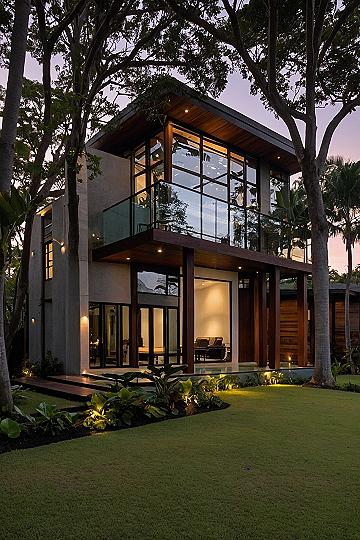
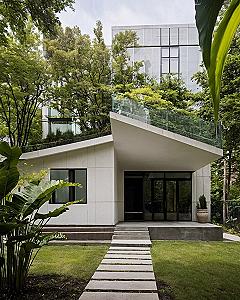
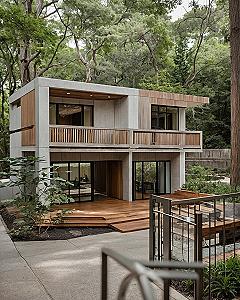
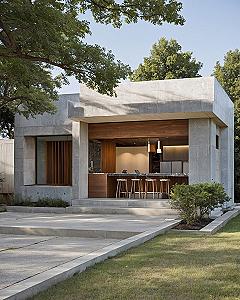
The good news is that a simple tropical house design offers a practical and stylish solution. By blending open layouts with natural materials, you can create a comfortable retreat that feels both fresh and timeless.
The key principle is keeping things uncluttered so that nature takes center stage. When you focus on simplicity, your living spaces naturally feel more open, breezy, and peaceful.
Smart choices like large glass panels, warm wood accents, and lush greenery can completely transform how your property looks and feels. These elements work together to bridge the gap between indoor comfort and outdoor beauty.
Let us take a look at five different ways to bring this clean, tropical style to life on your own property.
#1 Blending Modern Lines with Tropical Architecture
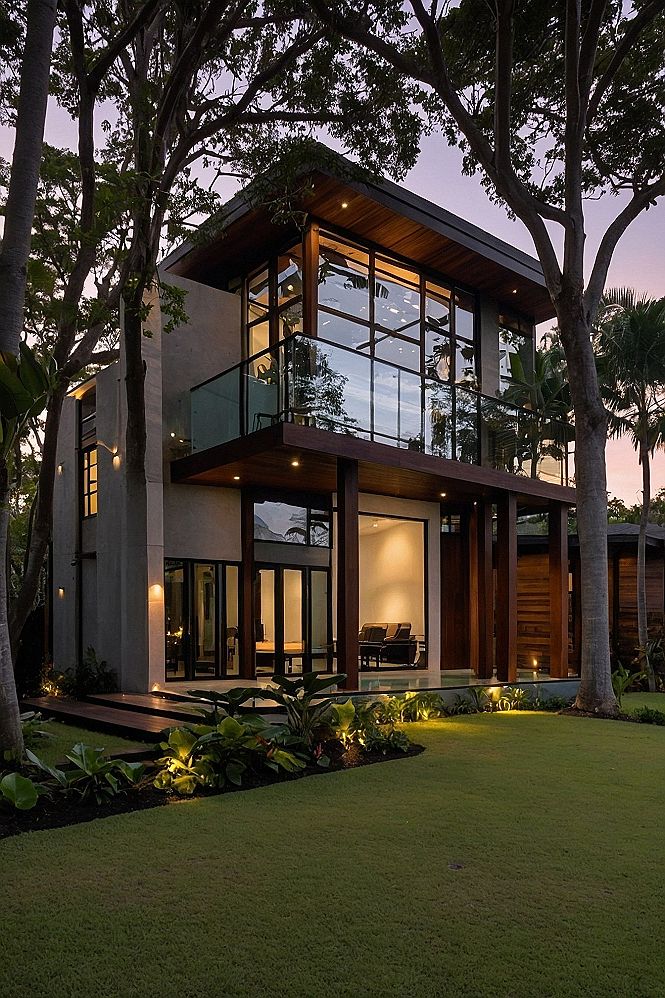
Tropical house design combines clean modern geometry with open layouts that let air move freely through the living spaces. By using large glass windows and strong wooden beams, this style connects indoor rooms directly with the natural environment outside. The flat rooflines and simple box shapes keep the overall look neat and updated, while natural materials help the building fit smoothly into a warm climate.
When planning your own layout, focus on maximizing natural ventilation by placing windows on opposite walls to create cross breezes. Choose durable local hardwoods and treat exterior surfaces to withstand high humidity and heavy rain. Keeping overhangs wide will protect glass walls from direct sun and heavy downpours, helping keep indoor temperatures comfortable without relying entirely on air conditioning.
#2 Maximizing Natural Light and Ventilation
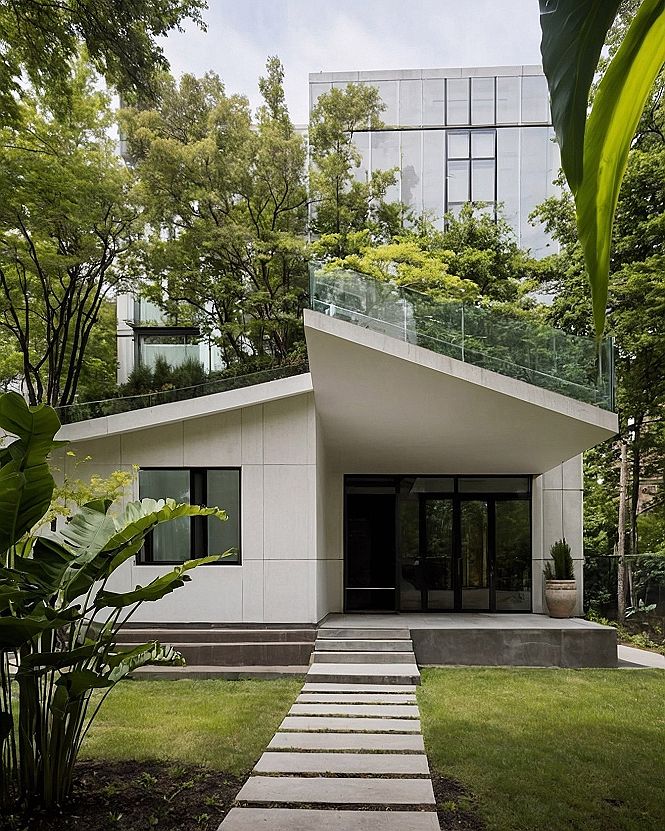
Designing a tropical home with large windows and open layouts helps fresh air move freely through every room. This approach reduces the need for artificial cooling by catching natural breezes. It also connects indoor living spaces directly to the surrounding outdoor environment.
Homeowners living in warm, humid regions will find this layout especially helpful for year-round comfort. Expect lower energy bills and brighter living areas during the daytime. Proper placement of windows ensures good airflow without letting in too much direct heat.
#3 Choosing Durable Exterior Materials for a Tropical Climate
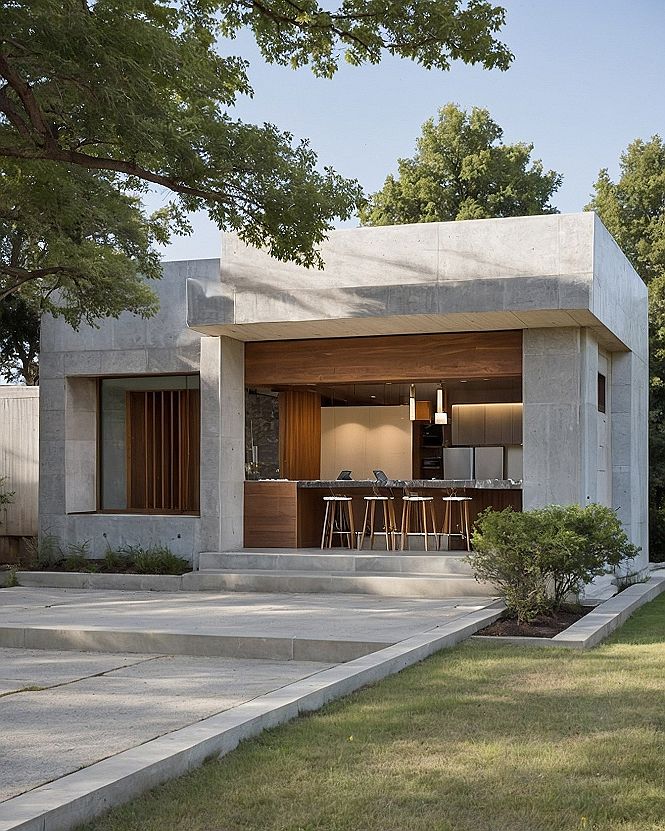
When you plan a tropical house exterior, you need materials that stand up to heavy sun and moisture. Concrete and treated timber work well together because concrete handles high humidity while wood adds warmth. Think about local weather patterns before you buy supplies so your walls and overhangs last for many years without constant repairs.
You can adapt this material mix to fit your budget and personal taste. If solid wood panels cost too much, try fiber cement siding painted to look like natural grain. For a smaller project, focus durable finishes on high-traffic entry areas and use simpler stucco on the outer walls to keep costs down while maintaining a clean look.
Which architectural style speaks to you?
#4 Maintaining Outdoor Wood Decks in Humid Climates
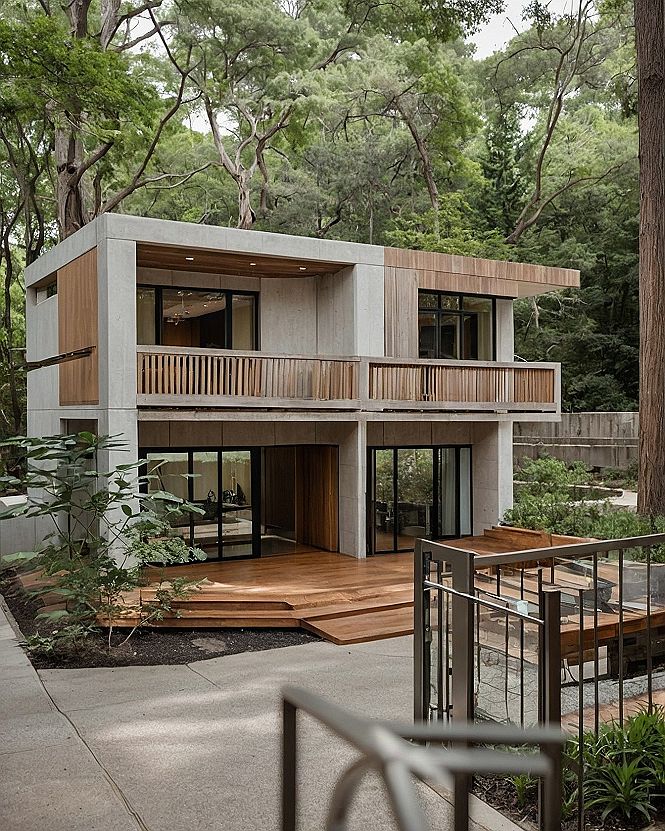
Regular maintenance protects wooden decks from high humidity and heavy rain. Applying a penetrating oil finish twice a year stops moisture from soaking into the boards. This simple habit prevents warping and keeps the wood looking fresh through changing seasons.
Keep the deck clean by sweeping away wet leaves and dirt weekly. Avoid using harsh chemical cleaners that strip natural oils from the wood. A gentle wash with mild soap and water keeps the surface safe and slip-resistant for daily use.
#5 Adding Vertical Garden Walls for Tropical Homes
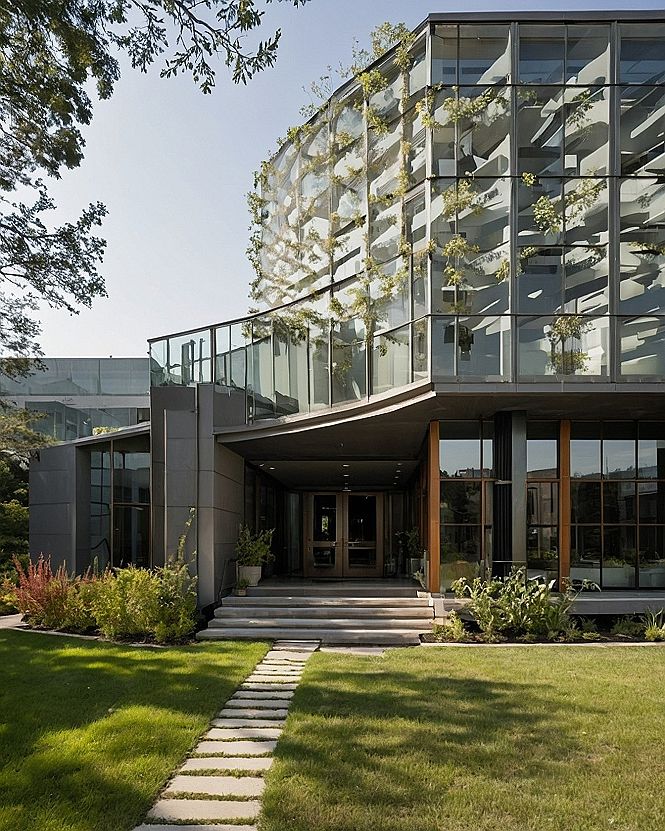
I really recommend adding vertical garden walls to your modern tropical house exterior. They help cool down the building naturally by cutting down direct sun absorption on exterior glass and walls. Plus, growing greenery vertically brings lush color to bare architectural surfaces without taking up valuable ground space.
If a full living wall feels like too much work, you can always try a simpler setup with climbing vines on trellises. Just pick hardy native plants that match your local rainfall patterns so they stay green with minimal watering and care throughout the year.
What's Your Architecture Personality?
Tap the look that speaks to you most:
Leave a Comment