10 Medium Length Haircuts for Every Face Shape

Have you ever sauntered into a hair salon, armed with numerous Pinterest images of Medium Length Haircuts, only to walk out wondering, “Why doesn’t this look as fabulous as I’d hoped?” Well, darling, it might not be the haircut itself but the harmony between the cut and your face shape that’s gone a tad off-key. But don’t fret; every face is like a unique canvas, awaiting the perfect medium-length masterpiece. And we’re here to help you find the right brushstrokes. Dive in with me, won’t you?

1. Oval Face Shape: The Balanced Beauty

Often dubbed the golden standard of face shapes, the oval face is slightly longer than it is wide, boasting balanced proportions. And when it comes to hairstyles, these lucky folks are spoilt for choice!

The Perfect Cut: A medium-length layered haircut. Imagine soft waves that cascade just below the shoulders, gently brushing your collarbones.

Why It Works: This hairstyle offers volume and dimension, ensuring the face doesn’t appear elongated. And those soft waves? They add that touch of playful charm!

2. Round Face Shape: The Circular Charm

Picture a face that’s as wide as it is long, with full cheeks that seem to always hint at a smile. That’s the round face for you, radiating youthful energy!

The Perfect Cut: A medium-length side-parted, angled lob, tapering towards the face.

Why It Works: The angle of the lob elongates the face, drawing attention away from its width. It’s like magic but with scissors!

3. Square Face Shape: The Angular Aesthetic

Defined jawlines and a forehead that’s roughly the same width as the jaw? Oh, you’re in the square squad. And trust me, there’s a world of chic hairstyles awaiting you!

The Perfect Cut: Medium length with soft, rounded layers, especially framing the jawline.

Why It Works: Those soft layers act like a visual diffuser, softening and rounding out those strong jawlines. It’s a delightful blend of edge and elegance.

4. Heart Face Shape: The Dainty Divergence

If your forehead is the broadest part of your face, tapering down to a pointed chin, you, my dear, have a heart-shaped face. And your hairstyle needs to reflect its delicate charm.

The Perfect Cut: Medium-length with volume at the crown and soft, wavy ends.

Why It Works: This cut balances out the narrowness of the chin, while the waves add volume where needed. Think of it as a harmonious hair hug for your face.

5. Long (or Rectangular) Face Shape: The Elongated Elegance

Long faces, often accompanied by high foreheads, require a touch of horizontal aesthetics. The aim? To break the vertical stretch visually.

The Perfect Cut: Medium-length with horizontal layers and side-swept bangs.

Why It Works: The layers add width, while the bangs reduce the length. It’s like giving your face a cozy blanket of hair to nestle in.

6. Diamond Face Shape: The Sparkling Silhouette

Ah, the diamond face shape! With cheekbones that are the widest part of the face, flanked by a narrow forehead and a delicate chin, it’s truly a unique and dazzling shape.

The Perfect Cut: Medium-length featuring soft layers starting from the cheekbones, flowing effortlessly into textured ends.

Why It Works: Those layers bring attention to your face’s crowning glory – the cheekbones. They offer a gentle frame that celebrates the diamond’s facets without overshadowing them. This haircut is like the cherry on top of an already exquisite sundae!

7. Triangular Face Shape: The Base-Bold Beauty

With a broader jawline and a more narrow forehead, the triangular face shape is quite the captivating canvas for hairstylists.

The Perfect Cut: Medium-length, harmoniously balanced with volume at the top and a graceful A-line shape. Think volume, but not the loud-speaker type!

Why It Works: The added volume at the crown counteracts the wider jaw, bringing a sense of equilibrium. The subtle A-line ensures that your hair doesn’t make your jawline feel too heavy. It’s like the seesaw of hairstyles – perfectly balanced.

8. Inverted Triangle Face Shape: The Top-Heavy Temptress

The inverted triangle is the fun mirror reflection of the triangular face shape, where the forehead reigns wide, and the jawline tapers to a narrower point.

The Perfect Cut: Medium-length, adorned with soft, face-framing layers that subtly taper towards the collarbone.

Why It Works: Those layers, they’re the heroes here! They divert attention from a broader forehead and add fullness around the chin, creating a wonderfully balanced visage. It’s like contouring, but no makeup brushes needed!

9. Oblong Face Shape: The Linear Allure

If your face is noticeably longer than it is wide, without the wide cheekbones of the oval face, you’re in the oblong club. And there’s a cut out there that’s screaming your name!

The Perfect Cut: Medium-length filled with lively, choppy layers, and crowned with a fringe that playfully grazes the eyebrows.

Why It Works: The fringe brings the focus to your eyes, breaking up the length. Those choppy layers? They’re like the perfect dance partners, adding width and movement. It’s a hair fiesta, and you’re the star!

10. Pear Face Shape: The Gradually Gorgeous

A narrow forehead that elegantly widens to a broader jawline and chin defines the pear face shape. Think of it as the gentle reverse of the heart shape.

The Perfect Cut: Medium-length, with a focus on volume at the temples and crown, settling into a modest U-shape at the back.

Why It Works: By amplifying the volume near the temples, this style creates a balanced visual width across the face. The U-shape? It’s the gentle caress your neck always wanted. It’s not just a hairstyle; it’s a harmonious symphony for your face.

Wrapping It Up

Well, there you have it! A kaleidoscope of face shapes, each with its distinct charm, and the haircuts that suit them to a T. Remember, darling, the best accessory you can ever wear is confidence. So, pick a style, wear it with pride, and let your hair do the talking!

Be it waves that whisper or layers that laugh, let your hair tell its story. Because every strand, every curl, every wave, is a page in the book of you.

10 Trending Back to School Outfits for 2023 Every Student Must-Have!

Hello, all you stylish souls out there! 🌟 The dawn of a fresh academic year is upon us, and if there’s one universal truth, it’s this: starting a new year requires a wardrobe refresh! Now, if you’re scratching your head, thinking, “What should I wear?” fret not. We’ve got your back (and your front!). Let’s dive into the top 10 head-turning back to school outfits ideas for 2023.

1. Preppy Scholar

Ah, the timeless allure of the academia aesthetic! The Preppy Scholar is an embodiment of classic sophistication with a hint of mischief. Picture this: a navy-blue pleated skirt swinging with every step, contrasted beautifully by a crisp white button-up shirt. But wait, there’s a twist! A crimson sweater vest rests over it, lending warmth and a pop of color. The ensemble screams Ivy League, especially when you’ve got those knee-high socks paired with classic loafers. Oh, and that leather satchel slung across the shoulder and the stack of textbooks? Pure old-school charm.

2. Athleisure Student

Gym rat or not, the Athleisure Student look is all about nailing that sporty-yet-chill vibe. It’s the outfit that whispers, “I might’ve done yoga this morning, or maybe I just rolled out of bed.” Black leggings stretch out, hugging every curve, paired with a loose gray athletic hoodie. The ensemble wouldn’t be complete without those pristine white sneakers. And the cherry on top? A sleek sports watch, ready to count those steps, and a gym bag that’s spacious enough for books or a change of clothes after a quick workout session.

3. Artsy Bohemian

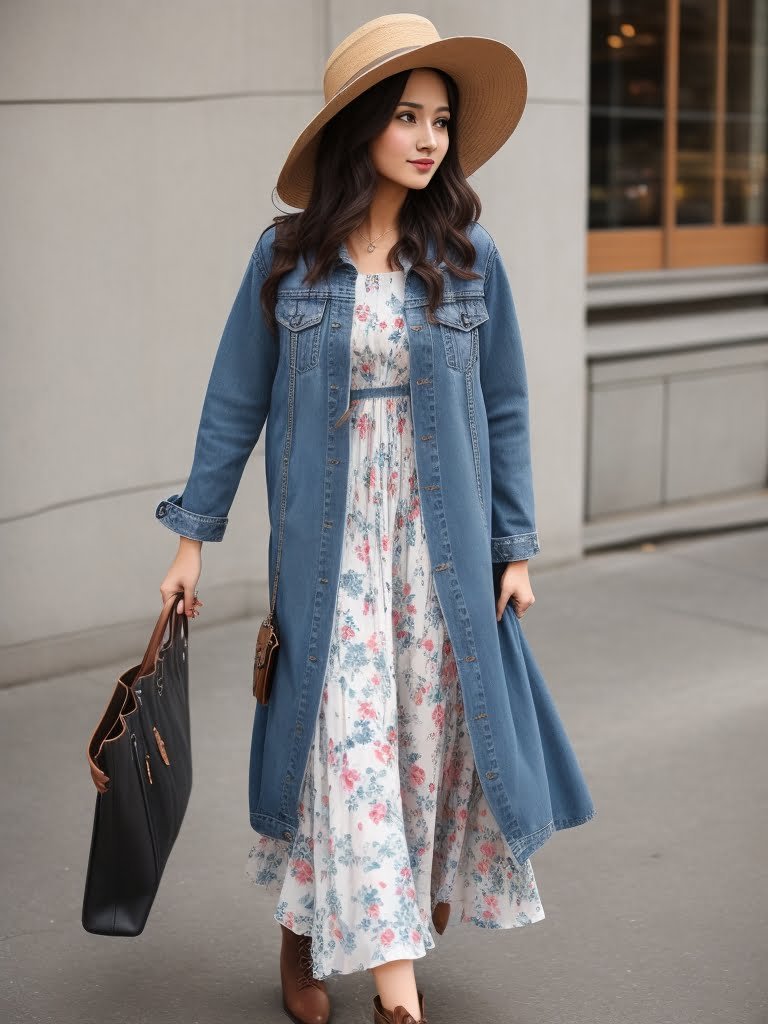
For souls that dance to their own beat, the Artsy Bohemian look is a dreamy concoction of patterns, colors, and textures. Imagine a flowy maxi dress that paints a thousand stories with its patterns, paired ever so casually with a rugged denim jacket. The leather ankle boots tap a rhythm on the pavement, while the wide-brimmed hat adds an enigmatic touch. But what’s that peeking from the canvas tote? Sketchbooks filled with doodles, dreams, and inspirations. Truly, an outfit for the daydreamers and creators.

4. Casual Streetwear

When comfort meets cool, you get the Casual Streetwear look. Perfect for those who believe in making a statement without uttering a word. Ripped jeans tell tales of adventures, while an oversized graphic tee shouts out your favorite band or a cheeky phrase. Wrapped around the waist, a flannel shirt waits for the evening chill. Every step is a confident strut in those high-top sneakers. And that backpack? It’s not just a bag; it’s a canvas adorned with patches, pins, and memories.

5. Vintage Throwback

Feeling nostalgic? The Vintage Throwback is a nod to the golden days of the ’80s and ’90s. High-waisted mom jeans hug the hips, leading the eyes to a cropped pastel sweater that screams cute comfort. Beneath, platform shoes add height and flair. The wrist isn’t forgotten – it’s graced with a colorful scrunchie, ready to tie up those tresses or simply act as a fashion statement. Round sunglasses shield the eyes, and a mini-backpack swings carefreely, holding secrets from yesteryears.

6. Edgy Rocker

For those with a heart that beats to the electric riffs of rock ‘n’ roll, the Edgy Rocker look is a wild symphony of style. Black skinny jeans, as dark as the night, become the canvas for this ensemble. The t-shirt, preferably of a band that’s rocked your world, takes center stage. But, oh, the drama doesn’t end there. A studded leather jacket adds that rebellious edge, ensuring you stand out in any crowd. Every step exudes confidence, thanks to those combat boots. The choker necklace is a nostalgic nod to the grunge era, and a dark messenger bag carries all your essentials, including those concert tickets for the weekend.

7. Eco-Conscious Trendsetter

In a world waking up to the importance of sustainability, the Eco-Conscious Trendsetter stands out, not just for their style, but for their choices. A bamboo fabric t-shirt, soft and gentle against the skin, pairs brilliantly with jeans crafted from recycled fabric. Every choice is a statement, right down to those vegan leather shoes that defy traditional norms. But what’s an eco-warrior without their armor? A reusable water bottle, a warrior’s flask, and a tote bag made from upcycled materials, carrying the weight of conscious choices.

8. Sophisticated Senior

Growing up doesn’t mean compromising on style. Enter the Sophisticated Senior look, where maturity meets chic. Tailored trousers, perfectly hemmed, complement a simple yet elegant blouse. Over this, a fitted blazer asserts an air of authority and grace. Pointed-toe flats, ever so stylish, click softly, announcing your presence. And instead of a bulky backpack, a slim leather portfolio is the companion of choice, carrying important documents and perhaps, plans for the future.

9. Relaxed Beachy Vibes

Ah, the call of the ocean! For those who hear it even in the bustling school corridors, the Relaxed Beachy Vibes outfit is a wave of freshness. Board shorts, not just for the beach, pair wonderfully with a loose tank top, preferably with a wave design that reminds you of the sea. Flip-flops, the footwear of free spirits, and a surfboard pendant necklace keep the beach close to your heart. Don’t forget those sunglasses, essential against the glare of the sun or the school’s fluorescent lights. A drawstring bag, light and breezy, carries essentials, and perhaps, dreams of the next beach getaway.

10. Cozy Autumn Layers

For souls who find joy in the rustling of leaves and the aroma of pumpkin spice lattes, the Cozy Autumn Layers outfit is a warm embrace. At its heart is a knitted mustard yellow sweater, soft and enveloping. Dark jeans contrast beautifully, leading to ankle boots that whisper of woodland walks. Wrapped around you is a plaid scarf, warding off the chill, while in hand is that aforementioned latte, warming both palms and heart. And on those particularly chilly mornings, a cozy beanie becomes the crown, making you the undeniable ruler of autumn fashion.

In Closing…

The beauty of back-to-school fashion is its versatility and reflection of personal expression. Whether you’re echoing the laid-back vibes of the beach or the structured elegance of academic pursuits, there’s an outfit waiting to tell your story. Remember, fashion isn’t just about wearing clothes; it’s about wearing your heart on your sleeve (quite literally!). So, as you step into the 2023 academic year, wear your style with pride and let every school corridor be your runway. And hey, why not mix and match? After all, personal style is all about breaking boundaries and setting new ones!

Gemini Hair Secrets Revealed: Why EVERYONE is Obsessed

The Rise of the Gemini Hair Phenomenon

You’ve seen it on influencers, next-door neighbors, and maybe even contemplated trying it yourself. Yes, we’re pulling back the curtain on the ever-viral Gemini hair trend. When hair trends meet zodiac signs, things are bound to get a little hair-raising! But what makes Gemini hair the talk of the town? Is it the boldness, the duality, or simply the intrigue of donning a look inspired by the stars? The answer, dear reader, is as layered as the hairstyle itself. And don’t worry; by the end of our cosmic journey, you’ll know whether you’re ready to take the Gemini hair plunge or simply admire it from afar.

The Duality of Gemini Hair: More than Just a Hairstyle

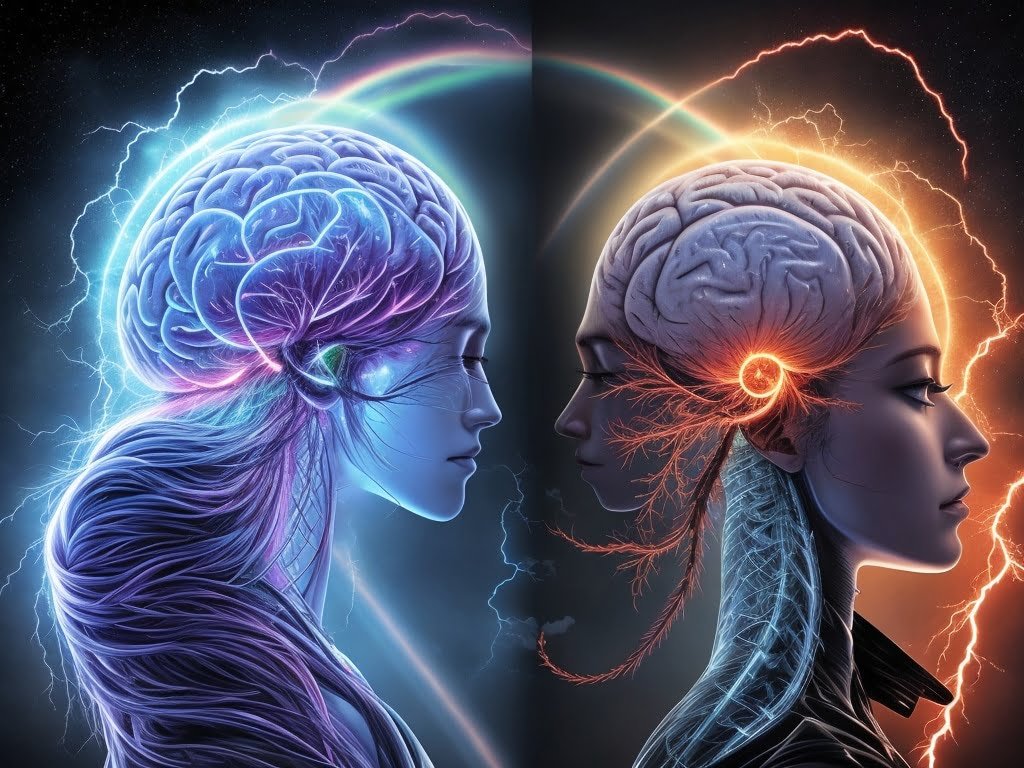
At the heart of the Gemini hair trend is the core concept of duality. Just as the Gemini zodiac symbol depicts twins, representing two sides of the same coin, Gemini hair embodies contrasting shades and tones, making it a hairstyle that stands out in any crowd. But it’s more than just a contrast of colors. It’s a bold statement, a reflection of one’s personality, and, dare we say, a mood. Picture this: one side of your hair bathed in a fiery red, depicting your fierce, passionate side, while the other remains a cool, serene blue, showcasing your calm and composed nature. That’s the magic of Gemini hair, folks! It lets you embrace and flaunt both sides of your personality. And in a world that often forces us to choose, isn’t it refreshing to have a hairstyle that says, “I can be both?”

From Astrology to Aesthetics: The Starry Origin of Gemini Hair

Astrology and aesthetics. Seems like an odd couple, right? But the union of the two is nothing short of cosmic. For centuries, the stars have shaped numerous aspects of our lives, from our personalities to our fate. But who would’ve thought they’d be influencing our hair choices too? The Gemini sign, represented by twins, signifies versatility, adaptability, and a penchant for expressing both sides of one’s nature. The Gemini hair trend captures this essence brilliantly. By embodying this duality on our very heads, we’re not just making a fashion statement; we’re channeling the cosmos! The swirl of colors, the dance of contrasts; it’s all a tribute to the starry tales of Geminis and their two-faced charm. And while the aesthetic appeal of this trend is undeniable, it also tells a deeper story – one of embracing every facet of oneself and wearing it with pride.

Celebrity Influence: Big Names Sporting Gemini Hair

It’s no secret: when celebrities jump on a trend, it doesn’t take long for it to become a global sensation. And Gemini hair is no exception! Hollywood’s dazzling stars and chart-topping musicians have been seen flaunting this mesmerizing trend, giving it an undeniable seal of approval. Remember when mega pop-star [insert popular celebrity name from 2021 or earlier] stepped onto the red carpet with that fiery mix of ruby and sapphire locks? Or that magazine cover where [another known figure] made a stunning appearance with her Gemini-inspired tresses? The world was watching, and salons were buzzing with appointment requests. Such endorsements not only add to the trend’s credibility but also inspire countless fans to try the style themselves. So, thanks to the celebrity world, Gemini hair is not just a trend, it’s an obsession!

DIY Gemini Hair: Tips and Tricks for the Brave Hearts

If you’ve been bitten by the Gemini hair bug and are itching to try it out, hold onto your hairbrush, because we’ve got some tips that’ll help you nail the look at home! First things first: choose colors that resonate with your personality. It’s crucial to pick shades that you truly connect with. Next, ensure your hair is in top condition. A deep conditioning treatment a day before can work wonders. When applying the dye, section your hair neatly to avoid any accidental blending. Remember, the charm lies in the distinctness of the two shades. Post-color care is equally important. Invest in color-protect shampoos and avoid excessive heat styling. And voila! With a little patience and creativity, you’ll have a head-turning Gemini hairstyle that’s sure to fetch a sea of compliments!

Conclusion: Is Gemini Hair Here to Stay or Just a Passing Phase?

Like a shooting star, some trends shine bright and fade away, while others linger, becoming almost timeless. The Gemini hair trend, with its striking duality and deep connection to the cosmos, has certainly left an indelible mark. But will it continue to dazzle, or is it destined to be eclipsed by the next big thing? While the future of fashion is as unpredictable as, well, predicting the exact spot a shooting star will zoom past, one thing’s for certain: the allure of Gemini hair has made us all look up and take notice. Whether or not it stands the test of time, it has undeniably captured our imaginations, and our hearts, for the moment.

And as we await the next big hair trend, one can’t help but wonder: What cosmic inspiration will the universe offer next?

The Science Behind Mindfulness: A Comprehensive Guide for Everyone

Ever found yourself lost in a daydream while your life is happening right around you? That’s something we all experience, but it’s not something we have to accept lying down. Mindfulness is a practice that’s gaining traction all over the world. But what is it really? Is it just a trendy buzzword, or is there some actual science to back it up? Let’s unravel the mystery together, and don’t worry, we’ll keep the jargon in check!

Introduction: Mindfulness for the Everyday Joe and Jane

You’ve probably heard the term “mindfulness” being tossed around lately. It’s become a go-to recommendation for stress, anxiety, or simply living a more fulfilled life. But what’s the real deal here? In this part, we’ll strip away the fancy lingo and dive into what mindfulness is all about. And, oh boy, are you in for a treat!

Mindfulness is all about being present in the moment, embracing our feelings, thoughts, and sensations as they come. Think of it as a warm embrace for your soul. Sound a bit “out there?” Stick with me, and we’ll explore the science that makes it as real as your morning coffee.

Section 1: Mindfulness Demystified – The Brain Connection

The Neuroscience of Mindfulness

Before we delve into the details, let’s take a brief detour into our brain’s fascinating world. Imagine your brain is like a bustling city, with thoughts, emotions, and reactions all zooming around like cars on the highway.

Mindfulness acts as a traffic controller, helping to slow down the rush and allowing you to focus on what’s essential. How does it do this? Grab your virtual lab coat, and let’s find out!

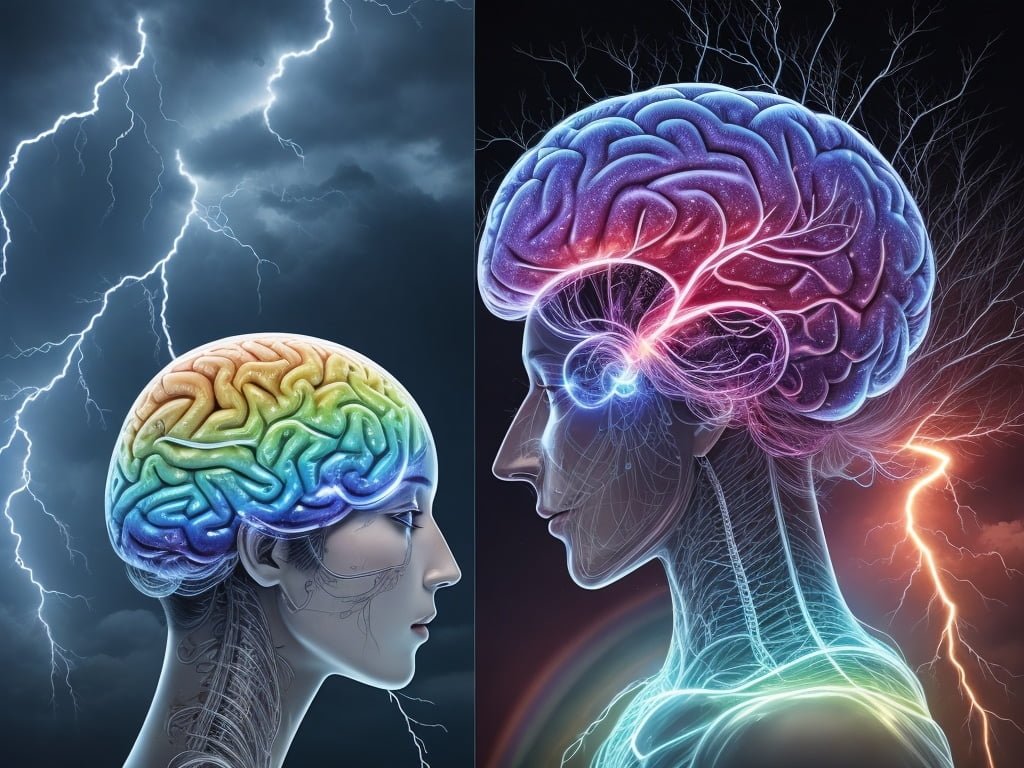
1. Brain Waves and You: Believe it or not, our brain communicates using electric signals called brain waves. Mindfulness helps to tune these waves to a frequency that’s more in line with relaxation and focus. It’s like tuning your radio to a station that only plays your favorite songs.

2. The Amygdala and Emotion Control: Ever heard of the fight-or-flight response? That’s your amygdala at work. Mindfulness practice has been shown to calm this little part of your brain, helping you react more thoughtfully rather than impulsively. It’s like having a wise old friend whispering over your shoulder, guiding you through life’s ups and downs.

3. The Pre-frontal Cortex and Decision Making: The pre-frontal cortex, the part of your brain that deals with decision-making and self-awareness, gets a significant boost from mindfulness practice. Imagine this part of your brain as a wise and influential CEO, always guiding the company (that’s you!) in the right direction.

What’s more, these changes are not just a fleeting experience. Long-term mindfulness practice can literally rewire your brain. It’s like going to the gym, but for your mind. Over time, those emotional muscles become stronger and more resilient.

You still with me? Great! We’ve only scratched the surface, and the ride’s about to get even more exciting.

Section 2: The Psychology of Mindfulness – A Healing Touch

Mindfulness and Mental Health

Mindfulness isn’t just some mystical concept; it’s grounded in hard science and can be a lifeline for mental health. How, you ask? Buckle up, as we explore this fascinating road.

1. Stress Reduction: Feel like a pressure cooker ready to blow? Mindfulness turns down the heat. By focusing on the present, mindfulness takes the edge off life’s challenges, allowing you to breathe, relax, and regain control. It’s like a soothing lullaby for the soul.

2. Battling Anxiety and Depression: Struggling with anxiety or depression? You’re not alone, and mindfulness could be your ally. Various studies have shown that mindfulness can reduce symptoms and improve overall well-being. It’s not a magic wand, but it’s a step in the right direction.

3. Improving Self-esteem and Body Image: Ever feel down about yourself or how you look? Mindfulness helps you appreciate yourself just as you are. By fostering a non-judgmental awareness, you learn to embrace your unique self, imperfections and all. It’s like looking in the mirror and seeing a friend, not a critic.

4. Enhancing Relationships: Imagine improving your connections with family and friends through mindfulness. By being present and attentive, you foster empathy and understanding. It’s like watering a garden; the more you nurture it, the more it blooms.

Mindfulness Techniques and Applications

So, you’re sold on the idea of mindfulness, but how do you actually practice it? Worry not; you don’t need to become a monk or live in a cave. Here’s a glimpse into the “how-to” of mindfulness.

1. Mindful Breathing: This is where it all starts. By focusing on your breath, you anchor yourself in the present. Think of it as a mini-vacation for your mind, anytime, anywhere.

2. Body Scan: Ever felt disconnected from your own body? A body scan reconnects you, helping you understand what’s happening inside. It’s like having a conversation with your own body, learning its likes and dislikes.

3. Guided Meditation: Not sure how to begin? Guided meditations can be a friendly hand to hold. From apps to online videos, they walk you through the process. It’s like having a personal mindfulness coach right in your pocket.

4. Mindful Eating: Ever inhaled your lunch without tasting it? Mindful eating slows you down, helping you savor every bite. It’s not just about the food; it’s about the experience.

Are you ready to give mindfulness a try? There’s more to explore, and the journey is as rewarding as the destination.

Section 3: Mindfulness in the Modern World – A Growing Trend

We’re living in a fast-paced world, where our minds are often scattered and fragmented. But mindfulness is making waves, transforming how we live, work, and play. Why is it catching on like wildfire? Let’s unravel this trend.

Mindfulness in Education

Education isn’t just about grades and exams; it’s about nurturing minds. Mindfulness is sneaking into classrooms, becoming a handy tool for both teachers and students. What’s it all about?

1. Enhancing Focus and Concentration: Imagine a classroom where students are focused and engaged. Mindfulness helps achieve this by training the mind to be present. It’s like sharpening a pencil, making it ready for the task at hand.

2. Reducing Stress and Anxiety: Tests, homework, peer pressure – school can be a stress factory. Mindfulness acts as a stress-buster, providing a calm refuge for both students and teachers. It’s like a soothing breeze on a sweltering day.

3. Fostering Emotional Intelligence: Empathy, compassion, self-awareness – these are the unsung heroes of education. Mindfulness helps cultivate these qualities, nurturing well-rounded individuals. It’s like planting seeds that grow into beautiful trees.

4. Supporting Special Needs: For students with special needs, mindfulness offers a unique support system, helping them navigate the unique challenges they face. It’s like a guiding star, lighting the way.

Mindfulness in the Workplace

The workplace is not just about deadlines and meetings; it’s about people. Mindfulness is changing the way we work, creating healthier, more vibrant workplaces. Curious to know how?

1. Boosting Productivity: A focused mind gets more done. Mindfulness helps clear the clutter, allowing for better concentration. It’s like cleaning your desk, making room for creativity and efficiency.

2. Enhancing Employee Well-being: Burnout, stress, discontent – these are the ghosts haunting many workplaces. Mindfulness acts as an exorcist, creating a more harmonious environment. It’s like tuning an orchestra, making beautiful music together.

3. Fostering Teamwork and Communication: Mindfulness teaches us to listen and understand, essential ingredients for teamwork. It’s like building a bridge, connecting ideas and people.

4. Leadership and Mindfulness: Leaders who practice mindfulness tend to be more empathetic and strategic. It’s like having a compass, guiding the ship through storms and calm waters alike.

Mindfulness in Healthcare

Healthcare isn’t just about medicines and surgeries; it’s about healing. Mindfulness is playing a vital role in patient care and even among healthcare providers. Here’s how:

1. Pain Management: Chronic pain can be a relentless enemy. Mindfulness offers a way to manage pain without just relying on medication. It’s like learning to dance in the rain rather than waiting for the storm to pass.

2. Supporting Mental Health Treatments: Alongside therapy, mindfulness offers an additional support system for mental health challenges. It’s like having an extra layer of insulation against the cold.

3. Healthcare Provider’s Well-being: Doctors, nurses, therapists – they all need care too. Mindfulness provides a space for self-care among healthcare providers. It’s like a well-deserved break in a demanding job.

4. Mindful Recovery: Recovery from illness or surgery is not just physical; it’s mental too. Mindfulness supports a more holistic recovery process. It’s like having a gentle hand to hold during a tough journey.

So, there we have it, a whirlwind tour of how mindfulness is shaping our world. But wait, there’s more to uncover. Next up, we’ll delve into the future of mindfulness and where this exciting journey might lead us.

Section 4: The Future of Mindfulness – The Road Ahead

The beauty of mindfulness is that it’s ever-evolving, growing with us as we navigate through life’s twists and turns. What might the future hold for mindfulness? Grab your crystal ball, and let’s take a look!

Emerging Technologies and Mindfulness

Technology and mindfulness may seem like strange bedfellows, but they’re joining hands in surprising ways. Here’s how:

1. Mindfulness Apps: With the rise of smartphones, mindfulness is just a tap away. Guided meditations, reminders, tracking – it’s like having a personal mindfulness guru in your pocket.

2. Virtual Reality (VR) Meditation: Imagine meditating on a mountaintop without leaving your room. VR offers immersive mindfulness experiences, taking practice to a whole new level. It’s like stepping into a dream, yet being fully awake.

3. Wearable Gadgets: Wearables that track heart rate, breath, and even brain waves are becoming allies in mindfulness practice. It’s like having a mirror, reflecting your inner state.

4. Artificial Intelligence and Personalized Mindfulness: Tailored mindfulness practices based on your unique needs? Artificial Intelligence makes this possible. It’s like having a mindfulness program designed just for you.

Mindfulness and Public Policy

Governments and organizations are waking up to the benefits of mindfulness. Could it become a part of public policy?

1. Mindfulness in Schools: Some countries are embracing mindfulness in education, promoting emotional well-being. It’s like adding a vital subject to the curriculum.

2. Workplace Well-being Programs: Employers are recognizing the value of mindfulness in enhancing employee wellness. It’s like planting a garden in the concrete jungle of work.

3. Healthcare Integration: Mindfulness as a complementary therapy in healthcare is gaining ground. It’s like adding a gentle touch to the medical world.

The Challenges and Ethical Considerations

Every silver lining has a cloud, and mindfulness is no exception. What might be the bumps on this road?

1. Accessibility and Inclusivity: Ensuring that mindfulness is available to everyone, regardless of socio-economic background, is a challenge. It’s like building a bridge that everyone can cross.

2. Commercialization: With popularity comes commercialization, and mindfulness is no stranger to this. Finding authentic practices is essential. It’s like sifting gold from the sand.

3. Ethical Teaching: Ensuring that mindfulness is taught with integrity and understanding its cultural roots is vital. It’s like nurturing a tree, honoring its roots while appreciating its growth.

There you have it, dear reader, a journey through the fascinating world of mindfulness. From its humble origins to its promising future, mindfulness is more than just a buzzword; it’s a way of life. It’s like a gentle river that flows through our lives, nourishing our minds, hearts, and souls.

So, are you ready to dip your toes into the calming waters of mindfulness? The river is always there, waiting for you to join in its peaceful flow.

Whether you choose to explore mindfulness further or simply enjoyed the ride, I hope this guide has brought you insights, understanding, and perhaps a moment of peace.

Until our paths cross again, be mindful now.

Personal Development and Lifelong Learning: A Never-Ending Journey

Personal development isn’t just a buzzword; it’s a lifelong commitment to growth. In a rapidly changing world, where yesterday’s solutions might not work for tomorrow’s problems, staying still is falling behind. Lifelong learning, on the other hand, keeps you ahead of the curve. It’s like a roadmap for the journey of life, and guess what? There’s always something new to explore!

The Magic of Growth Mindset

Why Growth Mindset Matters

You’ve probably heard the saying, “You can’t teach an old dog new tricks.” Well, that might be catchy, but it’s far from the truth. A growth mindset is the belief that you can learn, adapt, and improve with effort and time. It’s not about how smart you are; it’s about how hard you’re willing to work.

Remember when you were a kid, and everything was a wonder to explore? A growth mindset recaptures that magic. It turns barriers into stepping stones and failures into lessons. Let’s say you’re trying to learn a new language. With a fixed mindset, you might think, “I’m too old for this.” But with a growth mindset, you say, “This might take time, but I can do it!”

Strategies to Cultivate a Growth Mindset

Cultivating a growth mindset isn’t like flipping a switch. It’s more like planting a garden. You sow the seeds, water them, and give them sunlight. Slowly but surely, those seeds blossom.

  • Embrace Challenges: Life’s going to throw curveballs at you. A growth mindset turns those curveballs into opportunities. How? By tackling them head-on, learning from them, and growing stronger.
  • Learn from Criticism: Nobody likes to be criticized. But constructive criticism is a goldmine for personal growth. Listen to feedback, analyze it, and use it to improve.
  • Celebrate Others’ Success: Jealous of your friend’s promotion? Turn that envy into inspiration. Celebrate their success, learn from it, and let it motivate you.
  • Keep Trying, Even When It’s Hard: Rome wasn’t built in a day. Neither are your skills and talents. Keep pushing, even when it’s tough. Remember, every failure is a stepping stone to success.

But wait, there’s more to personal development than a growth mindset. What about lifelong learning? How does it tie into all of this? Let’s dive in, shall we?

Lifelong Learning: More Than Just Books and Classrooms

The Evolution of Learning

Remember when learning meant sitting in a stuffy classroom with a chalkboard? Those days are long gone. Lifelong learning is about continuous growth, and it comes in many shapes and sizes.

Ever watched a YouTube tutorial to fix a leaky faucet? That’s lifelong learning. Ever taken an online course to improve your cooking skills? You guessed it, lifelong learning. It’s about growing and adapting, not just in your career but in every aspect of life.

The Rise of Online Education Platforms

In a world that’s always connected, learning has never been more accessible. Online education platforms have democratized learning, making it available to anyone, anywhere. Whether it’s a course on entrepreneurship or a workshop on mindfulness, the world’s knowledge is at your fingertips.

And the beauty of online learning? It’s not one-size-fits-all. You learn at your pace, in your style. Whether you’re a night owl or an early bird, online platforms cater to your needs.

Here’s a teaser for you: What’s the secret ingredient that makes lifelong learning so appealing? How can you make it part of your daily routine? Stick around, and let’s unravel the mysteries together in the next section.

Lifelong Learning: A Daily Ritual

Making Learning a Habit

Making lifelong learning part of your daily routine isn’t as daunting as it sounds. It’s about weaving learning into the fabric of your everyday life. Think of it like adding a splash of color to a painting; it doesn’t overshadow the whole piece, but it certainly adds depth and vibrancy.

  • Set Clear Goals: Want to learn a new language? Or master the art of public speaking? Break it down into small, achievable steps. Just as you wouldn’t eat an entire cake in one go, you don’t have to conquer a skill overnight.
  • Find Your Learning Style: Some people learn by reading, while others prefer videos or hands-on experience. Finding your learning style is like finding the perfect pair of shoes; it just fits.
  • Create a Learning Schedule: Allocate a specific time for learning. Maybe it’s during lunch breaks or before bedtime. It’s like setting a date with yourself, and trust me, you don’t want to stand yourself up!
  • Stay Curious and Have Fun: Who says learning has to be dull? Explore topics that fascinate you. Dive into the mysteries of the universe or the intricacies of cooking a perfect soufflé. Learning is an adventure; enjoy the ride!

Lifelong Learning and Career Growth

But hold on a second, there’s more to this story. Lifelong learning isn’t just about personal enrichment; it’s a ladder to professional growth. In a world where industries evolve at the drop of a hat, staying up-to-date is the name of the game.

Whether you’re a manager looking to lead more effectively or a teacher wanting to engage students, lifelong learning keeps you at the forefront of your field. It’s like having a backstage pass to the latest trends, technologies, and techniques.

The Impact of Personal Development and Lifelong Learning on Relationships

Building Stronger Connections

Personal development and lifelong learning don’t just transform you; they transform your relationships. It’s like planting a tree; as you grow, the shade of your wisdom and compassion extends to those around you.

  • Enhancing Communication Skills: Learning how to communicate effectively is like learning the dance of human connection. It builds understanding, trust, and harmony in relationships.
  • Developing Empathy: Walking in someone else’s shoes is more than a catchy phrase; it’s a life skill. Personal development helps you understand others’ feelings and perspectives, knitting stronger bonds.
  • Creating Shared Experiences: Learning together, be it a hobby or a new language, creates shared experiences. It’s like cooking a meal together; the process is as enriching as the feast.

So, we’ve explored the wonders of personal growth and lifelong learning. But here’s the cliffhanger: How do you measure this growth? How do you know you’re on the right path? Is there a secret recipe for success? Keep reading to uncover the answers.

Measuring Personal Growth: The Milestones Along the Way

Tracking Progress and Celebrating Success

Measuring personal growth isn’t about ticking boxes or collecting trophies. It’s like mapping a hiking trail; the joy is in the journey, but knowing how far you’ve come can be deeply rewarding.

  • Set Specific and Measurable Goals: Aim for the stars, but don’t lose sight of the ground. Break down lofty ambitions into specific, measurable steps. It’s like building a staircase to your dreams; one step at a time.
  • Reflect on Your Journey: Taking time to reflect on your progress is like pausing to enjoy the scenery on a road trip. What have you learned? How have you grown? The answers might surprise you.
  • Celebrate Success, No Matter How Small: Every achievement, big or small, is worth celebrating. It’s like savoring a delicious meal; each bite is a delight.

Tools and Resources to Guide Your Path

If personal development is a journey, then tools and resources are your trusty compass and map. They guide you, support you, and sometimes take you down exciting, unexpected paths.

  • Books and Audiobooks: From self-help classics to cutting-edge psychology, books are a treasure trove of wisdom. They’re like having a conversation with the greatest minds, past and present.
  • Online Courses and Workshops: Whether it’s mastering a skill or exploring a new hobby, online courses bring the classroom to you. It’s learning on your terms, at your pace.
  • Joining Communities and Groups: Learning with others adds a social dimension to personal growth. It’s like going to a party where everyone’s passionate about growing and learning.
  • Apps and Technology: From language learning apps to meditation guides, technology puts personal development in your pocket. It’s like having a personal coach, always there when you need encouragement.

The Bigger Picture: Lifelong Learning and Society

Building a Culture of Continuous Growth

Personal development and lifelong learning don’t just shape individuals; they shape societies. Imagine a world where everyone’s committed to growing, learning, and improving. It’s like tending a garden; each person blossoming adds beauty to the whole landscape.

  • Empowering Individuals: Lifelong learning empowers people to take control of their lives. It’s like handing them the paintbrush to their own masterpiece.
  • Fostering Innovation and Creativity: A society that values learning and growth is a hotbed for innovation. It’s like a melting pot of ideas, bubbling with creativity and new possibilities.
  • Strengthening Communities: When people grow together, communities grow together. It’s like weaving a tapestry; the individual threads come together to create something beautiful and strong.

Conclusion: Your Journey, Your Growth

Personal development and lifelong learning are more than just trends or catchphrases. They are a way of life, a philosophy that enriches every aspect of our being. It’s a road that’s sometimes challenging, often exciting, and always rewarding.

So, are you ready to embark on this journey? The path is yours to explore, the growth is yours to enjoy, and the adventure is just beginning. It’s like standing at the threshold of a new world, and all you have to do is take that first step.

The Philosophy of Moving On

Life is full of twists and turns, isn’t it? One moment you’re on cloud nine, and the next, you might find yourself down in the dumps. But if there’s one thing that ties us all together, it’s our ability to move on. The philosophy of moving on isn’t just a catchy phrase; it’s a way of life that has helped people from all walks of life persevere through thick and thin.

Understanding the Essence of Moving On

What Does It Mean to Move On?

Moving on. Sounds simple, doesn’t it? But peel back the layers, and you’ll find it’s anything but. Moving on is more than putting one foot in front of the other; it’s about embracing change and accepting that the past is a stepping stone, not a stumbling block.

The act of moving on isn’t merely a physical journey but an emotional one. It’s about letting go of what was and reaching out for what could be. It’s a dance between holding on and letting go, and in that dance, we find growth, healing, and transformation.

Remember the old saying, “Time heals all wounds”? Time might be a great healer, but it’s how we use that time that truly makes a difference. Moving on is not about forgetting; it’s about forgiving, understanding, and growing.

The Stages of Moving On

As they say, Rome wasn’t built in a day, and neither is the process of moving on. It’s a journey that often happens in stages. Here’s a peek into the roadmap:

  • Denial and Isolation: First, there’s shock, disbelief, and often a sense of isolation. But it’s just the calm before the storm.
  • Anger and Bargaining: Then comes the anger, followed by bargaining. It’s the “if only” phase, filled with what-ifs and if-thens.
  • Depression and Reflection: Next, the reality sinks in. It’s a time for reflection, perhaps even a bit of sadness. But wait, don’t lose hope just yet.
  • Acceptance and Growth: Finally, the dawn of acceptance arrives. It’s where the magic happens, where the past meets the present, and where a new future begins to unfold.

Intrigued by these stages? Hang tight, because there’s more to come.

The Psychology Behind Moving On

The Emotional Roller Coaster

Life’s a roller coaster, and moving on is no different. You’ll laugh, you’ll cry, and you might even scream a bit. But through it all, there’s a sense of purpose and direction. It’s a journey filled with ups and downs, but it’s your journey, and it’s one worth taking.

Understanding the psychology behind moving on isn’t just for the scholars; it’s for everyone who’s ever felt stuck, lost, or confused. It’s for you, for me, and for anyone who wants to understand the human condition.

Emotions aren’t something to be feared or suppressed; they’re to be embraced and understood. The emotional roller coaster of moving on is a reflection of our inner world, and by exploring it, we can discover strengths we never knew we had.

You’re still with me, right? Because there’s a lot more to uncover, and the ride’s just getting started.

The Art of Letting Go

Tools and Techniques

The art of letting go is no child’s play, and sometimes, we need a helping hand to guide us through. So how does one actually move on? Here’s a toolbox filled with tried-and-true techniques:

  • Embrace the Emotions: Don’t bottle up those feelings; let them out! Write in a journal, talk to a friend, or even scream into a pillow if you must.
  • Seek Professional Help if Needed: Therapists and counselors are there for a reason. They’re trained to help you navigate the maze of emotions.
  • Build a Support System: Lean on friends and family, or join a support group. A little help from your friends can go a long way.
  • Set Goals and Pursue New Hobbies: Focus on what’s next. Whether it’s learning to cook or running a marathon, goals give direction and purpose.
  • Practice Mindfulness: Being present in the moment can heal wounds like nothing else. Try meditation or mindfulness techniques to stay grounded.

These are just a few tools in the vast arsenal available. Try them out, mix and match, and find what works for you. And remember, it’s okay to take baby steps. The road to moving on isn’t a race; it’s a journey to be savored.

Building a New You

You’ve heard the phrase, “When one door closes, another opens,” right? Well, it’s time to walk through that new door. Moving on is also about building a new you, and what’s more exciting than a fresh start?

Whether it’s a new job, a new city, or even a new haircut, embrace the changes. They’re not signs of forgetting the past; they’re symbols of growth and a bright future ahead.

Cultural Perspectives on Moving On

Moving On Around the World

The philosophy of moving on isn’t confined to one culture or one way of thinking. It’s a universal truth, but it’s expressed in unique ways across the globe:

  • Japan’s Kintsugi Philosophy: The Japanese art of repairing broken pottery with gold teaches us that breaks and repairs are part of our history, not something to hide.
  • The African Ubuntu Philosophy: Emphasizing community and interconnectedness, Ubuntu tells us we’re not alone in our journey.
  • The Danish Hygge Lifestyle: Hygge teaches us to find joy and comfort in the little things, even in the midst of change.
  • Native American Wisdom: Many Native American teachings emphasize harmony with nature, reminding us that change is a natural part of life.

These varied perspectives aren’t just fascinating; they offer valuable lessons on how to move on in our own unique ways.

Spiritual Insights on Moving On

Across religions and spiritual practices, moving on holds a special place. From Buddhism’s teachings on impermanence to Christianity’s messages of forgiveness, there’s wisdom to be gleaned from spiritual traditions.

Want to explore more? Hold that thought, because we’re not done yet.

Stories That Inspire

Real-Life Tales of Moving On

Sometimes, all we need is a good story to inspire us. From celebrities who’ve overcome adversity to ordinary people with extraordinary resilience, real-life stories of moving on can be the guiding light we need.

Think of J.K. Rowling, who went from struggling single mother to one of the world’s most beloved authors. Or consider someone in your own community who’s turned a setback into a comeback. Their stories are more than just headlines; they’re lifelines.

The Impact of Moving On

Moving On in Relationships

Oh, the tangled webs we weave in relationships! Whether it’s a friendship that’s drifted apart or a love that’s lost its spark, moving on in relationships is a journey filled with emotion.

Healing Broken Hearts

Heartbreak isn’t just for love songs; it’s a real, palpable pain. But here’s the silver lining: moving on from a broken relationship is also an opportunity for healing, growth, and rediscovery.

  • Learning from the Past: What went wrong? What went right? Reflecting on these questions isn’t about playing the blame game; it’s about learning and growing.
  • Rediscovering Yourself: Who were you before the relationship? Who do you want to be now? Moving on is a chance to reconnect with yourself.
  • Embracing the Future: There’s a whole wide world out there waiting for you. Embrace it with open arms and an open heart.

Friendship Transitions

Friends come and go, but that doesn’t make it any easier when a friendship fades. Moving on from a friendship is just as profound, and here’s how you can navigate it:

  • Understanding Change: People change, and that’s okay. It doesn’t diminish the bond you once shared.
  • Cultivating New Connections: New friendships are waiting to blossom. It’s time to explore and connect.
  • Honoring What Was: Celebrate the friendship for what it was and carry the good memories with you.

Moving On in Career

Ever felt stuck in a dead-end job or faced a career setback? You’re not alone. Moving on in career isn’t just about updating your LinkedIn profile; it’s about finding purpose, passion, and fulfillment.

Facing Failures and Setbacks

Failure is not the end; it’s a detour. How you bounce back defines your career journey.

  • Learning and Growing: What can you learn from the failure or setback? Take those lessons and apply them to your next venture.
  • Embracing New Opportunities: A setback can be a setup for a comeback. Look for new opportunities that align with your skills and passions.
  • Building Resilience: Resilience isn’t just a buzzword; it’s the cornerstone of a thriving career. Cultivate it, and watch how it transforms your work life.

Personal Growth and Self-Discovery

Here’s where the rubber meets the road. Moving on isn’t just about relationships or careers; it’s about personal growth and self-discovery.

Embracing Changes

Life’s only constant is change, so why fight it? Embracing change means opening yourself to new experiences, perspectives, and growth opportunities.

Finding Your Path

Who are you? What do you want? These aren’t just philosophical questions; they’re the roadmap to your future. Moving on is a journey of self-discovery, and guess what? You’re the captain of the ship.

Living Authentically

To thine own self be true. Moving on is about shedding layers, breaking free from expectations, and living authentically. It’s your life, so live it on your terms.

And there you have it, a deep dive into the philosophy of moving on. From the emotional terrain to the practical tools, from cultural wisdom to real-life stories, we’ve explored the multifaceted world of moving on.

Conclusion: The Journey Continues

Life’s a winding road, filled with twists, turns, and unexpected detours. But no matter where we find ourselves, there’s always a path forward, a way to move on. It’s a philosophy not confined to textbooks or self-help seminars; it’s a living, breathing part of our human experience.

The Universality of Moving On

From Tokyo to Toronto, from the young to the old, the philosophy of moving on resonates with us all. It’s a testament to our resilience, our adaptability, and our indomitable human spirit.

We’ve traveled through the stages of moving on, unraveled the psychology, explored cultural wisdom, gleaned practical advice, and been inspired by real-life stories. What binds all these threads together is the universality of the experience.

The Ripple Effect

Like a pebble tossed into a pond, moving on creates ripples that extend far beyond the immediate moment. It shapes our relationships, our careers, our sense of self, and our view of the world.

Moving on isn’t an isolated event; it’s a continuous process, a way of living that acknowledges the past, embraces the present, and welcomes the future. It’s not about closing chapters; it’s about writing new ones.

Embrace the Philosophy

Are you ready to embrace the philosophy of moving on? It’s not a destination; it’s a journey, and it’s one that you don’t have to walk alone.

  • Lean on Support: Friends, family, community, and even professional help are there for you.
  • Learn from Experience: Every experience, whether joyful or painful, is a teacher. What lessons are you ready to learn?
  • Live with Purpose: Moving on isn’t about drifting aimlessly; it’s about living with intention, purpose, and authenticity.

Final Reflections

In the grand tapestry of life, moving on is a vital thread that weaves through our individual and collective stories. It’s not always easy, and it’s not always quick, but it’s always possible.

So here’s to you, the reader, as you embark on your own journey of moving on. May you find strength in vulnerability, wisdom in experience, joy in the journey, and above all, a sense of peace in knowing that you’re never alone.

Remember, the end of something is just the beginning of something new. Embrace it, live it, and most importantly, keep moving on.

Thank you for taking this journey with me. Whether you’re facing a crossroads or simply curious about the philosophy of moving on, I hope you’ve found insights, encouragement, and inspiration. The road ahead is open, and the possibilities are endless. Safe travels, dear reader, and remember, the best is yet to come.

The Power of Letting Go

Life’s a funny thing, isn’t it? One moment you’re holding on tight, trying to control every little detail, and the next, you find yourself wondering why things aren’t working out the way you planned. That’s where the power of letting go comes into play. It’s a concept as old as the hills, but as fresh as a daisy when you understand it properly. So buckle up and join me on this enlightening journey into the art of letting go.

Introduction: A Gentle Reminder to Breathe

We live in a world that demands us to keep moving, keep striving, and never stop. The rat race has become a furious sprint, and the finish line seems to get further away each day. Our hands are clenched, and our knuckles are white as we grip the reins of our lives, desperate to steer ourselves to success, happiness, and fulfillment.

But what if I told you there’s another way? A way that involves loosening your grip, taking a deep breath, and allowing life to unfold naturally. It sounds almost magical, doesn’t it? Well, the magic is in letting go, and that’s precisely what we’re going to explore together.

The Philosophy of Letting Go

If you dig into the annals of history, you’ll find that the idea of letting go isn’t new. Philosophies like Taoism and Stoicism have long emphasized the importance of accepting things as they are, rather than fighting against the natural flow of life.

Letting go doesn’t mean giving up or being passive. It’s about recognizing what you can control and what you can’t, and finding peace in that understanding. It’s about unclenching those fists, rolling with the punches, and realizing that sometimes, life knows better.

There’s a lot more to unravel, so stay with me. Trust me; you’ll be glad you did.

Embracing Uncertainty: Dance with Life’s Surprises

Life is filled with twists and turns, ups and downs, joys and sorrows. Often, it’s our need to control these uncertainties that lead us down a path of anxiety, stress, and discontentment. We’ve all been there, haven’t we?

But what if we could dance with life’s surprises instead of resisting them? What if we could embrace the unknown with curiosity and a sense of adventure?

Letting Go of Control

It’s human nature to want to control everything. From the weather on our wedding day to the traffic on our way to work, we wish we had a say in it all. But here’s the kicker: life doesn’t work that way.

Have you ever planned something to the smallest detail only for it to go awry? That’s life laughing at our futile attempts to tame its wild nature.

The true beauty of life comes when we release our need for control and allow things to unfold naturally. It’s like sailing on a vast ocean. You can’t control the wind or the waves, but you can adjust your sails.

Just imagine how liberating it can be to stop trying to orchestrate every moment and simply be present. Your days become less about struggling and more about living.

Trusting the Process

If letting go of control is the first step, trusting the process is what follows. And trust me, it’s a game-changer. It’s like taking a leap of faith, knowing that no matter what happens, you’ll land on your feet.

Trusting the process means believing that everything happens for a reason, even if that reason isn’t immediately clear. It means accepting that detours and roadblocks aren’t necessarily setbacks but part of the grand adventure of life.

Are you ready to learn how to trust the process? Hang tight; the best is yet to come!

Finding Inner Peace: The Serenity Within

As the saying goes, “You can’t stop the waves, but you can learn to surf.” The idea of letting go is akin to learning how to ride the waves of life. It’s not about avoiding or controlling them but adapting and flowing with them. When you master this, you find a sense of inner peace that’s as comforting as a warm blanket on a chilly night.

Embrace the Present Moment

Have you ever found yourself lost in thought, worrying about the future or replaying the past? It’s a common trap, and one that steals the joy of the present moment.

Letting go is about embracing the here and now. It’s about feeling the sun on your face, hearing the laughter of a loved one, or simply enjoying the pleasure of a good book. When you let go of the need to control every outcome, you start to see the beauty all around you.
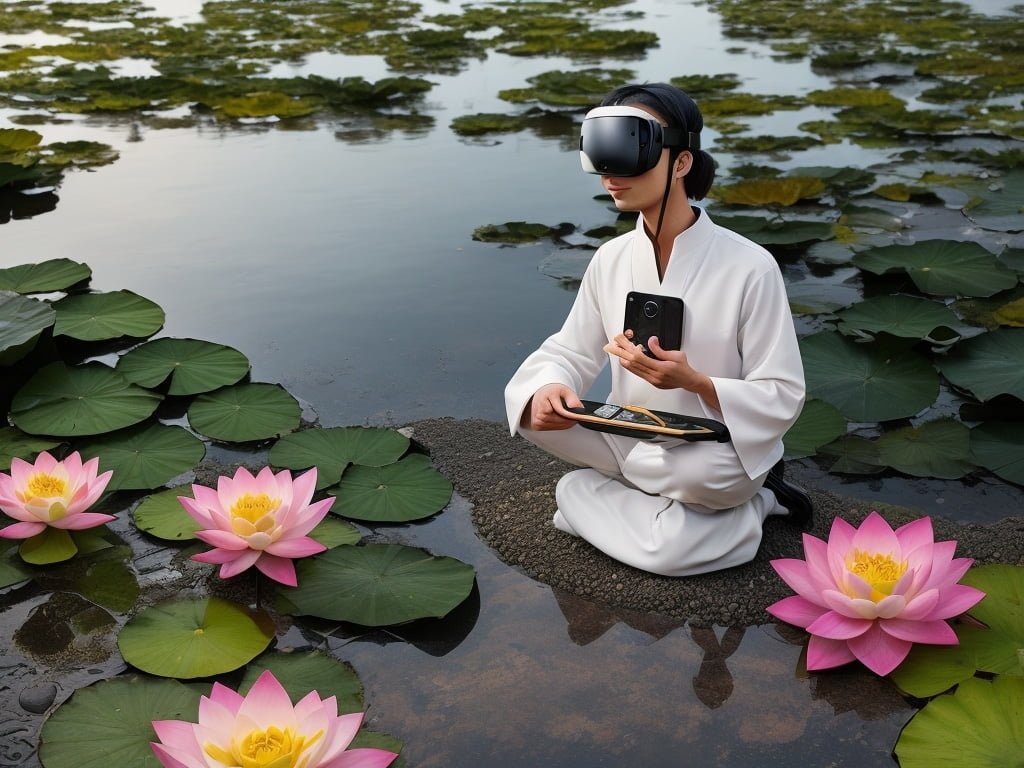
Remember, the past is a ghost, and the future is a dream. It’s the present that’s real and tangible. So why not make the most of it?

Cultivate Mindfulness

Mindfulness is more than a buzzword; it’s a practice that can transform your life. It’s the art of being fully present and engaged in the current moment without judgment.

You don’t need to be a meditation guru to be mindful. It’s as simple as taking a few deep breaths, tuning into your senses, and letting go of distracting thoughts.

By cultivating mindfulness, you allow yourself to let go of the mental clutter that often keeps you stressed and anxious. It’s like clearing a path through a dense forest, allowing you to see the way forward clearly.

Forgiveness and Healing

Letting go often involves forgiveness, both of others and ourselves. It’s about releasing the burdens of anger, resentment, guilt, or shame that weigh us down like heavy chains.

Forgiving doesn’t mean forgetting or condoning. It means acknowledging what happened, understanding how it affected you, and then choosing to release it.

It’s not always easy, but the freedom and peace that come from forgiveness are worth the effort. Think of it as a gift to yourself—a gift that unlocks the door to healing and a more fulfilling life.

The Connection with Nature

There’s something magical about being in nature. The rustling of leaves, the chirping of birds, the gentle caress of the wind—they all speak to a deeper part of ourselves that often gets lost in the hustle and bustle of modern life.

Spending time in nature helps you connect with the natural rhythm of life. You see that everything has its season, everything has its time, and everything is in perfect balance.

Nature teaches us to let go of our frantic pace and to breathe, observe, and be. It’s a lesson that can bring tranquility to our minds and harmony to our lives.

So why not take a walk in the park or hike in the woods? You might just discover the serenity you’ve been seeking.

Conclusion: The Journey Ahead

The power of letting go is not just a concept or a philosophy; it’s a way of life. It’s a path that leads to freedom, peace, joy, and a deeper connection with yourself and the world around you.

Like any journey, it requires patience, practice, and a willingness to explore uncharted territory. But rest assured, the rewards are worth every step.

Are you ready to let go? Are you ready to embrace life with open arms and an open heart? If you are, then take a deep breath, loosen your grip, and let the adventure begin.

Remember, once you stop looking, things find you. Life has a way of surprising you when you least expect it. So here’s to the unexpected, the unknown, and the undiscovered.

Here’s to the power of letting go.

Can You Really Stop Your Thoughts During Meditation? Unpacking the Truth

Meditation is a term that’s often thrown around with ease. It’s the buzzword of the decade, associated with mindfulness, wellness, and spiritual growth. But is there more to it than just calming the mind? Can you actually stop your thoughts during meditation? Let’s dive into this intriguing question and unpack the truth together.

Introduction

Have you ever found yourself staring out of the window, lost in thought, and someone tells you to stop thinking so much? Sounds impossible, doesn’t it? But then you hear about meditation and its magical ability to silence the mind. Now, that’s an enticing prospect. Imagine being able to press a pause button on your thoughts. But hold your horses! Can you really stop your thoughts during meditation? This article will delve into that very question, leaving no stone unturned.

The Myth of Thoughtlessness: Understanding the Essence of Meditation

What is Meditation?

Meditation, in its core, is not about emptying the mind but rather about controlling, observing, and understanding it. Many people think of meditation as a practice where thoughts are banished and the mind becomes an empty vessel. However, this is a common misconception.

In essence, meditation is a mental exercise where the practitioner focuses their attention on a particular object, thought, or activity to train attention and awareness, and achieve a mentally clear and emotionally calm and stable state.

The Goal of Meditation: Is It to Stop Thinking?

At this point, you might be wondering, “If meditation is not about stopping thoughts, then what’s it all about?” That’s where the real beauty of meditation comes into play.

The aim of meditation is not to suppress or eliminate thoughts but to observe them without attachment. By simply watching the thoughts as they come and go, without getting caught up in them, one learns to detach from the constant chatter of the mind.

Some meditative practices focus on concentration, such as concentrating on your breath or a particular sound. Others, like mindfulness meditation, encourage an open awareness of thoughts, feelings, and sensations as they arise, without judgment.

The Misconception: Stopping Thoughts vs. Letting Go

Now, let’s tackle the myth head-on. Stopping thoughts and letting go of them are two entirely different concepts. Stopping thoughts would mean holding them captive, restricting them from flowing. Letting go, on the other hand, means allowing thoughts to flow freely but not getting swept away by them.

In meditation, you are not trying to turn off your thoughts. Instead, you are learning to become more aware of them and how they affect you. You are tuning into your mind’s natural rhythm, watching thoughts come and go like waves on the shore.

Imagine sitting by a river and watching the water flow. You don’t try to stop the river; you merely observe it. That’s the essence of meditation when it comes to thoughts.

The Journey of Techniques: Different Paths, One Destination

Mindfulness Meditation: Embracing Thoughts

Mindfulness meditation is about being present in the moment. Here, the goal is not to stop thoughts but to notice them without judgment. You might think of it as sitting in the audience of a theater, watching your thoughts perform on stage. You observe them, acknowledge them, but don’t react to them.

Through practicing mindfulness, individuals often find that they can separate themselves from their thoughts and emotions, understanding that they are not their thoughts. This kind of realization can bring about a deep sense of peace and clarity.

Transcendental Meditation: Diving Deeper

Transcendental Meditation (TM) is another popular form of meditation, and it takes a slightly different approach. By repeating a mantra (a specific word or phrase) in a certain way, TM practitioners aim to reach a state of relaxed alertness.

Unlike mindfulness meditation, where the thoughts are openly observed, TM encourages thoughts to drift into the background. They’re not stopped or controlled, but they become secondary to the mantra’s repetition. This practice may create a sensation where thoughts feel distant, but they are never forcefully stopped.

Zen Meditation: Seeking Simplicity

Zen meditation, or Zazen, is a disciplined practice focusing on sitting and breathing. Its simplicity is deceptive because the practice can be quite profound. Here, thoughts are neither chased away nor held onto. They are simply allowed to be.

In Zen, thoughts are like clouds passing through the sky. You notice them, but you don’t hang on to them. They are allowed to come and go as they please, without any interference.

Guided Meditation: A Guided Tour of Your Mind

Guided meditation involves following the guidance of a teacher or recording. It can be a wonderful introduction to meditation for beginners. The guidance often directs the focus away from thoughts and toward a visualization or sensation.

In guided meditation, thoughts may arise, and that’s perfectly normal. The guidance acts as a gentle reminder to return to the practice, without chastising or attempting to eliminate thoughts.

What’s the Common Thread?

You might have picked up on a common theme running through these practices: none of them is about stopping thoughts outright. Each technique has its unique approach, but they all acknowledge thoughts as a natural and inevitable part of the human experience.

The journey through different meditation paths reveals that attempting to stop thoughts might be a misguided goal. The real magic happens when we learn to dance with our thoughts, not fight against them.

Science Speaks: The Brain During Meditation

The Brainwaves of Calm

Believe it or not, meditation is not just a spiritual journey; it’s a physical one as well. When we meditate, something fascinating happens to our brainwaves. They change! This shift in brainwave activity has been linked to feelings of relaxation, focus, and even the sensation of thoughts becoming more quiet or distant.

But what does this mean? Does science support the idea of completely stopping thoughts during meditation? Let’s delve into the research to find out.

A Neurological Symphony: The Play of Thoughts

Scientific studies have shown that meditation activates specific areas of the brain related to attention, emotion regulation, and self-awareness. The dance of thoughts doesn’t come to a screeching halt. Instead, the brain’s activity changes, creating a different relationship with thoughts.

Researchers have identified that regular meditation practice can enhance the connectivity between different brain regions. This enhanced connection might be what allows experienced meditators to observe thoughts without getting caught in them, akin to watching leaves float by on a stream.

Mindfulness and the Brain: A Closer Look

Mindfulness meditation, in particular, has been a hot topic in scientific research. Studies have shown that it can actually change the brain’s structure, increasing the thickness of regions related to attention and sensory processing.

What does this have to do with stopping thoughts? Well, these changes might make it easier for a person to notice thoughts without becoming entangled in them. The thoughts are still there, but the relationship with them changes. It’s like turning down the volume on a noisy radio: the sound is still there, but it’s no longer overwhelming.

The Illusion of Silence: Is the Mind Ever Truly Quiet?

While meditation can undoubtedly create a sensation of quietness or stillness, it’s a myth that the mind ever becomes completely silent. Even in deep states of meditation, the brain remains active, processing information and generating thoughts.

What changes is the way we interact with those thoughts. In meditation, we can create a space where thoughts are observed rather than controlled or suppressed. It’s a nuanced difference, but one that is at the core of what meditation is truly about.

The Verdict: The Dance Continues

Science adds a valuable layer to our understanding of meditation and thoughts, showing us that the mind’s activity doesn’t cease but transforms. It’s not about silencing the mind but rather changing how we relate to it.

We’ve traversed through ancient wisdom and modern science, unraveling the complex relationship between meditation and thoughts. But there’s one last stop on this enlightening journey. Next, we will explore the personal experiences of those who meditate, connecting the theory with real-life stories. What does it feel like to meditate, and can personal experiences shed light on our question?

Personal Reflections: Real Voices, Real Experiences

The Beginner’s Path: First Impressions

For those new to meditation, the idea of stopping thoughts may seem both appealing and daunting. It’s common for beginners to feel a bit overwhelmed by the flood of thoughts that seem to surface when they first try to meditate.

“I thought I was doing it wrong because I couldn’t stop thinking,” says Emily, who began meditating as a way to manage stress. “But then I realized that the thoughts were okay. I just needed to let them be.”

Many find that embracing the thoughts, rather than fighting them, leads to a more fulfilling and less frustrating experience.

The Experienced Meditator: A Deeper Dive

Those who have been meditating for years often have profound insights into the nature of thoughts during meditation. For them, the quest to stop thinking has evolved into something more nuanced.

“I used to think meditation was about achieving a blank mind,” reflects John, a meditation teacher with over 20 years of experience. “But I’ve come to understand that it’s about a harmonious relationship with my thoughts.”

John’s experience is echoed by many seasoned practitioners, who often speak of a shift from trying to control thoughts to simply being with them.

Challenges and Triumphs: The Rollercoaster of Meditation

Meditation is not always a smooth ride. There can be moments of frustration, confusion, and doubt. But there can also be moments of profound clarity, peace, and understanding.

“I had a session where I felt like I’d truly transcended my thoughts,” shares Maria, a dedicated meditator. “They were there, but I was separate from them. It was an incredible feeling of freedom.”

Stories like Maria’s illuminate the multifaceted nature of meditation. It’s not about achieving a specific state but rather about embarking on a personal journey of discovery.

The Human Element: Tying It All Together

Personal experiences with meditation provide a rich tapestry of understanding. They remind us that meditation is not a one-size-fits-all practice, nor is it a linear path. It’s a deeply personal and often unpredictable journey.

The voices of real people, from beginners to experienced practitioners, resonate with the truth we’ve been uncovering throughout this exploration: You can’t stop thoughts during meditation, but you can transform your relationship with them.

Conclusion: Embracing the Flow, Not Stopping It

From the whispers of ancient wisdom to the compelling evidence of modern science, we’ve taken an enlightening journey through the world of meditation. What we’ve found is a harmonious dance with thoughts, rather than an attempt to halt them.

Can you really stop your thoughts during meditation? The answer is both clear and profound: No, but that’s not the point. Meditation is not about stopping thoughts but about learning to observe, understand, and coexist with them.

Key Takeaways:

  • Understanding, Not Stopping: Meditation helps us understand our thoughts, not stop them. By observing without judgment, we gain insights into our minds.
  • Diverse Techniques, Unified Goal: Whether it’s Mindfulness, Transcendental, or Zen meditation, different practices lead to a more harmonious relationship with thoughts.
  • Science’s Support: Research reveals that meditation changes the brain’s structure and activity, allowing a deeper connection to thoughts without becoming entangled.
  • Personal Journeys: Real-life stories highlight the challenges, triumphs, and personal growth that come with meditation practice.

Practical Tips for Your Meditation Journey

If you’re inspired to embark on your own meditation journey, here are some practical tips to help you get started:

  • Start Small: Begin with just a few minutes each day, gradually increasing as you become more comfortable.
  • Find Your Path: Explore different techniques to discover what resonates with you.
  • Embrace Thoughts: Remember, thoughts are natural. Observe them without judgment, letting them come and go like waves on the shore.
  • Seek Guidance if Needed: Consider joining a meditation group or finding a teacher to support your practice.

Final Thoughts

Our exploration has taken us through varied landscapes of understanding, unraveling the myth of thought-stopping in meditation. The path to mindfulness and inner peace is not about silencing the mind but about tuning in to its natural rhythm.

Whether you’re a curious seeker or an experienced meditator, may this guide inspire you to embrace the flowing river of thoughts, not dam it up. In the dance of meditation, every thought is a step, every insight a twirl, and every moment an invitation to grow.

Happy meditating!

Mindfulness Practices for Everyday Life

Life’s hustle and bustle often leads us down a winding path of stress and anxiety. It’s like being caught in a never-ending whirlpool, where our thoughts and worries never seem to stop spinning. But what if there were a simple way to pull ourselves out of this chaos? Mindfulness practices might just be the lifebuoy you’ve been looking for! No tech-savvy required, just simple, human-like connections with your mind and body.

Mindfulness is all about being present, focused, and fully engaged with the here and now. It’s not some mystical art or complicated science; it’s about connecting with yourself in the most genuine way. So let’s dive right in, and by the time you reach the end of this article, you’ll find yourself a bit more anchored in this chaotic world. Ready to take the plunge? Let’s get started!

What is Mindfulness? A Friendly Introduction

You know that feeling when you’re driving, and suddenly you realize you don’t remember the last few miles? That’s the opposite of mindfulness. Mindfulness is like taking the scenic route, where you notice every tree, every bend in the road, and every breath you take.

The Essence of Mindfulness

Mindfulness is all about being present in the moment. It’s not about dwelling on the past or fretting about the future. It’s being here, right now, fully engaged with whatever you’re doing. It’s like having a cozy chat with an old friend – warm, sincere, and attentive.

The beauty of mindfulness is that it’s not reserved for monks in far-off monasteries. It’s for you, me, and everyone else who’s juggling life’s many challenges. It’s a way to calm the storm inside and reconnect with what’s essential.

Why Practice Mindfulness?

In our fast-paced world, our minds are often scattered and overloaded. We’re always planning the next thing, worrying about what’s to come, or regretting what’s already passed. It’s like we’re living everywhere but here.

Mindfulness helps you hit the pause button. It allows you to take a deep breath, slow down, and really see, hear, and feel what’s happening right now. It’s a mental refreshment that can lead to less stress, better decision-making, and an overall sense of well-being.


Research has shown that mindfulness can improve mental health, enhance focus and creativity, reduce anxiety, and even boost physical health. It’s like giving your mind a well-deserved vacation, even if it’s just for a few minutes a day.

Simple Mindfulness Techniques for Everyone

If you’re thinking that mindfulness requires a yoga mat or meditation cushion, think again! Mindfulness is something you can practice anywhere, anytime. Here are a few simple techniques to get you started:

  • Breathe Deeply: Focus on your breath. Feel it coming in and going out. It’s like a gentle wave that can anchor you in the present moment.
  • Eat Mindfully: Instead of gobbling down your meal, take the time to taste, smell, and savor every bite. It’s a culinary adventure in your own dining room.
  • Take a Mindful Walk: Instead of rushing from A to B, walk slowly and notice everything around you. It’s a journey, not just a destination.

Remember, mindfulness isn’t about perfection. It’s about practice. It’s like learning to dance; you might step on a few toes at first, but with time, you’ll find your rhythm.

So there you have it, a beginner’s guide to mindfulness. But don’t rush off just yet; we have more to explore. Next up, we’ll delve into mindfulness at work, where the whirlpool of stress often seems endless. Can mindfulness be your lifebuoy in the workplace? Stay tuned, and you’ll find out!

Mindfulness at Work: Navigating the Storm

Work can often feel like a relentless storm. Deadlines, meetings, emails – the waves just keep coming. But what if you could find a calm center amidst the chaos? That’s where mindfulness at work comes in. It’s not about escaping the storm but learning how to sail through it with grace and balance.

The Challenge of Staying Present at Work

Let’s face it, the modern workplace is a juggling act. Between tasks, notifications, and the pressure to perform, our minds are constantly pulled in different directions. It’s like trying to catch a swarm of butterflies with a single net.

This constant multitasking can lead to stress, burnout, and a feeling of being overwhelmed. We become disconnected from our work and ourselves, leading to a decline in creativity, satisfaction, and overall well-being.

How Mindfulness Can Make a Difference

Mindfulness is like a gentle anchor that helps you stay grounded amidst the workplace whirlwind. It’s not about eliminating stress but managing it more effectively. Here’s how it can make a difference:

  • Reduces Stress: By being present and aware, you can approach tasks with calm focus instead of frantic haste. It’s like shifting from a wild sprint to a steady jog.
  • Enhances Focus and Creativity: Mindfulness helps you tune into what you’re doing, allowing for deeper concentration and creativity. It’s like clearing the static on a radio to hear the music clearly.
  • Improves Relationships: Being present with colleagues fosters understanding and collaboration. It’s like turning off the autopilot in conversations and truly connecting.

Practical Tips for Mindfulness at Work

Ready to give mindfulness a try at work? Here are some practical tips to help you navigate the storm:

  • Start the Day Mindfully: Take a few moments to breathe and center yourself before diving into work. It’s like setting the sail before heading out to sea.
  • Mindful Breaks: Instead of mindlessly scrolling through social media on breaks, try a few minutes of focused breathing or a mindful walk. It’s like a mini-vacation for your mind.
  • Mindful Meetings: Practice active listening and presence in meetings. It’s not just about what’s being said but how it’s being said.

Remember, mindfulness at work is a journey, not a destination. It’s not about being mindful all the time but finding moments to reconnect with yourself amidst the chaos.

Tools and Resources for Mindfulness at Work

Luckily, you don’t have to navigate the mindfulness journey alone. There are various tools and resources available, ranging from apps to workshops, tailored to the workplace context.

  • Mindfulness Apps: Several apps offer guided mindfulness exercises, suitable for busy professionals. It’s like having a mindfulness coach in your pocket.
  • Workplace Workshops: Many organizations offer mindfulness workshops and courses. It’s like taking a group sailing lesson to navigate the workplace storm together.

Mindfulness at Home: Creating a Sanctuary

Our homes are supposed to be our sanctuaries, our havens from the storms of life. But how often do we bring the stress and chaos of the outside world through our front doors? Mindfulness at home isn’t just about creating a peaceful environment; it’s about fostering a mindset that turns your living space into a true refuge.

The Home Environment: More Than Just a Place

Home is more than just four walls; it’s where we relax, connect with loved ones, and recharge. But with our hectic lives, we sometimes forget to truly inhabit our homes. We eat without tasting, we talk without connecting, and we sleep without resting. It’s like living in a beautiful garden but never stopping to smell the flowers.

Mindfulness at Home: What Does it Mean?

Mindfulness at home is about being present and engaged with your living space and the people in it. It’s about taking the time to enjoy and appreciate the simple pleasures that home has to offer. It’s like tuning into a favorite song and letting the melody wash over you.

Here’s how mindfulness at home can make a difference:

  • Deepening Connections: By being present with family and friends, you can foster deeper, more meaningful relationships. It’s like shifting from small talk to a heart-to-heart conversation.
  • Enhancing Enjoyment: Mindfulness helps you savor the small joys of home life, whether it’s a delicious meal or a warm bath. It’s about savoring the flavor, not just swallowing it down.
  • Creating a Calm Environment: Mindfulness encourages a sense of peace and calm, reflecting not only in your mind but in your surroundings. It’s like turning your home into a soothing retreat.

Simple Ways to Practice Mindfulness at Home

Ready to embrace mindfulness at home? Here are some simple ways to get started:

  • Mindful Meals: Share meals without distractions like TV or smartphones. Engage with the food and the company. It’s like hosting a mini-feast every day.
  • Mindful Chores: Turn mundane tasks like washing dishes or sweeping into mindful practices. Focus on the sensations and the process. It’s like turning a chore into a dance.
  • Mindful Communication: Practice active listening and presence with loved ones. It’s like turning a casual chat into a meaningful connection.
  • Creating Mindful Spaces: Dedicate a space for relaxation and reflection. It’s like having a personal sanctuary within your home.

Mindfulness and Family: A Special Bond

Mindfulness can also be a family affair, fostering connections and understanding among family members. Here’s how:

  • Family Mindfulness Activities: Engage in activities like mindful walks or cooking together. It’s like weaving a fabric of shared experiences.
  • Teaching Mindfulness to Children: Introduce children to simple mindfulness practices. It’s like planting seeds for a lifetime of awareness and empathy.

Mindfulness and Community: Extending the Circle

Mindfulness isn’t just confined to individual or family life. It can ripple out into the community, fostering connections and compassion. Whether it’s mindful interactions with neighbors or engaging in community events with presence and joy, mindfulness can turn strangers into friends and neighborhoods into connected communities.

Conclusion: A Mindful Life Awaits

Mindfulness isn’t a destination; it’s a way of living. Whether at work, home, or in the broader community, mindfulness invites us to slow down, connect, and savor life’s beautiful moments. It’s like finding hidden treasures in the ordinary, unlocking a richer, more fulfilling life.

Why not take the first step today? The path to mindfulness is open, inviting, and filled with possibilities. Your mindful journey awaits, and it all begins with a single, conscious breath.

Here’s to a mindful, joyous life!

The Symphony of Colors

Lila’s music filled the square, each note dancing through the air and reaching the ears of the gathered crowd. Among them was Ethan, a painter whose eyes were fixed on Lila, entranced by the melody and the passion she put into her music.

Inspired by Lila’s performance, Ethan returned to his studio, where he began to paint. The colors on his canvas seemed to move, each stroke reflecting the emotions he had felt during the concert. He painted all night, a piece that would become a testament to a connection he couldn’t yet understand.

Fate brought Lila and Ethan together again at the town’s quaint café. A chance encounter led to smiles, apologies, and an invitation to sit together. They talked about their art, their dreams, and discovered a shared passion for creativity.

They decided to collaborate, Lila’s music inspiring Ethan’s paintings, and Ethan’s colors giving life to Lila’s melodies. Together, they created something neither could have done alone.

Through their collaboration, they fell in love. The connection that began with art blossomed into something more profound, a love that felt as natural as the waves kissing the shore.

Their love led to a promise, a bond sealed in an intimate ceremony by the sea. Together, they continued to create, their art a reflection of their love, and their love a masterpiece that neither time nor tide could erase.

Exit mobile version